


Los Angeles sits in a Mediterranean climate zone with two distinct moisture patterns that create perfect conditions for rapid water damage escalation. Winter storms dump heavy rainfall on aging infrastructure, overwhelming drain systems in neighborhoods from Silver Lake to Mar Vista. Properties built before 1980 often have galvanized pipes that corrode from the inside, causing sudden failures with no warning signs.
The concrete slab foundations common in Westside construction trap moisture beneath flooring, allowing water to migrate laterally for days before visible stains appear. By the time residents in Culver City or Santa Monica notice ceiling discoloration, water has often saturated drywall, insulation, and framing lumber. Los Angeles County requires permits for structural drying in commercial buildings, adding time pressure to mitigation work.
Coastal humidity near Venice and Manhattan Beach slows evaporation rates, extending drying times and increasing mold risk. Inland areas like Studio City and North Hollywood experience temperature swings that create condensation inside wall cavities after water intrusion. The city's strict building codes mandate moisture testing before reconstruction can begin, making proper documentation during extraction critical for keeping projects on schedule and insurance claims clean.
United Water Damage Restoration Los Angeles maintains strategically positioned response vehicles across the county, cutting dispatch times to under an hour for most neighborhoods between Downtown and the coast. Our crews carry thermal imaging cameras, moisture meters, and truck-mounted extraction units to every call, eliminating the delays that happen when technicians need to return for proper equipment.
We have worked with every major insurance carrier operating in Los Angeles County and know exactly what documentation adjusters require before approving claims. Our technicians photograph moisture readings, document affected materials, and create detailed scope reports on-site, preventing the claim disputes that stall other restoration projects for weeks. We coordinate directly with your adjuster and handle the paperwork that slows down recovery.
Most water damage companies in Los Angeles subcontract their mold remediation and reconstruction work, adding handoff delays and communication gaps. We staff certified mold remediators and licensed contractors in-house, keeping your entire project under one roof from initial extraction through final paint. This integrated approach cuts total restoration time by 40 percent compared to companies that farm out specialty work.
Our technicians train on Los Angeles building codes and understand how water behaves in the construction types common to this region. We know that post-tension slab foundations require different drying protocols than raised foundations, that stucco exteriors trap moisture differently than wood siding, and that Spanish tile roofs leak in predictable patterns. This local expertise prevents the trial-and-error approach that extends less experienced companies' drying times.

Our dispatch system tracks crew locations in real time and routes the nearest equipped vehicle to your property. We guarantee arrival within 60 minutes for most Los Angeles addresses, stopping water migration before it doubles your repair costs. Every minute counts when water is spreading through drywall and insulation.

We create the detailed moisture maps, photo documentation, and material inventories that adjusters need to approve claims without disputes. Our technicians understand California insurance requirements and communicate directly with your carrier, eliminating the back-and-forth that delays other restoration projects for weeks.
From initial water extraction through mold remediation and final reconstruction, our certified crews handle every phase without subcontractors. This integrated approach eliminates scheduling gaps, maintains quality control, and cuts your total restoration timeline nearly in half compared to companies that outsource specialty work.
Our technicians train specifically on Los Angeles County building codes, permit requirements, and the construction types common to this region. We know which drying protocols work for concrete slabs versus raised foundations, how moisture behaves in stucco walls, and what documentation the city requires before reconstruction begins.
Water damage creates cascading problems that require coordinated solutions across multiple trades and specialties. A single pipe failure can necessitate emergency water extraction, structural drying, mold remediation, plumbing repair, and complete reconstruction. United Water Damage Restoration Los Angeles coordinates all these services under one project manager, eliminating the scheduling chaos and finger-pointing that happens when homeowners try to coordinate separate contractors.
Our service categories address every phase of water damage recovery, from the initial emergency response through final restoration. We start with rapid water removal to stop ongoing damage, transition to controlled structural drying that prevents secondary problems, and complete full reconstruction that returns your property to pre-loss condition. This integrated approach means one phone call, one point of contact, and one company accountable for your entire project from start to finish. We handle residential properties, commercial buildings, and multi-family complexes across Los Angeles County, adapting our protocols to match the unique requirements of each property type and the specific damage patterns we find.
When water is actively spreading through your property, every minute increases repair costs and risk. Our emergency mitigation teams arrive with truck-mounted extraction units, portable pumps, and moisture detection equipment to stop water migration immediately. We extract standing water, remove saturated materials that cannot be saved, and begin controlled drying to prevent mold colonization. This rapid response phase focuses on damage control, protecting salvageable materials, and creating the stable conditions needed for proper restoration work.
Removing visible water is just the beginning. Structural drying uses industrial dehumidifiers, air movers, and moisture monitoring to extract water trapped in building materials without causing secondary damage. We take daily moisture readings in walls, floors, and ceilings, adjusting equipment placement based on how materials are responding. This controlled process typically runs three to seven days, bringing all structural elements back to their pre-loss moisture content and creating documentation your insurance carrier needs to approve the claim.
After mitigation and drying comes the work of returning your property to normal. Our in-house construction crews handle everything from minor drywall repair to complete room reconstruction, matching finishes to existing conditions and pulling all required permits. We coordinate plumbing repairs, electrical work, flooring replacement, and paint to Los Angeles building code standards. This final phase transforms a disaster site back into a functional space, with one project timeline and one company responsible for quality control throughout.
Los Angeles properties face distinct water damage risks tied to regional construction methods, aging infrastructure, and climate patterns unique to Southern California. The combination of seasonal rainfall, earthquake-stressed plumbing systems, and construction types popular in different decades creates predictable failure points. Understanding these common scenarios helps property owners recognize warning signs before small problems become catastrophic losses.
Coastal neighborhoods deal with different challenges than inland areas. Properties near the ocean fight constant humidity that accelerates corrosion in pipes and HVAC systems. Homes in the hills face slope drainage issues during winter storms. Older neighborhoods with galvanized plumbing experience sudden failures. Recognizing which risks apply to your specific location and building type helps you prepare for the most likely water damage scenarios before they happen.
Thousands of Los Angeles homes built between 1950 and 1980 still have original galvanized steel pipes that corrode from the inside. These pipes fail suddenly, often at joints behind walls where leaks run undetected for days. By the time water stains appear, significant structural damage has occurred. We extract water from wall cavities, dry framing lumber, and coordinate complete repiping to prevent recurrence.
Winter storms overwhelm aging roof systems and clogged gutters across Los Angeles County. Water enters through deteriorated flashing around chimneys and skylights, saturating attic insulation and ceiling drywall. Spanish tile roofs common in Mediterranean-style homes develop hidden cracks that channel water into roof decking. We handle emergency tarping, interior water extraction, structural drying, and coordinate permanent roof repairs with licensed roofers.
Water heaters, washing machines, and dishwashers fail without warning, dumping 40 to 60 gallons into homes before residents can shut off supply lines. These failures often happen overnight or while families are away, giving water hours to spread through flooring and into wall cavities. We respond immediately to extract water, dry affected areas, and document losses for insurance claims before mold growth begins.
Concrete slab foundations common throughout Los Angeles trap copper pipes in direct contact with concrete and soil. These pipes develop pinhole leaks from corrosion or earthquake stress, releasing water beneath flooring for weeks before detection. We use thermal imaging and moisture meters to locate hidden leaks, coordinate slab penetration with licensed plumbers, and dry all affected materials to prevent subfloor rot and mold growth.
Water damage creates chaos. You need to know what happens next and when your property will return to normal. United Water Damage Restoration Los Angeles follows a structured response protocol designed to stop damage immediately, communicate clearly throughout the process, and deliver complete restoration on a predictable timeline.
From the moment you call our emergency line, you work with a dedicated project manager who coordinates every phase of your restoration. You receive our technician's direct cell phone number, daily progress updates, and realistic timelines based on the actual conditions we find. We photograph everything, document all moisture readings, and explain what we are doing and why. Most customers tell us the clear communication reduces their stress as much as watching the actual restoration work happen. You should never wonder what is happening with your property or when you can move back in.
Within 60 minutes of your call, our crew arrives with extraction equipment and moisture detection tools. We assess the full extent of water migration, explain what we find in plain language, and begin emergency mitigation immediately. You receive upfront cost estimates, realistic timelines, and a clear explanation of what your insurance will likely cover. We contact your insurance carrier the same day and handle all documentation requirements, preventing the claim disputes that stall other projects.
Your project manager texts or calls daily with progress updates, moisture readings, and any changes to the timeline. We explain what equipment is running, why it is positioned where you see it, and what moisture levels we are targeting. If we discover additional damage during demolition or drying, you know immediately along with photos and revised cost estimates. This transparency eliminates surprises and helps you make informed decisions about your restoration project.
Before we call any project complete, our quality control manager inspects all work against our internal standards and Los Angeles building code requirements. We verify final moisture readings are within acceptable ranges, check that all reconstruction matches existing finishes, and confirm permits are signed off. You walk through the completed work with your project manager, and we address any concerns before closing out your file and releasing final documentation to your insurance carrier.
We follow a proven three-phase protocol that stops damage fast, dries structural elements properly, and restores your property to pre-loss condition without cutting corners.
Our crew extracts all standing water using truck-mounted pumps and portable extraction units. We remove saturated materials that cannot be saved, including carpeting, padding, and wet insulation. We document moisture levels in all affected areas and photograph damage for your insurance claim. This emergency phase typically completes within the first 24 hours, stopping active water migration and setting up proper drying conditions.
We deploy industrial dehumidifiers and air movers in strategic positions to extract moisture trapped in walls, floors, and ceilings. Technicians take moisture readings twice daily, tracking how quickly materials are releasing water and adjusting equipment as conditions change. This controlled drying process runs three to seven days depending on materials affected and typically represents the longest phase of most water damage projects.
Once moisture readings confirm all materials are dry, our construction crews begin rebuilding. We install new drywall, replace damaged flooring, paint to match existing finishes, and complete all work to Los Angeles building code standards. We coordinate inspections, pull required permits, and handle final sign-offs. Most reconstruction projects complete within two weeks after drying finishes, returning your property to normal function.
Professional water damage restoration follows scientific protocols established by the Institute of Inspection, Cleaning and Restoration Certification. These standards define how to classify water contamination levels, calculate required air movement for different building materials, and determine when structural elements have reached safe moisture levels. United Water Damage Restoration Los Angeles trains all technicians to IICRC S500 standards, ensuring our drying protocols match industry best practices and satisfy insurance carrier requirements.
Water damage falls into three contamination categories that determine handling protocols. Category 1 involves clean water from supply lines or rain that has not contacted contaminated surfaces. Category 2 includes water that contains significant contamination from appliances, toilets, or water that has started breaking down organic materials. Category 3 represents grossly contaminated water from sewage backups or flooding that requires specialized remediation protocols. We test water on-site to determine classification and adjust our extraction methods, disposal procedures, and safety equipment accordingly.
Moisture content measurement drives every decision during structural drying. We use pin-type and pinless moisture meters calibrated to different building materials, measuring water content as a percentage. Most building materials need to reach 12 to 15 percent moisture content before reconstruction can safely begin. We track these readings twice daily, creating moisture maps that show how water is migrating through your structure and whether our drying strategy is working. This data-driven approach prevents the premature reconstruction that causes mold problems months after less rigorous companies finish their work.
Los Angeles County requires permits for structural drying and reconstruction work in commercial buildings and some residential projects. We understand which projects trigger permit requirements, how to submit documentation the city accepts, and what inspections apply to water damage restoration. This permit knowledge prevents the compliance issues that shut down projects or create liability problems during insurance claim settlements.
The Institute of Inspection, Cleaning and Restoration Certification sets training standards for water damage restoration technicians. IICRC certification requires passing comprehensive exams on water removal, structural drying, and microbial remediation. Insurance carriers often require IICRC certification before approving contractors for direct billing. All United Water Damage Restoration Los Angeles field technicians maintain current IICRC Water Restoration Technician certification.
Water damage restoration costs depend on water volume, contamination category, materials affected, and access difficulty. A small supply line leak may cost a few thousand dollars, while major flooding requiring extensive demolition and mold remediation can reach tens of thousands. Concrete slab foundations take longer to dry than raised floors. Category 3 water requires disposal protocols that increase costs significantly over clean water extraction.
Structural drying takes three to seven days for most residential water damage. Concrete and masonry dry slower than wood framing. High humidity extends drying time. Rushing the process by removing equipment early causes mold growth and material failure. We monitor moisture content twice daily and only remove drying equipment when readings confirm all materials have reached safe levels for reconstruction to begin.
Water damage restoration in California requires appropriate contractor licensing for reconstruction work. We maintain current California contractor licenses and carry comprehensive liability insurance that protects your property throughout the restoration process. We pull all required building permits, coordinate inspections with Los Angeles County, and ensure all reconstruction work meets current code requirements for structural integrity and safety.
United Water Damage Restoration maintains response vehicles positioned throughout Los Angeles County, ensuring rapid deployment to neighborhoods from Downtown to the coast. Our crews regularly serve properties in Silver Lake, Echo Park, and Los Feliz, where older hillside homes face drainage challenges during winter storms. We handle water damage restoration in Westside communities including Santa Monica, Venice, and Culver City, where coastal humidity complicates drying protocols and requires adjusted equipment deployment.
The San Fernando Valley represents a significant portion of our service area, with crews dispatching daily to Studio City, North Hollywood, and Sherman Oaks. These inland neighborhoods experience different water damage patterns than coastal areas, with temperature swings creating condensation issues and aging infrastructure causing pipe failures in mid-century homes. We understand how construction types vary across the valley and adapt our restoration protocols to match the specific building methods common to each era and neighborhood.
South Bay communities including Manhattan Beach, Hermosa Beach, and Torrance call us for water damage that ranges from storm-driven roof leaks to failed water heaters in beach-adjacent properties. The salt air accelerates corrosion in plumbing systems, creating unique challenges that require specialized knowledge of coastal construction and moisture control. Our technicians recognize these regional factors and adjust drying equipment placement and monitoring protocols accordingly.
We serve commercial properties throughout Downtown Los Angeles, handling water damage in high-rise buildings, retail spaces, and office complexes where business interruption creates urgency beyond typical residential timelines. Properties in Hollywood and West Hollywood often require after-hours work to minimize tenant disruption, and we staff crews specifically for these commercial projects. Our service area extends into Pasadena, Glendale, and Burbank, where we maintain response times under 60 minutes despite distance from our central dispatch.
Whether your property sits in the hills above Sunset Boulevard, along the beaches of the South Bay, in the valley communities north of the Hollywood Hills, or anywhere throughout Los Angeles County, United Water Damage Restoration responds with the same urgency and professional protocols. We understand the geographic, climatic, and construction variations that make water damage restoration different across this diverse region, and we adapt our approach to deliver results regardless of location.
United Water Damage Restoration Los Angeles is proud to service the entire Los Angeles area and surrounding communities. View our central location on the map to see our strategic positioning, which enables us to provide our guaranteed rapid response times across the region. If you need immediate assistance, please do not drive to our office; instead, call our 24/7 emergency hotline, and our fully-equipped team will be dispatched directly to your property without delay.
Address:
Los Angeles, CA, 90012
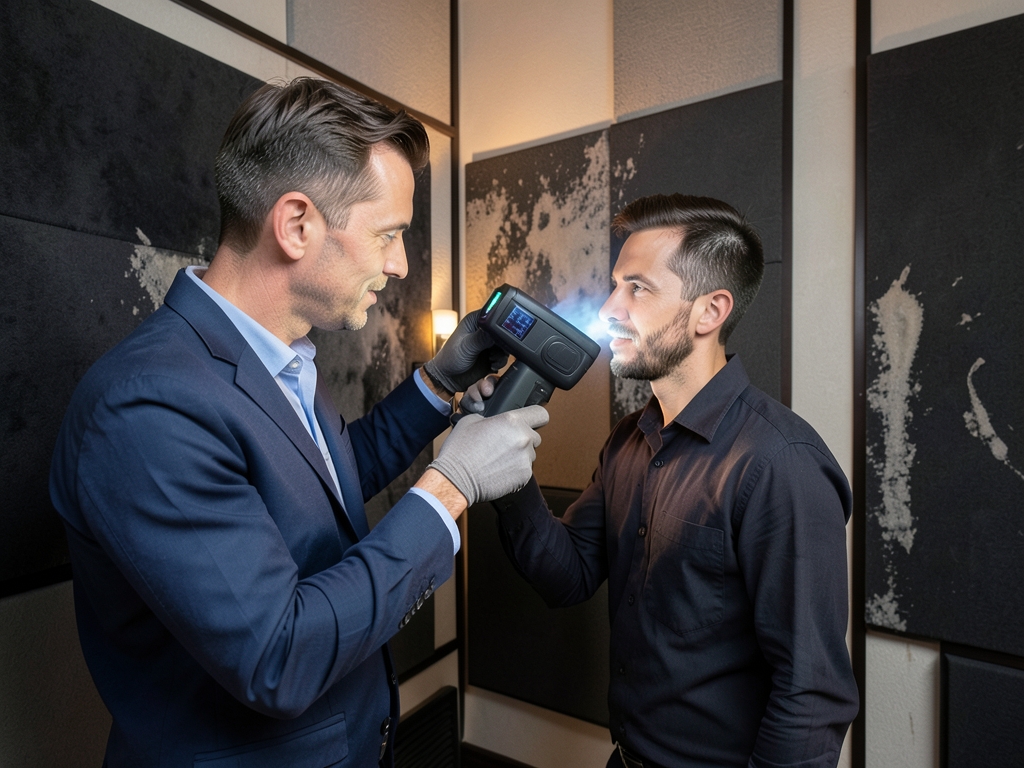
Saving Your Custom Home Theater Equipment After a Flood in Holmby Hills When water floods your custom home theater in Holmby Hills the damage goes beyond ruined carpets. High-end audio-visual equipment faces immediate electrical hazards…
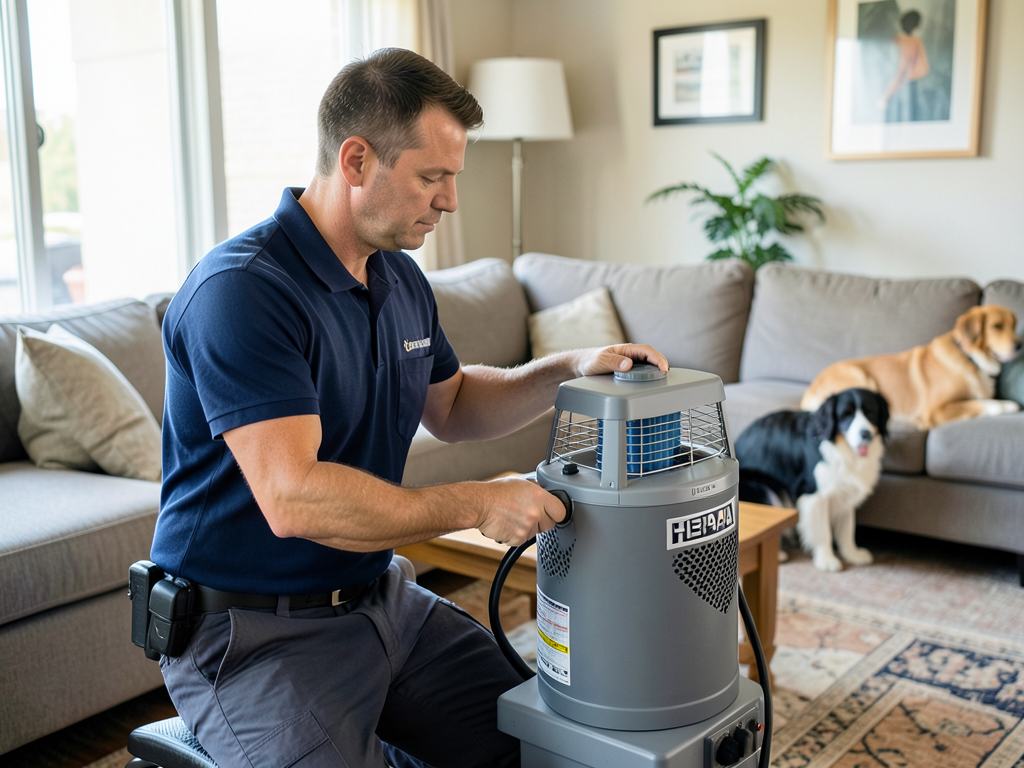
Keeping your pets safe and healthy during a major home drying project in Toluca Lake…
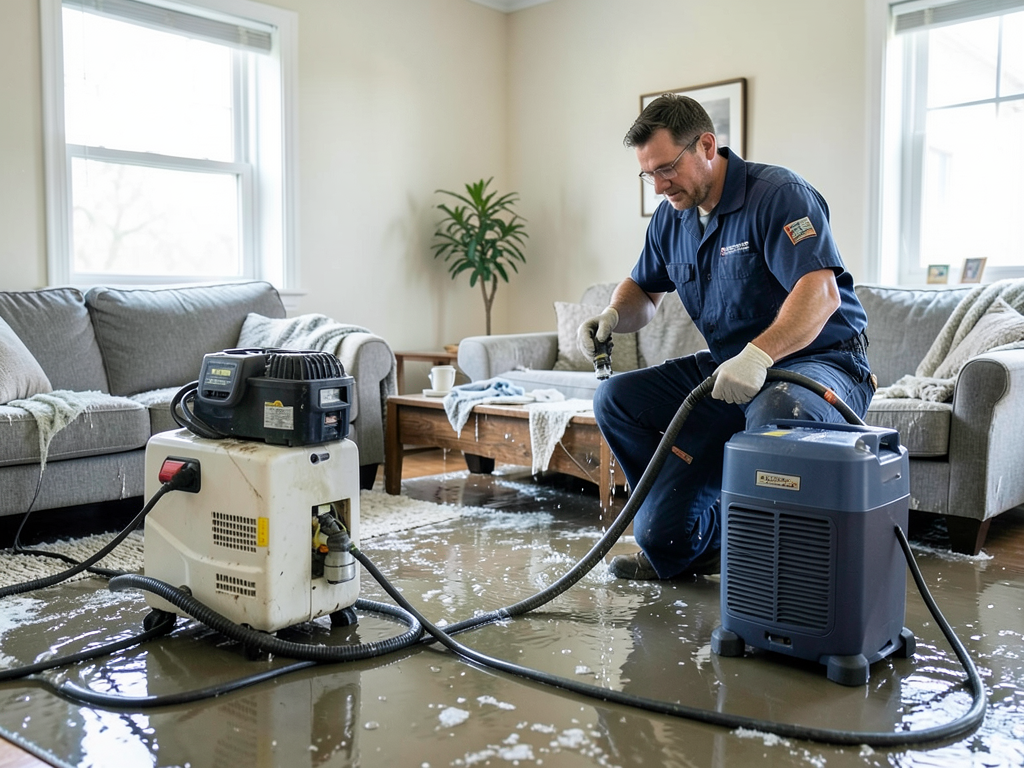
Legal and physical steps if your neighbor's pool overflow floods your Tarzana property Your neighbor's…
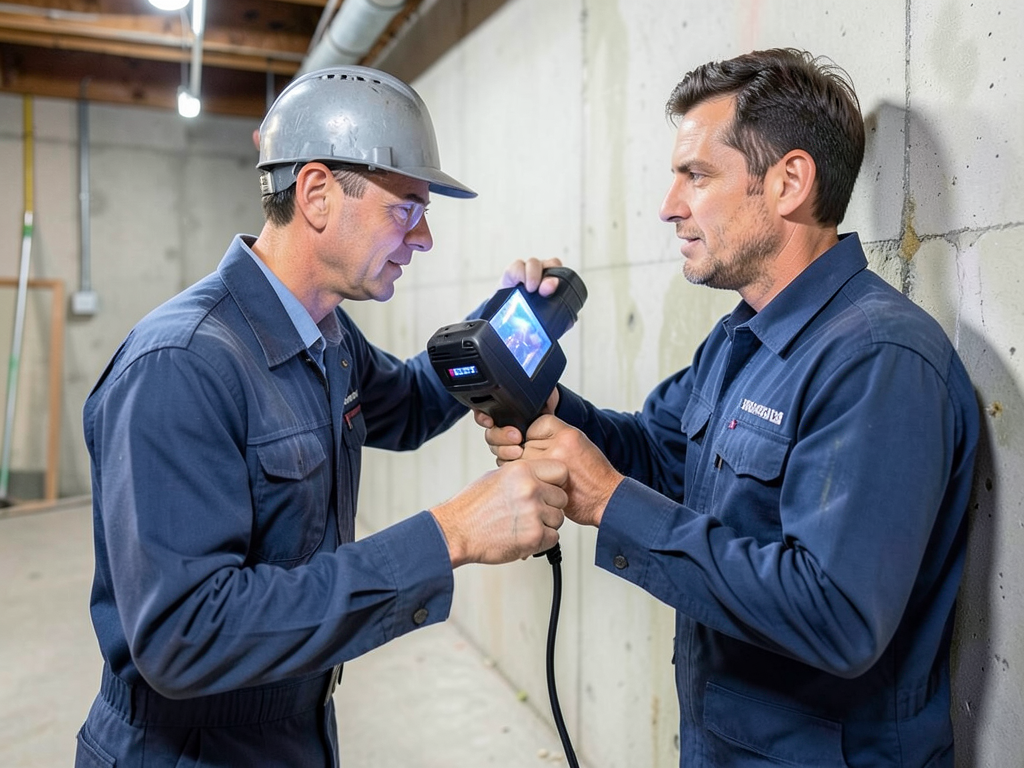
Investigating the source of a persistent damp smell in your historic South Central basement The…
Call United Water Damage Restoration Los Angeles now at (209) 255-2558 for immediate dispatch. Our crews are standing by 24/7 with extraction equipment and moisture detection tools. Every hour you wait allows water to spread deeper into your property and increases repair costs.