



menu

Office Building Water Restoration in Los Angeles – Minimize Downtime and Protect Your Bottom Line

When water infiltrates your commercial property, every hour of delay increases liability exposure and revenue loss. Our industrial-grade office building water restoration services in Los Angeles prioritize business continuity, code compliance, and rapid tenant reoccupancy.

Slider Image 1
Slider Image 2
Slider Image 3
Slider Image 4
Slider Image 5
Slider Image 7
Slider Image 8
Slider Image 9
Slider Image 10
Slider Image 11

Water Intrusion in Downtown LA Office Buildings Carries Immediate Financial Consequences

A burst pipe on the fifth floor of your Mid-Wilshire office building does not wait for convenient business hours. Water migrates through ceiling plenums, saturates drywall, and compromises electrical systems within minutes. In Los Angeles, where office vacancy rates remain competitive and tenant retention drives property value, extended closures translate directly to cash flow disruption.

The city's aging commercial infrastructure compounds risk. Many buildings in the Financial District and Arts District feature retrofitted plumbing systems layered over original 1920s construction. When supply lines fail or sewer backups occur, the volume of water overwhelms standard commercial building water extraction capabilities. Category 3 contamination from backed-up waste lines introduces biohazard protocols that require specialized handling.

Los Angeles building codes mandate specific drying standards for commercial property water mitigation. You cannot simply extract standing water and resume operations. Structural moisture content must reach documented thresholds before reconstruction begins, or you risk mold proliferation that triggers indoor air quality violations under California's Toxic Mold Protection Act.

Property managers in Century City and downtown LA face additional pressure from high-density tenant occupancy. A single water event can affect multiple lease agreements simultaneously. Insurance carriers scrutinize your response timeline. Delayed or inadequate business water damage repair creates subrogation exposure and increases premiums during renewal negotiations.

The cost of improper office water damage cleanup extends beyond immediate repairs. Unmitigated moisture creates long-term structural degradation in concrete subfloors and steel framing common to LA high-rises. What starts as a contained incident becomes a capital expenditure problem.

Water Intrusion in Downtown LA Office Buildings Carries Immediate Financial Consequences
Commercial Water Damage Restoration Requires Industrial Infrastructure and Code Expertise

Commercial Water Damage Restoration Requires Industrial Infrastructure and Code Expertise

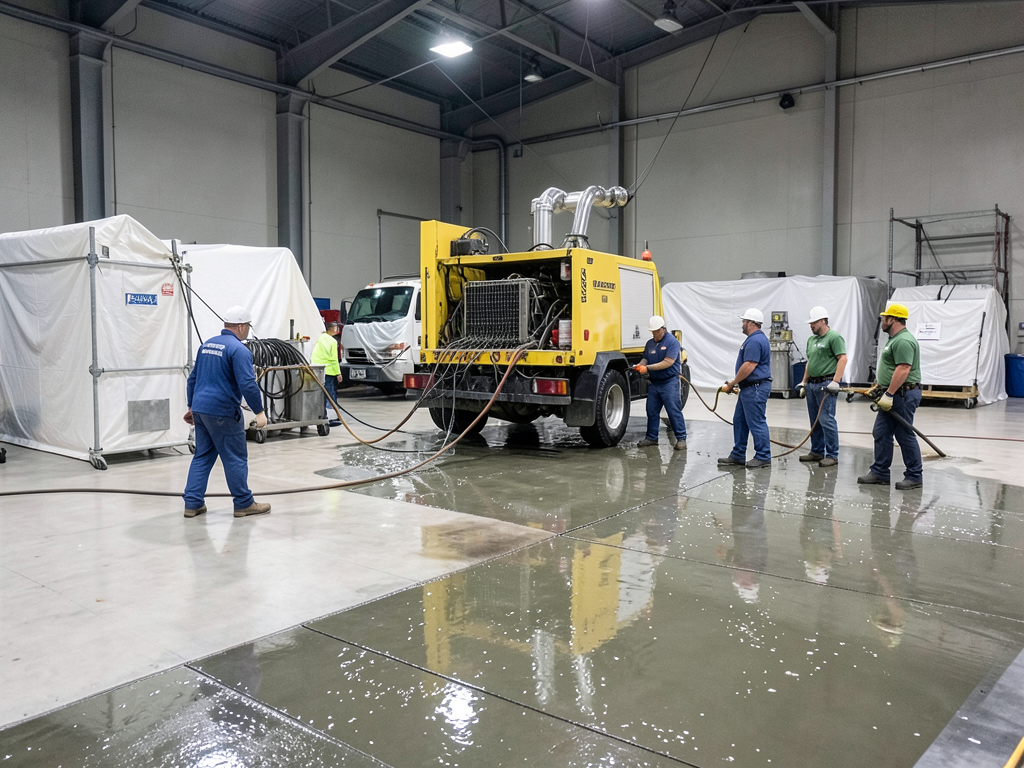
Office building water restoration in Los Angeles demands resources that residential-focused contractors cannot provide. We deploy truck-mounted extraction units capable of removing thousands of gallons per hour from below-grade parking structures and ground-floor retail spaces. Portable generators ensure continuous dehumidification when power must remain offline during electrical system inspections.

Our approach integrates thermal imaging documentation and moisture mapping across multi-floor affected areas. We establish containment barriers using negative air pressure systems to prevent cross-contamination between operational and affected zones. This allows your unaffected floors to maintain business operations while we execute commercial property water mitigation in isolated areas.

Every project begins with a loss assessment that identifies liability exposures. We document pre-existing conditions, photograph all affected materials, and create detailed equipment logs that satisfy insurance adjuster requirements. This documentation protects you during claims processing and provides evidence for potential subrogation recovery.

Material handling differs substantially in commercial applications. We coordinate with union labor requirements common to LA commercial properties. Asbestos-containing materials in older buildings require certified abatement before water-damaged ceiling tiles or flooring can be removed. Our teams hold California Department of Public Health certifications for regulated material handling.

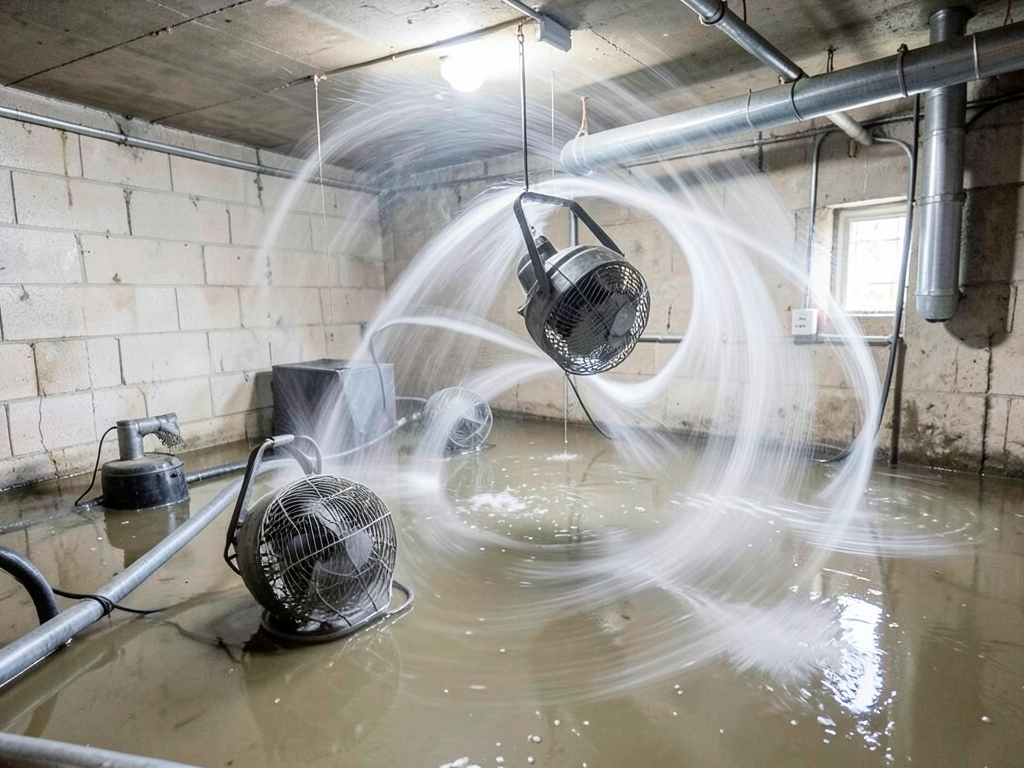
Drying protocols follow IICRC S500 standards adapted for commercial environments. We install desiccant dehumidifiers in server rooms requiring low-grain conditions. Air movers position according to airflow modeling that accounts for HVAC system interactions. Moisture readings occur at specified intervals with third-party verification available for high-value insurance claims.

The reconstruction phase integrates with your operational calendar. We schedule disruptive work during off-hours and coordinate with building engineers to maintain life safety systems throughout the project.

How Commercial Water Extraction and Restoration Unfolds in Your LA Office Building

Office Building Water Restoration in Los Angeles – Minimize Downtime and Protect Your Bottom Line
01

Emergency Response and Containment

Our dispatch coordinates with your building management to access affected areas and shut down water sources. We establish containment zones using physical barriers and negative air machines to isolate damage. Initial extraction removes standing water using truck-mounted pumps while project managers document loss scope. You receive a preliminary timeline and resource deployment plan within two hours of arrival.
02

Controlled Environment Drying

Industrial dehumidifiers and air movers create optimized drying conditions across affected zones. We monitor structural moisture content using penetrating meters and thermal cameras. Real-time data tracking shows drying progression and identifies hidden moisture in wall cavities or subfloors. This phase typically requires 72 to 96 hours depending on material saturation levels and building construction type.
03

Rebuild and Reoccupancy

Once moisture readings meet California building standards, reconstruction begins. We replace damaged drywall, ceiling systems, and flooring using commercial-grade materials that match existing specifications. Final inspections verify indoor air quality and structural integrity. You receive comprehensive documentation including material certifications and moisture verification reports required for your property files and insurance closure.

Why Los Angeles Commercial Property Owners Choose United Water Damage Restoration Los Angeles

Commercial water events require a different operational model than residential projects. We maintain equipment inventory sufficient to handle 50,000-square-foot simultaneous deployments. When a water main break floods your Bunker Hill office complex, you need a contractor with ten truck-mounted extractors and 200 commercial dehumidifiers in local inventory, not a crew scrambling to rent equipment from a supplier in Orange County.

Our project managers understand Los Angeles Department of Building and Safety requirements for commercial alterations. Water damage that affects structural elements triggers permit requirements. We coordinate inspections and maintain relationships with LADBS plan check staff who review our mitigation documentation. This prevents project delays caused by compliance gaps that less experienced contractors miss.

The city's commercial real estate market moves quickly. Property owners cannot afford extended tenant displacement. We staff projects with multiple crews working concurrent shifts to compress timelines. A business water damage repair that might take a general contractor three weeks gets completed in seven days through coordinated resource deployment.

Insurance carrier relationships matter in commercial claims. We maintain preferred vendor status with major commercial carriers writing policies in LA County. Our estimating uses Xactimate with commercial cost databases that adjusters accept without extensive negotiation. This accelerates payment and reduces your administrative burden during an already stressful situation.

Los Angeles's diverse building stock requires adaptable expertise. We have restored water damage in converted warehouse lofts in the Arts District, retrofitted concrete structures downtown, and modern glass office towers in Century City. Each building type presents unique challenges in water migration patterns and drying requirements. Our technicians recognize these variables and adjust protocols accordingly.

What Your Commercial Water Restoration Project Timeline Actually Looks Like

Immediate Dispatch and Rapid Mobilization

We maintain 24-hour dispatch for commercial emergencies throughout Los Angeles County. Your initial call triggers immediate crew mobilization with equipment staging completed within 90 minutes for properties in central LA. Weekend and holiday response operates at full capacity because water damage does not respect your business calendar. Our project managers provide hourly updates during the critical first 24 hours when containment decisions have the greatest impact on total loss scope. You receive direct mobile contact information for your assigned project lead, eliminating communication delays through receptionist routing.

Detailed Loss Assessment and Scope Definition

The assessment phase documents every affected material using calibrated moisture detection equipment. We test wood framing, concrete, drywall, and insulation to establish baseline readings that guide drying goals. Thermal imaging identifies moisture hidden behind wall finishes or above ceiling planes. You receive a written scope that itemizes affected materials, required equipment, estimated timeline, and code compliance requirements. This documentation serves as your insurance claim foundation and provides transparency into project costs before work expands beyond initial containment.

Verified Drying and Quality Standards

Completion occurs when structural moisture content reaches specific targets established by industry standards and confirmed through independent testing. We provide certified moisture reports showing measurement locations and final readings. All materials meet or exceed original building specifications. Replaced drywall, insulation, and finishes carry manufacturer certifications required for your property documentation. Indoor air quality testing verifies the absence of elevated mold spores or volatile organic compounds before we authorize reoccupancy. This protects you from liability claims related to inadequate restoration.

Post-Restoration Monitoring and Warranty Support

Reconstruction work includes material and workmanship coverage on all replaced components. We provide follow-up inspections at 30 and 90 days after project completion to verify continued stability. If new moisture issues develop related to our work scope, we return and resolve them without additional cost. You receive digital copies of all project documentation including moisture logs, equipment placement diagrams, and material invoices for your permanent property files. This record proves valuable during property sales, refinancing, or future insurance underwriting when loss history impacts premium calculations.

Frequently Asked Questions

You Have Questions,
We Have Answers

How much does a water restoration company charge? +

Commercial water restoration costs vary based on damage scope, water category, and structural complexity. Expect pricing to account for extraction, demolition, drying equipment, labor, and disposal. Office buildings in Los Angeles with multiple floors or tenant spaces increase project scale. Category 1 clean water incidents cost less than Category 3 sewage contamination, which requires full PPE and specialized protocols. Most restoration companies charge per square foot or hourly rates plus equipment rental. Request itemized estimates from licensed contractors familiar with Los Angeles commercial building codes. Your carrier may require multiple bids before approving work.

Does insurance pay for water restoration? +

Commercial property insurance typically covers sudden and accidental water damage, such as burst pipes or sprinkler malfunctions. Review your policy exclusions carefully. Gradual damage from deferred maintenance, seepage, or groundwater intrusion is commonly excluded. Los Angeles landlords with multi-tenant buildings should verify tenant improvement coverage and business interruption riders. File claims immediately with detailed documentation, including photos and incident reports. Carriers often require emergency mitigation within 24 to 48 hours to prevent secondary damage. Work with restoration contractors experienced in commercial insurance protocols to streamline adjuster coordination and approval.

Is water restoration worth it? +

For commercial properties, water restoration is critical to avoid compounding losses. Unmitigated water damage leads to structural deterioration, mold colonization within 48 hours, and extended tenant displacement. Los Angeles office buildings face liability exposure if moisture compromises electrical systems or creates unsafe conditions. Professional restoration preserves asset value, limits business interruption, and protects against code violations during inspections. Delaying restoration increases demolition scope and reconstruction costs exponentially. The investment protects your balance sheet, tenant relationships, and property marketability. Restoration contractors prevent small incidents from becoming total losses.

How profitable is water restoration? +

This question addresses business viability, not client ROI. Commercial water restoration companies maintain profitability through volume, repeat clients, and insurance partnerships. Margins depend on equipment utilization, labor efficiency, and regional demand. Los Angeles presents consistent revenue opportunities given aging infrastructure, seismic activity, and density. Property managers seeking restoration services should focus on contractor reliability, response time, and proper licensing rather than their profit structure. Choose vendors with IICRC certification, commercial experience, and carrier relationships to ensure your project stays on schedule and within budget parameters.

Do you need a license for water restoration? +

California requires contractors performing water restoration exceeding 500 dollars to hold a valid C-61 D-64 or B General Building license through the Contractors State License Board. Los Angeles enforces these requirements strictly. Technicians should carry IICRC certifications in Water Damage Restoration and Applied Structural Drying. Commercial projects demand additional expertise in containment, negative air pressure, and environmental controls. Always verify contractor license status, bonding, and general liability coverage before authorizing work. Unlicensed operators create legal exposure and void insurance claims. Protect your investment by engaging properly credentialed professionals familiar with Los Angeles commercial building standards.

Is water damage in walls covered by insurance? +

Insurance coverage for water damage inside walls depends on the source and policy terms. Sudden pipe ruptures or supply line failures typically qualify for coverage. Gradual seepage, condensation, or deferred maintenance issues are commonly excluded. Los Angeles commercial properties with outdated plumbing face higher denial rates. Carriers require immediate mitigation to prevent mold colonization behind drywall, which can trigger exclusions. Document the incident timeline thoroughly. Hidden water damage discovered during tenant improvements may not be covered if it predates the policy period. Review your commercial property policy endorsements and schedule regular building envelope inspections.

Is Servpro covered by insurance? +

Servpro is a national franchise network providing water restoration services. Whether insurance covers their work depends on your policy terms, not their brand. Carriers reimburse covered losses regardless of contractor choice. Los Angeles property managers should obtain multiple bids and verify any contractor's licensing, IICRC certifications, and insurance relationships before proceeding. Some adjusters have preferred vendor lists, but policyholders typically retain contractor selection rights. Focus on scope accuracy, response time, and commercial experience rather than brand recognition. Evaluate contractors based on their ability to minimize downtime and coordinate with your insurance adjuster efficiently.

Is mold considered category 3? +

Mold itself is not categorized by the three water damage classifications. Those categories describe water contamination levels. Category 1 is clean water, Category 2 contains contaminants, and Category 3 is grossly contaminated. Mold growth results from prolonged moisture exposure, regardless of the original water category. The IICRC S520 Standard governs mold remediation protocols separately from water restoration. Los Angeles buildings with mold colonization require containment, HEPA filtration, and proper disposal procedures. Insurance coverage for mold is typically capped at low limits unless you purchased separate endorsements. Address water damage immediately to prevent fungal amplification.

What kind of water damage is not covered by insurance? +

Commercial property policies exclude water damage from floods, groundwater seepage, sewer backups without endorsements, gradual leaks, and maintenance-related failures. Los Angeles properties near the Los Angeles River or in low-lying areas require separate flood insurance through NFPA. Damage from tenant negligence may trigger subrogation. Earth movement, including seismic activity causing pipe breaks, falls under earthquake coverage exclusions. Cosmetic damage like peeling paint from humidity may not meet claim thresholds. Review your declarations page for specific exclusions and consider endorsements for sewer backup, equipment breakdown, and ordinance or law coverage upgrades.

How long does water restoration take? +

Commercial water restoration timelines depend on damage extent, building size, and structural complexity. Emergency extraction and equipment placement occur within hours. Drying office buildings typically requires three to seven days of continuous dehumidification and air movement. Los Angeles humidity levels influence evaporation rates. Multi-story properties with affected elevator shafts or mechanical rooms extend timelines. Reconstruction follows drying and ranges from days to weeks based on finishes and permitting. Business interruption increases with delays. Engage contractors who provide daily moisture readings and maintain clear communication with your project manager to minimize tenant displacement and revenue loss.

How LA's High Water Table and Aging Infrastructure Impact Office Building Water Restoration

Los Angeles sits above groundwater aquifers that create elevated hydrostatic pressure against below-grade structures. Combined with the city's aging municipal water infrastructure, commercial buildings face increased risk of foundation seepage and catastrophic pipe failures. The 2022 UCLA campus flood demonstrated how quickly a single failed 90-year-old water main can release millions of gallons into underground parking and basement mechanical rooms. Office buildings constructed before 1985 often lack adequate waterproofing membranes, allowing moisture intrusion during seasonal water table fluctuations. This geographic reality makes commercial property water mitigation more complex than in newer construction markets.

Southern California commercial contractors must navigate stricter moisture standards due to the region's mold litigation history. Los Angeles County courts have established precedent holding property owners liable for tenant health issues related to inadequate water damage response. Our crews train specifically on California's Title 24 requirements and Los Angeles Municipal Code provisions governing commercial building moisture control. We maintain relationships with industrial hygienists and structural engineers licensed in California who provide third-party verification when high-value properties require additional technical oversight. This local regulatory knowledge prevents compliance gaps that create future liability exposure.
Water Damage Restoration Services in The Los Angeles Area

United Water Damage Restoration Los Angeles is proud to service the entire Los Angeles area and surrounding communities. View our central location on the map to see our strategic positioning, which enables us to provide our guaranteed rapid response times across the region. If you need immediate assistance, please do not drive to our office; instead, call our 24/7 emergency hotline, and our fully-equipped team will be dispatched directly to your property without delay.

Address:
United Water Damage Restoration Los Angeles, 5800 S Eastern Ave, Los Angeles, CA, 90040

Additional Services We Offer

Our news updates

Latest Articles & News from The Blogs

What to Do When Your Wilmington Water Heater Floods Your Laundry Room A leaking water heater can release 40 to…

What to Do When Your Wilmington Water Heater Floods Your Laundry Room

What to Do When Your Wilmington Water Heater Floods Your Laundry Room A leaking water heater can release 40 to…

Getting Your West Hills Home Ready for the Los Angeles Rainy Season

Getting Your West Hills Home Ready for the Los Angeles Rainy Season The Santa Susana Mountains loom over West Hills…

Common Plumbing Problems in Miracle Mile Older Condo Buildings

Common Plumbing Problems in Miracle Mile Older Condo Buildings Miracle Mile’s charming historic condo buildings come with unique plumbing challenges…

Contact Us

Water damage escalates rapidly in commercial properties. Every hour of delay increases repair costs and business interruption exposure. Call United Water Damage Restoration Los Angeles now at (209) 255-2558 for immediate dispatch and loss assessment. Our commercial crews operate 24 hours daily across Los Angeles County.