



Huntington Park sits in the flat basin of southeastern Los Angeles County, where aging infrastructure and high water tables create perfect conditions for water intrusion. Many properties near Pacific Boulevard and Slauson Avenue were built between the 1920s and 1950s, which means older plumbing systems prone to burst pipes and slab leaks. The area's proximity to the Los Angeles River increases humidity levels, making properties in neighborhoods around Gage Avenue and Salt Lake Park vulnerable to mold growth after even minor leaks.
Southern California's occasional heavy winter rains overwhelm storm drains in this dense urban area, causing street flooding that can seep into ground-floor units and garages. Multi-family buildings common throughout Huntington Park mean one unit's water heater failure or washing machine overflow can flood multiple residences. The city's dense construction leaves little space between structures, so water from one property spreads quickly to adjacent homes and businesses. Add in flat roofs common on commercial buildings along Pacific Boulevard, and you have standing water that penetrates roofing membranes. These conditions demand immediate response and professional water removal to prevent structural damage and dangerous mold colonization.
When water floods your Huntington Park property, you need a team that arrives fast, works efficiently, and understands how to navigate insurance claims without adding stress to your emergency. United Water Damage Restoration Los Angeles has built our reputation on speed and thoroughness. We keep fully equipped trucks stationed throughout Los Angeles County, which means we reach Huntington Park properties in under 60 minutes for most emergencies.
Our technicians know the specific challenges Huntington Park properties face. We've dried out flooded apartments near Salt Lake Park, restored water-damaged businesses along Pacific Boulevard, and handled countless burst pipe emergencies in older homes throughout the city. This experience matters because water damage restoration isn't just about removing water. It's about understanding how water travels through older building materials, where moisture hides in wall cavities, and how to dry structures completely to prevent mold growth in Huntington Park's humid climate.
We own our extraction and drying equipment outright, which means we're never waiting on rentals or subcontractors when you call. Our industrial dehumidifiers, air movers, and moisture detection tools are ready to deploy immediately. We also employ IICRC-certified water damage technicians who follow strict protocols for containment, extraction, drying, and restoration. Most importantly, we handle insurance documentation from day one. We photograph damage, create detailed moisture maps, and communicate directly with adjusters so you're not stuck playing middleman during a crisis. We know what insurance companies require for claims approval, and we document everything correctly the first time.

We dispatch to Huntington Park water emergencies 24/7 with under 60-minute arrival times. Our trucks stay fully stocked with extraction pumps, industrial dehumidifiers, air movers, and moisture detection equipment so we start mitigation the moment we arrive. Fast response stops water from spreading and prevents secondary damage that increases restoration costs.

We handle documentation, communicate directly with adjusters, and create detailed damage reports that insurance companies accept without dispute. You won't spend hours on the phone explaining technical details or fighting for coverage. We know what insurers require and document everything properly from the start, which speeds up claims approval and gets you paid faster.
Every technician on our team holds current IICRC certification in water damage restoration. This means they follow industry standards for extraction, drying, antimicrobial treatment, and structural restoration. We don't guess at moisture levels or drying times. We use calibrated meters, follow documented protocols, and verify complete dryness before closing any job.
We've restored properties throughout Huntington Park and understand the unique challenges older construction presents. We know how water behaves in homes near the Los Angeles River, how humidity affects drying times, and which building materials require specialized treatment. This local experience means faster diagnosis and more effective restoration for your specific property type.
Water damage restoration involves multiple specialized phases, each requiring different equipment and expertise. United Water Damage Restoration Los Angeles handles every step from emergency water extraction through final reconstruction. We don't just remove standing water and call it done. We dry structural materials completely, treat for microbial growth, repair damaged building components, and restore your property to pre-loss condition.
Our services cover all water damage scenarios Huntington Park properties face. We handle sudden catastrophic events like burst pipes and sewage backups that flood properties in minutes. We also address slow leaks that cause hidden damage over weeks or months, which often creates worse problems because moisture saturates materials and allows mold to colonize before anyone notices. Whether you're dealing with a washing machine overflow in a Pacific Boulevard apartment or roof leak damage in a commercial building near Gage Avenue, we have the equipment and training to restore it properly.
We separate our services into three main categories based on the type of water involved and the restoration approach required. Clean water damage requires different handling than contaminated water. Emergency mitigation uses different techniques than reconstruction. Understanding these distinctions helps you know what to expect when you call us.
Emergency mitigation stops water damage from spreading and prevents secondary issues like mold growth. We extract standing water using truck-mounted pumps and portable extractors, then set up industrial dehumidifiers and air movers to dry structural materials. We monitor moisture levels daily using calibrated meters and adjust equipment placement until materials reach acceptable dryness. This phase includes containment setup to isolate affected areas, antimicrobial treatment to prevent mold, and content manipulation to improve airflow around furniture and belongings.
Sewage backups and contaminated water require specialized handling to protect occupant health. We remove contaminated materials following EPA and OSHA protocols, sanitize all affected surfaces with hospital-grade disinfectants, and dispose of contaminated waste properly. Our technicians wear appropriate PPE and establish negative air pressure in work areas to prevent cross-contamination. We treat all porous materials that contacted sewage as non-salvageable and remove them completely. Hard surfaces undergo multi-stage cleaning and disinfection before we allow reoccupancy.
After drying and sanitization, we rebuild damaged areas to pre-loss condition. This includes drywall replacement, flooring installation, cabinet reconstruction, painting, and trim work. We handle everything from minor repairs like replacing a section of water-damaged baseboard to major reconstruction like rebuilding entire bathrooms after pipe failures. Our crews match existing finishes and materials so repairs blend seamlessly. We also coordinate with specialty trades for electrical and plumbing repairs when water damage affects building systems.
Huntington Park's older housing stock and aging infrastructure create specific water damage vulnerabilities. Properties built before 1960 often have galvanized steel pipes that corrode from inside, causing pinhole leaks and sudden pipe failures. Multi-family buildings common throughout the city mean shared plumbing systems where one unit's problem becomes everyone's emergency. Flat roofs on commercial structures along Pacific Boulevard accumulate standing water that finds any crack or seam in roofing membranes.
The area's high density leaves little space between buildings, so water damage spreads quickly from one property to adjacent structures. Winter storms overwhelm aging storm drains, causing street flooding that enters ground-floor units and garages near Gage Avenue and Salt Lake Park. Properties near the Los Angeles River face elevated humidity year-round, which accelerates mold growth after any water intrusion. Understanding these common problems helps you recognize warning signs before minor leaks become major disasters.
Old galvanized pipes in Huntington Park homes corrode and fail without warning, flooding properties in minutes. Water pressure forces hundreds of gallons through ceilings, walls, and floors before anyone can shut off the main valve. These sudden failures require immediate extraction and drying to prevent structural damage and mold colonization in wall cavities and subfloors.
Many Huntington Park homes have copper pipes embedded in concrete foundation slabs. When these pipes develop pinhole leaks, water saturates soil beneath the foundation and wicks up into flooring and walls. You might notice warm spots on floors, unexplained water bills, or musty odors before seeing visible damage. By then, moisture has compromised flooring and created mold.
Heavy winter rains overwhelm Huntington Park's aging storm drain system, causing street flooding that enters ground-floor units through doors, windows, and cracks. This contaminated water carries street debris, chemicals, and bacteria. It requires specialized cleanup beyond basic water extraction. Properties near low points and intersections face the highest risk during storm events.
Water from one apartment spreads to units below and beside it through shared walls, ceilings, and plumbing chases. A second-floor washing machine overflow or water heater failure can damage three or four units before anyone stops the source. These situations require coordination between multiple property owners and insurance companies, plus extensive drying to reach moisture trapped in shared building assemblies.
Water damage creates chaos and stress. You're dealing with flooded rooms, damaged belongings, and the fear of escalating costs while water continues spreading. When you call United Water Damage Restoration Los Angeles, we take control of the situation immediately. You'll speak with an experienced technician who asks specific questions about your water source, affected areas, and property access. We dispatch a crew within minutes and give you an accurate arrival time.
Our first priority is stopping water at its source and extracting standing water to prevent further damage. We then assess the full scope of damage using moisture meters and thermal imaging cameras to find hidden water in walls and subfloors. We explain what we find in plain language and outline the restoration process step by step. You'll know exactly what happens next, how long it takes, and what results to expect. We don't use technical jargon or surprise you with unexpected costs. Everything gets documented and photographed for insurance claims before we begin work.
You'll receive direct phone numbers for your project manager and lead technician. We answer calls and texts promptly because we know you need updates during a stressful situation. We provide realistic timelines for each phase of restoration based on moisture readings and material drying rates, not guesswork. If conditions change or we discover additional damage, we notify you immediately with photos and explanations before proceeding with additional work.
We bring professional-grade extraction pumps, industrial dehumidifiers, high-velocity air movers, and calibrated moisture detection equipment to every job. Our technicians follow IICRC S500 standards for water damage restoration, which means documented protocols for extraction, drying, antimicrobial treatment, and verification. We monitor moisture levels daily and provide written documentation showing your property reaches acceptable dryness before we remove equipment or begin reconstruction.
We don't leave your property with exposed studs and torn-out drywall. Our crews handle complete reconstruction from framing through finish painting. We match existing materials and finishes so repairs blend seamlessly with undamaged areas. Before we call any job complete, we verify moisture levels in all affected materials, check for any lingering odors, and inspect all repairs for quality. You get a fully restored property, not a half-finished mitigation job.
We follow a proven three-phase approach that addresses immediate damage, ensures complete drying, and restores your property to pre-loss condition. This systematic process prevents the common mistakes that lead to mold growth and failed insurance claims.
We arrive at your Huntington Park property in under 60 minutes with truck-mounted extraction equipment ready to deploy. Our first action is stopping water at its source if it's still flowing. We then extract all standing water using powerful pumps and extractors. We remove soaked materials that can't be saved like saturated carpet padding and water-logged drywall. We set up containment barriers to isolate affected areas and prevent water from spreading to dry zones. This phase happens fast because every minute water sits, damage increases.
We position industrial dehumidifiers and air movers strategically to dry structural materials completely. This isn't about making surfaces feel dry. We use moisture meters to measure water content deep in wood framing, concrete, and other building materials. We monitor and document moisture levels daily, adjusting equipment placement and settings based on readings. We apply antimicrobial treatments to prevent mold growth during the drying process. This phase continues until all materials reach verified dry standards, which typically takes three to five days depending on the extent of saturation.
Once materials are completely dry and verified, we begin rebuilding damaged areas. We replace drywall, install new flooring, rebuild cabinets, and complete all finish work including painting and trim. We match existing materials and finishes so repairs integrate seamlessly with undamaged areas. We conduct a final walkthrough with you to verify quality and address any concerns. You get detailed documentation of all work completed for your insurance claim and your records.
Professional water damage restoration follows strict industry standards established by the Institute of Inspection, Cleaning and Restoration Certification. The IICRC S500 Standard guides every decision we make about extraction, drying, and restoration. These standards exist because water damage restoration is a science, not just common sense.
Water damage falls into three categories based on contamination level. Category 1 is clean water from supply lines or rainwater that hasn't contacted contaminated surfaces. Category 2 is gray water containing chemical or biological contamination like washing machine overflow or toilet bowl water without feces. Category 3 is black water from sewage backups, flooding from rivers or streams, or any water that has stood long enough to support bacterial growth. Each category requires different handling protocols and safety equipment.
We also classify damage into four classes based on evaporation rate and affected materials. Class 1 affects only part of a room with minimal moisture absorption into materials. Class 2 affects an entire room with significant moisture absorption into walls and flooring. Class 3 involves the fastest evaporation rate with water coming from overhead and saturating walls, ceilings, floors, and contents. Class 4 involves specialty drying situations like hardwood floors, plaster, or concrete that require prolonged drying times and specialized equipment.
Drying isn't about eliminating visible water. It's about reducing moisture content in building materials to levels that won't support microbial growth. Wood framing should reach 15 percent moisture content or less. Drywall should reach 12 percent or less. We measure these levels using penetrating moisture meters and verify readings daily. We calculate grain depression using psychrometric measurements to ensure air conditions support continued drying. This technical approach prevents the mold growth that occurs when contractors rely on surface dryness and pull equipment too early.
The IICRC S500 Standard establishes specific moisture content goals for different building materials and defines proper drying techniques for each damage class. We follow these standards to ensure complete drying that prevents mold growth. Our technicians document moisture readings daily and maintain detailed drying logs that insurance companies and property owners can verify. This systematic approach eliminates guesswork and ensures proper restoration.
Restoration costs depend on water category, damage class, affected square footage, and materials that require replacement. Category 3 contaminated water costs more to remediate because it requires specialized disposal and sanitization. Class 4 specialty drying situations require longer equipment rental periods. Hardwood floor drying costs more than carpet drying. Most insurance policies cover water damage restoration when damage is sudden and accidental, but coverage varies by policy and water source.
Structural drying takes three to five days for most residential water damage when we use proper equipment and monitor moisture levels daily. Hardwood floors may require seven to ten days. Concrete slabs can take two weeks or more. Anyone who promises same-day drying is removing equipment before materials reach safe moisture levels. We keep equipment in place until calibrated moisture meters confirm complete dryness, not when surfaces feel dry to touch.
California requires water damage restoration contractors to hold appropriate licenses for the work performed. We maintain general contractor licensing, full liability insurance, and workers compensation coverage. This protects property owners from liability if technicians are injured on site. We also carry pollution liability insurance that covers mold remediation. Always verify licensing and insurance before allowing any contractor to begin work on your property.
Professional water damage restoration process demonstration for Huntington Park properties. This video covers emergency water extraction techniques, structural drying protocols, moisture monitoring procedures, and mold prevention strategies. Viewers learn why rapid response matters for older properties common in Huntington Park, how IICRC-certified technicians approach water removal and drying, and what complete restoration includes from emergency mitigation through reconstruction.
United Water Damage Restoration Los Angeles serves every neighborhood throughout Huntington Park and maintains rapid response capability across southeastern Los Angeles County. We respond to emergencies in the residential areas near Salt Lake Park, where older single-family homes face slab leak and plumbing issues common to properties built in the 1940s and 1950s. We handle frequent callouts to multi-family buildings along Pacific Boulevard and Slauson Avenue, where shared plumbing systems create complex water damage scenarios affecting multiple units.
Properties in the Gage Avenue commercial corridor face different water damage challenges. Flat-roof commercial buildings accumulate standing water during winter storms, leading to roof leaks that saturate ceiling materials and damage inventory. We've restored retail spaces, restaurants, and office buildings throughout this area, working overnight when necessary to minimize business disruption. Our experience with commercial properties means we understand the urgency of getting businesses operational quickly.
The neighborhoods south of Florence Avenue toward Bell include a mix of older homes and apartment complexes where aging infrastructure creates ongoing water damage risks. We've handled everything from washing machine overflows in ground-floor apartments to major pipe failures in homes near Randolph Street. Properties in these areas often have galvanized steel plumbing that corrodes from inside, causing sudden failures that flood multiple rooms before anyone can locate the main shut-off valve.
We also serve communities immediately surrounding Huntington Park, including Bell, Bell Gardens, South Gate, and Cudahy. Water damage doesn't respect city boundaries, and neither does our service area. We maintain the same rapid response times throughout southeastern Los Angeles County because our trucks are strategically positioned for maximum coverage. Properties near major corridors like I-710 and I-110 get the same fast service as homes in central Huntington Park.
The proximity to the Los Angeles River affects humidity levels throughout the area, which influences our drying protocols. We adjust equipment placement and dehumidification capacity based on ambient humidity to ensure complete structural drying. This local knowledge comes from years of experience restoring properties in these specific neighborhoods. We understand how water behaves in different building types common to each area, which materials require specialized treatment, and how local conditions affect drying times and mold risk.
Water damage restoration in Huntington Park typically takes 3 to 7 days for most residential properties. Minor damage affecting one room takes 3 to 4 days. Extensive flooding or structural damage extends the timeline to 2 weeks or more. The process includes water extraction, drying, cleaning, and repairs. Drying alone requires 3 to 5 days depending on humidity levels and materials affected. Your restoration company provides a specific timeline after inspecting your property. Faster response times lead to shorter restoration periods.
Water damage restoration expenses in Huntington Park vary based on damage severity and affected area size. Small jobs involving one room start lower, while whole-home flooding runs higher. Factors affecting price include water category, extraction requirements, drying equipment needed, and structural repairs. Most restoration companies offer free inspections and detailed estimates. Your homeowners insurance often covers sudden water damage incidents. Get multiple quotes from local certified companies. Emergency services and after-hours calls typically add to the base rate.
Most homeowners insurance policies in Huntington Park cover sudden and accidental water damage. This includes burst pipes, appliance malfunctions, and roof leaks from storms. Your policy typically excludes flood damage, which requires separate flood insurance. Gradual damage from maintenance neglect usually gets denied. Review your policy details and contact your insurance agent immediately after discovering damage. Document everything with photos and videos. Most restoration companies help navigate the claims process and work directly with your insurance adjuster.
Water damage restoration in Huntington Park typically takes 3 to 7 days for most residential properties. Minor damage affecting one room takes 3 to 4 days. Extensive flooding or structural damage extends the timeline to 2 weeks or more. The process includes water extraction, drying, cleaning, and repairs. Drying alone requires 3 to 5 days depending on humidity levels and materials affected. Your restoration company provides a specific timeline after inspecting your property. Faster response times lead to shorter restoration periods.
Water damage restoration expenses in Huntington Park vary based on damage severity and affected area size. Small jobs involving one room start lower, while whole-home flooding runs higher. Factors affecting price include water category, extraction requirements, drying equipment needed, and structural repairs. Most restoration companies offer free inspections and detailed estimates. Your homeowners insurance often covers sudden water damage incidents. Get multiple quotes from local certified companies. Emergency services and after-hours calls typically add to the base rate.
Most homeowners insurance policies in Huntington Park cover sudden and accidental water damage. This includes burst pipes, appliance malfunctions, and roof leaks from storms. Your policy typically excludes flood damage, which requires separate flood insurance. Gradual damage from maintenance neglect usually gets denied. Review your policy details and contact your insurance agent immediately after discovering damage. Document everything with photos and videos. Most restoration companies help navigate the claims process and work directly with your insurance adjuster.
Choose a water damage restoration company in Huntington Park by verifying their certifications from IICRC or similar organizations. Check online reviews on Google and Yelp for customer experiences. Confirm they offer 24/7 emergency services and respond quickly. Ask about their experience with your specific damage type. Request references from recent local jobs. Verify they use professional-grade equipment and follow industry standards. Select companies familiar with California building codes and local permit requirements. Compare detailed written estimates from at least three companies before deciding.
Hidden water damage signs in Huntington Park homes include musty odors indicating trapped moisture and mold growth. Look for water stains on ceilings, walls, or floors appearing as discolored patches. Peeling or bubbling paint and wallpaper signal moisture behind surfaces. Warped or buckled flooring means water reached subflooring. Feel for soft spots in walls or floors. Listen for dripping sounds behind walls. Check for increased humidity levels and condensation on windows. Higher water bills without explanation suggest hidden leaks.
Whether you stay home during water damage restoration in Huntington Park depends on damage severity and location. Minor restoration affecting one bathroom or small area allows you to stay. Extensive damage requiring multiple rooms, floors, or major structural work makes staying uncomfortable or unsafe. Health concerns like sewage contamination or mold growth require temporary relocation. Loud drying equipment runs continuously for days. Your restoration company assesses safety and provides recommendations. Some insurance policies cover temporary housing expenses during major restoration projects.
Call for water damage restoration in Huntington Park immediately after discovering water damage. Contact professionals within the first hour if possible. Water spreads quickly through floors, walls, and belongings. Mold begins growing within 24 to 48 hours in damp conditions. Delayed response increases structural damage and restoration expenses. Quick action saves more belongings and reduces drying time. Most restoration companies offer 24/7 emergency response for urgent situations. Even small leaks require prompt attention to prevent hidden damage.
Water damage restoration in Huntington Park CA follows a structured process. First, technicians inspect and assess damage extent and category. They extract standing water using pumps and vacuums. Industrial dehumidifiers and air movers dry affected areas completely. Technicians monitor moisture levels daily until materials reach normal readings. Cleaning and sanitizing removes contaminants and prevents mold. Final steps include repairs to drywall, flooring, and structural elements. The company documents everything for insurance purposes and provides completion certificates.
Most water damage restoration companies in Huntington Park work directly with insurance providers. They understand claim procedures and documentation requirements. Companies typically provide detailed estimates and photo documentation your insurer needs. Many offer direct billing to your insurance company after you pay the deductible. They communicate with adjusters throughout the restoration process. This partnership speeds up claims approval and payment. Ask your chosen company about their insurance experience before starting work. Keep copies of all documentation for your records.
Prevent mold after water damage in your Huntington Park property by acting within 24 to 48 hours. Remove standing water immediately and increase air circulation with fans. Run dehumidifiers to reduce humidity below 60 percent. Remove wet carpets, padding, and porous materials you cannot dry quickly. Clean and disinfect all affected surfaces. Monitor humidity levels for weeks after the incident. Fix the water source to prevent recurrence. Professional restoration companies use antimicrobial treatments and ensure complete drying to stop mold growth.
Choose a water damage restoration company in Huntington Park by verifying their certifications from IICRC or similar organizations. Check online reviews on Google and Yelp for customer experiences. Confirm they offer 24/7 emergency services and respond quickly. Ask about their experience with your specific damage type. Request references from recent local jobs. Verify they use professional-grade equipment and follow industry standards. Select companies familiar with California building codes and local permit requirements. Compare detailed written estimates from at least three companies before deciding.
Hidden water damage signs in Huntington Park homes include musty odors indicating trapped moisture and mold growth. Look for water stains on ceilings, walls, or floors appearing as discolored patches. Peeling or bubbling paint and wallpaper signal moisture behind surfaces. Warped or buckled flooring means water reached subflooring. Feel for soft spots in walls or floors. Listen for dripping sounds behind walls. Check for increased humidity levels and condensation on windows. Higher water bills without explanation suggest hidden leaks.
Whether you stay home during water damage restoration in Huntington Park depends on damage severity and location. Minor restoration affecting one bathroom or small area allows you to stay. Extensive damage requiring multiple rooms, floors, or major structural work makes staying uncomfortable or unsafe. Health concerns like sewage contamination or mold growth require temporary relocation. Loud drying equipment runs continuously for days. Your restoration company assesses safety and provides recommendations. Some insurance policies cover temporary housing expenses during major restoration projects.
Call for water damage restoration in Huntington Park immediately after discovering water damage. Contact professionals within the first hour if possible. Water spreads quickly through floors, walls, and belongings. Mold begins growing within 24 to 48 hours in damp conditions. Delayed response increases structural damage and restoration expenses. Quick action saves more belongings and reduces drying time. Most restoration companies offer 24/7 emergency response for urgent situations. Even small leaks require prompt attention to prevent hidden damage.
Water damage restoration in Huntington Park CA follows a structured process. First, technicians inspect and assess damage extent and category. They extract standing water using pumps and vacuums. Industrial dehumidifiers and air movers dry affected areas completely. Technicians monitor moisture levels daily until materials reach normal readings. Cleaning and sanitizing removes contaminants and prevents mold. Final steps include repairs to drywall, flooring, and structural elements. The company documents everything for insurance purposes and provides completion certificates.
Most water damage restoration companies in Huntington Park work directly with insurance providers. They understand claim procedures and documentation requirements. Companies typically provide detailed estimates and photo documentation your insurer needs. Many offer direct billing to your insurance company after you pay the deductible. They communicate with adjusters throughout the restoration process. This partnership speeds up claims approval and payment. Ask your chosen company about their insurance experience before starting work. Keep copies of all documentation for your records.
Prevent mold after water damage in your Huntington Park property by acting within 24 to 48 hours. Remove standing water immediately and increase air circulation with fans. Run dehumidifiers to reduce humidity below 60 percent. Remove wet carpets, padding, and porous materials you cannot dry quickly. Clean and disinfect all affected surfaces. Monitor humidity levels for weeks after the incident. Fix the water source to prevent recurrence. Professional restoration companies use antimicrobial treatments and ensure complete drying to stop mold growth.
United Water Damage Restoration Los Angeles is proud to service the entire Los Angeles area and surrounding communities. View our central location on the map to see our strategic positioning, which enables us to provide our guaranteed rapid response times across the region. If you need immediate assistance, please do not drive to our office; instead, call our 24/7 emergency hotline, and our fully-equipped team will be dispatched directly to your property without delay.
Address:
Huntington Park, CA, 90255

Restoring a Flooded Medical Clinic in Century City Without Compromising Patient Privacy or Sterile Zones When water floods a medical clinic in Century City the stakes go far beyond wet carpets. Patient records must stay…
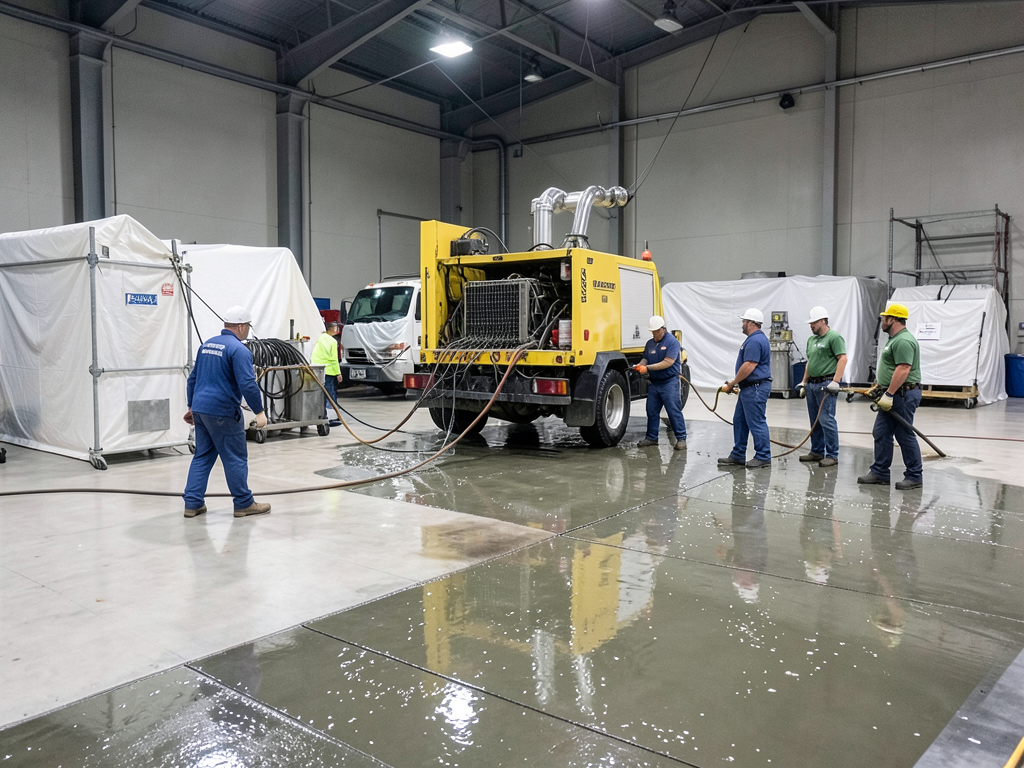
Water Damage Mitigation Strategies for Sound Stages and Production Facilities in Burbank Burbank's entertainment industry…
Removing Yellow Water Stains from the Luxury Marble in Your Beverly Hills Bathroom\n\nYour marble bathroom…
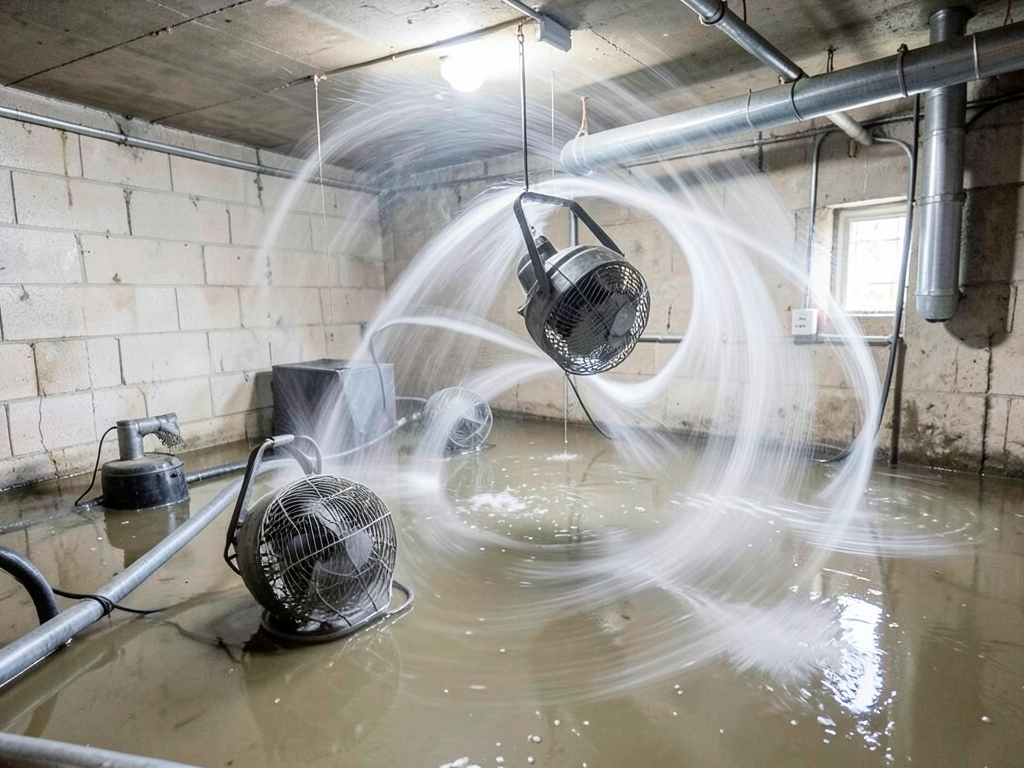
Why Household Fans Are Not Enough to Dry Out a Flooded Basement in Hollywood Hills…
Don't let water damage spread while you search for help. United Water Damage Restoration Los Angeles responds to Huntington Park emergencies 24/7 with under 60-minute arrival times. Call (209) 255-2558 now for immediate dispatch. Our trucks are fully equipped and ready to extract water, dry your property, and handle insurance claims from start to finish.