



menu

Carpet Water Extraction in Los Angeles – Same-Day Service to Stop Mold Growth and Structural Damage

Professional carpet water extraction across Los Angeles County using truck-mounted equipment and moisture detection technology to remove standing water, prevent microbial growth, and restore your flooring fast.

Slider Image 1
Slider Image 2
Slider Image 3
Slider Image 4
Slider Image 5
Slider Image 7
Slider Image 8
Slider Image 9
Slider Image 10
Slider Image 11

Why Los Angeles Carpets Hold Water Longer Than You Think

Los Angeles averages 15 inches of rain per year, but when the rain comes, it comes hard. Flash flooding in neighborhoods near the Los Angeles River, combined with aging slab foundations in mid-century homes throughout Silver Lake and Echo Park, creates the perfect conditions for carpet water damage. When water penetrates carpet padding, it spreads laterally across subflooring. You see a wet spot in one room, but the water has already migrated under baseboards into adjacent spaces.

Carpet water removal is time-sensitive. Within 24 hours, wet carpet padding becomes a breeding ground for mold spores. Within 48 hours, you are dealing with category two water contamination. The longer flooded carpet extraction is delayed, the higher the risk of permanent subfloor damage and the need for complete tear-out.

Los Angeles homes built before 1980 often have wood subfloors beneath carpeting. When these subfloors absorb moisture, they swell, warp, and lose structural integrity. Water damage carpet extraction is not just about drying the surface. It requires subflooring inspection, moisture mapping, and controlled drying to prevent cupping and buckling. Emergency carpet water removal prevents secondary damage that insurance adjusters flag as neglect.

Wet carpet extraction removes visible water, but professional carpet water extraction addresses the hidden moisture problem. United Water Damage Restoration Los Angeles uses thermal imaging and moisture meters to map saturation levels in padding and subflooring before extraction begins.

Why Los Angeles Carpets Hold Water Longer Than You Think
How Truck-Mounted Extraction Systems Remove More Water Than Portable Units

How Truck-Mounted Extraction Systems Remove More Water Than Portable Units

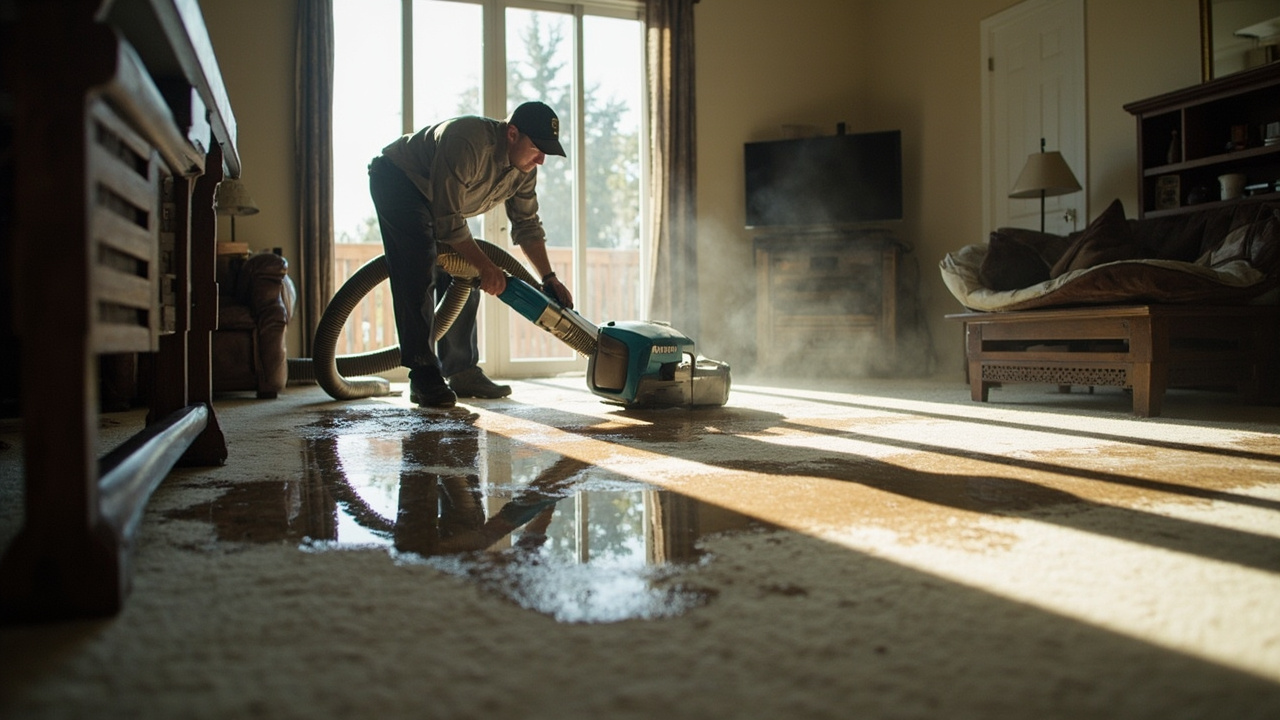
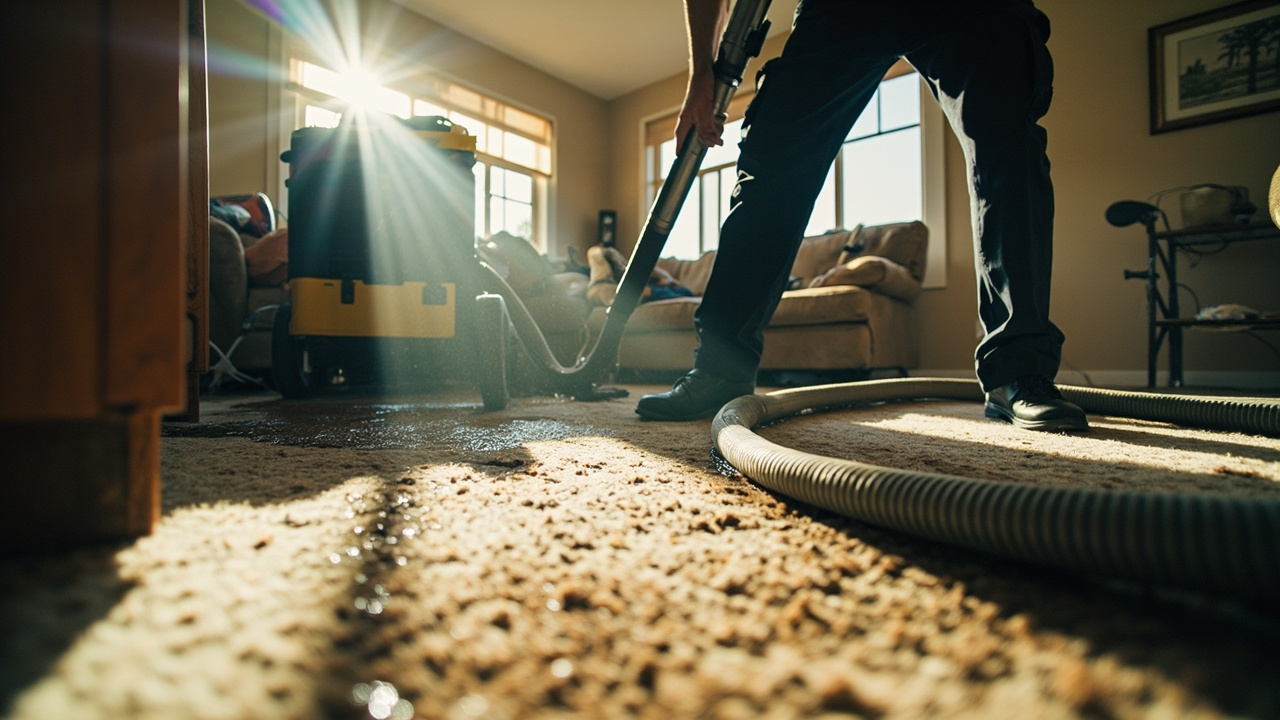
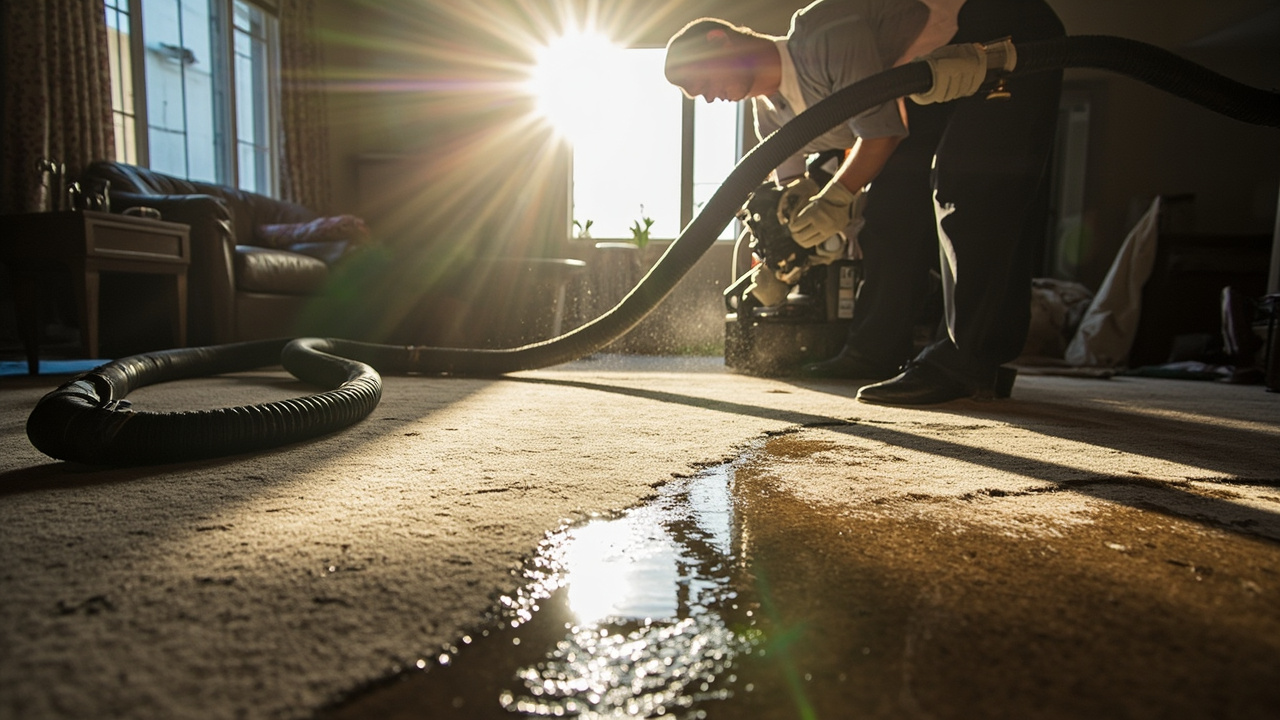
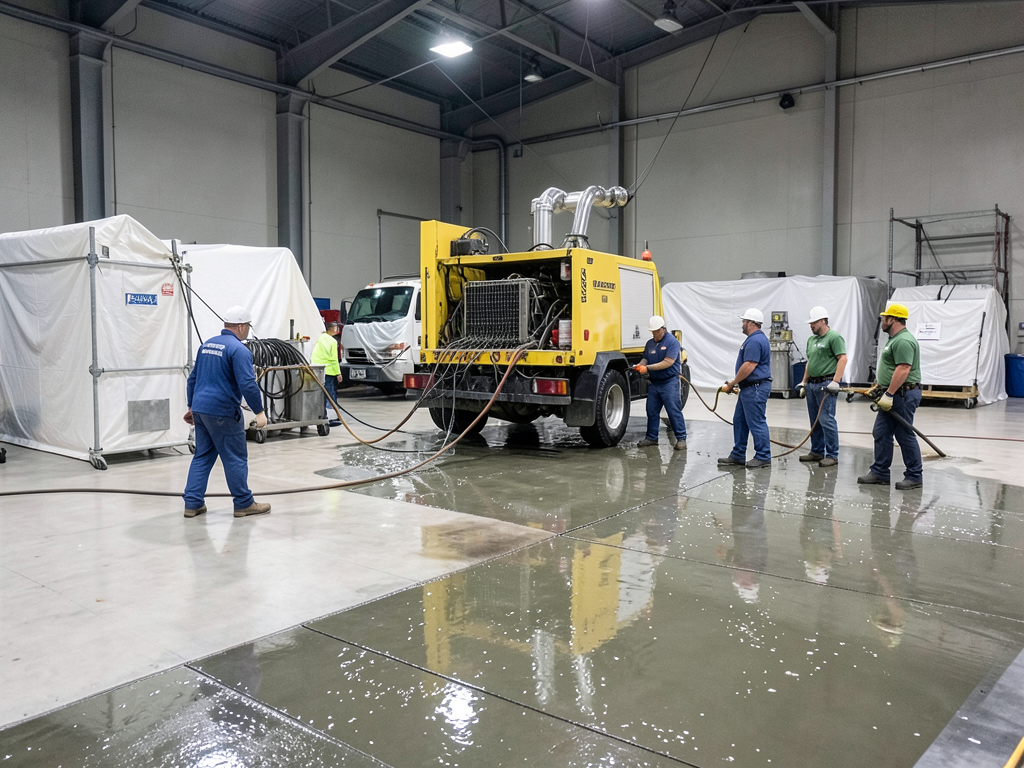
Portable wet vacuums remove surface water. They do not generate enough suction to pull moisture from carpet padding or subflooring. Truck-mounted extraction systems generate 400 to 500 inches of water lift, creating negative pressure that pulls water vertically through carpet fibers, padding, and into the extraction hose. This is the difference between damp carpet and structural drying.

We start with a moisture assessment. Moisture meters measure humidity levels in carpet padding and subfloors. Thermal imaging cameras identify cold spots where water has migrated beyond the visible damage zone. This prevents the mistake of drying only what you see while leaving hidden moisture to cause mold growth later.

Extraction wands are positioned in overlapping passes across the carpet. Each pass removes water and compresses the padding to force trapped moisture to the surface. We extract until moisture readings drop below 15 percent, the threshold where microbial growth slows. For severe flooding, we remove baseboards and extract water from wall cavities where carpet edges meet drywall.

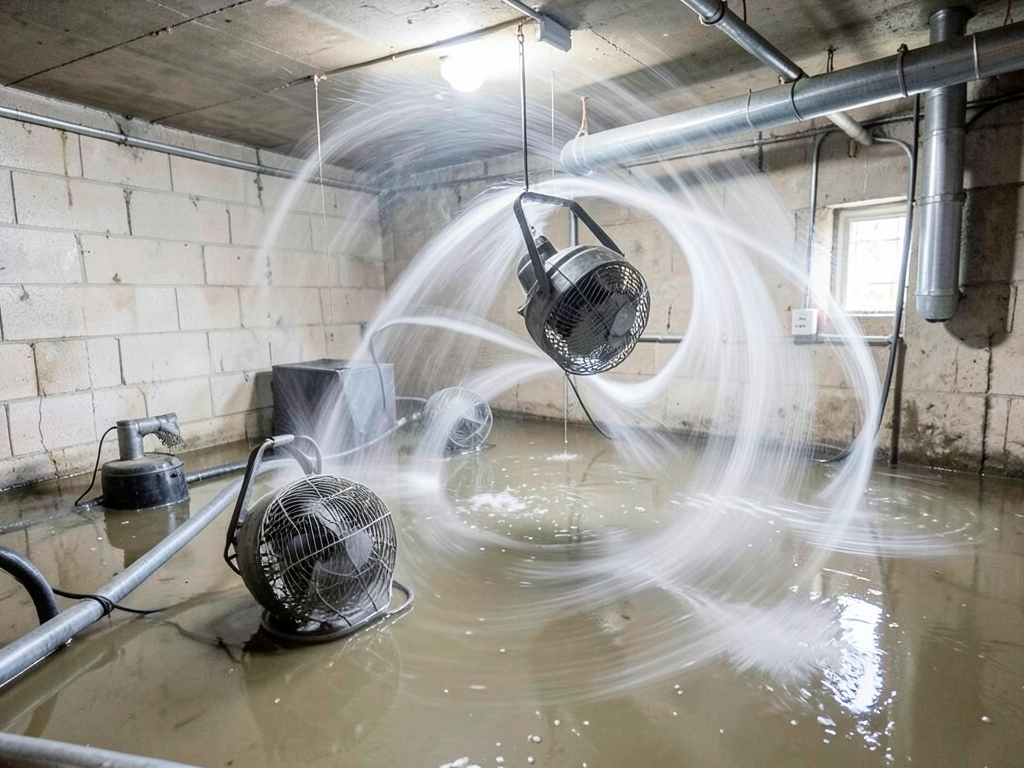
After extraction, air movers are positioned to create airflow across the carpet surface. Dehumidifiers remove moisture from the air to prevent re-absorption. This is controlled drying, not passive evaporation. We monitor moisture levels every 12 hours until readings stabilize below 12 percent.

Carpet padding often requires removal. If padding has been saturated for more than 24 hours, it cannot be dried effectively. We cut padding into sections, remove it, and allow the subfloor to dry before installing new padding. This prevents odor and microbial contamination that re-wetting causes months later.

What Happens During Professional Carpet Water Extraction

Carpet Water Extraction in Los Angeles – Same-Day Service to Stop Mold Growth and Structural Damage
01

Moisture Mapping and Assessment

We inspect the entire affected area using moisture meters and thermal imaging cameras to identify all water migration paths. This includes subflooring, wall cavities, and adjacent rooms where water may have traveled under baseboards. Moisture mapping creates a drying plan specific to your property, preventing hidden damage that appears weeks later as mold or flooring failure.
02

High-Pressure Water Extraction

Truck-mounted extraction systems pull water from carpet fibers, padding, and subflooring using 400 to 500 inches of water lift. Extraction wands are positioned in overlapping passes to compress padding and force trapped moisture to the surface. We extract until moisture readings drop below 15 percent, the point where microbial growth slows. For severe saturation, padding is removed to allow direct subfloor drying.
03

Controlled Drying and Monitoring

Air movers and dehumidifiers create controlled airflow to dry carpet and subflooring without causing secondary damage like cupping or delamination. We monitor moisture levels every 12 hours until readings stabilize below 12 percent. Final inspection includes thermal imaging to confirm no hidden moisture remains in wall cavities or under baseboards. This prevents mold growth and ensures your flooring is structurally sound.

Why Los Angeles Properties Require Local Water Extraction Expertise

Los Angeles building codes require specific drying standards for water damage restoration. Title 24 compliance and local health department regulations dictate moisture thresholds and mold remediation protocols. Out-of-area restoration companies miss these requirements, leading to failed inspections and insurance claim disputes.

We work directly with Los Angeles County adjusters. Insurance carriers require documentation of moisture readings, extraction times, and drying protocols. Our technicians photograph moisture meter readings, thermal imaging scans, and equipment placement to create the documentation your adjuster needs to approve the claim. This prevents payout delays and out-of-pocket expenses.

Los Angeles homes have unique construction challenges. Mid-century slab foundations in neighborhoods like Culver City and Mar Vista lack vapor barriers, making subfloor drying more complex. Spanish Revival homes in Highland Park have plaster walls that wick moisture vertically, requiring wall cavity drying in addition to carpet extraction. We adapt our drying strategy to match your property's construction type.

Flood zones near the Los Angeles River and Ballona Creek require category two water protocols. This means antimicrobial treatment after extraction to prevent bacterial contamination. We apply EPA-registered disinfectants to padding and subflooring before drying begins. This is not included in standard carpet cleaning, but it is required for floodwater intrusion.

United Water Damage Restoration Los Angeles has extracted water from carpets in over 2,000 Los Angeles properties. We know which neighborhoods have aging cast iron drainlines that cause repeat flooding. We know which areas experience stormwater backflow during heavy rain. This local knowledge prevents recurring water damage.

What to Expect During the Carpet Water Extraction Process

Response Time and Availability

We arrive within two hours of your call for emergency carpet water removal in Los Angeles. Our trucks carry truck-mounted extraction systems, thermal imaging cameras, and moisture detection equipment. We operate 24 hours a day because water damage does not wait for business hours. Early extraction prevents padding saturation and subfloor damage that triples restoration costs. If your insurance requires immediate documentation, we photograph damage and moisture readings on arrival to support your claim filing.

Initial Inspection and Moisture Assessment

Before extraction begins, we map moisture distribution using handheld meters and thermal imaging cameras. This identifies water migration paths under baseboards, into wall cavities, and across subflooring. We measure moisture content in carpet, padding, and subfloors to establish baseline readings. This data determines drying time and equipment placement. The inspection takes 20 to 30 minutes and creates a drying plan specific to your property. We explain findings in plain language and show you thermal images so you understand the full scope of water damage.

The Result You Can Expect

Your carpet will be dry, odor-free, and restored to pre-loss condition. Subfloors will register below 12 percent moisture content, the industry standard for completed drying. We provide final moisture readings and thermal imaging documentation to confirm no hidden moisture remains. If padding required removal, we coordinate replacement and reinstallation. Your flooring will pass insurance inspection and meet Los Angeles County health department standards for habitability. The goal is not just dry carpet, but structurally sound flooring that prevents mold growth and future damage.

Post-Extraction Monitoring and Follow-Up

We monitor drying progress every 12 hours until moisture readings stabilize. Air movers and dehumidifiers remain on-site for 48 to 72 hours depending on saturation levels. We adjust equipment placement based on moisture readings to prevent over-drying or incomplete drying. Final inspection includes thermal imaging to confirm no moisture pockets remain in wall cavities or under baseboards. If your insurance requires a certificate of completion, we provide signed documentation of final moisture readings and drying protocols. This protects you from future liability if mold appears.

Frequently Asked Questions

You Have Questions,
We Have Answers

How to extract water from carpet? +

Start by removing furniture and soaking up standing water with towels. Use a wet vacuum or carpet extractor to pull water from the fibers, working in overlapping passes. Press down firmly to reach the padding beneath. Open windows, run fans, and use dehumidifiers to speed drying. For severe flooding in Los Angeles homes, especially in older neighborhoods with poor ventilation, professional extraction equipment removes hidden moisture that household tools miss. Extract water within 24 hours to prevent mold growth, which thrives in Southern California's mild climate and can colonize damp carpet quickly.

Does Stanley Steemer do water extraction? +

Stanley Steemer offers water extraction services in many locations, but availability varies by franchise. They primarily focus on routine carpet cleaning rather than emergency water damage restoration. For Los Angeles residents dealing with flooding from burst pipes or roof leaks, you need a dedicated water damage restoration company with 24/7 emergency response. These specialists carry industrial extractors, moisture meters, and thermal imaging cameras to detect hidden water in subfloors and walls. Always verify that any company you hire has IICRC certification for water damage restoration, not just carpet cleaning.

What tool is used to get water out of carpet? +

Professional water extractors use truck-mounted or portable extraction units with powerful vacuum suction, often exceeding 200 CFM. These machines feature weighted wands that press into carpet while simultaneously injecting heated air and extracting water. Moisture meters detect hidden saturation in padding and subfloors. Air movers and commercial dehumidifiers complete the drying process. For Los Angeles properties, professionals also use thermal imaging to find moisture trapped behind baseboards or in walls, which is critical in stucco homes common throughout the region. Standard shop vacuums lack the suction power needed for effective deep extraction.

How much does it cost to get water out of carpet? +

Water extraction costs in Los Angeles typically range from the low hundreds for a single room to over a thousand for whole-home flooding. Pricing depends on water volume, affected square footage, contamination level, and structural damage. Gray water from appliance leaks costs more than clean water. Black water from sewage requires hazmat protocols. Many Los Angeles restoration companies bill insurance directly. Document everything with photos before extraction begins. Get a detailed estimate that includes extraction, padding replacement, antimicrobial treatment, and drying equipment rental. Emergency callouts after hours may carry surcharges.

How to get water out of carpet without wet vac? +

Without a wet vac, use thick towels or bath mats to absorb surface water, pressing down with your body weight. Replace saturated towels frequently. Lift carpet edges and prop them up with blocks to expose padding. Use box fans or oscillating fans to create airflow across the wet area. Open windows if outdoor humidity is low, common during Los Angeles dry seasons. A squeegee can push water toward a corner for towel absorption. For anything beyond minor spills, this method leaves too much moisture in padding and subfloor, creating mold risk within 24 to 48 hours.

Does homeowners insurance cover wet carpet? +

Homeowners insurance typically covers sudden and accidental water damage, like burst pipes or appliance malfunctions. Policies exclude gradual damage from neglect or lack of maintenance. Flood damage from external sources requires separate flood insurance, important for Los Angeles properties near the LA River or in coastal zones. Review your policy declarations page for water damage coverage limits and deductibles. File claims immediately and document all damage with photos. Insurance adjusters often visit within 48 hours. Many Los Angeles restoration companies work directly with insurers and handle claims paperwork, reducing your administrative burden during stressful situations.

Can a shop vac extract water from carpet? +

A shop vac can remove surface water but lacks the suction power for deep extraction from carpet padding and subfloors. Most shop vacs generate 50 to 90 CFM, while professional extractors exceed 200 CFM. Shop vacs also lack heated airflow and weighted extraction wands that professional equipment uses. For small spills on carpet in Los Angeles homes, a shop vac provides temporary help. For flooding, you risk leaving moisture that causes mold growth, subfloor warping, and odors. Professional equipment penetrates deeper and dries faster, critical in Southern California's mild climate where mold colonizes quickly.

What is the difference between a carpet cleaner and a water extractor? +

Carpet cleaners inject cleaning solution and water into carpet, then extract dirt and moisture. They are designed for routine maintenance and stain removal. Water extractors focus solely on removing maximum moisture quickly without adding liquid. Professional water extractors generate significantly higher suction, often 200+ CFM, and use weighted wands to compress carpet during extraction. Many feature heated airflow to accelerate drying. For water damage restoration in Los Angeles, you need extraction-focused equipment. Using a standard carpet cleaner after flooding leaves too much residual moisture, creating mold risk and potentially voiding insurance claims if improper equipment is documented.

How quickly does mold grow after water damage? +

Mold spores can germinate within 24 to 48 hours in wet environments. In Los Angeles, where indoor temperatures stay moderate year-round, mold growth accelerates quickly on damp carpet, padding, drywall, and wood. Visible colonies often appear within 72 hours. Black mold and other toxigenic species thrive in hidden spaces like wall cavities and beneath carpet padding. This timeline makes immediate water extraction critical. Delaying more than 24 hours significantly increases remediation costs and health risks. Professional extraction within the first day prevents most mold issues, especially in poorly ventilated spaces common in older Los Angeles apartment buildings and homes.

How long does it take carpet to dry after flooding? +

Properly extracted carpet typically dries in 12 to 24 hours with professional air movers and dehumidifiers running continuously. Without professional equipment, drying can take 48 to 72 hours or longer, increasing mold risk. Thick padding, dense carpet fibers, and high humidity slow drying. Los Angeles coastal areas experience higher humidity that extends drying times compared to inland valleys. Subfloors, especially concrete slabs common in Southern California construction, retain moisture longer and may need five to seven days to dry fully. Always use moisture meters to confirm dryness before reinstalling carpet to prevent trapped moisture and mold growth.

How Los Angeles Flash Floods and Aging Infrastructure Drive Carpet Water Damage

Los Angeles receives most of its annual rainfall between December and March, often in heavy bursts that overwhelm storm drains. Neighborhoods near the Los Angeles River, including Elysian Valley and Atwater Village, experience flash flooding when storm channels reach capacity. Aging cast iron sewer lines in homes built before 1975 crack under pressure, causing backflow into ground-floor carpets. Slab foundations in areas like Mid-City and Koreatown lack modern vapor barriers, allowing groundwater to wick upward into carpet padding during prolonged rain. Carpet water extraction in Los Angeles requires understanding these localized flooding patterns.

Los Angeles County health codes require specific moisture thresholds for habitable spaces. If carpet padding remains above 15 percent moisture content for more than 48 hours, antimicrobial treatment is mandatory. United Water Damage Restoration Los Angeles follows IICRC S500 water damage standards and maintains documentation required by Los Angeles County adjusters. We work with local insurance carriers who require proof of moisture readings, extraction times, and drying protocols. Choosing a local water damage restoration provider ensures compliance with Los Angeles building codes and prevents claim disputes.
Water Damage Restoration Services in The Los Angeles Area

United Water Damage Restoration Los Angeles is proud to service the entire Los Angeles area and surrounding communities. View our central location on the map to see our strategic positioning, which enables us to provide our guaranteed rapid response times across the region. If you need immediate assistance, please do not drive to our office; instead, call our 24/7 emergency hotline, and our fully-equipped team will be dispatched directly to your property without delay.

Address:
United Water Damage Restoration Los Angeles, 5800 S Eastern Ave, Los Angeles, CA, 90040

Additional Services We Offer

Our news updates

Latest Articles & News from The Blogs

What to Do When Your Wilmington Water Heater Floods Your Laundry Room A leaking water heater can release 40 to…

What to Do When Your Wilmington Water Heater Floods Your Laundry Room

What to Do When Your Wilmington Water Heater Floods Your Laundry Room A leaking water heater can release 40 to…

Getting Your West Hills Home Ready for the Los Angeles Rainy Season

Getting Your West Hills Home Ready for the Los Angeles Rainy Season The Santa Susana Mountains loom over West Hills…

Common Plumbing Problems in Miracle Mile Older Condo Buildings

Common Plumbing Problems in Miracle Mile Older Condo Buildings Miracle Mile’s charming historic condo buildings come with unique plumbing challenges…

Contact Us

Call (209) 255-2558 now for same-day carpet water extraction in Los Angeles. Our truck-mounted systems and 24-hour availability stop mold growth and structural damage before it spreads. We document everything for your insurance claim.