



menu

Choosing a Restoration Company in Los Angeles – Expert Guidance to Protect Your Property and Investment

Finding a reputable water damage company in Los Angeles requires understanding local climate risks, contractor credentials, and response capabilities that protect your home or business from further loss.

Slider Image 1
Slider Image 2
Slider Image 3
Slider Image 4
Slider Image 5
Slider Image 7
Slider Image 8
Slider Image 9
Slider Image 10
Slider Image 11

Why Selecting the Right Water Damage Contractor Matters in Los Angeles

Los Angeles properties face unique water damage vulnerabilities. The Mediterranean climate creates prolonged dry periods followed by intense winter rains that overwhelm aging infrastructure. When storm systems roll in from the Pacific, properties in hillside neighborhoods like Silver Lake and Echo Park experience sudden runoff that floods basements and crawl spaces. Coastal areas from Santa Monica to San Pedro deal with salt air corrosion that weakens pipe connections and roofing systems.

Choosing the wrong restoration contractor can turn a manageable incident into a catastrophic loss. You risk incomplete moisture extraction, hidden mold growth behind drywall, and structural damage that goes undetected for months. Poor documentation can derail insurance claims. Inadequate equipment leaves moisture trapped in concrete slabs and wall cavities.

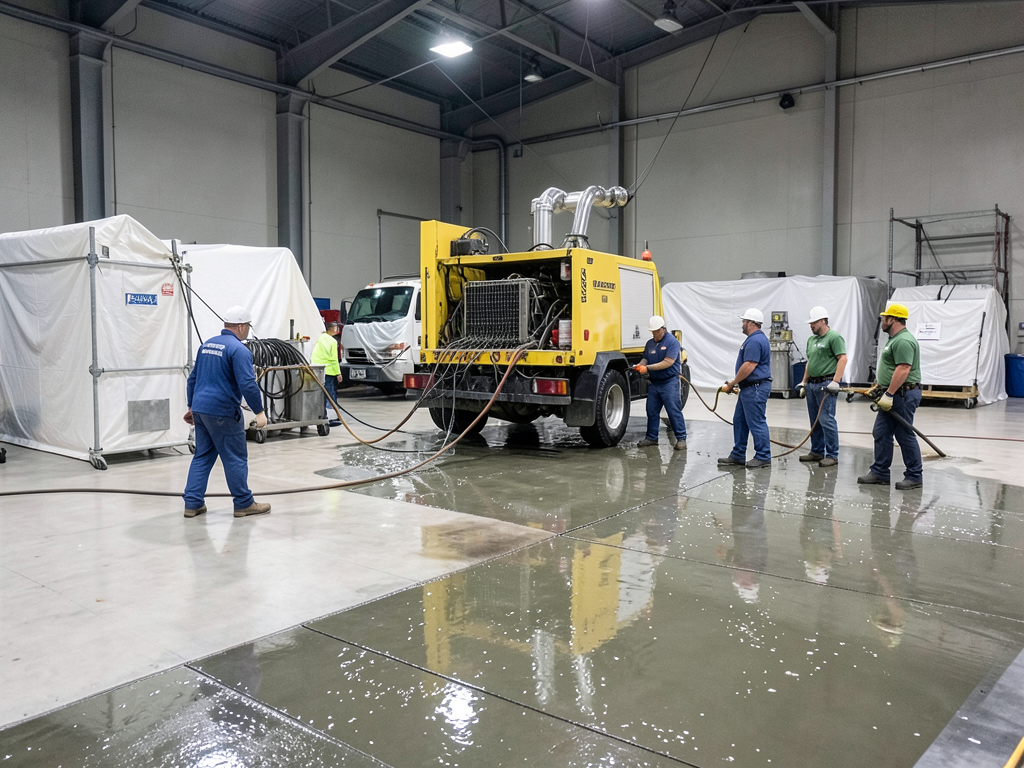
Selecting a water damage contractor requires evaluating specific qualifications. Look for firms with truck-mounted extraction systems, not just portable units. Verify they use thermal imaging cameras to detect moisture in wall assemblies. Ask about their drying protocols and whether they follow IICRC S500 standards for water damage restoration.

Hiring a water mitigation service is not the same as hiring a general contractor. Water damage requires immediate intervention. Every hour of delay increases secondary damage exponentially. Finding a reputable water damage company means identifying providers with 24/7 dispatch, not answering services that route calls during business hours.

Vetting restoration contractors should include checking their relationships with insurance carriers, their capacity to handle commercial-scale losses, and whether they maintain proper licensure for structural repairs beyond simple water extraction.

Why Selecting the Right Water Damage Contractor Matters in Los Angeles
How Professional Restoration Companies Evaluate and Respond to Water Damage

How Professional Restoration Companies Evaluate and Respond to Water Damage

Legitimate restoration companies follow a methodical approach that begins with loss assessment, not sales pitches. The initial inspection maps the affected area using moisture meters and hygrometers to establish baseline readings. This creates a drying plan specific to your property's construction type and the water category involved.

Class 1 through Class 4 water losses require different extraction strategies. A Class 4 loss in a Spanish Colonial Revival home with plaster walls and hardwood floors requires specialty drying equipment and longer drying times than a Class 1 loss in a modern stucco structure. Professional firms understand these differences.

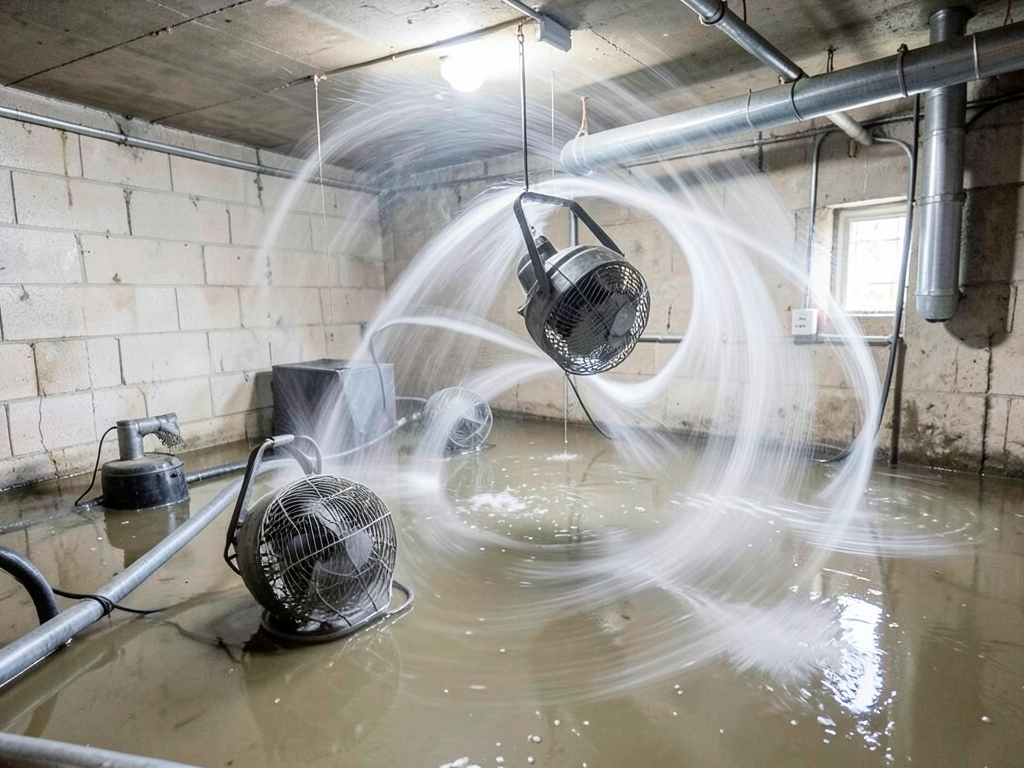
Water removal uses truck-mounted extraction units capable of removing hundreds of gallons per hour. Portable extractors cannot match this capacity. After extraction, industrial air movers and dehumidifiers create negative pressure environments that pull moisture from building materials. The placement of this equipment follows psychrometric principles, not guesswork.

Antimicrobial application prevents microbial growth on affected surfaces. This step happens after extraction but before drying equipment deployment. Skipping this step invites mold colonization within 48 to 72 hours.

Documentation includes daily moisture readings logged by zone, photographic evidence of affected areas, and equipment logs showing runtime hours. Insurance adjusters require this documentation to validate claims. Companies that skip documentation create claim disputes that delay your recovery.

Structural drying continues until moisture content returns to industry-standard dry goals. Wood framing should reach 15 percent moisture content or less. Concrete should return to baseline readings established in unaffected areas. Premature equipment removal leaves trapped moisture that causes long-term problems.

Your Contractor Selection Process

Choosing a Restoration Company in Los Angeles – Expert Guidance to Protect Your Property and Investment
01

Initial Response Evaluation

Contact multiple restoration companies and evaluate their response time and professionalism. Companies that dispatch technicians within 60 to 90 minutes demonstrate the infrastructure necessary for emergency mitigation. Ask specific questions about their extraction equipment capacity, drying protocols, and documentation procedures. Legitimate contractors provide detailed answers, not vague assurances. Request references from recent water damage projects similar in scope to your situation.
02

Credential and Capacity Verification

Verify the contractor holds proper California licensure and maintains adequate general liability and workers compensation insurance. Check their IICRC certification status and ask about continuing education. Inspect their equipment during the initial assessment. Truck-mounted extractors, thermal imaging cameras, and commercial-grade dehumidifiers indicate serious operational capacity. Ask about their project load and whether they can dedicate equipment to your property without delays. Overbooked contractors stretch resources thin and compromise drying timelines.
03

Contract Review and Documentation

Review the work authorization carefully before signing. The document should specify equipment types, daily monitoring schedules, and completion criteria based on moisture readings, not calendar days. Confirm the contractor will provide daily documentation and communicate directly with your insurance adjuster. Establish clear communication protocols and understand the change order process for discovering hidden damage. A transparent contractor welcomes questions and provides written answers to concerns about scope, timeline, and billing procedures.

Why Los Angeles Properties Need Local Restoration Expertise

Los Angeles spans 469 square miles across diverse microclimates and construction eras. A contractor experienced in the Westside's post-war construction understands the challenges of drying homes built on concrete slabs with limited crawl space access. Firms familiar with Downtown's historic buildings know how to handle water damage in structures with brick facades and timber framing that require specialized drying techniques.

Local contractors maintain relationships with Los Angeles Department of Building and Safety inspectors and understand permit requirements for structural repairs. They know which situations require engineering reports and how to navigate the city's inspection process without unnecessary delays.

Insurance restoration in Los Angeles requires understanding regional carrier preferences and claim documentation standards. Contractors who regularly work with major carriers serving the Southern California market provide documentation that satisfies adjuster requirements and reduces claim disputes.

United Water Damage Restoration Los Angeles maintains equipment staging throughout the metro area. This distributed model enables faster response than companies operating from a single location. When a pipe burst floods a property in Westwood, our technicians arrive with truck-mounted extraction equipment, not promises to return later with proper tools.

Local expertise includes understanding seasonal patterns. We mobilize additional resources before predicted storm systems and maintain equipment reserves during the winter rainy season. National franchises operating from distant markets cannot match this localized preparation.

Our relationships with local specialty contractors enable coordinated restoration when projects require electrical, plumbing, or structural repairs beyond our scope. These partnerships prevent delays waiting for separate contractors to schedule work.

What to Expect When Working with a Professional Restoration Company

Emergency Response Timeline

Professional restoration companies dispatch technicians within 60 to 90 minutes of your call, regardless of time or day. The initial response includes loss assessment, emergency water extraction, and deployment of drying equipment. Technicians arrive in marked vehicles equipped with commercial extraction units, moisture detection equipment, and personal protective equipment. The first 24 hours are critical for preventing secondary damage. Companies that schedule appointments for the next business day lack the infrastructure for true emergency response. Expect immediate action, not delays.

Comprehensive Damage Assessment

The initial assessment uses moisture meters, thermal imaging, and hygrometers to map affected areas and establish baseline moisture readings. Technicians document damage with photographs and detailed notes that support insurance claims. The assessment identifies water category, affected materials, and potential safety hazards like electrical risks or structural compromise. You receive a written scope of work explaining the drying plan, equipment placement strategy, and estimated timeline based on material types and damage severity. This assessment determines whether the loss requires simple extraction and drying or involves demolition and reconstruction.

Structural Drying Outcomes

Proper structural drying returns building materials to pre-loss moisture content levels verified by daily moisture readings. Wood framing reaches 15 percent moisture content or less. Concrete slabs return to baseline readings. Drywall and insulation that cannot be dried adequately get removed and replaced. The process typically requires three to seven days depending on damage class, building materials, and environmental conditions. Equipment remains in place until moisture goals are achieved, not removed based on arbitrary timelines. Final documentation includes completion photos and moisture logs proving successful drying.

Post-Restoration Monitoring

Reputable restoration companies provide post-drying verification and monitor for signs of recurring moisture problems. After equipment removal, technicians conduct final moisture readings and document that affected areas have reached dry standard. You receive copies of all project documentation including moisture logs, equipment placement diagrams, and completion certificates. Professional firms remain available to address concerns about drying effectiveness or answer questions from insurance adjusters. This follow-up demonstrates confidence in the work performed and provides peace of mind that your property has been properly restored.

Frequently Asked Questions

You Have Questions,
We Have Answers

How Los Angeles Storm Patterns and Aging Infrastructure Impact Restoration Company Selection

Los Angeles experiences intense atmospheric river events that dump several inches of rain in 24 to 48 hours after months of drought. This pattern overwhelms storm drains and exposes vulnerabilities in roofing systems and building envelopes that appear sound during dry conditions. Properties in hillside areas face runoff that floods basements and damages foundations. Coastal properties deal with wind-driven rain that penetrates stucco facades. Selecting a water damage contractor familiar with these regional patterns means working with professionals who understand the specific failure points in Southern California construction and can identify hidden damage that inexperienced contractors miss.

Many Los Angeles properties date to the post-war building boom and feature construction methods and materials that require specialized drying approaches. Historic neighborhoods contain structures with lath and plaster walls, timber framing, and pier and beam foundations that respond differently to water intrusion than modern construction. Finding a reputable water damage company means identifying contractors who understand these construction types and maintain relationships with local building officials who enforce Los Angeles Municipal Code requirements for restoration work. Local expertise prevents permit violations and ensures repairs meet current seismic and energy code standards when reconstruction is necessary.
Water Damage Restoration Services in The Los Angeles Area

United Water Damage Restoration Los Angeles is proud to service the entire Los Angeles area and surrounding communities. View our central location on the map to see our strategic positioning, which enables us to provide our guaranteed rapid response times across the region. If you need immediate assistance, please do not drive to our office; instead, call our 24/7 emergency hotline, and our fully-equipped team will be dispatched directly to your property without delay.

Address:
United Water Damage Restoration Los Angeles, 5800 S Eastern Ave, Los Angeles, CA, 90040

Additional Services We Offer

Our news updates

Latest Articles & News from The Blogs

What to Do When Your Wilmington Water Heater Floods Your Laundry Room A leaking water heater can release 40 to…

What to Do When Your Wilmington Water Heater Floods Your Laundry Room

What to Do When Your Wilmington Water Heater Floods Your Laundry Room A leaking water heater can release 40 to…

Getting Your West Hills Home Ready for the Los Angeles Rainy Season

Getting Your West Hills Home Ready for the Los Angeles Rainy Season The Santa Susana Mountains loom over West Hills…

Common Plumbing Problems in Miracle Mile Older Condo Buildings

Common Plumbing Problems in Miracle Mile Older Condo Buildings Miracle Mile’s charming historic condo buildings come with unique plumbing challenges…

Contact Us

Do not wait while water damage worsens. Contact United Water Damage Restoration Los Angeles at (209) 255-2558 for immediate assessment and guidance on protecting your property. Our team responds 24/7 with the expertise and equipment necessary for professional water damage restoration.