



menu

Fire Sprinkler Water Cleanup in Los Angeles – 24/7 Emergency Response Stops Damage in Under 60 Minutes

When a fire sprinkler discharges accidentally or a suppression system fails, every minute counts. United Water Damage Restoration Los Angeles arrives fast, extracts water immediately, and prevents structural damage before it spreads through your property.

Slider Image 1
Slider Image 2
Slider Image 3
Slider Image 4
Slider Image 5
Slider Image 7
Slider Image 8
Slider Image 9
Slider Image 10
Slider Image 11

When Fire Sprinklers Flood Your Building Without Warning

A fire sprinkler head breaks. A maintenance worker bumps a valve. A temperature sensor fails. Suddenly, 25 gallons per minute pour into your space with no fire in sight. This is not a small leak. Fire suppression systems operate at 15 to 50 psi, pushing high volumes of water through ceiling cavities, down walls, and across floors in minutes.

In Los Angeles, where many buildings blend mid-century construction with modern retrofitted sprinkler systems, accidental discharge becomes a structural emergency fast. Older plaster and lathe walls absorb water rapidly. Concrete slab floors trap moisture underneath laminate and tile. High-rises in Downtown or Koreatown can see water cascade through multiple floors before the system shuts off. The pressure alone forces water into places standard leaks never reach.

Fire sprinkler water damage restoration is not the same as fixing a pipe leak. Sprinkler water often contains rust, sediment, and corrosive minerals from sitting in overhead pipes for years. This contaminated discharge stains drywall, ruins electronics, and accelerates mold growth. Emergency sprinkler water removal requires immediate extraction and decontamination protocols, not just mopping up.

You did not cause this. The system failed. But the clock starts the second that water hits your floor. Structural wood begins swelling within four hours. Mold spores colonize damp surfaces in 24 to 48 hours. Waiting until morning, or assuming your maintenance crew can handle it, turns a cleanup into a reconstruction project. This demands a professional response, and it demands it now.

When Fire Sprinklers Flood Your Building Without Warning
How We Stop Fire Sprinkler Floods Before They Destroy Your Property

How We Stop Fire Sprinkler Floods Before They Destroy Your Property

We respond to accidental sprinkler discharge cleanup calls with industrial water extraction equipment, thermal imaging cameras, and a crew trained in rapid containment. Our process begins the moment you call. We do not schedule appointments for emergencies. We dispatch immediately, often arriving within 45 to 60 minutes across Los Angeles County.

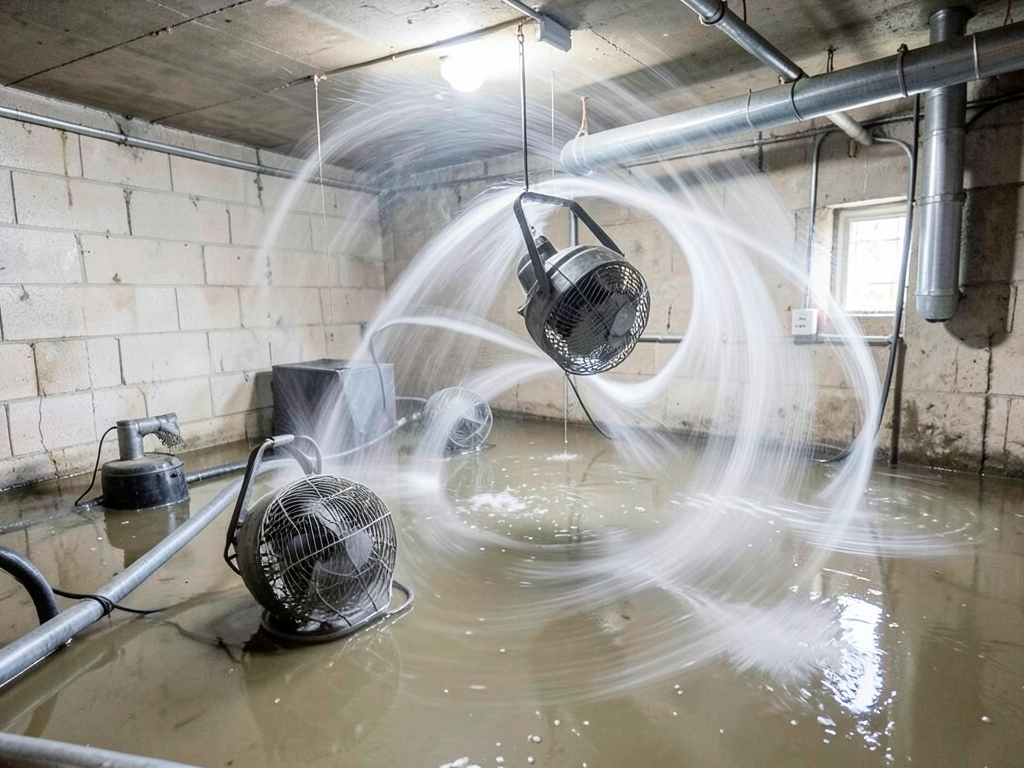
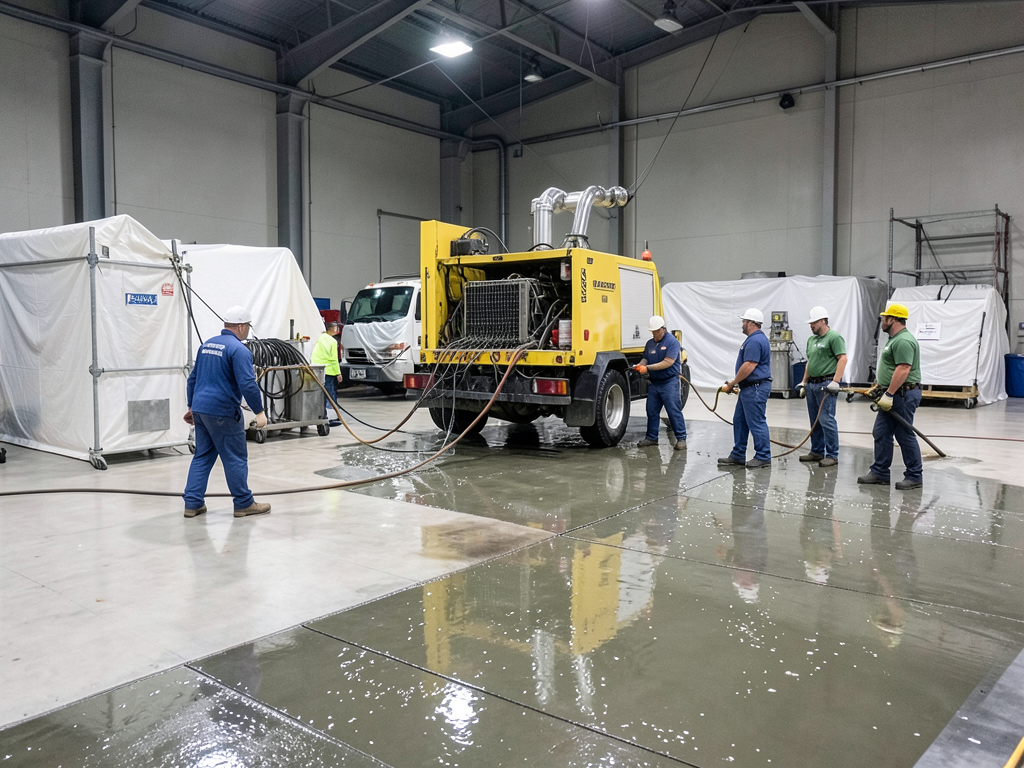
Step one is source control. We confirm the sprinkler valve is closed and assess the discharge volume. Fire suppression system water extraction is high-stakes because the water has already penetrated deeper than surface flooding. We use truck-mounted extractors capable of pulling 150 gallons per minute from carpets, tile, and subflooring. Portable pumps clear standing water from elevator shafts, stairwells, and below-grade parking structures.

Thermal imaging identifies hidden saturation. Water from burst fire sprinkler flood remediation travels through wall cavities, above drop ceilings, and under baseboards. We map moisture intrusion in real time, marking affected zones for targeted drying. High-velocity air movers and commercial dehumidifiers create negative pressure environments, pulling moisture out of porous materials before it sets in.

We document everything. Photos, moisture readings, and extraction logs go directly to your insurance adjuster. Most carriers recognize sprinkler malfunctions as sudden and accidental discharge, a covered peril under commercial property policies. We handle the documentation and communicate directly with adjusters to expedite your claim.

Our goal is not just to remove water. We stabilize the environment, prevent secondary damage, and return your space to pre-loss condition. Speed and precision matter because fire sprinkler water does not behave like rainwater or plumbing leaks. It infiltrates aggressively, and it ruins materials faster.

What Happens During an Emergency Sprinkler Water Extraction

Fire Sprinkler Water Cleanup in Los Angeles – 24/7 Emergency Response Stops Damage in Under 60 Minutes
01

Immediate Water Extraction

Within the first hour, our crew deploys truck-mounted extractors and submersible pumps to remove standing water. We prioritize high-traffic areas, electrical panels, and structural supports. Extraction continues until moisture levels drop below saturation thresholds. We measure moisture content in real time using pin-type and non-invasive meters, ensuring no water remains trapped in subflooring or wall assemblies. Fast extraction prevents wicking and secondary contamination.
02

Structural Drying and Monitoring

After extraction, we establish controlled drying zones using air movers and low-grain refrigerant dehumidifiers. Drying is not passive. We adjust airflow direction, monitor temperature, and track humidity levels every four to six hours. Structural drying typically takes three to five days depending on material density and environmental conditions. We use data loggers to document progress and adjust equipment placement as moisture migrates. This prevents mold growth and wood warping before visible damage occurs.
03

Restoration and Clearance

Once all materials reach dry standard, we conduct a final moisture inspection and provide clearance documentation. If drywall, insulation, or flooring sustained irreversible damage, we coordinate reconstruction through licensed contractors. We sanitize affected areas with antimicrobial treatments to eliminate contaminants from sprinkler discharge. You receive a full restoration report, including before-and-after moisture readings, for your records and insurance submission. Your space is safe, dry, and fully restored.

Why Los Angeles Property Owners Call Us First for Sprinkler Malfunctions

You need someone who understands the difference between a residential water heater leak and a commercial fire suppression system discharge. United Water Damage Restoration Los Angeles specializes in emergency sprinkler water removal for office buildings, retail spaces, apartment complexes, and warehouses throughout LA County. We have worked inside historic Art Deco buildings in Downtown, mid-century offices in Culver City, and modern high-rises in Century City. Each structure responds differently to water intrusion, and we adapt our methods accordingly.

Our team holds IICRC certifications in Water Damage Restoration and Applied Structural Drying. We follow ANSI/IICRC S500 standards for water damage remediation, which means our drying protocols meet the insurance industry's benchmark for professional restoration. Adjusters trust our documentation because it is precise, thorough, and compliant with claims processing requirements.

We operate 24/7 because sprinkler malfunctions do not wait for business hours. A broken sprinkler head at 2 a.m. on a Sunday creates the same urgency as a midday discharge. Our dispatch center routes the nearest crew to your location immediately. We carry commercial-grade extraction and drying equipment on every truck, so we start work the moment we arrive.

Los Angeles-specific challenges matter. Seismic retrofitting in older buildings sometimes stresses sprinkler piping, increasing failure risk. HVAC systems in climate-controlled buildings can trap humidity if not managed during drying. We account for these variables and adjust our approach to match your building's construction and mechanical systems.

You are not hiring a general handyman to dry out your property. You are hiring a licensed restoration contractor with the equipment, expertise, and urgency this situation demands.

What You Can Expect When You Call for Fire Sprinkler Water Cleanup

Rapid Dispatch and Arrival

When you call our emergency line, you speak directly to a dispatcher who mobilizes a crew immediately. We do not take messages or promise callbacks. Our average response time is under 60 minutes for Los Angeles city limits and surrounding metro areas. We arrive with extraction equipment, moisture detection tools, and drying units already loaded. You will receive a call from the crew lead en route with an estimated arrival time. We work around your schedule, including nights, weekends, and holidays, because water damage does not pause.

Detailed Assessment and Scope

Before we begin extraction, we walk the entire affected area and document visible damage, moisture intrusion, and compromised materials. We use thermal imaging to identify hidden water in ceilings, walls, and subfloors. You receive a written scope of work outlining the extraction plan, drying timeline, and affected zones. We explain what equipment we are deploying and why. This assessment goes to your insurance carrier within 24 hours, expediting claim approval. You know exactly what to expect, with no surprises or ambiguous timelines.

Complete Drying and Verification

Drying is not guesswork. We place moisture meters in structural materials and monitor readings daily until all affected areas reach dry standard, typically 15 percent moisture content or lower for wood framing and 1 percent for concrete. You receive daily progress updates and can inspect the drying equipment at any time. Once drying is complete, we provide a certificate of completion with final moisture readings. Your property is verified dry using the same standards insurance adjusters and engineers rely on.

Post-Restoration Support and Reconstruction

If structural materials require replacement after drying, we coordinate reconstruction through licensed contractors. We handle drywall repair, flooring replacement, and paint matching to restore your property to pre-loss condition. Our reconstruction partners follow the same standards we apply to water extraction and drying. You deal with one point of contact throughout the entire process. We also provide post-restoration follow-up to confirm no hidden moisture issues have developed. Your space is not just dry. It is fully restored and safe for occupancy.

Frequently Asked Questions

You Have Questions,
We Have Answers

Is fire sprinkler water clean? +

No. Fire sprinkler water sits stagnant in pipes for months or years. This water becomes contaminated with rust, sediment, bacteria, and biofilm. When a sprinkler activates, it releases black, foul-smelling water that stains walls, carpets, and furniture. In Los Angeles commercial buildings, this water can carry Legionella bacteria if pipes were not properly maintained. Do not touch this water with bare hands. Immediate professional extraction is critical to prevent mold growth within 24 to 48 hours. The longer contaminated water sits, the worse the damage and health risk.

How often do sprinkler systems need to be flushed? +

Commercial fire sprinkler systems in Los Angeles should be flushed annually during routine inspections per NFPA 25 standards. Neglected systems accumulate rust, sediment, and bacteria that cause the black water you see during accidental discharges. Older buildings in downtown Los Angeles or industrial areas near the ports often have corroded pipes that require more frequent flushing. If your system has not been flushed in years, expect severe contamination during any activation. Regular maintenance reduces the volume of dirty water released and minimizes cleanup costs during emergencies.

How to drain water from a fire sprinkler system? +

Do not attempt this yourself during an emergency. Shut off the main water supply valve immediately to stop the flow. For Los Angeles commercial properties, contact your building engineer or fire protection contractor to drain the system through designated drain valves. Improper draining can cause air pockets or damage to the system. During accidental discharges, call a professional water damage restoration team first. They extract standing water, document the damage for insurance claims, and coordinate with fire sprinkler contractors to safely drain and reset the system.

What is the best way to clean a fire sprinkler head? +

Do not touch or clean fire sprinkler heads yourself. They are heat-sensitive and calibrated to strict temperatures. Even light contact can trigger accidental discharge or void your fire safety compliance. Los Angeles building codes require licensed fire protection contractors to inspect and clean sprinkler heads during annual system maintenance. If you see dust buildup or corrosion on sprinkler heads in your commercial space, schedule a professional inspection. Tampering with sprinkler heads can result in tens of thousands of gallons of water damage and city code violations.

Why does fire sprinkler water smell bad? +

Fire sprinkler water smells like rotten eggs or sewage because it sits stagnant in pipes for years. Bacteria, rust, iron, sulfur, and decomposing biofilm create that foul odor. In older Los Angeles buildings, especially in Historic Downtown or industrial warehouses, corroded galvanized pipes worsen the problem. The smell penetrates porous materials like drywall, insulation, and upholstery. Standard cleaning will not remove it. Professional remediation requires antimicrobial treatments, odor neutralizers, and complete water extraction. If you smell this odor after a sprinkler discharge, evacuate and call a restoration team immediately.

What is the 3x rule for sprinklers? +

The 3x rule requires fire sprinklers to be installed at least three times the distance from a wall as the distance between sprinkler heads. This ensures proper water coverage and prevents dead zones where fire can spread. In Los Angeles commercial buildings, compliance with NFPA 13 and local fire codes is mandatory. Incorrect spacing causes system failures during fires and city inspection violations. If you are renovating or retrofitting a Los Angeles property, hire a licensed fire protection engineer to verify sprinkler placement. Poor design leads to inadequate fire suppression and costly insurance claims.

What is the 3 times rule for sprinklers? +

The 3 times rule is the same as the 3x rule. It governs fire sprinkler head spacing to ensure adequate fire suppression coverage. Sprinkler heads must be positioned at least three times the distance from walls as the spacing between heads. Los Angeles building inspectors enforce this during new construction and tenant improvement projects. Violations result in failed inspections and delayed occupancy permits. If your commercial space recently had construction work, verify that contractors followed this rule. Improper sprinkler placement puts lives at risk and exposes you to liability during fire emergencies.

How do you flush a fire sprinkler system? +

Flushing a fire sprinkler system requires opening designated drain valves while the system is pressurized. Licensed fire protection contractors perform this during annual inspections per NFPA 25 standards. In Los Angeles, older buildings need flushing more frequently due to pipe corrosion. The process clears rust, sediment, and bacteria from stagnant water. Do not flush the system yourself. Improper flushing causes air pockets, pressure imbalances, and potential system failure. If your sprinkler accidentally discharged black water, schedule a professional flush after cleanup to remove remaining contamination and restore system integrity.

What is the life expectancy of a fire sprinkler system? +

Fire sprinkler systems last 50 to 100 years if properly maintained. Pipes, heads, and valves degrade over time. In Los Angeles, older buildings from the 1970s or earlier often have galvanized pipes that corrode faster due to water chemistry. Sprinkler heads should be replaced every 25 to 50 years. Annual inspections catch corrosion, leaks, and component failures before they cause accidental discharges. Neglected systems fail during fires or leak unexpectedly, causing catastrophic water damage. If your building is over 30 years old, have a licensed contractor assess pipe condition immediately.

What happens if you don't drain the sprinkler system? +

Failing to drain a fire sprinkler system in freezing conditions causes pipes to burst. While Los Angeles rarely experiences hard freezes, unheated warehouses or rooftop systems can still freeze during cold snaps. Burst pipes release thousands of gallons of contaminated water, flooding entire floors. In commercial spaces, this causes structural damage, inventory loss, and business interruption. Even without freezing, undrained water accelerates pipe corrosion and bacterial growth. If you close a building for extended periods, have a fire protection contractor drain the system or install antifreeze loops to prevent catastrophic failures.

Why Los Angeles Fire Sprinkler Systems Require Specialized Water Damage Response

Los Angeles fire code mandates automatic sprinkler systems in most commercial buildings, high-rises, and multifamily residences built after 1974. Retrofitting older structures with modern suppression systems often means running new piping through century-old construction. These hybrid systems increase the risk of accidental discharge due to aging infrastructure, thermal expansion in unconditioned attics, and corrosion from mineral-heavy municipal water. LA's dry climate also creates static pressure fluctuations in overhead piping, occasionally triggering false discharges. When a sprinkler head activates without fire, the water contains rust, sediment, and biofilm that standard cleaning cannot address. This contamination requires extraction and antimicrobial treatment, not just surface drying.

Property managers and commercial owners throughout Los Angeles rely on contractors who understand local building codes and insurance claim protocols. United Water Damage Restoration Los Angeles works directly with adjusters from major carriers who cover properties across LA County. We provide same-day documentation and moisture mapping that meets IICRC S500 standards, expediting claim approval and reducing your out-of-pocket costs. Our familiarity with LA building departments also ensures any required permits for reconstruction are filed correctly. Choosing a local restoration contractor means faster response, better communication, and a team that knows how LA properties are built.
Water Damage Restoration Services in The Los Angeles Area

United Water Damage Restoration Los Angeles is proud to service the entire Los Angeles area and surrounding communities. View our central location on the map to see our strategic positioning, which enables us to provide our guaranteed rapid response times across the region. If you need immediate assistance, please do not drive to our office; instead, call our 24/7 emergency hotline, and our fully-equipped team will be dispatched directly to your property without delay.

Address:
United Water Damage Restoration Los Angeles, 5800 S Eastern Ave, Los Angeles, CA, 90040

Additional Services We Offer

Our news updates

Latest Articles & News from The Blogs

What to Do When Your Wilmington Water Heater Floods Your Laundry Room A leaking water heater can release 40 to…

What to Do When Your Wilmington Water Heater Floods Your Laundry Room

What to Do When Your Wilmington Water Heater Floods Your Laundry Room A leaking water heater can release 40 to…

Getting Your West Hills Home Ready for the Los Angeles Rainy Season

Getting Your West Hills Home Ready for the Los Angeles Rainy Season The Santa Susana Mountains loom over West Hills…

Common Plumbing Problems in Miracle Mile Older Condo Buildings

Common Plumbing Problems in Miracle Mile Older Condo Buildings Miracle Mile’s charming historic condo buildings come with unique plumbing challenges…

Contact Us

Every minute delays means deeper water intrusion and higher repair costs. Call United Water Damage Restoration Los Angeles now at (209) 255-2558 for immediate dispatch. Our crew is standing by 24/7 to extract water, dry your property, and prevent permanent damage. Do not wait.