


menu

Warehouse Flood Restoration in Los Angeles – Industrial-Grade Solutions That Keep Your Operations Running

When flooding threatens your warehouse inventory, production schedules, and bottom line, our warehouse flood restoration team deploys commercial-grade extraction equipment and proven mitigation protocols designed to minimize business interruption across Los Angeles County.

Slider Image 1
Slider Image 2
Slider Image 3
Slider Image 4
Slider Image 5
Slider Image 7
Slider Image 8
Slider Image 9
Slider Image 10
Slider Image 11

Warehouse Flooding in Los Angeles Creates Operational and Financial Liabilities

Warehouse flooding in Los Angeles happens faster than most facility managers expect. A single sprinkler malfunction, roof breach during winter storms, or supply line failure can release thousands of gallons into your distribution center within minutes. The Port of Los Angeles handles over nine million shipping containers annually, and warehouses throughout Vernon, Commerce, and the downtown industrial corridor face flooding risks from aging infrastructure, seismic pipe fractures, and seasonal storm events.

Water migrates quickly across concrete slab foundations and penetrates inventory, drywall, electrical systems, and racking structures. The financial exposure extends beyond damaged goods. You face potential OSHA violations if standing water creates slip hazards. Mold colonization starts within 48 hours in Southern California's moderate humidity, threatening worker respiratory health and product contamination. Business interruption costs accumulate every hour operations remain suspended.

Industrial water damage cleanup demands equipment capacity most residential restoration contractors cannot provide. Standard truck-mounted extractors lack the CFM output needed for rapid warehouse water mitigation across 50,000 square feet or more. Commercial flood remediation requires coordinated multi-zone drying strategies, thermal imaging to identify concealed moisture in insulation and wall cavities, and documentation protocols that satisfy insurance adjusters and risk management teams.

Distribution center water removal also intersects with inventory salvage decisions, supply chain communication, and temporary logistics planning. The faster you extract standing water and establish controlled drying conditions, the more inventory you save and the sooner you resume fulfillment operations. Delays increase total loss calculations and extend revenue disruption across your entire customer base.

Warehouse Flooding in Los Angeles Creates Operational and Financial Liabilities
Our Industrial Flood Recovery Process Prioritizes Speed and Documentation

Our Industrial Flood Recovery Process Prioritizes Speed and Documentation

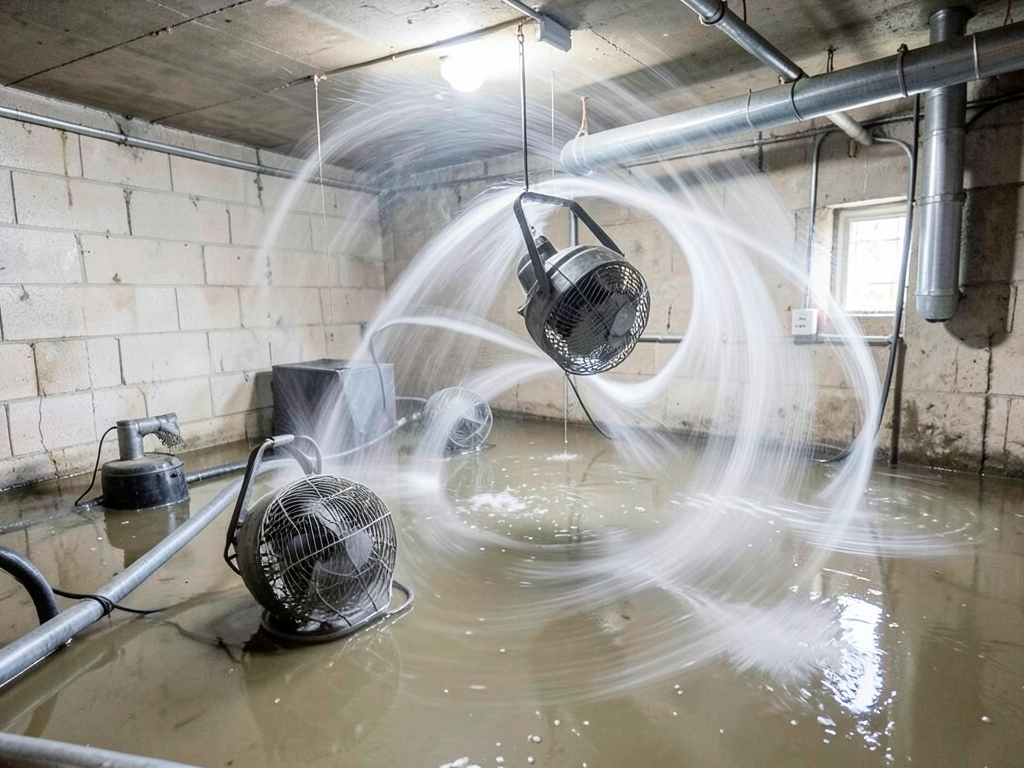
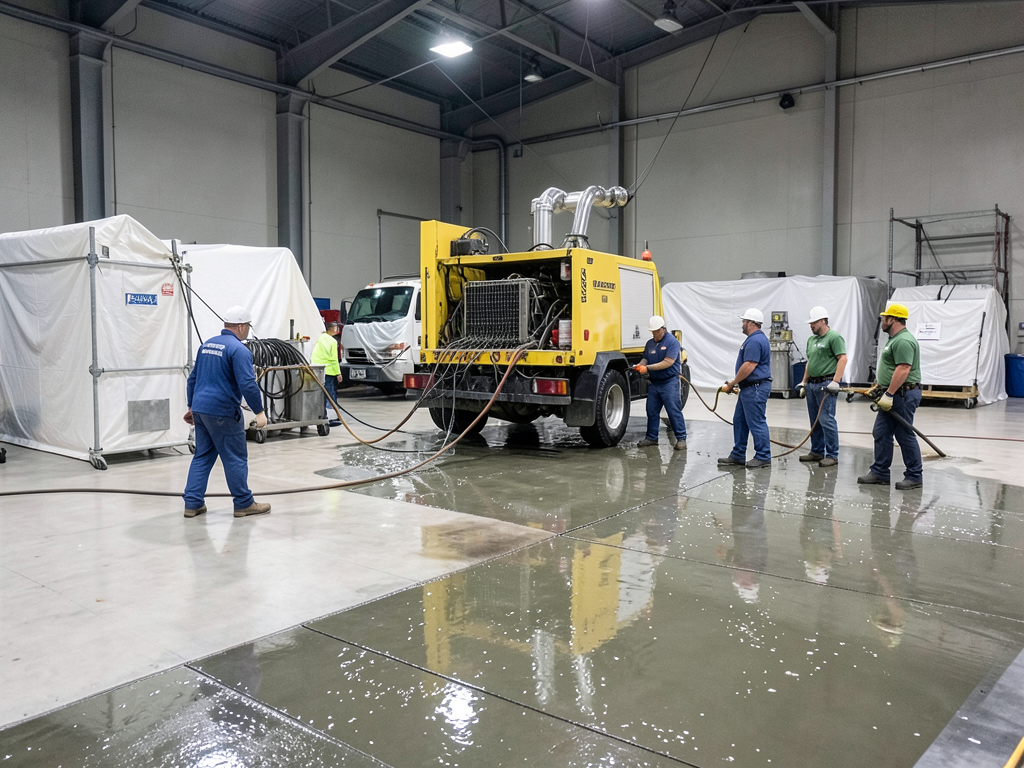
United Water Damage Restoration Los Angeles deploys commercial-grade extraction equipment within two hours of your call. Our truck-mounted pumps remove standing water at rates exceeding 200 gallons per minute. We position trailer-mounted desiccant dehumidifiers and axial air movers in calculated patterns based on psychrometric readings and moisture mapping data. This creates negative pressure gradients that pull moisture from concrete, drywall, and structural materials faster than passive evaporation.

We conduct thermal imaging surveys to identify concealed water intrusion behind racking systems, inside insulated panels, and beneath flooring materials. Moisture meters provide quantified readings at multiple depths, establishing baseline data and tracking drying progress in 12-hour intervals. This documentation becomes critical for insurance claims and demonstrates due diligence in your mitigation efforts.

Our crews coordinate with your operations team to establish work zones that allow partial facility access during restoration. We isolate wet areas with plastic sheeting barriers and negative air machines equipped with HEPA filtration, preventing cross-contamination into dry zones. This phased approach lets you maintain limited operations or begin inventory salvage in unaffected sections while we execute industrial water damage cleanup in compromised areas.

We extract water from carpet, remove saturated insulation, and apply antimicrobial treatments to all affected surfaces. Our team documents pre-loss conditions, photographs damage progression, and maintains chain-of-custody records for disposed materials. This evidence package supports your insurance claim and protects against subrogation disputes. We coordinate directly with your adjuster, property manager, and legal team to ensure alignment on scope, timeline, and cost projections. Every decision prioritizes minimizing downtime and controlling total loss exposure.

What Happens During Commercial Warehouse Restoration

Warehouse Flood Restoration in Los Angeles – Industrial-Grade Solutions That Keep Your Operations Running
01

Emergency Water Extraction

We arrive on-site with truck-mounted extractors and portable pumps capable of removing thousands of gallons per hour. Our team identifies the water source, stops active intrusion if possible, and begins immediate extraction from floor surfaces, loading docks, and below-grade areas. We document initial moisture levels and photograph all affected zones before moving equipment or inventory.
02

Controlled Drying and Monitoring

After extraction, we deploy industrial dehumidifiers and high-velocity air movers in configurations designed for your facility layout. We monitor temperature, relative humidity, and material moisture content every 12 hours using calibrated hygrometers and moisture meters. Our technicians adjust equipment placement and airflow patterns based on psychrometric data to accelerate drying without causing secondary damage to sensitive inventory or finishes.
03

Final Verification and Clearance

We continue monitoring until all structural materials reach equilibrium moisture content standards for Los Angeles's climate zone. Final verification includes thermal imaging scans, surface moisture readings, and air quality testing if mold growth occurred. You receive a comprehensive restoration report with before-and-after documentation, equipment logs, and certification that your facility meets industry drying standards before we demobilize equipment.

Why Los Angeles Warehouses Need Local Industrial Restoration Experts

Los Angeles warehouse flooding requires knowledge of local construction methods, seismic retrofit standards, and the unique infrastructure challenges facing industrial properties built between the 1960s and 1990s. Many facilities in Commerce, Vernon, and the Alameda Corridor industrial zone sit on concrete slabs with minimal vapor barriers, making them vulnerable to groundwater intrusion during seasonal storms. Older buildings often have cast iron supply lines subject to corrosion failure and galvanized drain systems that collapse without warning.

United Water Damage Restoration Los Angeles understands these vulnerabilities because we work exclusively in Southern California's commercial and industrial sectors. We know that warehouses near the Los Angeles River face elevated flood risks during El Niño precipitation events. We recognize that facilities storing temperature-sensitive inventory require climate-controlled drying to prevent condensation on chilled goods during restoration. We coordinate with local industrial electricians and mechanical contractors who understand California Title 24 energy code requirements and can restore HVAC systems damaged by water intrusion.

Our team maintains relationships with commercial insurance adjusters, third-party administrators, and risk management consultants serving the Los Angeles market. We understand the documentation standards these professionals require and deliver reports that accelerate claim processing. Our technicians hold IICRC certifications in commercial water damage restoration and applied structural drying, demonstrating competency in industry-recognized protocols.

We also maintain equipment inventory sized for large-loss commercial projects. Our fleet includes trailer-mounted desiccant dehumidifiers, truck-mounted extraction units, and portable generators that ensure continuous operation even if your facility loses power. This equipment capacity lets us scale response efforts to match your facility size without delays waiting for additional resources. When you need industrial flood recovery that minimizes downtime and controls costs, local expertise and commercial-grade capabilities make the difference.

What to Expect During Warehouse Flood Restoration

Rapid Response and Mobilization

We dispatch crews within two hours of your call, 24 hours per day. Our team arrives with extraction equipment, moisture detection tools, and enough initial capacity to begin work immediately. We conduct a walkthrough assessment within 30 minutes of arrival, identify the extent of water intrusion, and provide verbal estimates for timeline and scope. You receive written project proposals within four hours detailing equipment deployment, estimated drying time, and projected costs. This rapid mobilization reduces standing water exposure time and limits secondary damage to inventory, finishes, and building systems. Our goal is containment first, then systematic extraction and drying using proven industrial protocols.

Detailed Damage Assessment and Inventory Documentation

Our assessment includes thermal imaging to locate concealed moisture, moisture meter readings at multiple depths in structural materials, and photographic documentation of all affected areas. We create detailed inventory logs identifying salvageable goods, compromised materials, and items requiring disposal. This documentation meets insurance carrier standards and provides the evidence base for your claim. We test HVAC systems, electrical panels, and fire suppression equipment for water damage. You receive a moisture map showing water migration patterns, affected square footage, and material-specific drying requirements. This assessment guides our restoration strategy and helps you make informed decisions about business continuity, temporary relocation, and inventory salvage operations.

Complete Structural Drying and Verification

We establish target moisture content levels for concrete, drywall, insulation, and wood framing based on IICRC S500 standards. Our equipment runs continuously until all materials reach equilibrium moisture content for Los Angeles's climate zone. We monitor progress using calibrated hygrometers and document readings in 12-hour intervals. Final verification includes thermal imaging confirmation that no concealed moisture remains and surface moisture readings across all affected materials. You receive certification that your facility meets industry drying standards before we remove equipment. This verification protects you against future mold claims and demonstrates proper mitigation to your insurance carrier. The result is a completely dry facility ready for reconstruction, restocking, or immediate operational use.

Ongoing Support and Claims Coordination

We maintain open communication with your insurance adjuster, property manager, and legal team throughout the project. Our final deliverable includes a comprehensive restoration report with photographic documentation, equipment logs, moisture readings, and compliance certifications. This report satisfies insurance carrier requirements and supports your claim valuation. We provide references for commercial contractors qualified to handle reconstruction if structural repairs are needed. Our team remains available for follow-up inspections, additional moisture testing, or consultation during the reconstruction phase. If disputes arise with your carrier regarding scope or cost, we provide expert testimony and documentation to support your position. This ongoing support ensures you have the resources needed to close your claim and return to full operations.

Frequently Asked Questions

You Have Questions,
We Have Answers

What does a restoration company do after a flood? +

A restoration company begins with immediate water extraction using industrial-grade pumps and vacuums to remove standing water from your warehouse floor. Next, they deploy commercial dehumidifiers and air movers to dry structural elements like concrete slabs, walls, and ceiling systems. The team documents all damage for your insurance claim, removes unsalvageable materials, treats affected areas with antimicrobial solutions to prevent mold growth, and monitors moisture levels throughout the drying process. In Los Angeles warehouses, restoration companies also address specific concerns like salt air corrosion near port facilities or seismic code compliance during repairs. The final phase includes structural repairs and restoring your facility to operational status.

Is SERVPRO still in business? +

Yes, SERVPRO operates as a national franchise with multiple locations across the Los Angeles metro area. They provide water damage restoration services for commercial and residential properties. However, many warehouse operators in Los Angeles choose local restoration contractors who specialize in large-scale commercial projects and understand regional building codes, port district regulations, and the unique challenges of industrial facilities in Southern California. Local specialists often provide faster response times for warehouse emergencies and maintain established relationships with commercial insurance adjusters familiar with Los Angeles market conditions. Evaluate restoration companies based on commercial experience, equipment capacity, and knowledge of your specific warehouse district.

How much does it cost to rebuild after a flood? +

Warehouse flood restoration costs vary based on water volume, affected square footage, contamination level, and structural damage severity. You face expenses for water extraction, drying equipment, antimicrobial treatment, damaged inventory disposal, and structural repairs. In Los Angeles, additional cost factors include seismic retrofitting requirements if structural elements need replacement, compliance with California Title 24 energy codes for HVAC systems, and potential environmental remediation if the flood involved industrial contaminants. Your commercial property insurance typically covers restoration costs minus your deductible. Document everything immediately, separate business interruption losses from physical damage costs, and request detailed line-item estimates from multiple licensed contractors before approving work.

How long does water damage restoration take? +

Water damage restoration timelines for warehouses depend on affected square footage, water category, and structural penetration depth. Initial water extraction takes 24 to 48 hours for most warehouse floods. The drying phase requires 3 to 7 days with commercial dehumidifiers running continuously. Structural repairs and reconstruction add 2 to 6 weeks based on damage extent. Los Angeles warehouses near coastal areas may require extended drying times due to ambient humidity. Contaminated water from sewer backups or industrial sources extends timelines because of required decontamination protocols. Your restoration contractor should provide a detailed project schedule with milestones tied to moisture readings, not arbitrary dates, ensuring thorough drying before reconstruction begins.

Los Angeles Infrastructure and Seismic Risks Increase Warehouse Flood Exposure

Los Angeles warehouses face unique flooding risks from aging municipal water infrastructure, seismic activity, and seasonal storm events. Many industrial facilities in Vernon, Commerce, and downtown Los Angeles sit on reclaimed land with high water tables. Earthquakes fracture underground supply lines, creating sudden flooding without warning. Winter storms overwhelm undersized roof drains on older buildings, causing ponding and membrane failures. The Los Angeles Department of Water and Power maintains over 7,000 miles of water mains, many installed before 1970. These cast iron and galvanized steel lines corrode and fail at increasing rates, sending water surging into adjacent facilities. Warehouse flood restoration in Los Angeles requires understanding these infrastructure vulnerabilities and local building code requirements for seismic pipe bracing and backflow prevention.

United Water Damage Restoration Los Angeles works exclusively with commercial and industrial properties throughout Los Angeles County. We understand California building codes, Title 24 energy compliance, and local permit requirements for post-flood repairs. Our team coordinates with city inspectors, industrial electricians, and commercial general contractors familiar with Los Angeles construction standards. This local expertise ensures your restoration meets code and prepares your facility for required inspections. We maintain relationships with commercial insurance adjusters and third-party administrators who handle large-loss claims in the Los Angeles market. Our documentation protocols match their requirements, accelerating claim processing and reducing disputes. When your warehouse faces flooding, local knowledge protects your interests and speeds recovery.
Water Damage Restoration Services in The Los Angeles Area

United Water Damage Restoration Los Angeles is proud to service the entire Los Angeles area and surrounding communities. View our central location on the map to see our strategic positioning, which enables us to provide our guaranteed rapid response times across the region. If you need immediate assistance, please do not drive to our office; instead, call our 24/7 emergency hotline, and our fully-equipped team will be dispatched directly to your property without delay.

Address:
United Water Damage Restoration Los Angeles, 5800 S Eastern Ave, Los Angeles, CA, 90040

Additional Services We Offer

Our news updates

Latest Articles & News from The Blogs

What to Do When Your Wilmington Water Heater Floods Your Laundry Room A leaking water heater can release 40 to…

What to Do When Your Wilmington Water Heater Floods Your Laundry Room

What to Do When Your Wilmington Water Heater Floods Your Laundry Room A leaking water heater can release 40 to…

Getting Your West Hills Home Ready for the Los Angeles Rainy Season

Getting Your West Hills Home Ready for the Los Angeles Rainy Season The Santa Susana Mountains loom over West Hills…

Common Plumbing Problems in Miracle Mile Older Condo Buildings

Common Plumbing Problems in Miracle Mile Older Condo Buildings Miracle Mile’s charming historic condo buildings come with unique plumbing challenges…

Contact Us

Every hour your warehouse sits flooded, you lose revenue and risk greater damage. Call United Water Damage Restoration Los Angeles now at (209) 255-2558 for immediate dispatch. Our industrial flood recovery team arrives within two hours with commercial-grade equipment and proven protocols that minimize downtime.