


menu

Understanding Categories of Water in Los Angeles – Know What You're Dealing With Before It's Too Late

Learn the Three IICRC Water Categories That Determine Your Cleanup Strategy, Health Risks, and Insurance Coverage in Los Angeles Homes and Buildings

Slider Image 1
Slider Image 2
Slider Image 3
Slider Image 4
Slider Image 5
Slider Image 7
Slider Image 8
Slider Image 9
Slider Image 10
Slider Image 11

Why Water Category Classification Matters in Los Angeles Properties

Not all water damage is equal. A burst supply line in your Silver Lake apartment creates a different threat than a sewage backup in your Downtown Los Angeles commercial building. The Institute of Inspection, Cleaning and Restoration Certification defines three distinct water damage categories based on contamination levels, and knowing which one you face determines everything from cleanup protocol to insurance claims.

Los Angeles properties face unique water quality challenges. The city's aging infrastructure, combined with high-density housing from Echo Park to Koreatown, means contamination can escalate quickly. What starts as clean water from a broken pipe can become Category 2 or 3 within hours as it flows through building materials, picks up bacteria, or mixes with urban runoff.

Water contamination levels directly impact your health and your wallet. Category 1 water is relatively harmless. Category 2 contains significant contamination that can cause illness. Category 3 is grossly unsanitary and carries pathogens, heavy metals, and toxic agents. Each category requires different safety equipment, disposal procedures, and restoration techniques.

The classification is not static. In Los Angeles's warm climate, water categories degrade rapidly. Clean water sitting in your walls for 48 hours becomes Category 2 as microbial growth begins. This is why professional assessment matters immediately after any water intrusion. The IICRC water categories are not suggestions. They are the industry standard that determines safe restoration practices and protects you from liability.

Understanding these types of water contamination helps you respond appropriately. You cannot treat sewage backup like a leaky faucet. The water quality classifications exist to prevent illness, structural damage, and costly mistakes.

Why Water Category Classification Matters in Los Angeles Properties
How Water Categories Are Determined and Classified

How Water Categories Are Determined and Classified

Category 1 water originates from a sanitary source. This includes supply lines, toilet tanks (not bowls), melting snow, and rainwater that has not contacted contaminants. It poses no immediate health threat if consumed or touched. However, Category 1 does not stay Category 1 forever. Once it contacts building materials, sits stagnant, or flows through occupied spaces, contamination begins.

Category 2 water contains biological, chemical, or physical contaminants that cause discomfort or sickness if ingested. Common sources include washing machine overflows, dishwasher leaks, toilet bowls with urine (no feces), and aquarium spills. This water requires antimicrobial treatment and careful handling. In Los Angeles multi-family buildings, Category 2 water can spread between units through shared walls and floors, complicating the restoration scope.

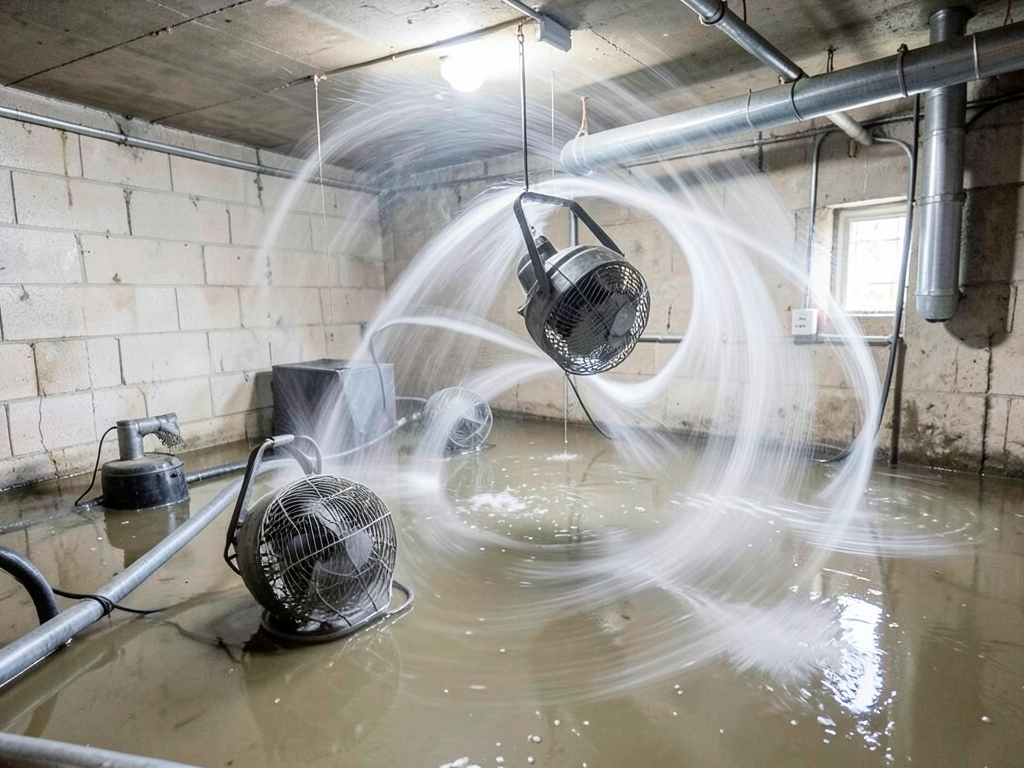
Category 3 water is grossly contaminated and contains pathogenic agents, toxins, or hazardous materials. Sewage backups, flooding from rivers or storm surge, and water that has sat stagnant for more than 72 hours all fall into this category. Any Category 1 or 2 water that contacts Category 3 sources becomes Category 3. This water requires full PPE, containment barriers, and specialized disposal procedures.

United Water Damage Restoration Los Angeles uses moisture meters, thermal imaging, and laboratory testing when necessary to determine exact water categories. We do not guess. A visual inspection is insufficient because contamination is often invisible. We test pH levels, check for coliform bacteria, and assess the source path to classify water accurately.

The classification determines which materials can be saved and which must be removed. Category 3 water requires removing all porous materials like drywall, insulation, and carpet padding. Category 1 may allow for drying and sanitizing. This is not about being cautious. This is about following established protocols that protect your health and prevent future microbial growth.

How We Assess and Respond to Water Categories

Understanding Categories of Water in Los Angeles – Know What You're Dealing With Before It's Too Late
01

Source Identification and Testing

We trace the water to its origin and document the flow path through your property. This determines the initial category classification. We use ATP meters to measure biological contamination and collect samples when sewage or unknown sources are involved. Every water intrusion event gets a written classification report that supports your insurance claim and guides our restoration plan.
02

Category-Specific Containment and Extraction

Category 1 water receives standard extraction and drying. Category 2 requires antimicrobial application and barrier protection to prevent cross-contamination. Category 3 demands full containment with negative air pressure, HEPA filtration, and hazmat-level PPE. We adjust our equipment, chemicals, and disposal procedures based on the confirmed water quality classification. There is no one-size-fits-all approach to water damage.
03

Documentation and Verification

We provide detailed reports that include the water category, affected materials, removal procedures, and post-restoration testing results. For Category 2 and 3 losses, we conduct clearance testing to confirm all contamination has been eliminated. This documentation protects you legally and ensures your insurance company has the evidence needed to process your claim accurately. We follow IICRC S500 standards without deviation.

Why Local Expertise Matters for Water Category Assessment in Los Angeles

Los Angeles has specific contamination risks that generic restoration companies miss. The city's combined sewer system, particularly in older neighborhoods like Boyle Heights and Westlake, means heavy rains can cause sewage to back up into buildings. This instantly creates Category 3 conditions that require aggressive remediation. A company unfamiliar with LA's infrastructure might misclassify this as Category 1 or 2 rainwater, leaving you exposed to pathogens.

Our team understands how water moves through Los Angeles buildings. Post-tension slab foundations common in newer LA construction trap water differently than raised foundations in older Venice bungalows. Multi-story buildings in Downtown and Koreatown experience vertical water migration that changes category classification as water picks up contaminants floor by floor. We account for these architectural variables when assessing water quality.

We also know the local insurance landscape. Los Angeles carriers scrutinize water category claims heavily because of fraud history in the region. If we classify water incorrectly, your claim gets denied. We provide the detailed documentation and photographic evidence that LA adjusters expect. Our reports reference IICRC standards by section number, include chain of custody for samples, and provide before and after moisture readings.

United Water Damage Restoration Los Angeles maintains relationships with local industrial hygienists and environmental testing labs. When category classification is disputed or unclear, we bring in third-party verification. This is common in mixed-source events where both clean and contaminated water are present. We do not take shortcuts that jeopardize your claim or your health.

Local building codes also affect water category response. Los Angeles requires permits for certain demolition work related to Category 3 contamination. We handle the permit process and ensure all disposal follows city hazardous waste regulations. Out-of-area companies often ignore these requirements, leaving you liable for code violations.

What Happens When We Respond to Water Category Events

Immediate Response and Classification

We arrive within 60 minutes for emergency calls in the greater Los Angeles metro. Our technicians carry testing equipment on every truck, so classification happens on site during the first visit. You get a verbal assessment immediately and a written classification report within 24 hours. This speed matters because water categories degrade over time. What is Category 1 at 9 AM can be Category 2 by evening. We stop the clock on contamination progression by responding fast and classifying accurately from the start.

Detailed Assessment and Scope Development

We map the affected area with thermal imaging to find hidden moisture, then test moisture content in all materials. This determines what can be dried and what must be removed based on the water category. You receive a detailed scope of work that lists every material to be removed, every surface to be treated, and the specific antimicrobials or disinfectants required. For Category 3 events, we explain the demolition process and the safety measures we take to protect unaffected areas. No surprises, no upselling.

Category-Appropriate Restoration

Your property is restored using protocols specific to the water category. Category 1 jobs focus on rapid drying to prevent category degradation. Category 2 includes antimicrobial treatment of all affected surfaces. Category 3 requires complete removal of porous materials, HEPA vacuuming of framing, and application of encapsulants to seal any remaining contamination. We do not cut corners to save time or money. The IICRC standards exist because they work, and we follow them exactly.

Post-Remediation Verification

We conduct final moisture readings and surface testing to confirm all contamination is eliminated. For Category 2 and 3 losses, this includes ATP testing or lab analysis of swab samples. You receive a certificate of completion that documents the water category, work performed, and final test results. This protects you if you sell the property or if future issues arise. We also provide guidance on preventing future water intrusions specific to your property type and the original failure point.

Frequently Asked Questions

You Have Questions,
We Have Answers

What are the 5 types of water? +

In water damage restoration, professionals classify water into three primary categories, not five. Category 1 is clean water from supply lines or faucets. Category 2 is gray water from appliances like dishwashers or washing machines, containing some contaminants. Category 3 is black water from sewage backups or flooding, which carries serious health risks. Los Angeles homes face all three types, especially during storm events when aging sewer systems overflow or the Los Angeles River floods nearby properties. Understanding these categories helps you recognize the urgency and safety protocols needed for proper restoration.

What is category 1, 2, and 3 water? +

Category 1 water is clean water from sanitary sources like broken supply lines or overflowing sinks. It poses no immediate health threat. Category 2 water contains chemical, biological, or physical contaminants. Sources include washing machine overflows or toilet bowls with urine. Category 3 water is grossly contaminated, carrying pathogenic bacteria and toxins. Sewage backups, river flooding, and stagnant Category 2 water that sits over 48 hours become Category 3. Los Angeles properties near aging infrastructure or below-grade basements face higher Category 3 risks during heavy rain when municipal systems overwhelm. Professional assessment determines proper safety protocols and disposal requirements.

What are the three categories of water? +

The three water damage categories are Category 1, Category 2, and Category 3. Category 1 is clean water from sanitary sources. Category 2 is gray water with contaminants that may cause discomfort or illness. Category 3 is black water containing sewage, pathogens, and toxic materials. These classifications guide restoration professionals in determining safety protocols, personal protective equipment requirements, and disposal methods. In Los Angeles, where older homes and aging sewer infrastructure are common, water can quickly degrade from Category 1 to Category 3 if not addressed within 24 to 48 hours, especially in warm weather that accelerates bacterial growth.

What is a Category 3 water? +

Category 3 water is grossly contaminated water containing pathogenic organisms, toxins, and hazardous materials. Sources include sewage backups, river or ocean flooding, and toilet overflows with feces. Any water that has contacted soil or waste systems becomes Category 3. This water poses serious health risks, requiring professional extraction, antimicrobial treatment, and often material removal. Los Angeles properties face Category 3 threats during storms when the Los Angeles River floods, during sewage backups in older neighborhoods with outdated clay pipes, and in coastal areas where saltwater intrusion occurs. Professional restoration with proper containment and disposal is mandatory, not optional.

What are the 8 types of water? +

The eight types of water reference is typically used in municipal or agricultural contexts, not water damage restoration. Restoration professionals use three water damage categories and four classes. The three categories describe contamination level. The four classes describe the rate of evaporation and materials affected. Class 1 affects minimal materials with slow evaporation. Class 2 affects an entire room with fast evaporation. Class 3 involves saturation from overhead sources. Class 4 requires specialty drying for materials like hardwood or plaster. Los Angeles restoration technicians use this classification system to determine equipment placement, drying time, and whether materials need removal or can be salvaged.

What are the four classes of water? +

The four classes of water damage describe the rate of evaporation and type of materials affected, not contamination level. Class 1 involves minimal absorption and slow evaporation, affecting small areas. Class 2 involves fast evaporation rates affecting an entire room, with water wicking up walls. Class 3 involves the fastest evaporation rate, with water coming from overhead sources, saturating walls, ceilings, insulation, and subfloors. Class 4 involves specialty drying situations with materials that have low permeance or porosity, like hardwood floors, plaster, or concrete. Los Angeles homes with stucco exteriors and hardwood floors often face Class 4 challenges requiring specialized desiccant equipment.

What is category 4 water? +

Category 4 water does not exist in the Institute of Inspection, Cleaning and Restoration Certification standards. The industry recognizes three categories of water contamination. Category 1 is clean, Category 2 is gray water, and Category 3 is black water. You may be thinking of Class 4 water damage, which describes materials with low permeability that resist drying. Class 4 situations involve hardwood floors, plaster walls, concrete subfloors, or crawl spaces where water penetrates dense materials. Los Angeles properties with original hardwood floors or plaster walls in older neighborhoods often require Class 4 specialty drying techniques using desiccant dehumidifiers and specialized airflow equipment.

What are the 4 categories of water use? +

The four categories of water use refer to municipal water management, not water damage restoration. Municipal categories typically include residential, commercial, industrial, and agricultural use. This differs from restoration water categories, which classify contamination levels. Category 1 is clean water from supply lines. Category 2 is gray water from appliances. Category 3 is black water from sewage or flooding. In Los Angeles, where water conservation is critical and the Department of Water and Power monitors usage patterns, understanding both systems helps property owners. Restoration professionals focus on contamination categories, while utility billing uses consumption categories for rate structures.

What are the classification of waters? +

In water damage restoration, water classification follows two systems. The three contamination categories are Category 1 clean water, Category 2 gray water, and Category 3 black water. The four classes describe evaporation rates and affected materials. Class 1 involves slow evaporation and minimal absorption. Class 2 involves fast evaporation affecting entire rooms. Class 3 involves the fastest evaporation from overhead sources. Class 4 involves specialty drying for low-permeability materials. Los Angeles restoration technicians use both classification systems simultaneously to determine proper safety protocols, equipment selection, and drying strategies based on your specific property conditions and local climate factors.

What is type 3 pure water? +

Type 3 pure water typically refers to laboratory or pharmaceutical grade water classifications, not water damage restoration categories. In restoration, Category 3 water is the opposite of pure, it is grossly contaminated black water containing sewage, pathogens, and toxins. Laboratory Type 3 water has specific resistivity requirements for research purposes. If you are asking about restoration Category 3 water in Los Angeles, this includes sewage backups, floodwater from the Los Angeles River, and toilet overflows with feces. Category 3 water requires professional extraction, antimicrobial treatment, and material disposal following EPA and California Department of Public Health guidelines for contaminated waste.

Why Los Angeles's Aging Infrastructure Makes Water Category Knowledge Critical

Los Angeles has over 7,000 miles of sewer lines, many installed before 1950. These clay and concrete pipes crack, allowing groundwater infiltration and sewage exfiltration. When your basement floods in Mid-City or your crawl space fills in Mar Vista, that water has often contacted sewage somewhere in the soil. This makes it Category 3 by default, even if it looks clean. The city's push to separate storm and sewer systems is ongoing, but most of LA still operates on combined infrastructure. Any water intrusion during rain events carries contamination risk that property owners do not expect.

Los Angeles County Environmental Health Department enforces strict protocols for Category 3 water handling. Improper disposal of contaminated materials can result in fines and liability. United Water Damage Restoration Los Angeles is certified in biohazard waste handling and maintains the proper disposal accounts with licensed waste haulers. We also understand local insurance carrier expectations. LA adjusters have seen every trick and every shortcut, so they demand detailed documentation. Our category classification reports meet or exceed what local carriers require, which means faster claim approval and less out-of-pocket expense for you.
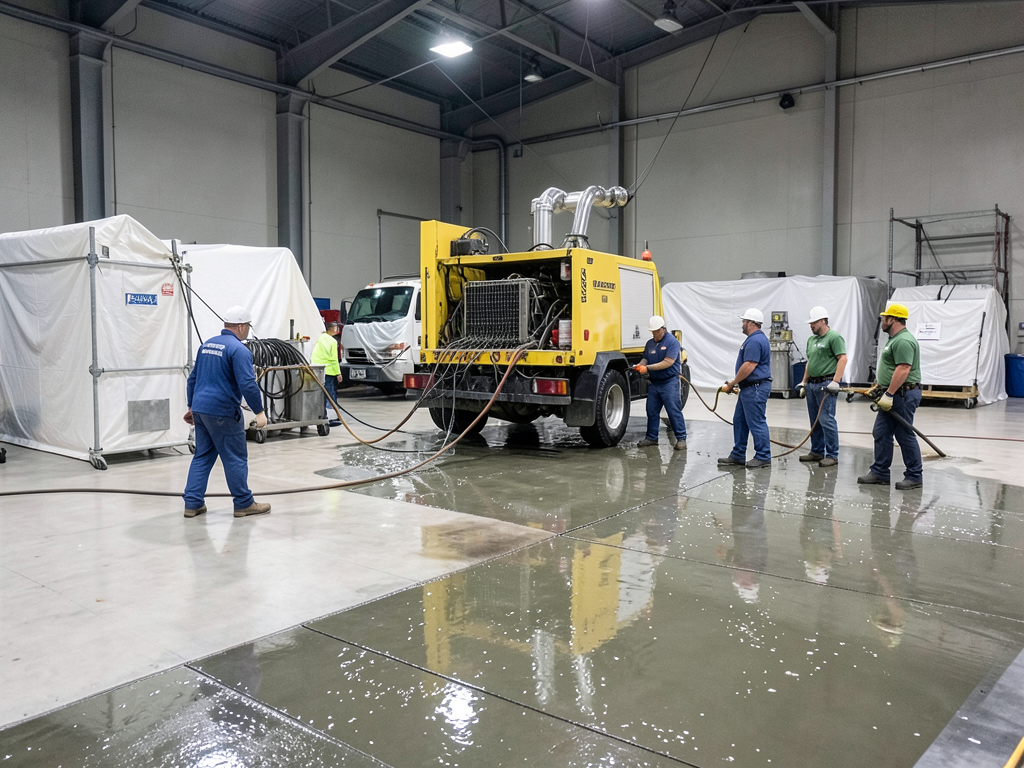
Water Damage Restoration Services in The Los Angeles Area

United Water Damage Restoration Los Angeles is proud to service the entire Los Angeles area and surrounding communities. View our central location on the map to see our strategic positioning, which enables us to provide our guaranteed rapid response times across the region. If you need immediate assistance, please do not drive to our office; instead, call our 24/7 emergency hotline, and our fully-equipped team will be dispatched directly to your property without delay.

Address:
United Water Damage Restoration Los Angeles, 5800 S Eastern Ave, Los Angeles, CA, 90040

Additional Services We Offer

Our news updates

Latest Articles & News from The Blogs

What to Do When Your Wilmington Water Heater Floods Your Laundry Room A leaking water heater can release 40 to…

What to Do When Your Wilmington Water Heater Floods Your Laundry Room

What to Do When Your Wilmington Water Heater Floods Your Laundry Room A leaking water heater can release 40 to…

Getting Your West Hills Home Ready for the Los Angeles Rainy Season

Getting Your West Hills Home Ready for the Los Angeles Rainy Season The Santa Susana Mountains loom over West Hills…

Common Plumbing Problems in Miracle Mile Older Condo Buildings

Common Plumbing Problems in Miracle Mile Older Condo Buildings Miracle Mile’s charming historic condo buildings come with unique plumbing challenges…

Contact Us

Water category misclassification puts your health and property at risk. Call United Water Damage Restoration Los Angeles at (209) 255-2558 for accurate assessment and IICRC-certified restoration. We respond immediately and provide the documentation your insurance company demands.