



Alhambra sits in the San Gabriel Valley where aging infrastructure meets modern water pressure demands. Homes built in the 1940s and 1950s through neighborhoods like Midwick and Emery Park contain galvanized pipes that corrode from inside. When these pipes fail, water floods through walls and floors before residents notice. The local clay soil common to areas near Almansor Park holds moisture against foundations, creating persistent dampness that accelerates mold growth after any water intrusion.
Summer heat in Alhambra pushes air conditioning systems harder, leading to condensation pan overflows and refrigerant line leaks that drip into ceilings. Winter storms overwhelm the city's vintage storm drains, especially in lower elevation areas near the Alhambra Wash, causing backup flooding through floor drains. Multi-family buildings along Valley Boulevard and Main Street face cascading damage when one unit's plumbing failure affects multiple floors.
The dense construction patterns in Alhambra mean water travels through shared walls and attic spaces, spreading damage beyond the original source. Stucco exteriors common throughout the city trap moisture inside wall cavities where it breeds mold invisible from outside. These local conditions make fast response essential for limiting destruction and keeping restoration costs manageable.
United Water Damage Restoration Los Angeles operates from the Los Angeles metro with crews that know every Alhambra neighborhood. We understand how water moves through the valley's specific building types and respond within the critical first hours when extraction makes the biggest difference. Our technicians arrive with truck-mounted extraction systems powerful enough to pull water from carpet padding and subfloors in one pass, not multiple visits. We bring thermal imaging cameras that locate hidden moisture in walls and ceilings that standard moisture meters miss.
Insurance companies recognize our documentation protocols. We photograph damage progression, measure moisture levels throughout the affected area, and provide detailed scope reports that adjusters accept without dispute. This coordination means faster claim approval and less out-of-pocket expense for you. We bill insurance directly for covered work, removing the burden of upfront payment during an already stressful situation.
Our restoration process follows IICRC S500 standards for water damage remediation, the industry benchmark that defines proper drying procedures and prevents secondary damage. We place commercial dehumidifiers and air movers in calculated patterns based on psychrometric principles, not guesswork. Moisture readings get recorded daily until materials return to dry standard, preventing callback visits for mold remediation months later.
Alhambra properties require specific knowledge. We know which building departments require permits for structural drying, how to coordinate with the city's strict historical preservation guidelines in certain districts, and when reconstruction work needs licensed contractors versus in-house completion. This local expertise speeds your property back to normal condition without code violations or insurance coverage gaps.

Water emergencies ignore business hours. Our crews respond to Alhambra calls any time day or night, arriving with full extraction and drying equipment within hours of your call. Fast response limits damage spread and reduces total restoration costs. We answer the phone live, not through answering services, and dispatch immediately from our Los Angeles location.

We communicate directly with your insurance adjuster, providing documentation they require for claim approval. Our estimates follow Xactimate pricing that adjusters recognize and accept. You avoid the stress of managing contractor communications and claim paperwork while dealing with property damage. We track what insurance covers versus what requires separate payment, keeping finances clear.
Our crews hold IICRC certifications in water damage restoration, the industry standard for proper remediation technique. This training means we extract water completely, dry structures to prevent mold, and document the process according to insurance requirements. Certified technicians understand building science principles that prevent problems months after the emergency ends.
We work throughout Alhambra and understand the building types, plumbing systems, and property ages common to each neighborhood. This familiarity means faster damage assessment and accurate restoration planning. We know which local challenges affect different parts of the city and adjust our approach to match your specific property conditions.
United Water Damage Restoration Los Angeles handles every phase of water damage remediation from initial emergency response through final reconstruction. Water intrusion requires coordinated services that address immediate flooding, structural drying, contamination concerns, and property restoration. Our crews perform all phases in sequence without delays between stages that extend displacement time.
Emergency water removal services deploy first to stop ongoing damage. Structural drying follows to eliminate moisture trapped in building materials. Cleanup addresses contamination from sewage or storm water. Restoration rebuilds what water destroyed, returning your property to pre-loss condition. This integrated approach prevents gaps between contractors and keeps your project moving toward completion.
Different water sources require different response protocols. Clean water from supply lines demands different treatment than gray water from appliances or black water from sewage backups. We assess the contamination category and apply appropriate remediation procedures that protect occupant health while meeting insurance requirements. Our service range covers residential homes, commercial buildings, and multi-family properties throughout Alhambra with the same thorough approach.
When water floods your property, immediate extraction prevents destruction from spreading. Our crews arrive with truck-mounted pumps that remove standing water in minutes, followed by extraction wands that pull moisture from carpets, padding, and porous materials. We document the damage extent for insurance, place emergency tarps over roof leaks, and shut off continuing water sources. This fast response during the first critical hours determines how much of your property survives versus requires replacement.
Water soaks into walls, floors, and ceilings where it breeds mold and rots structural materials if not dried properly. We place commercial dehumidifiers and air movers in patterns that create airflow through all affected materials. Thermal imaging locates hidden moisture in cavities that visual inspection misses. Daily moisture readings track drying progress until materials return to standard dry levels, preventing mold growth and secondary damage that appears weeks later.
After structures dry completely, restoration rebuilds what water destroyed. We replace damaged drywall, flooring, baseboards, and cabinets. Paint and texture work matches existing finishes so repairs blend invisibly. Licensed contractors handle electrical and plumbing repairs to code. We coordinate all trades and manage the reconstruction timeline so you deal with one company instead of multiple contractors. This integrated approach gets you back in your property faster.
Alhambra's mix of vintage homes and aging commercial buildings creates specific vulnerabilities to water damage. Properties built before 1970 contain plumbing systems approaching or exceeding their service life. Galvanized pipes corrode from inside, reducing water pressure before sudden failure floods walls and floors. Cast iron drain lines rust through, causing sewage backups that contaminate living spaces. The city's mature landscape means tree roots infiltrate sewer laterals, blocking drainage and forcing water back into buildings.
Summer heat strains air conditioning systems in properties without adequate ventilation. Condensation drips from ducts and pans into ceilings and walls, creating persistent moisture that encourages mold. Older buildings lack proper vapor barriers, allowing humidity to penetrate wall cavities where it condenses against cooler surfaces. Winter storms overwhelm vintage gutters and downspouts, sending water against foundations that crack and leak.
Multi-story buildings face cascading damage when upper-floor leaks travel downward through floor assemblies. Shared plumbing walls between units mean one property's problem becomes multiple claims. These patterns make water damage a recurring challenge across Alhambra's diverse building stock, requiring fast professional response to limit destruction.
Alhambra homes contain plumbing installed 50 to 80 years ago that corrodes from inside. When galvanized pipes fail, water floods walls and floors before anyone notices. The resulting damage destroys drywall, insulation, flooring, and personal property. Fast extraction and drying prevent mold growth and structural rot that multiply repair costs exponentially.
Heavy winter rains saturate the valley's clay soil, creating hydrostatic pressure against basement walls and slab foundations. Water seeps through cracks and penetrates through porous concrete, flooding lower levels and damaging stored belongings. Properties near the Alhambra Wash face additional risk from rising groundwater during prolonged storms that overwhelm drainage systems.
Mature trees throughout Alhambra send roots into sewer laterals seeking water and nutrients. These roots create blockages that force sewage backward into homes through toilets and drains. Black water contamination requires specialized cleanup that removes health hazards and sanitizes affected areas. Standard cleaning does not address pathogens present in sewage contaminated spaces.
Slow leaks from supply lines and drain pipes soak insulation and framing inside walls where damage stays invisible until mold appears or ceilings collapse. Stucco exteriors trap moisture inside, preventing natural drying that might limit damage in other climates. Thermal imaging and moisture meters locate these hidden problems before they require complete wall replacement.
Water damage creates chaos and stress. You need clear information about what happens next and realistic timelines for returning to normal. United Water Damage Restoration Los Angeles follows a structured response protocol that addresses immediate emergencies first, then progresses through drying, cleaning, and reconstruction phases. Each stage includes specific deliverables and completion criteria you can track.
When you call our emergency line, a trained coordinator takes your information and dispatches the nearest crew immediately. You receive an estimated arrival time and direct contact information for the responding technician. Our crews arrive with equipment loaded and ready to start work, not make assessment appointments for later dates. This immediate action mindset stops damage from spreading during critical first hours.
Throughout the restoration process, we maintain communication about progress, findings, and next steps. You receive written documentation of moisture readings, equipment placement, and daily drying progress. Insurance coordination happens in parallel so claims processing does not delay physical work. Our goal is returning you to your property as quickly as thorough remediation allows, not extending timelines to maximize billing.
Our crews respond to your call within hours, arriving with extraction equipment and moisture detection tools. We perform a complete damage assessment, photographing all affected areas and measuring moisture levels in floors, walls, and ceilings. You receive a clear explanation of what happened, what requires immediate attention, and what the full scope involves. We stop ongoing water intrusion, extract standing water, and place initial drying equipment before leaving the property.
Proper structural drying requires consistent monitoring until materials reach dry standard. Our technicians return daily to record moisture readings, adjust equipment placement, and document drying progress. You receive written logs showing how moisture levels decrease each day. This documentation proves to insurance adjusters that we followed proper procedures and dried the structure completely. We maintain equipment until testing confirms all affected materials meet industry dryness standards.
After structures dry completely, reconstruction begins to return your property to pre-loss condition. We coordinate all trades needed for complete restoration, managing timelines and quality control throughout. You review work at completion to ensure satisfaction before we consider the project finished. Our goal is restoration that makes the damage invisible, not patch work that shows where problems occurred. Final documentation goes to your insurance company to close the claim.
Water damage restoration follows a logical sequence that addresses immediate threats first, then progressively restores your property. United Water Damage Restoration Los Angeles structures every project through three distinct phases that build on each other toward complete recovery.
Within hours of your call, our crew arrives and begins removing water from your property. Truck-mounted pumps extract standing water while powerful vacuums pull moisture from carpets, padding, and porous materials. We locate the water source and stop ongoing intrusion. Thermal imaging identifies moisture in walls and ceilings that visual inspection misses. All affected areas get photographed and documented for insurance claims. This immediate response prevents damage from spreading while you sleep or work.
After extraction, we place commercial dehumidifiers and air movers in calculated patterns that create airflow through all affected building materials. Moisture trapped in walls, subfloors, and ceiling cavities takes days to dry completely. Our technicians return daily to measure progress and adjust equipment placement. Drying continues until moisture readings confirm all materials meet dry standard, preventing mold growth and rot. This monitored drying phase protects your long-term property value.
Once structures dry completely, we begin rebuilding damaged areas. Drywall, flooring, trim, and finishes get replaced to match existing conditions. Licensed contractors handle specialized work like electrical and plumbing repairs. We manage all trades and coordinate the timeline so reconstruction progresses smoothly toward completion. Final walkthrough ensures you approve all work before we close the project. Your property returns to pre-loss condition, erasing all evidence of the water damage incident.
Professional water damage restoration follows engineering principles and industry standards, not guesswork. The Institute of Inspection, Cleaning and Restoration Certification publishes the S500 Standard for Professional Water Damage Restoration, which defines proper procedures for assessment, water removal, drying, and documentation. This standard incorporates building science research about how moisture moves through different materials and what conditions prevent microbial growth.
Water damage falls into three contamination categories that determine appropriate response. Category 1 covers clean water from supply lines that poses no immediate health threat. Category 2 gray water from appliances or toilet tanks contains some contamination requiring sanitization. Category 3 black water from sewage or flooding introduces pathogens that require specialized cleaning protocols and material removal. Proper categorization prevents health risks and ensures insurance coverage.
Drying follows psychrometric principles that relate temperature, humidity, and vapor pressure. Materials release moisture into surrounding air only when vapor pressure favors evaporation. Dehumidifiers reduce ambient humidity to create favorable conditions, while air movers accelerate evaporation by replacing saturated air at material surfaces. Equipment placement follows calculated patterns based on room geometry and affected material types. Random fan placement does not create effective drying conditions.
United Water Damage Restoration Los Angeles uses moisture meters that measure water content in wood, drywall, and other porous materials. We establish baseline readings in unaffected areas, then compare affected areas to these standards. Daily readings track drying progress until all materials return to normal moisture content. This documentation proves complete drying occurred and prevents disputes about whether hidden moisture remains. Thermal imaging cameras locate temperature variations that indicate moisture presence in cavities and assemblies not accessible for direct measurement.
California requires licensing for contractors performing reconstruction work. We maintain appropriate licenses and insurance coverage for all restoration services. Permits get pulled when city building departments require inspections for structural repairs or system modifications. This regulatory compliance protects your property value and prevents complications when you sell or refinance.
The S500 Standard defines proper water damage restoration procedures based on building science research. Following this standard ensures complete drying that prevents mold and structural damage. Insurance companies recognize S500 compliance as proof of proper remediation. Our technicians hold IICRC certifications that demonstrate knowledge of these procedures and commitment to industry best practices that protect property owners.
Restoration costs depend on water volume, contamination category, affected material types, and damage duration before response. Clean water affecting hard surfaces costs less to remediate than sewage soaking through multiple floors. Fast response limits damage spread and reduces total restoration investment. Insurance typically covers sudden water damage from pipe failures but excludes gradual leaks from deferred maintenance. Understanding coverage before emergencies occur prevents surprise expenses.
Structural drying requires three to seven days depending on materials affected and environmental conditions. Concrete and plaster dry slower than wood framing and drywall. High humidity extends drying time while warm dry conditions accelerate moisture removal. Rushing the process by removing equipment too soon leaves hidden moisture that breeds mold weeks later. Patient monitored drying prevents problems that cost more to fix than the original water damage.
California requires contractor licenses for restoration work exceeding $500 in combined labor and materials. We maintain proper licensing and insurance to protect property owners from liability. Permits get pulled when required by local building departments for structural repairs or system work. This compliance protects your property value and prevents complications with future sales or refinancing when undocumented work gets discovered during inspections.
Professional water damage restoration company explains emergency response procedures, structural drying protocols, and complete remediation services for Alhambra properties. Video covers water extraction techniques, moisture monitoring standards, equipment placement strategies, and insurance coordination processes. United Water Damage Restoration Los Angeles demonstrates IICRC-certified restoration methods specific to San Gabriel Valley building types and local water damage challenges.
United Water Damage Restoration Los Angeles provides emergency response and complete restoration services throughout Alhambra and surrounding San Gabriel Valley communities. Our crews know the specific challenges facing different neighborhoods, from the vintage homes in Midwick to the commercial buildings along Valley Boulevard. This local familiarity means faster response times and accurate damage assessment based on property type and construction era.
The historic neighborhoods around Emery Park contain homes built in the 1920s through 1940s with original plumbing and roofing systems nearing end of service life. These properties require careful assessment to distinguish cosmetic damage from structural problems hidden behind period finishes. We understand appropriate restoration approaches that preserve architectural character while upgrading systems to prevent recurring failures. Properties near Almansor Park face additional challenges from mature landscaping that sends roots into aging sewer laterals, creating backup risks during heavy use periods.
Commercial corridors along Main Street and Garfield Avenue contain mixed-use buildings with ground floor retail and upper residential or office space. Water damage in these properties affects multiple tenants and requires coordination between business owners, landlords, and insurance carriers. We manage these complex restoration projects efficiently, minimizing business interruption while ensuring complete remediation. The denser construction patterns in downtown Alhambra mean water travels through shared walls and utility chases, affecting spaces beyond the original source. Our experience with these building types speeds damage containment and prevents disputes about responsibility between adjacent property owners.
Residential areas in north Alhambra near the San Bernardino Freeway face noise and vibration from traffic that loosens plumbing connections over time. Properties on the south side closer to the Alhambra Wash experience seasonal groundwater fluctuations that stress foundation waterproofing. We adjust our assessment and remediation approaches based on these neighborhood-specific risk factors, addressing root causes instead of just visible damage. This comprehensive approach prevents recurring problems that frustrate property owners and strain insurance relationships.
Multi-family properties throughout Alhambra require specialized restoration protocols that minimize displacement and coordinate with property management companies. We work efficiently to restore units while maintaining habitability in unaffected spaces, preserving rental income during repairs. Apartment buildings near Cal State Los Angeles face seasonal occupancy patterns that create optimal timing windows for major restoration work. Our scheduling flexibility accommodates these property management concerns while ensuring thorough remediation that meets building code and insurance requirements.
Water damage restoration in Alhambra typically takes 3 to 5 days for standard cases. Minor damage takes 1 to 2 days. Severe flooding or structural damage extends the timeline to 1 to 2 weeks. The duration depends on water category, affected area size, and material types. Class 1 damage dries fastest, while Class 4 requires extended drying time. Professionals use moisture meters to confirm complete drying before finishing repairs. Your restoration team provides a timeline after initial assessment.
Water damage restoration pricing in Alhambra varies based on damage severity, affected square footage, and water category. Small incidents involving clean water in limited areas cost less. Extensive flooding with contaminated water increases expenses due to safety protocols and disposal requirements. Structural repairs, flooring replacement, and mold remediation add to the total. Request detailed estimates from multiple certified companies. Most provide free inspections and written quotes before starting work.
Most homeowner insurance policies in Alhambra cover sudden and accidental water damage. Burst pipes, appliance malfunctions, and roof leaks typically qualify for coverage. Flood damage requires separate flood insurance. Gradual damage from poor maintenance usually gets denied. Review your policy declarations page and contact your insurance agent immediately after damage occurs. Document everything with photos and videos. Restoration companies often work directly with insurance adjusters to streamline claims processing.
Water damage restoration in Alhambra typically takes 3 to 5 days for standard cases. Minor damage takes 1 to 2 days. Severe flooding or structural damage extends the timeline to 1 to 2 weeks. The duration depends on water category, affected area size, and material types. Class 1 damage dries fastest, while Class 4 requires extended drying time. Professionals use moisture meters to confirm complete drying before finishing repairs. Your restoration team provides a timeline after initial assessment.
Water damage restoration pricing in Alhambra varies based on damage severity, affected square footage, and water category. Small incidents involving clean water in limited areas cost less. Extensive flooding with contaminated water increases expenses due to safety protocols and disposal requirements. Structural repairs, flooring replacement, and mold remediation add to the total. Request detailed estimates from multiple certified companies. Most provide free inspections and written quotes before starting work.
Most homeowner insurance policies in Alhambra cover sudden and accidental water damage. Burst pipes, appliance malfunctions, and roof leaks typically qualify for coverage. Flood damage requires separate flood insurance. Gradual damage from poor maintenance usually gets denied. Review your policy declarations page and contact your insurance agent immediately after damage occurs. Document everything with photos and videos. Restoration companies often work directly with insurance adjusters to streamline claims processing.
You need water damage restoration in Alhambra if you notice standing water, wet carpets, or water stains on walls and ceilings. Warped flooring, peeling paint, and musty odors indicate hidden moisture. Increased humidity levels above 60% promote mold growth. Check for soft spots in drywall and discolored baseboards. Professional moisture detection equipment finds water in wall cavities and under flooring. Address any water intrusion within 24 to 48 hours to prevent secondary damage.
You may stay in your Alhambra home during minor water damage restoration affecting one room. Extensive damage requiring major demolition or affecting multiple rooms makes staying uncomfortable. Sewage backups and Category 3 water create health hazards requiring evacuation. Loud equipment runs continuously during drying. Restoration companies assess safety concerns and recommend temporary relocation when necessary. Your health and safety take priority over convenience during the restoration process.
Water damage restoration in Alhambra follows a structured process. First, technicians inspect and assess damage extent. They extract standing water using pumps and vacuums. Industrial dehumidifiers and air movers dry affected areas over several days. Teams remove damaged materials like drywall, insulation, and flooring. Antimicrobial treatments prevent mold growth. Final steps include repairs, reconstruction, and restoration to pre-loss condition. Professional companies document each phase with photos and moisture readings for insurance purposes.
Choose an Alhambra water damage restoration company with IICRC certification and years of local experience. Verify they offer 24/7 emergency response. Read online reviews on Google and Yelp. Ask for references from recent clients. Confirm they use professional-grade equipment and follow industry standards. Request written estimates detailing all services. Check if they work directly with insurance companies. Select a company with trained technicians and proper equipment for thorough restoration work.
Ignoring water damage in your Alhambra home leads to structural deterioration. Wood rot weakens floor joists and wall studs. Mold grows within 24 to 48 hours, creating health risks. Drywall crumbles and paint peels. Metal fixtures corrode. Electrical systems face short circuit risks. Carpet and padding become permanently damaged. Property value decreases significantly. Secondary damage costs far exceed immediate restoration expenses. Delayed action transforms minor problems into major reconstruction projects requiring extensive repairs.
Water damage restoration in Alhambra includes mold prevention through rapid drying and antimicrobial treatments. If mold already exists, companies provide separate mold remediation services. Technicians assess mold growth extent and develop removal plans. They contain affected areas, remove contaminated materials, and treat surfaces with antimicrobial solutions. HEPA filtration cleans airborne spores. Mold remediation follows specific protocols beyond standard water extraction. Some companies handle both services, while others refer mold issues to specialists.
Call for water damage restoration in Alhambra immediately after finding water damage. The first 24 hours are critical for preventing mold growth and structural damage. Water spreads quickly through porous materials. Quick response minimizes damage extent and restoration time. Professionals arrive within hours for emergency situations. Delaying even one day increases damage severity and total restoration needs. Save emergency contact numbers in your phone. Early intervention protects your property and reduces overall impact significantly.
You need water damage restoration in Alhambra if you notice standing water, wet carpets, or water stains on walls and ceilings. Warped flooring, peeling paint, and musty odors indicate hidden moisture. Increased humidity levels above 60% promote mold growth. Check for soft spots in drywall and discolored baseboards. Professional moisture detection equipment finds water in wall cavities and under flooring. Address any water intrusion within 24 to 48 hours to prevent secondary damage.
You may stay in your Alhambra home during minor water damage restoration affecting one room. Extensive damage requiring major demolition or affecting multiple rooms makes staying uncomfortable. Sewage backups and Category 3 water create health hazards requiring evacuation. Loud equipment runs continuously during drying. Restoration companies assess safety concerns and recommend temporary relocation when necessary. Your health and safety take priority over convenience during the restoration process.
Water damage restoration in Alhambra follows a structured process. First, technicians inspect and assess damage extent. They extract standing water using pumps and vacuums. Industrial dehumidifiers and air movers dry affected areas over several days. Teams remove damaged materials like drywall, insulation, and flooring. Antimicrobial treatments prevent mold growth. Final steps include repairs, reconstruction, and restoration to pre-loss condition. Professional companies document each phase with photos and moisture readings for insurance purposes.
Choose an Alhambra water damage restoration company with IICRC certification and years of local experience. Verify they offer 24/7 emergency response. Read online reviews on Google and Yelp. Ask for references from recent clients. Confirm they use professional-grade equipment and follow industry standards. Request written estimates detailing all services. Check if they work directly with insurance companies. Select a company with trained technicians and proper equipment for thorough restoration work.
Ignoring water damage in your Alhambra home leads to structural deterioration. Wood rot weakens floor joists and wall studs. Mold grows within 24 to 48 hours, creating health risks. Drywall crumbles and paint peels. Metal fixtures corrode. Electrical systems face short circuit risks. Carpet and padding become permanently damaged. Property value decreases significantly. Secondary damage costs far exceed immediate restoration expenses. Delayed action transforms minor problems into major reconstruction projects requiring extensive repairs.
Water damage restoration in Alhambra includes mold prevention through rapid drying and antimicrobial treatments. If mold already exists, companies provide separate mold remediation services. Technicians assess mold growth extent and develop removal plans. They contain affected areas, remove contaminated materials, and treat surfaces with antimicrobial solutions. HEPA filtration cleans airborne spores. Mold remediation follows specific protocols beyond standard water extraction. Some companies handle both services, while others refer mold issues to specialists.
Call for water damage restoration in Alhambra immediately after finding water damage. The first 24 hours are critical for preventing mold growth and structural damage. Water spreads quickly through porous materials. Quick response minimizes damage extent and restoration time. Professionals arrive within hours for emergency situations. Delaying even one day increases damage severity and total restoration needs. Save emergency contact numbers in your phone. Early intervention protects your property and reduces overall impact significantly.
United Water Damage Restoration Los Angeles is proud to service the entire Los Angeles area and surrounding communities. View our central location on the map to see our strategic positioning, which enables us to provide our guaranteed rapid response times across the region. If you need immediate assistance, please do not drive to our office; instead, call our 24/7 emergency hotline, and our fully-equipped team will be dispatched directly to your property without delay.
Address:
Alhambra, CA, 91108

Restoring a Flooded Medical Clinic in Century City Without Compromising Patient Privacy or Sterile Zones When water floods a medical clinic in Century City the stakes go far beyond wet carpets. Patient records must stay…
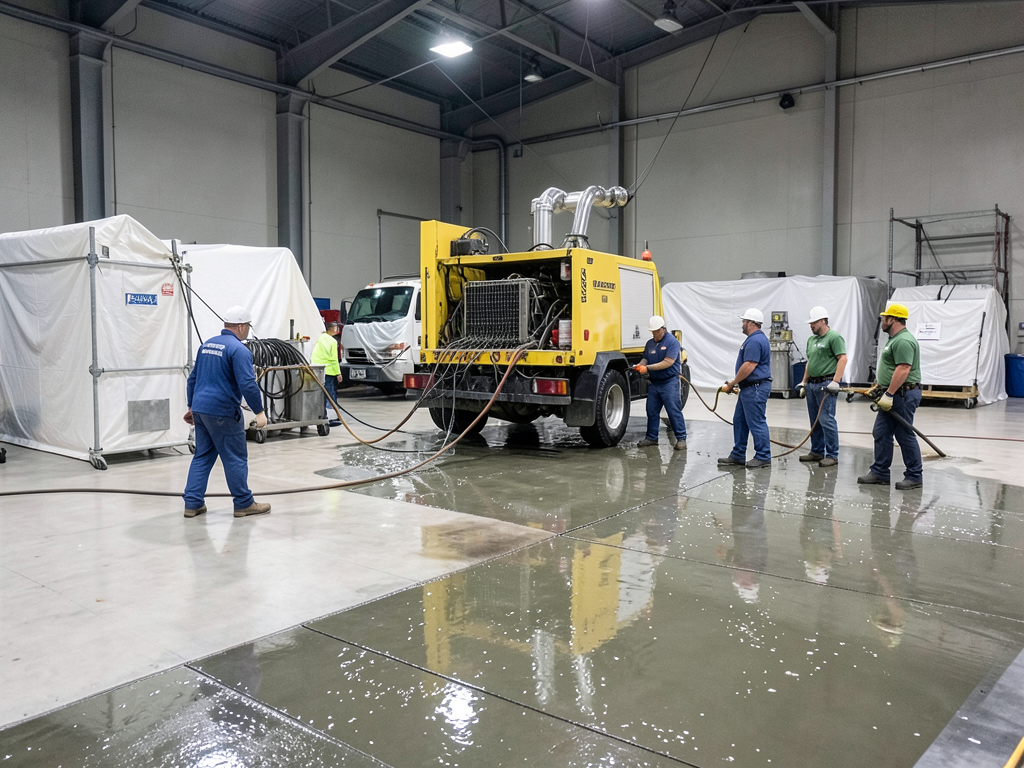
Water Damage Mitigation Strategies for Sound Stages and Production Facilities in Burbank Burbank's entertainment industry…
Removing Yellow Water Stains from the Luxury Marble in Your Beverly Hills Bathroom\n\nYour marble bathroom…
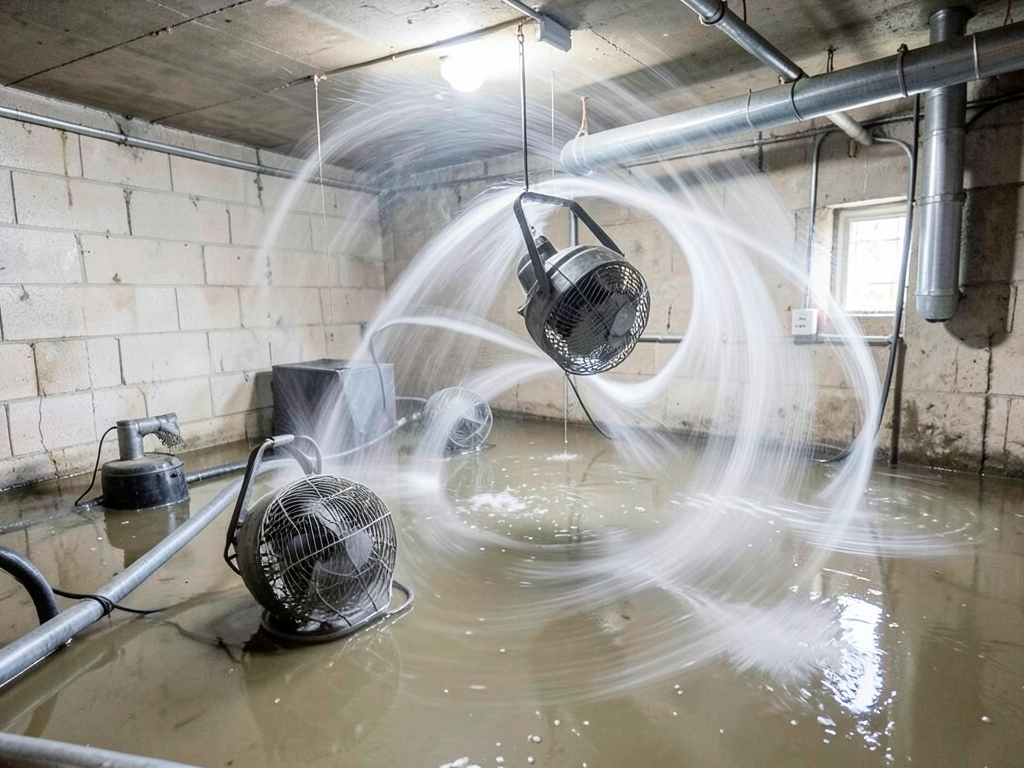
Why Household Fans Are Not Enough to Dry Out a Flooded Basement in Hollywood Hills…
Water damage spreads fast and destroys more with every passing hour. United Water Damage Restoration Los Angeles responds immediately with professional extraction and drying services. Call (209) 255-2558 now for 24/7 emergency dispatch. Our crews arrive ready to stop the damage and start restoration today.