




menu

Peeling Paint & Wallpaper in Los Angeles – Expert Diagnosis of Hidden Water Damage Before It Spreads

We identify the moisture source behind bubbling paint and lifting wallpaper, prevent mold growth, and restore structural integrity in Los Angeles homes affected by water intrusion.

Slider Image 1
Slider Image 2
Slider Image 3
Slider Image 4
Slider Image 5
Slider Image 7
Slider Image 8
Slider Image 9
Slider Image 10
Slider Image 11

Why Your Walls Are Telling You There's a Water Problem

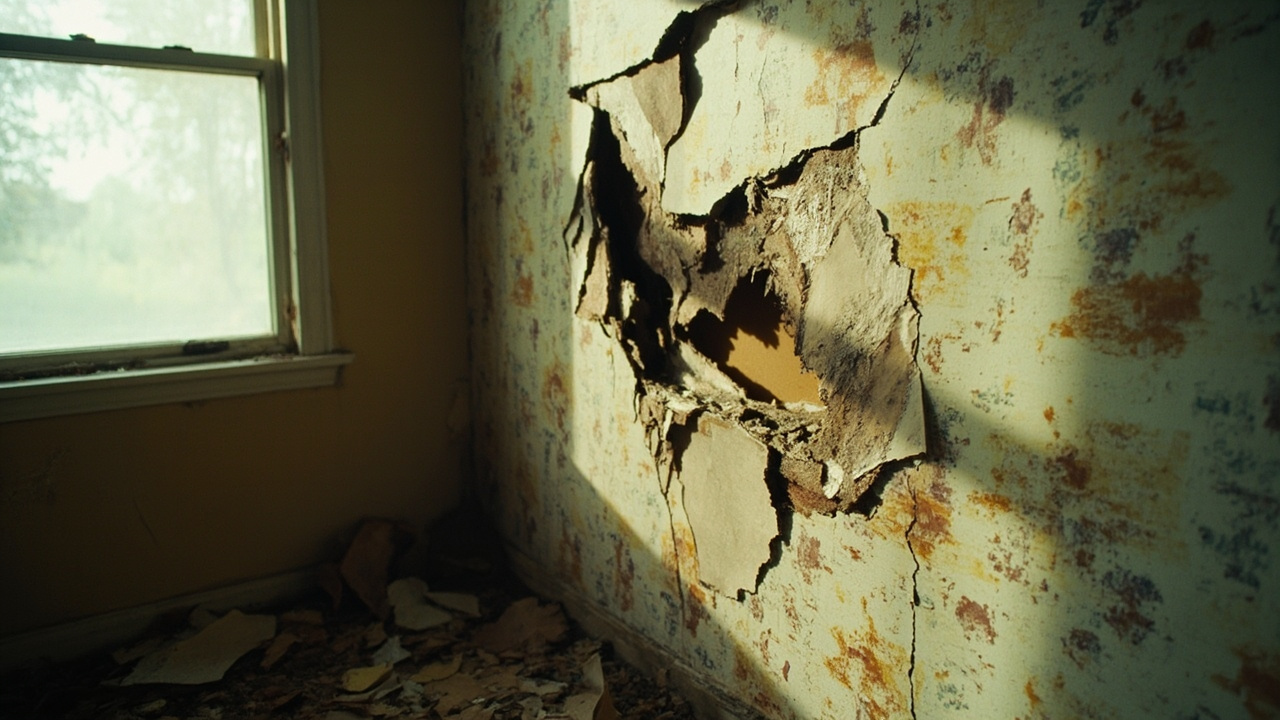
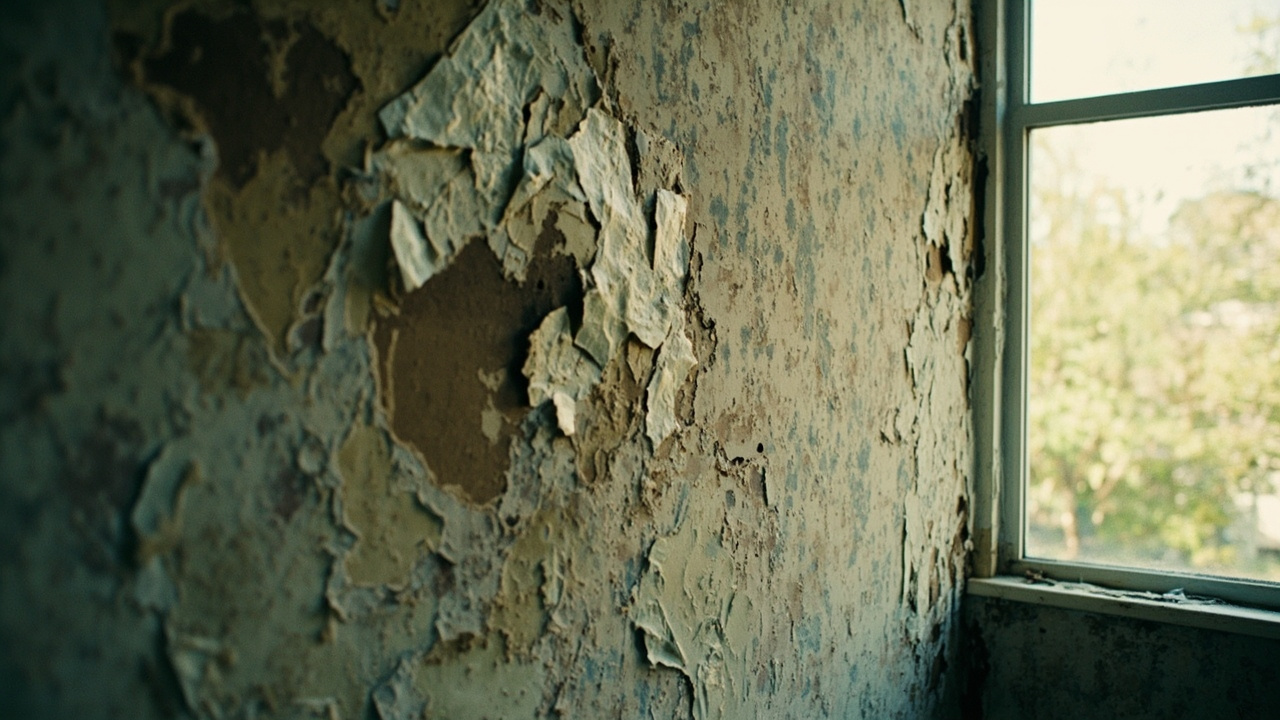
Bubbling paint and lifting wallpaper are not cosmetic issues. They are visible warnings of active water intrusion behind your walls. In Los Angeles, older homes built with plaster and lathe, combined with outdated plumbing in neighborhoods like Highland Park and Eagle Rock, create a perfect environment for slow leaks that go unnoticed until the damage becomes visible.

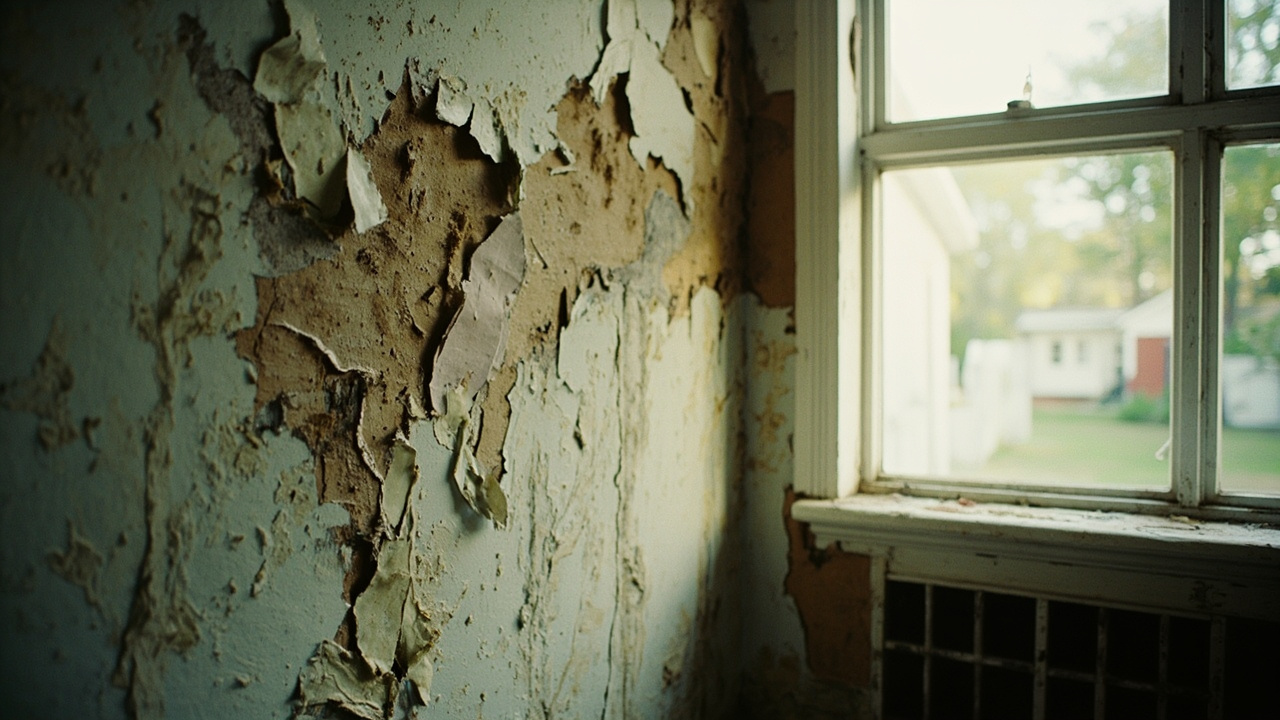
When water seeps into drywall or plaster from a leaking pipe, roof intrusion, or foundation crack, it saturates the substrate. Paint and wallpaper adhesion fail. You see blistering wall paint, flaking paint that peels in strips, and wallpaper that bubbles or hangs loose at the seams. The wall feels spongy when you press it. Sometimes you smell a musty odor.

Los Angeles's Mediterranean climate, with dry summers and concentrated winter rains, creates expansion and contraction cycles that stress older building materials. When rain does hit, it hits hard. Flat roofs common in Mid-Century homes in Silver Lake and Los Feliz are notorious for developing leaks at flashing points. These leaks travel down wall cavities and show up as peeling paint on interior walls far from the actual entry point.

Ignoring these signs leads to three problems. First, the moisture spreads to adjacent framing, rotting studs and weakening structural support. Second, mold colonizes the damp substrate within 48 hours, creating air quality issues. Third, the longer you wait, the more material we have to remove and replace. What starts as a $2,000 repair can escalate to $8,000 once framing is compromised.

The question is not whether you have water damage. The question is where it is coming from and how far it has spread.

Why Your Walls Are Telling You There's a Water Problem
How We Find and Fix the Real Problem

How We Find and Fix the Real Problem

We do not just patch over peeling paint. We treat the symptom as a diagnostic clue and work backwards to the source.

Our technicians arrive with thermal imaging cameras and moisture meters. Thermal imaging identifies temperature differentials caused by evaporative cooling where moisture is present. Moisture meters give us precise readings inside wall cavities without destructive testing. We map the affected area and trace the moisture gradient to its highest concentration, which typically points to the leak origin.

Once we locate the source, whether it is a pinhole leak in galvanized piping, a cracked shower pan, or failed window flashing, we coordinate the repair. If it is plumbing-related, we bring in licensed plumbers. If it is roofing or exterior envelope failure, we coordinate with the appropriate trades. We do not move forward with remediation until the source is fixed. Drying out a wall while the leak is still active is pointless.

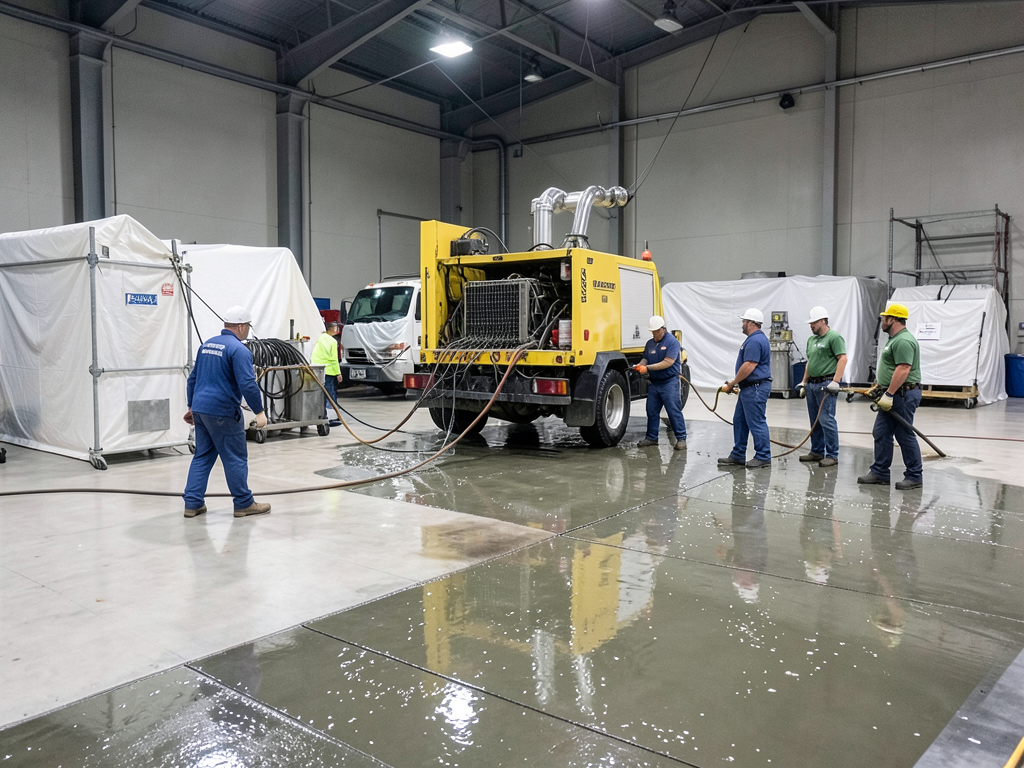
After the source is repaired, we begin controlled drying. We remove saturated drywall, insulation, and baseboards. We set up commercial dehumidifiers and air movers to pull moisture out of the framing and surrounding materials. We monitor daily moisture readings in the wood framing until they return to baseline, typically 12 percent or lower.

Mold remediation happens concurrently. If we find mold on framing or sheathing, we apply antimicrobial treatments and HEPA-vacuum the area. We do not encapsulate mold. We remove it.

Reconstruction follows industry standards. We replace drywall, retape and mud seams, prime with stain-blocking primer to prevent bleed-through, and repaint using low-VOC products. Wallpaper reinstallation requires proper substrate prep to ensure adhesion does not fail again.

What Happens When You Call Us About Peeling Paint

Peeling Paint & Wallpaper in Los Angeles – Expert Diagnosis of Hidden Water Damage Before It Spreads
01

Moisture Mapping

We inspect the affected walls with thermal cameras and moisture meters to identify the full extent of water intrusion. This reveals hidden damage behind intact surfaces. You see exactly where the water traveled, how much material is compromised, and whether adjacent rooms are affected. We document everything with photos and moisture readings for your insurance claim if needed.
02

Source Repair Coordination

We identify the leak source and coordinate the repair before starting remediation. If it is a plumbing issue, we bring in a licensed plumber. If it is a roof or window leak, we coordinate with the right contractor. Nothing gets dried or rebuilt until the water source is permanently fixed. This prevents recurring damage and wasted remediation costs.
03

Drying and Reconstruction

We remove wet materials, dry the framing to baseline moisture levels, and treat any mold growth. Once the structure is dry and clean, we rebuild using moisture-resistant materials where appropriate. Walls are re-primed with stain-blocking primer to prevent tannin bleed and repainted to match existing finishes. The result is a wall that looks new and will stay dry.

Why Los Angeles Property Owners Choose Local Expertise

Water damage restoration in Los Angeles requires understanding the building stock. Homes built before 1950 often have galvanized steel pipes that corrode from the inside out, creating pinhole leaks that are difficult to locate. Homes from the 1960s and 1970s often used polybutylene piping, which is known to fail at connection points. Knowing the plumbing vulnerabilities specific to each era helps us diagnose problems faster.

Los Angeles also has unique soil conditions. The city sits on alluvial sediment that shifts with seasonal moisture changes. Foundation movement is common, especially in hillside neighborhoods like Echo Park and Mount Washington. This movement can crack slab foundations and stress plumbing lines, creating slow leaks that manifest as peeling paint on interior walls. We inspect crawl spaces and foundation walls as part of our diagnostic process.

United Water Damage Restoration Los Angeles has worked in every neighborhood from downtown lofts with post-tension slab construction to Craftsman bungalows in Pasadena with raised foundations. We know which building materials were used in which decades, how those materials fail, and what local building codes require for repairs. This saves time and prevents costly mistakes.

We also understand local insurance claim processes. Many Los Angeles homeowners carry earthquake insurance with separate deductibles and exclusions. Water damage claims require proper documentation and adherence to specific timelines. We provide detailed moisture readings, photo documentation, and written scope of work that meets adjuster requirements. This increases the likelihood your claim gets approved without unnecessary back-and-forth.

Choosing a local provider means faster response, familiarity with your home's construction type, and expertise navigating Los Angeles-specific challenges. We are not a national franchise following a script. We adapt our approach based on what we find.

What You Can Expect When We Restore Your Walls

Response Time and Availability

We offer same-day and next-day inspections for water damage issues. Once you call, we schedule a diagnostic visit within 24 hours. The initial inspection takes 60 to 90 minutes, depending on the size of the affected area. We provide a written assessment and scope of work before starting any remediation. If the situation is urgent, such as active water intrusion or visible mold growth, we can begin mitigation immediately to prevent further damage while we coordinate the full repair.

The Diagnostic Process

Our technicians use non-invasive tools first. Thermal imaging shows us temperature anomalies caused by moisture. Moisture meters measure water content in materials without cutting holes. If we need to open a wall for confirmation, we do so strategically in areas that will be replaced anyway. We trace the water to its source and test air quality if we suspect mold. You get a full report with photos, moisture readings, and a clear explanation of what failed and why.

The Quality of the Final Result

Reconstruction matches the existing finish as closely as possible. We use the same drywall thickness, texture, and paint sheen. If wallpaper was removed, we can reinstall it or recommend alternatives if the original pattern is discontinued. All seams are properly taped and mudded. Primer is applied to prevent staining from residual tannins or previous water marks. The finished wall should be indistinguishable from surrounding surfaces. We do not leave patchy repairs or mismatched textures.

Post-Remediation Monitoring

We provide a final moisture reading report showing all materials have returned to dry standards. This documentation is important for insurance purposes and for your own records. We recommend a follow-up inspection 30 days after completion to confirm no new moisture has appeared. If you notice any recurring issues, such as new bubbling paint or musty odors, we return to investigate at no additional diagnostic charge. Addressing problems early prevents expensive secondary damage.

Frequently Asked Questions

You Have Questions,
We Have Answers

What to do if paint is peeling off the wall? +

First, identify the source. Peeling paint often signals water intrusion, poor surface prep, or substrate damage. In Los Angeles homes, hidden plumbing leaks or roof issues are common culprits. Scrape away loose paint with a putty knife, then sand the edges smooth. If you see water stains, mold, or soft drywall beneath, you need professional water damage assessment before repainting. Dry the area completely, prime with a stain-blocking primer, then repaint. Painting over moisture or damaged substrate guarantees the problem returns. Address the root cause first.

Why is my paint peeling off the wall like wallpaper? +

This happens when paint loses adhesion to the substrate, usually from moisture trapped beneath the surface. In older Los Angeles properties, inadequate surface prep, painting over dirty or glossy walls, or water infiltration causes this. You might have a slow leak, high indoor humidity without ventilation, or exterior moisture penetrating stucco. The paint film detaches in sheets because the bond failed completely. Peel back a section and check for dampness, discoloration, or soft drywall. If moisture is present, you need water damage remediation before any cosmetic fix.

Is it cheaper to paint or peel and stick wallpaper? +

Peel and stick wallpaper typically costs less upfront than quality paint and labor, especially in smaller spaces. However, paint lasts longer and handles Los Angeles's dry heat better. Peel and stick can bubble or lift in high-traffic areas or rooms with temperature fluctuations. Paint requires more prep and time but offers better durability and moisture resistance. For water-damaged walls common in older LA homes, paint provides a protective seal that wallpaper cannot. Consider longevity and room function, not just initial price.

Can I paint over paint that is peeling? +

No. Painting over peeling paint traps the problem beneath and guarantees failure. The new coat will peel along the same lines because the substrate bond is already broken. You must scrape all loose paint, sand edges smooth, and identify why it peeled. If water damage caused the failure, painting over it without drying and repairing the substrate leads to mold growth and continued deterioration. In Los Angeles's stucco and plaster homes, moisture often hides behind paint. Remove all compromised material, address the source, then prime and repaint properly.

What is the difference between flaking and peeling paint? +

Flaking appears as small chips or fragments that break off the surface, often from age, sun exposure, or minor adhesion loss. Peeling lifts in larger sheets or strips, indicating a complete bond failure between paint and substrate. In Los Angeles, exterior flaking happens from UV degradation and temperature swings. Peeling usually signals water intrusion, improper prep, or incompatible paint layers. Flaking may only need sanding and touch-up. Peeling requires scraping, substrate inspection, and addressing moisture issues before repainting. Both need attention, but peeling warns of deeper problems.

Will Kilz stop peeling paint? +

Kilz primers seal stains and block moisture but do not stop active peeling. You must scrape off all loose paint first. Kilz works when the substrate is sound, dry, and properly prepped. It prevents bleed-through from water stains and helps new paint adhere. In Los Angeles homes with past water damage, apply Kilz after confirming the area is completely dry and structurally intact. If moisture still enters the wall, even Kilz will eventually fail. It is a barrier, not a structural repair. Fix the source, then prime.

Should I scrape off all the peeling paint? +

Yes. All loose, peeling paint must come off before repainting. Leaving it creates an unstable base that causes new paint to fail quickly. Use a scraper and wire brush to remove compromised material until you reach sound, adhered paint or bare substrate. In older Los Angeles properties, this might expose multiple failed paint layers or water-damaged plaster. Sand the edges smooth to blend transitions. If you find soft spots, staining, or mold beneath, address those issues before priming. Thorough scraping ensures your new finish lasts.

Can low humidity cause paint to peel? +

Low humidity alone does not cause peeling, but rapid humidity changes can. Los Angeles has dry conditions most of the year, but sudden moisture from leaks, cooking, or showers without ventilation creates problems. Paint applied in very low humidity may dry too fast and not bond correctly. More often, peeling results from water intrusion, poor prep, or incompatible paint types. If your home has low humidity and peeling paint, look for hidden leaks or past water damage. The dryness did not cause it, the moisture event did.

Does peeling wallpaper mean damp? +

Yes, peeling wallpaper usually indicates moisture problems. Adhesive fails when water infiltrates the wall, whether from leaks, condensation, or exterior penetration. In Los Angeles homes, especially older stucco structures, hidden plumbing leaks or roof issues often cause wallpaper to lift and bubble. Check behind the wallpaper for discoloration, soft drywall, or musty odors. Damp conditions also promote mold growth. Do not simply re-glue the wallpaper. Identify the moisture source, dry the wall completely, and repair any water damage before replacing wall coverings.

What is the cost of painting a 1000 sq ft house? +

Painting costs vary based on prep work, paint quality, and ceiling height, but expect several thousand dollars for a 1000 square foot home in Los Angeles. Extensive prep like scraping peeling paint, repairing water-damaged drywall, or addressing mold increases costs significantly. Older homes in Los Angeles often need more surface repair. Quality primers and paints cost more but last longer in dry, sunny conditions. Get multiple quotes and ensure contractors identify why paint failed previously. Cheap paint over unresolved water damage wastes money when the problem returns.

How Los Angeles's Aging Infrastructure Causes Interior Paint Failure

Los Angeles has one of the oldest housing stocks in California, with thousands of homes built between 1920 and 1960 still in use. Many of these homes have original galvanized steel or cast iron plumbing that is nearing the end of its service life. Corrosion happens from the inside, creating pinhole leaks that release small amounts of water into wall cavities over months or years. By the time you see blistering wall paint or flaking paint, the framing behind it is often saturated and beginning to rot. Hillside areas like Silver Lake and Los Feliz also experience foundation movement from soil expansion and contraction during wet and dry seasons, which stresses plumbing connections and creates additional leak points.

Los Angeles building codes require proper moisture barriers and vapor retarders in new construction, but older homes predate these standards. Many homes lack adequate waterproofing around windows, doors, and roof transitions. When we investigate lifting wallpaper or loose wallpaper, we often find that water is entering through failed caulking or deteriorated flashing. Local expertise matters because we understand which construction methods were common in each era and where the vulnerabilities are. We also know which materials are approved for repairs under current Los Angeles building codes, which prevents permit issues if you are planning additional work.
Water Damage Restoration Services in The Los Angeles Area

United Water Damage Restoration Los Angeles is proud to service the entire Los Angeles area and surrounding communities. View our central location on the map to see our strategic positioning, which enables us to provide our guaranteed rapid response times across the region. If you need immediate assistance, please do not drive to our office; instead, call our 24/7 emergency hotline, and our fully-equipped team will be dispatched directly to your property without delay.

Address:
United Water Damage Restoration Los Angeles, 5800 S Eastern Ave, Los Angeles, CA, 90040

Additional Services We Offer

Our news updates

Latest Articles & News from The Blogs

What to Do When Your Wilmington Water Heater Floods Your Laundry Room A leaking water heater can release 40 to…

What to Do When Your Wilmington Water Heater Floods Your Laundry Room

What to Do When Your Wilmington Water Heater Floods Your Laundry Room A leaking water heater can release 40 to…

Getting Your West Hills Home Ready for the Los Angeles Rainy Season

Getting Your West Hills Home Ready for the Los Angeles Rainy Season The Santa Susana Mountains loom over West Hills…

Common Plumbing Problems in Miracle Mile Older Condo Buildings

Common Plumbing Problems in Miracle Mile Older Condo Buildings Miracle Mile’s charming historic condo buildings come with unique plumbing challenges…

Contact Us

Call United Water Damage Restoration Los Angeles at (209) 255-2558 for a diagnostic inspection. We will identify the moisture source, give you a written scope of work, and start remediation as soon as you are ready. Do not wait until the damage spreads.