




South Pasadena sits in a geographic pocket where older infrastructure meets challenging topography. Many homes in historic neighborhoods like Marengo and Arroyo Vista were built between 1910 and 1950 with outdated plumbing systems prone to sudden failures. The area's proximity to the Arroyo Seco means seasonal rainfall can overwhelm aging sewer systems, causing backups into basements and ground-floor rooms.
The Mediterranean climate creates another problem. Hot, dry summers cause soil shrinkage around foundations, creating gaps where groundwater enters during winter rains. Homes near Mission Street and Fremont Avenue experience this cycle repeatedly. Clay-heavy soil common throughout South Pasadena retains moisture longer than sandy soil, keeping structures damp for days after flooding events.
South Pasadena also has strict historic preservation rules in areas like the Huntington Drive corridor. Any water damage remediation must respect original materials and architectural features, requiring specialized techniques most restoration companies lack. Water trapped in plaster walls or original hardwood floors demands expert extraction without destroying irreplaceable materials. Families in Monterey Hills and El Centro neighborhoods need restoration teams who understand both modern drying science and historic building preservation.
We have restored over 3,200 South Pasadena properties since establishing our Los Angeles operations. Our crews know the difference between a 1920s Craftsman foundation and a 1970s slab home because we work in both every week. When we arrive at your property, we already understand which building materials you have, which restoration approach will work, and what your insurance adjuster will require for documentation.
Our dispatch center tracks real-time availability across six mobile units serving the greater South Pasadena metro. When you call our emergency line, we route the closest crew to your address, not the first available team that might be 40 minutes away. Speed determines whether water damage costs $4,000 or $40,000. We get equipment running within the first hour to halt moisture migration through your structure.
We maintain relationships with every major insurance carrier operating in California. Our project managers speak the language of claims adjusters, provide photo documentation that satisfies underwriting requirements, and submit estimates in the formats insurers expect. We handle the paperwork burden while you handle your family's immediate needs. Most South Pasadena homeowners have never filed a water damage claim before. We have filed thousands.
Our technicians hold IICRC certifications in water damage restoration, structural drying, and applied microbial remediation. These are not weekend courses. Each certification requires classroom hours, field training, and ongoing education. When our team tells you a wall cavity is dry, they are reading moisture meters calibrated to industry standards, not guessing based on surface touch.

Water spreads through building materials at alarming speed. Drywall wicks moisture vertically at 3 inches per hour. Carpets become unsalvageable after 48 hours of saturation. Our dispatch system prioritizes South Pasadena calls, routing the closest mobile unit to your location. We arrive with truck-mounted extraction equipment, industrial air movers, and commercial dehumidifiers ready to deploy immediately.

Your insurance policy covers specific perils and exclusions. We document every damaged material with time-stamped photos, moisture readings logged to digital reports, and detailed scope-of-work estimates. Our project managers communicate directly with adjusters, providing documentation that accelerates claim approval. We know what State Farm requires versus Farmers versus Allstate because we work with all of them weekly.
The Institute of Inspection, Cleaning and Restoration Certification sets the standards for water damage remediation. Our technicians complete hands-on training in moisture mapping, psychrometry, and antimicrobial application. When we declare a structure dry, we back that assessment with calibrated hygrometer readings and thermal imaging, not opinion. Insurance companies trust IICRC documentation because it meets industry standards.
We restore homes in Marengo, Arroyo Vista, and Monterey Hills monthly. We understand local building styles, common plumbing vulnerabilities in different decades of construction, and which materials require specialized drying. Historic homes need different techniques than modern construction. We have restored Spanish Colonial Revivals, Craftsman bungalows, and mid-century ranch homes throughout every South Pasadena neighborhood.
Water damage restoration requires three distinct phases. Immediate water removal stops ongoing damage. Structural drying eliminates hidden moisture that causes mold growth and wood rot. Final restoration returns your home to pre-loss condition, replacing damaged materials and repairing affected systems. United Water Damage Restoration Los Angeles manages all three phases as a single coordinated project.
Some companies only extract standing water, leaving you to find separate contractors for drying and reconstruction. We handle everything under one roof. Our project managers coordinate plumbers, electricians, flooring specialists, and painters as needed. You work with one team, one point of contact, and one timeline from emergency call to final walkthrough.
Every water loss is different. A toilet overflow affects different materials than a washing machine hose failure. Roof leaks create different damage patterns than foundation seepage. Our assessment process identifies the water source, maps moisture distribution through your structure, and designs a drying strategy specific to your building materials and damage extent. We treat each South Pasadena property as the unique structure it is.
Truck-mounted extraction equipment removes standing water at 400 gallons per minute. We deploy submersible pumps for basement flooding and weighted extractors for saturated carpeting. Our teams work around the clock during active flooding events, rotating crews to maintain continuous water removal. We relocate furniture to dry areas, pull wet padding, and remove unsalvageable materials to prevent secondary damage. Every hour of delay allows water to spread deeper into walls and subfloors.
Industrial dehumidifiers and air movers create controlled drying environments. We monitor moisture levels in framing, drywall, and flooring with calibrated meters, adjusting equipment placement as materials dry. Wall cavities receive targeted airflow through small access holes. Hardwood floors require specialized mat systems that extract moisture without warping boards. Our technicians log readings twice daily, tracking drying progress until all materials reach acceptable moisture content. This process typically takes three to five days depending on saturation depth.
Once structures are fully dry, reconstruction begins. We replace drywall, install new flooring, repaint affected areas, and restore any damaged fixtures or trim. Our carpenters match existing materials in historic South Pasadena homes, sourcing period-appropriate molding and hardware when needed. Electrical and plumbing systems receive inspection and repair. Final cleaning removes all dust and debris. We coordinate all trades as a single project, eliminating the chaos of managing multiple contractors yourself.
South Pasadena's housing stock creates predictable failure points. Homes built before 1960 often have galvanized steel pipes that corrode from inside, causing pinhole leaks that spray water into walls for days before residents notice. Cast iron sewer lines crack as soil shifts, sending sewage backup into homes during heavy rainfall. Water heaters installed in attics provide space-saving solutions but create catastrophic flooding when tanks fail, dumping 40 to 50 gallons through ceiling drywall into living spaces.
The area's mature trees contribute to foundation problems. Root systems seek moisture, invading sewer laterals and cracking foundation walls. During drought periods, trees pull moisture from soil, causing ground settlement that stresses plumbing connections. Winter rains reverse the cycle, expanding clay soil and pushing hydrostatic pressure against basement walls.
Aging roof systems on South Pasadena's older homes often fail during seasonal storms. Deteriorated flashing around chimneys and skylights allows water entry that travels along rafters before dripping into insulation. By the time ceiling stains appear, significant hidden damage has occurred. These chronic leaks require different remediation than sudden flooding events.
Supply line failures release pressurized water at 60 PSI, flooding rooms in minutes. Copper pipes corrode at joints. Galvanized steel pipes rust through. Frozen pipes expand and crack during rare cold snaps. We shut off water sources, extract standing water, and dry wall cavities before mold colonizes wet framing. Speed is everything.
Sewage contains bacteria, viruses, and parasites requiring antimicrobial treatment beyond standard water cleanup. We remove contaminated materials that cannot be sanitized, treat affected surfaces with EPA-registered disinfectants, and verify contamination elimination through testing. Black water events demand Category 3 protocols under IICRC standards. We follow those protocols exactly.
Attic-mounted water heaters fail spectacularly. Forty gallons cascade through ceiling drywall, insulation, and into rooms below. Drywall saturates rapidly, collapsing under water weight. We contain spread immediately, extract water from floor cavities, and remove ceiling materials too damaged to salvage. Attic insulation requires replacement after saturation.
Slow leaks create insidious damage. Water tracks along roof decking and rafters for feet before dropping onto insulation. Wood rot develops in framing. Mold colonizes damp insulation. Thermal imaging reveals moisture patterns invisible to eye. We map leak paths, dry affected framing, treat mold growth, and coordinate roof repairs.
Water damage creates panic. Your home is flooding. Belongings are soaking. You need help now. When you call our emergency line, a live person answers. No voicemail. No phone trees. A trained dispatcher takes your address, asks key questions about the water source and damage extent, and immediately routes your call to the closest available crew.
You receive an estimated arrival time within minutes of your call. Our trucks carry all needed equipment, so crews begin work immediately upon arrival. No return trips for forgotten tools. No waiting for equipment rentals. We assess damage, explain our plan in plain language, and start water extraction while discussing your situation.
Throughout the project, you receive daily updates. Our project managers explain what we are doing, why we are doing it, and what comes next. You see moisture readings declining as materials dry. You understand timeline expectations. We answer questions the same day you ask them. Water damage restoration involves insurance coordination, material decisions, and timeline management. We keep you informed at every step.
Our crews arrive with thermal imaging cameras, moisture meters, and inspection tools. We identify the water source, map moisture distribution, and categorize water contamination level. Clean water from supply lines requires different protocols than gray water from washing machines or black water from sewage. You receive a verbal assessment explaining damage extent, recommended actions, and estimated timeline. We answer your questions before starting work. Emergency stabilization begins within the first hour.
We photograph every affected area before starting work. Moisture readings are logged to digital reports. We document which materials can be saved and which require replacement. This documentation goes directly to your insurance company. Our project managers communicate with adjusters, explaining our scope of work and answering technical questions. You receive copies of all documentation. No surprises. No hidden damage discovered weeks later because we failed to document properly during initial assessment.
We coordinate every trade needed for full restoration. Plumbers repair pipe failures. Electricians inspect soaked outlets. Flooring specialists replace damaged materials. Painters apply final finishes. You work with one company, one point of contact, and one timeline. We schedule all work, manage all subcontractors, and ensure quality across every phase. Final walkthrough happens when restoration is complete, not when drying equipment is removed. We finish the job entirely.
Water damage remediation follows a proven sequence. Deviation from this sequence creates problems. We follow IICRC standards because those standards reflect decades of field experience and scientific research into moisture behavior in building materials.
We remove standing water immediately using truck-mounted extractors and portable pumps. Saturated carpets receive weighted extraction. Hardwood floors get surface water removal without aggressive techniques that damage wood. We relocate furniture to dry areas and remove wet contents for cleaning or disposal. Unsalvageable materials like soaked drywall and padding are removed to prevent mold growth. This phase happens within hours of our arrival and continues until all standing water is eliminated.
Industrial dehumidifiers and air movers run continuously for three to seven days depending on saturation depth. We monitor moisture levels twice daily with calibrated meters, adjusting equipment placement as readings drop. Wall cavities receive targeted drying through small access holes. Subfloors are checked for moisture retention. Our technicians log all readings, creating documentation that proves materials have reached acceptable dryness levels. Drying is complete when moisture readings stabilize at normal levels for 24 hours.
Once drying is verified complete, reconstruction begins. We replace drywall, install new flooring, repaint walls, and restore trim. Plumbing and electrical repairs are completed. Final cleaning removes all dust and construction debris. We conduct a walkthrough with you, ensuring every detail meets your expectations. Your home returns to pre-loss condition, not just dry but fully restored and ready for occupancy.
Professional water damage restoration follows guidelines established by the Institute of Inspection, Cleaning and Restoration Certification. These standards define moisture measurement protocols, drying equipment specifications, and antimicrobial treatment procedures. Insurance companies require IICRC-compliant remediation because these standards produce verifiable results.
Water damage is categorized by contamination level. Category 1 involves clean water from supply lines. Category 2 includes gray water from washing machines, dishwashers, or toilet bowls without feces. Category 3 covers black water from sewage, flooding, or water that has contacted contaminated surfaces. Each category requires different safety protocols and disposal procedures.
Drying science relies on psychrometrics, the study of air and moisture relationships. Dehumidifiers work by cooling air below its dew point, condensing water vapor into collection tanks. Air movers accelerate evaporation by increasing airflow across wet surfaces. Together, these tools create controlled drying environments that remove moisture faster than passive air drying while preventing secondary damage like wood warping or paint bubbling.
California requires contractors performing water damage restoration to hold appropriate licenses. Our company maintains a C-61 classification with the California Contractors State License Board, authorizing us to perform structural repair and reconstruction. We also carry general liability insurance and workers compensation coverage as required by state law. These credentials protect homeowners from liability if accidents occur during restoration work.
Moisture meters measure water content in materials using electrical resistance or electromagnetic waves. Pin-type meters insert probes into materials, measuring conductivity. Non-invasive meters use radio frequencies to detect moisture without penetrating surfaces. Our technicians calibrate meters daily and cross-reference readings using multiple measurement methods. This ensures accuracy and prevents premature equipment removal before materials are truly dry.
IICRC certification requires classroom training, field experience, and written examinations covering moisture science, microbial remediation, and structural drying. Technicians must complete continuing education to maintain certification. These standards ensure consistent, effective restoration practices across the industry. Insurance companies recognize IICRC certification as proof of professional competence and accept documentation produced by certified technicians.
Restoration costs depend on water category, affected square footage, and material damage extent. Emergency water extraction typically costs less than full reconstruction after delayed response. Insurance policies cover sudden, accidental water damage but exclude gradual leaks or maintenance failures. Deductibles apply. Our estimates detail all costs by category, helping you understand which expenses insurance will cover and which fall to you.
Water extraction happens immediately. Structural drying takes three to seven days depending on saturation depth and building materials. Reconstruction adds one to three weeks depending on damage extent. Total timeline from emergency call to project completion typically runs two to four weeks for moderate damage. Extensive flooding requiring subfloor replacement and wall reconstruction may extend to six weeks.
California requires water damage restoration contractors to hold C-61 classification licenses for structural work. This license type covers demolition, drying, and reconstruction activities involved in remediation. Contractors must also maintain liability insurance and workers compensation coverage. Homeowners should verify licensing through the California Contractors State License Board website before hiring any restoration company.
Professional demonstration of water damage restoration procedures in South Pasadena, California. Shows emergency water extraction techniques, structural drying processes using industrial equipment, and complete property restoration. Explains IICRC standards, moisture measurement protocols, and insurance documentation requirements. Covers typical timeline expectations and common water damage scenarios in South Pasadena homes including burst pipes, sewer backups, and roof leaks. Features United Water Damage Restoration Los Angeles serving South Pasadena neighborhoods.
United Water Damage Restoration Los Angeles maintains rapid response capabilities throughout South Pasadena and surrounding communities. Our dispatch system prioritizes calls based on geographic proximity, routing the closest available crew to your address whether you are located in historic Marengo near Garfield Park, the hillside homes of Monterey Hills overlooking the Arroyo Seco, or the tree-lined streets of Arroyo Vista east of Fair Oaks Avenue.
Properties in the El Centro neighborhood near the South Pasadena Mission Historic District require specialized care. Many homes in this area date to the 1910s and 1920s, featuring original plaster walls, hardwood flooring, and period details that demand preservation during restoration. We adapt drying techniques to protect irreplaceable architectural features while eliminating moisture that threatens structural integrity.
The Huntington Drive corridor presents different challenges. Commercial and mixed-use properties in this area often have complex plumbing systems and shared walls requiring coordination with adjacent property owners during water mitigation. We manage these complications as part of our standard service, communicating with neighbors and business owners when water damage affects multiple units.
Homes near Fremont Avenue and in the neighborhoods west of Fair Oaks Avenue face increased flood risk during heavy rainfall due to topography and aging storm drain infrastructure. Properties in low-lying areas benefit from our 24/7 emergency response, which provides immediate water extraction during active flooding events. We understand which South Pasadena streets flood first and maintain equipment staging that allows rapid deployment to commonly affected areas.
Our service area extends throughout the greater Los Angeles metro, including neighboring Pasadena, Alhambra, and San Marino. We serve residential properties from single-family homes to multi-unit apartment buildings, plus commercial clients ranging from retail shops along Mission Street to professional offices and institutional facilities. Every property type receives the same rapid response and professional restoration regardless of project size.
Water damage restoration in South Pasadena takes 3-7 days for most residential projects. Small incidents like a burst pipe affect one room and finish in 3-4 days. Larger events spanning multiple rooms or floors need 5-7 days. Severe flooding with structural damage requires 2-3 weeks. The timeline depends on water category, affected square footage, and material saturation levels. Drying alone takes 2-4 days with professional equipment. Your restoration team will assess your specific situation and provide an accurate timeline within hours of arrival.
Water damage restoration expenses in South Pasadena vary based on damage severity and affected area size. Minor water extraction and drying runs lower than extensive structural repairs. Sewage contamination increases expenses due to specialized cleaning requirements. Your square footage, water source, and material damage determine final figures. Most restoration companies offer free inspections and written estimates before starting work. Insurance coverage often handles a significant portion of expenses. Get multiple quotes from local South Pasadena providers to understand your specific situation and budget accordingly.
Homeowners insurance typically covers sudden and accidental water damage in South Pasadena. Burst pipes, appliance malfunctions, and storm damage usually qualify for coverage. Gradual damage from slow leaks or poor maintenance gets denied. Flood damage requires separate flood insurance through FEMA. Sewage backups need specific endorsements on your policy. Review your policy declarations page for water damage coverage details. File your claim within 24-48 hours of discovering damage. Document everything with photos and keep all receipts. Your restoration company will help navigate the claims process.
Water damage restoration in South Pasadena takes 3-7 days for most residential projects. Small incidents like a burst pipe affect one room and finish in 3-4 days. Larger events spanning multiple rooms or floors need 5-7 days. Severe flooding with structural damage requires 2-3 weeks. The timeline depends on water category, affected square footage, and material saturation levels. Drying alone takes 2-4 days with professional equipment. Your restoration team will assess your specific situation and provide an accurate timeline within hours of arrival.
Water damage restoration expenses in South Pasadena vary based on damage severity and affected area size. Minor water extraction and drying runs lower than extensive structural repairs. Sewage contamination increases expenses due to specialized cleaning requirements. Your square footage, water source, and material damage determine final figures. Most restoration companies offer free inspections and written estimates before starting work. Insurance coverage often handles a significant portion of expenses. Get multiple quotes from local South Pasadena providers to understand your specific situation and budget accordingly.
Homeowners insurance typically covers sudden and accidental water damage in South Pasadena. Burst pipes, appliance malfunctions, and storm damage usually qualify for coverage. Gradual damage from slow leaks or poor maintenance gets denied. Flood damage requires separate flood insurance through FEMA. Sewage backups need specific endorsements on your policy. Review your policy declarations page for water damage coverage details. File your claim within 24-48 hours of discovering damage. Document everything with photos and keep all receipts. Your restoration company will help navigate the claims process.
Call a water damage restoration company in South Pasadena within 24 hours of discovering water damage. Water spreads quickly through walls, floors, and foundations. Mold begins growing within 24-48 hours in wet conditions. Immediate response prevents secondary damage and reduces overall restoration needs. Many South Pasadena restoration companies offer 24/7 emergency services. Stop the water source if safe to do so. Move valuables to dry areas. Document the damage with photos. The faster professionals arrive, the more of your property they save and the lower your expenses.
Water damage restoration in South Pasadena follows a systematic five-step process. First, technicians inspect and assess the damage extent. Second, they extract standing water using pumps and vacuums. Third, they dry and dehumidify affected areas with industrial equipment. Fourth, they clean and sanitize all surfaces and belongings. Fifth, they repair or replace damaged materials like drywall, flooring, and insulation. The process includes continuous moisture monitoring throughout drying. Each step requires specific equipment and expertise. Professional companies complete all phases efficiently to return your home to pre-damage condition.
Staying in your South Pasadena home during restoration depends on damage extent and location. Minor water damage confined to one room allows you to remain home. Major damage affecting kitchens, bathrooms, or multiple rooms makes staying difficult. Safety hazards like electrical issues, structural instability, or sewage contamination require temporary relocation. Loud drying equipment runs 24/7 for several days. Humidity levels stay high during the drying phase. Your restoration technician will assess safety conditions and recommend whether to stay or leave during the restoration work.
Choose a South Pasadena water damage restoration company by verifying their response time and local availability. Check online reviews on Google and Yelp for customer experiences. Ask about their specific certifications in water damage restoration. Request references from recent South Pasadena projects. Confirm they use professional-grade equipment and moisture detection tools. Verify they provide detailed written estimates before starting work. Ensure they handle insurance claims and communicate directly with adjusters. Choose a company with 24/7 emergency availability. Local experience with South Pasadena homes matters for understanding regional water damage issues.
South Pasadena water damage restoration companies use industrial-strength equipment designed for rapid drying. Water extractors and submersible pumps remove standing water quickly. Commercial air movers create airflow across wet surfaces to accelerate evaporation. Industrial dehumidifiers pull moisture from the air and materials. Moisture meters and thermal imaging cameras detect hidden water in walls and floors. Air scrubbers filter airborne contaminants and prevent mold spores from spreading. Truck-mounted extraction units handle large-scale flooding. Injection drying systems target water trapped inside wall cavities. Professional equipment works faster and more effectively than consumer rentals.
Water damage restoration addresses existing water and prevents new mold growth through rapid drying. Technicians remove visible mold found during restoration work. Extensive mold infestations require separate mold remediation services beyond standard water damage restoration. If mold covers more than 10 square feet, specialized mold removal becomes necessary. Restoration companies treat affected areas with antimicrobial solutions to prevent future growth. They remove mold-contaminated materials like drywall and insulation. Quick water damage response within 24-48 hours prevents mold from developing. Ask your South Pasadena restoration company about their mold services and assessment process.
South Pasadena water damage restoration companies regularly work with insurance adjusters throughout the claims process. They document damage with detailed photos and moisture readings for your claim. Most companies provide estimates in the format adjusters require. They communicate directly with your insurance company to explain necessary repairs. Many restoration companies bill insurance directly after approval. They help you understand your policy coverage and deductible. Some offer assistance with claim filing and paperwork. This partnership streamlines the process and reduces your stress during restoration. Confirm your chosen company has insurance claims experience before hiring.
Call a water damage restoration company in South Pasadena within 24 hours of discovering water damage. Water spreads quickly through walls, floors, and foundations. Mold begins growing within 24-48 hours in wet conditions. Immediate response prevents secondary damage and reduces overall restoration needs. Many South Pasadena restoration companies offer 24/7 emergency services. Stop the water source if safe to do so. Move valuables to dry areas. Document the damage with photos. The faster professionals arrive, the more of your property they save and the lower your expenses.
Water damage restoration in South Pasadena follows a systematic five-step process. First, technicians inspect and assess the damage extent. Second, they extract standing water using pumps and vacuums. Third, they dry and dehumidify affected areas with industrial equipment. Fourth, they clean and sanitize all surfaces and belongings. Fifth, they repair or replace damaged materials like drywall, flooring, and insulation. The process includes continuous moisture monitoring throughout drying. Each step requires specific equipment and expertise. Professional companies complete all phases efficiently to return your home to pre-damage condition.
Staying in your South Pasadena home during restoration depends on damage extent and location. Minor water damage confined to one room allows you to remain home. Major damage affecting kitchens, bathrooms, or multiple rooms makes staying difficult. Safety hazards like electrical issues, structural instability, or sewage contamination require temporary relocation. Loud drying equipment runs 24/7 for several days. Humidity levels stay high during the drying phase. Your restoration technician will assess safety conditions and recommend whether to stay or leave during the restoration work.
Choose a South Pasadena water damage restoration company by verifying their response time and local availability. Check online reviews on Google and Yelp for customer experiences. Ask about their specific certifications in water damage restoration. Request references from recent South Pasadena projects. Confirm they use professional-grade equipment and moisture detection tools. Verify they provide detailed written estimates before starting work. Ensure they handle insurance claims and communicate directly with adjusters. Choose a company with 24/7 emergency availability. Local experience with South Pasadena homes matters for understanding regional water damage issues.
South Pasadena water damage restoration companies use industrial-strength equipment designed for rapid drying. Water extractors and submersible pumps remove standing water quickly. Commercial air movers create airflow across wet surfaces to accelerate evaporation. Industrial dehumidifiers pull moisture from the air and materials. Moisture meters and thermal imaging cameras detect hidden water in walls and floors. Air scrubbers filter airborne contaminants and prevent mold spores from spreading. Truck-mounted extraction units handle large-scale flooding. Injection drying systems target water trapped inside wall cavities. Professional equipment works faster and more effectively than consumer rentals.
Water damage restoration addresses existing water and prevents new mold growth through rapid drying. Technicians remove visible mold found during restoration work. Extensive mold infestations require separate mold remediation services beyond standard water damage restoration. If mold covers more than 10 square feet, specialized mold removal becomes necessary. Restoration companies treat affected areas with antimicrobial solutions to prevent future growth. They remove mold-contaminated materials like drywall and insulation. Quick water damage response within 24-48 hours prevents mold from developing. Ask your South Pasadena restoration company about their mold services and assessment process.
South Pasadena water damage restoration companies regularly work with insurance adjusters throughout the claims process. They document damage with detailed photos and moisture readings for your claim. Most companies provide estimates in the format adjusters require. They communicate directly with your insurance company to explain necessary repairs. Many restoration companies bill insurance directly after approval. They help you understand your policy coverage and deductible. Some offer assistance with claim filing and paperwork. This partnership streamlines the process and reduces your stress during restoration. Confirm your chosen company has insurance claims experience before hiring.
United Water Damage Restoration Los Angeles is proud to service the entire Los Angeles area and surrounding communities. View our central location on the map to see our strategic positioning, which enables us to provide our guaranteed rapid response times across the region. If you need immediate assistance, please do not drive to our office; instead, call our 24/7 emergency hotline, and our fully-equipped team will be dispatched directly to your property without delay.
Address:
South Pasadena, CA, 91030

Restoring a Flooded Medical Clinic in Century City Without Compromising Patient Privacy or Sterile Zones When water floods a medical clinic in Century City the stakes go far beyond wet carpets. Patient records must stay…
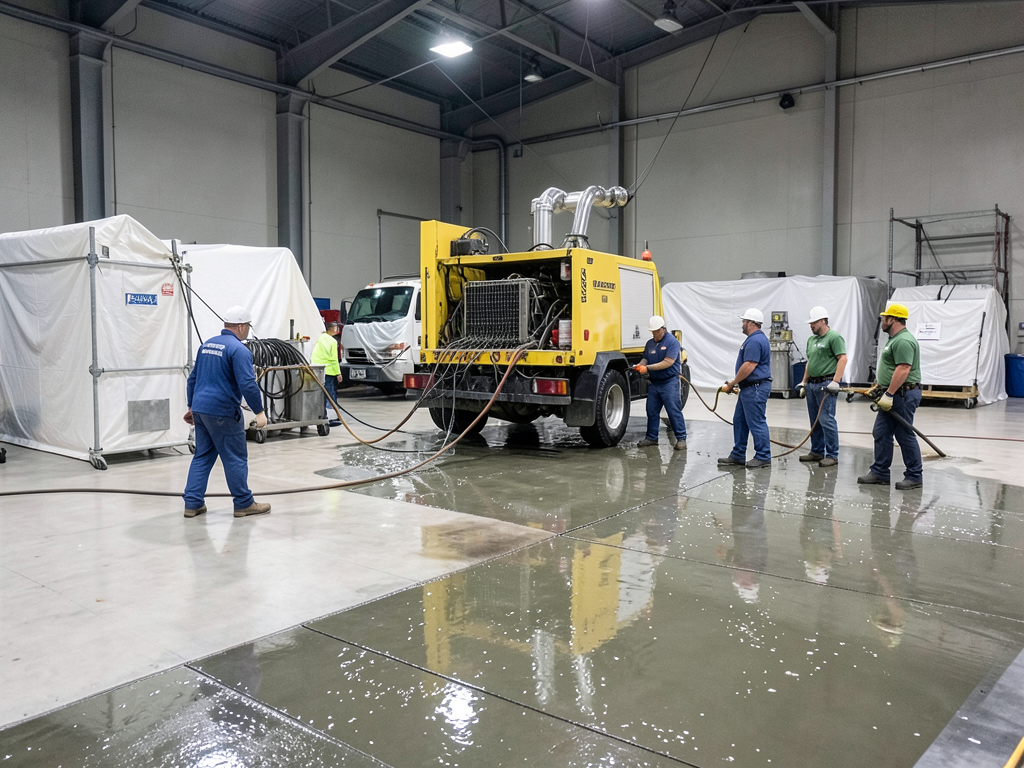
Water Damage Mitigation Strategies for Sound Stages and Production Facilities in Burbank Burbank's entertainment industry…
Removing Yellow Water Stains from the Luxury Marble in Your Beverly Hills Bathroom\n\nYour marble bathroom…
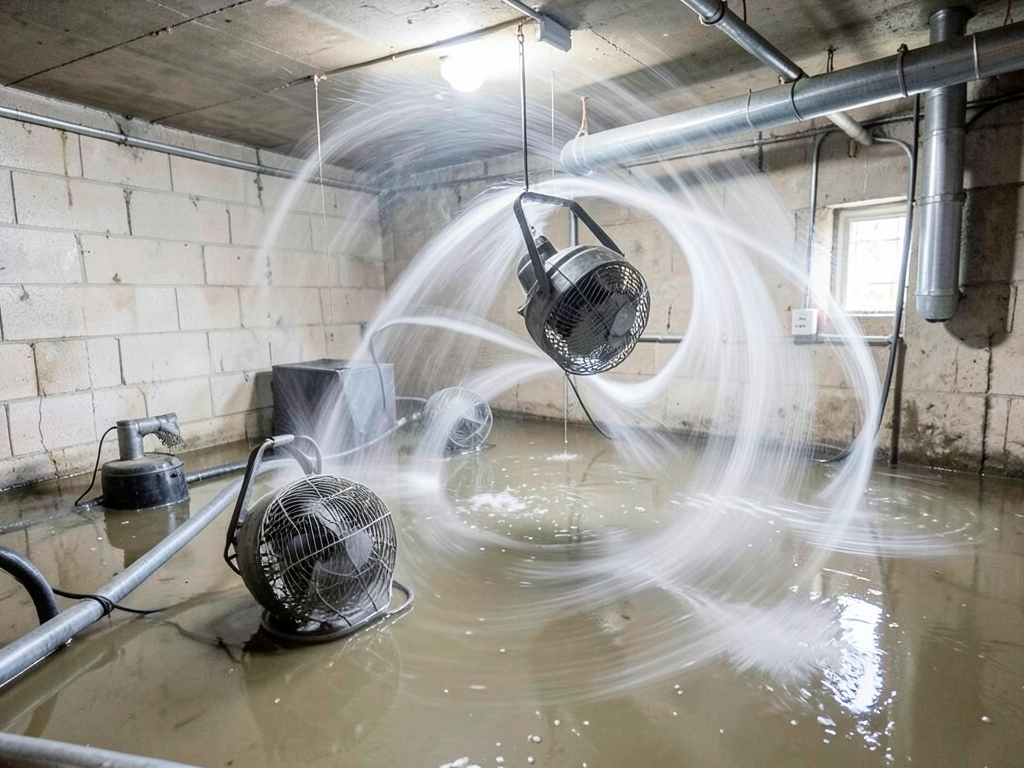
Why Household Fans Are Not Enough to Dry Out a Flooded Basement in Hollywood Hills…
Every hour of delay allows water to spread deeper into your home's structure. Call United Water Damage Restoration Los Angeles now at (209) 255-2558 for immediate dispatch. Our crews are standing by 24/7 to stop water damage in its tracks and begin restoring your South Pasadena property.