




Walnut Park sits in the Los Angeles Basin where aging infrastructure meets California's volatile weather patterns. Homes built in the 1940s and 1950s throughout neighborhoods near Gage Avenue and Salt Lake Avenue contain original galvanized pipes that corrode from the inside. When these pipes fail, water floods through walls and ceilings before you know something is wrong.
The clay-heavy soil common to this area expands when winter rains arrive, then contracts during dry months. This movement cracks foundation slabs and creates pathways for groundwater to seep into crawl spaces and basements. Properties near the Rio Hondo watershed face additional risk during storm events when water tables rise quickly.
Many Walnut Park homes lack proper grading around their foundations. Water pools against exterior walls during rain, eventually finding cracks and penetrating interior spaces. Flat roof designs popular in local commercial buildings trap water in low spots, leading to membrane failures and ceiling leaks.
When water enters your home, it spreads through drywall, insulation, and subflooring within hours. Mold spores begin colonizing damp materials in 24 to 48 hours. The longer water sits, the more expensive remediation becomes. Fast response prevents a manageable water event from becoming a total reconstruction project.
We built our reputation in Los Angeles County by showing up when other companies go to voicemail. Our dispatch center operates around the clock because water damage doesn't respect business hours. When you call at 2 AM with a flooded kitchen, a real person answers and a certified technician heads to your Walnut Park address within 60 minutes.
Our team holds IICRC certifications in water damage restoration and applied structural drying. These credentials matter because improper drying creates hidden moisture pockets that fuel mold growth months later. We use thermal imaging cameras to find water you can't see, moisture meters to track drying progress, and commercial dehumidifiers calibrated to your specific situation.
Insurance coordination separates professional restoration from basic water removal. We document every step with photos and moisture readings that satisfy adjuster requirements. Our estimates include line-item costs that match insurance software databases, eliminating the back-and-forth that delays your claim. We work with every major carrier serving Walnut Park and understand what documentation they need.
Most importantly, we don't disappear after extraction. Our project managers monitor your property through the entire drying process, typically three to five days depending on materials affected. We return for final moisture verification before releasing the space. This prevents callbacks and ensures you're not living with hidden water damage.
Walnut Park families choose us because we treat your emergency like it's happening in our own home. No upselling unnecessary services. No surprise charges. Just fast, competent water damage mitigation that stops the clock on property damage.

Our trucks carry extraction equipment, air movers, and dehumidifiers so we start mitigation the moment we arrive at your Walnut Park property. Faster response means less damage, lower costs, and fewer materials requiring replacement. We don't schedule appointments for water emergencies.

We handle insurance paperwork, documentation, and communication so you don't fight with adjusters while dealing with a flooded home. Our estimates meet carrier requirements and include moisture maps that prove scope of damage. Most Walnut Park clients pay only their deductible.
Every technician completing your water damage restoration holds current certification in applied structural drying and water damage remediation. We follow IICRC S500 standards for inspection, documentation, and drying protocols. This training prevents the costly mistakes that create long-term problems in Walnut Park homes.
We understand how Walnut Park homes are built, what materials contractors used in different decades, and how local soil conditions affect water intrusion. This knowledge lets us predict where water migrates and which structural elements face the highest risk during your specific emergency.
Water damage takes many forms, and each scenario requires specific equipment and protocols. A burst supply line flooding your kitchen differs from a slow roof leak saturating attic insulation. We match our response to your situation, bringing the right tools and expertise for effective remediation.
Our services cover the full spectrum of water damage events affecting Walnut Park homes and businesses. From emergency water extraction to final structural drying verification, we manage every phase of restoration. This includes sewage cleanup requiring biohazard protocols, content pack-out and storage during reconstruction, and coordination with contractors for repairs beyond our scope.
We separate our services into three main categories based on water source, contamination level, and structural impact. This approach ensures you receive appropriate treatment for your specific situation. Clean water from a supply line requires different handling than water contaminated with sewage or chemicals. Our assessment determines the proper category and restoration protocol within minutes of arrival.
When standing water covers your floors, extraction is the first priority. We deploy truck-mounted pumps and portable extractors to remove water from carpets, tile, hardwood, and concrete. Our team moves furniture to unaffected areas, pulls saturated padding, and removes baseboard trim to access wall cavities. We position air movers and dehumidifiers before leaving your property, starting the drying process immediately. This emergency response service operates 24 hours a day throughout Walnut Park.
Removing standing water is only the beginning. Materials like drywall, insulation, and framing lumber hold moisture for days after visible water disappears. We use commercial dehumidifiers and air movers positioned according to psychrometric calculations that account for temperature, humidity, and airflow. Daily moisture readings track drying progress in affected materials. Our technicians adjust equipment placement as needed until all readings reach dry standard. This process typically takes three to five days depending on materials and saturation levels.
Sewage backups and toilet overflows require specialized handling due to contamination with bacteria, viruses, and parasites. Our technicians wear protective equipment and follow OSHA guidelines for biohazard cleanup. We remove contaminated materials that can't be salvaged, clean and disinfect affected surfaces, and apply antimicrobial treatments to prevent pathogen growth. All sewage-contaminated materials go directly into sealed bags for proper disposal. This category of water damage poses serious health risks and requires professional remediation throughout Walnut Park properties.
Walnut Park's housing stock and local conditions create predictable patterns of water damage. Homes built during the post-war construction boom contain plumbing systems reaching the end of service life. Clay soil that surrounds foundations moves with moisture changes, stressing pipes and creating cracks. Understanding these common problems helps property owners recognize warning signs before minor issues become major emergencies.
The areas around Florence Avenue and Atlantic Boulevard contain numerous properties with original plumbing from the 1940s and 1950s. Galvanized steel pipes corrode internally, reducing water pressure and eventually rupturing without warning. Water heaters installed in attics or second-floor closets cause extensive damage when tanks fail. Washing machine supply hoses burst while owners are away from home. These scenarios repeat throughout Walnut Park neighborhoods weekly.
Galvanized steel pipes rust from the inside out, creating rough surfaces that restrict flow and weak spots that burst. Many Walnut Park homes still rely on original plumbing from 60 to 80 years ago. These pipes fail suddenly, flooding walls and ceilings with pressurized water that spreads quickly through structural cavities.
Expansive clay soil common throughout Los Angeles County swells when wet and shrinks when dry. This movement cracks concrete slab foundations, creating pathways for groundwater to enter during winter rains. Water seeps through cracks and saturates flooring, baseboards, and lower wall sections. Many Walnut Park properties lack proper perimeter drainage.
Water heaters typically last 8 to 12 years before tanks corrode through and fail. Many Walnut Park homes have water heaters installed in attic spaces or second-floor closets. When these tanks rupture, 40 to 50 gallons flood through ceilings into living spaces below, saturating insulation, drywall, and personal belongings.
Los Angeles Basin storm systems can't always handle intense rainfall events. When municipal drains back up, water flows into homes through floor drains, toilets, and foundation cracks. This contaminated water requires biohazard protocols for safe cleanup. Properties in low-lying areas near the Rio Hondo face the highest risk during winter storms.
Water emergencies create panic. You're watching damage spread while wondering what to do first and who to call. Our process eliminates confusion by walking you through each step from initial phone call to final verification. You'll know exactly what happens next, how long each phase takes, and what it costs before work begins.
When you contact us, you speak with someone who understands water damage and can provide immediate guidance. Our dispatcher asks specific questions about your situation to ensure the responding technician brings appropriate equipment. We provide an estimated arrival time and call if conditions change. This communication continues throughout your restoration project.
The technician arriving at your Walnut Park property inspects damage, explains findings in plain language, and presents options for moving forward. We don't start work until you approve the scope and understand costs. Most emergency water extraction and initial drying setup takes two to four hours depending on affected area size.
You reach a real person 24 hours a day when calling our emergency line. Our dispatcher gathers information about your water damage situation and sends the nearest available technician to your Walnut Park address. We provide arrival time estimates and text updates so you're not left wondering when help will arrive. If you need to leave your property before we arrive, we coordinate access. This immediate response stops damage from spreading while you wait.
Our technician provides a written estimate before starting non-emergency work. This estimate breaks down costs by category so you understand what you're paying for. We explain what insurance typically covers and what falls to the property owner. Most Walnut Park clients choose insurance direct billing, which means you pay only your deductible while we handle carrier communication, documentation, and payment collection. No surprise bills or hidden fees appear later.
Water damage restoration isn't finished when visible water disappears. Our technicians return daily to take moisture readings in affected materials, adjust equipment placement, and document drying progress. You receive updates on timeline and can ask questions at any point. We don't remove equipment until moisture meters confirm all materials have reached dry standard. This attention prevents mold growth and ensures your Walnut Park property is truly restored.
We follow industry standards that ensure complete restoration while preventing future problems. This three-phase approach addresses immediate damage, removes all moisture, and verifies successful drying before releasing your property.
Our technician inspects your property to identify water source, affected areas, and contamination level. We stop active water flow if possible, then begin extraction using truck-mounted pumps or portable units depending on water volume. Saturated materials like carpet padding get removed immediately. We document damage with photos and moisture readings for insurance purposes. Air movers and dehumidifiers are positioned before we leave. This emergency phase typically takes two to four hours.
Commercial dehumidifiers and air movers run continuously for three to five days, pulling moisture from building materials. Our technicians return daily to take moisture readings in walls, floors, and other affected areas. We adjust equipment placement based on these readings to optimize drying. Thermal imaging cameras locate hidden moisture in wall cavities and under flooring. You receive updates on drying progress and projected completion timeline. This phase continues until all materials reach dry standard.
When moisture readings indicate materials have dried completely, we perform final verification using multiple measurement methods. All readings must match dry standard for your material type and local climate conditions. We photograph final readings for insurance documentation. Equipment comes out only after this verification confirms successful drying. You receive a completion certificate and copies of all documentation for your records. Your Walnut Park property is now ready for any necessary reconstruction work.
The Institute of Inspection, Cleaning and Restoration Certification publishes industry standards that separate professional restoration from basic water removal. These protocols protect property owners from the hidden damage that creates problems months after the initial water event. Understanding these standards helps Walnut Park residents evaluate restoration companies and recognize proper procedures.
The IICRC S500 Standard for Water Damage Restoration establishes four classes of water damage based on evaporation rate and affected materials. Class 1 involves minimal absorption into materials, while Class 4 includes specialty drying situations like hardwood floors, plaster, or concrete. Each class requires specific equipment and drying times. Companies that treat all water damage the same way create conditions for mold growth and structural deterioration.
Water is also categorized by contamination level. Category 1 is clean water from supply lines. Category 2 contains some contamination and comes from sources like washing machine overflows or toilet tanks. Category 3 is grossly contaminated water from sewage backups or flooding. This categorization determines which materials can be salvaged and what safety protocols technicians must follow.
Proper structural drying requires understanding psychrometry, which is the science of air and moisture interaction. Temperature, relative humidity, and airflow all affect how quickly materials dry. Professional restoration uses dehumidifiers calibrated to remove specific amounts of moisture per day based on affected area volume. Air movers are positioned to create circulation patterns that maximize evaporation from wet materials.
Thermal imaging cameras reveal moisture invisible to the eye. Water migrates through wall cavities, under flooring, and into ceiling spaces where it saturates insulation and framing. Without thermal imaging, this hidden moisture goes undetected until mold appears or wood begins rotting. Our technicians scan all areas adjacent to visible damage to map the full extent of water migration.
Moisture meters provide objective measurements that track drying progress. Different materials have different dry standards. Drywall should read below 12 percent moisture content, while wood framing should be below 15 percent. We take daily readings in multiple locations and adjust equipment until all readings meet these standards. This documentation proves to insurance carriers that restoration was completed properly.
Water damage falls into four classes based on material saturation and evaporation rates. Class 1 affects small areas with minimal absorption. Class 4 involves deep saturation of dense materials requiring specialty drying. Each class needs different equipment quantities and drying times. Companies that skip proper classification leave moisture behind that causes long-term problems in Walnut Park properties.
Water damage restoration costs depend on affected area size, water category, materials involved, and drying time required. Sewage cleanup costs more than clean water due to biohazard protocols and contaminated material disposal. Hardwood floors and plaster require specialty drying that extends timelines. Most Walnut Park emergency extractions with standard drying cost between policy deductibles, while complex situations require detailed estimates.
Complete structural drying typically takes three to five days for standard building materials under ideal conditions. Dense materials like plaster or concrete require longer periods. High humidity or cool temperatures extend drying times. Companies promising same-day drying leave moisture in wall cavities and under flooring. Our Walnut Park clients receive honest timelines based on actual material saturation and environmental conditions.
Water damage restoration in California requires proper contractor licensing when work exceeds $500 in value. Companies must carry general liability insurance and workers compensation coverage. Our technicians hold IICRC certifications in water damage restoration and applied structural drying. These credentials ensure Walnut Park property owners receive service that meets industry standards and protects against liability.
Professional water damage restoration process explained for Walnut Park CA property owners. This video covers emergency water extraction, structural drying protocols, moisture detection methods, and insurance coordination. United Water Damage Restoration Los Angeles demonstrates equipment used, explains IICRC standards, and shows realistic timelines for complete water damage remediation. Viewers learn the difference between proper restoration and basic water removal, common causes of water damage in Los Angeles County homes, and what to expect during the restoration process.
United Water Damage Restoration Los Angeles provides emergency water damage services throughout Walnut Park and surrounding Los Angeles County communities. Our central location allows rapid response to properties along Gage Avenue, which forms the northern boundary of Walnut Park, and south to Firestone Boulevard. We serve homes and businesses throughout the residential areas between Atlantic Boulevard to the west and Seville Avenue to the east.
Properties near Salt Lake Avenue and Gardendale Street represent the heart of Walnut Park's established neighborhoods. These areas contain many homes built in the 1940s and 1950s with original plumbing systems that create water damage risk. We respond to emergencies in these districts within 60 minutes, bringing equipment matched to the housing styles and construction methods common to this era.
The commercial corridor along Pacific Boulevard requires different restoration approaches than residential properties. Larger floor areas and different structural systems mean we deploy additional dehumidifiers and air movers to achieve proper drying in commercial spaces. Retail businesses and restaurants can't afford extended closures, so we work with business owners to minimize downtime while ensuring complete moisture removal.
Walnut Park's location within the Los Angeles Basin places it close to several other communities we serve. South Gate sits immediately south across Firestone Boulevard. Huntington Park borders to the west. Cudahy lies to the southwest. This geographic position means we're responding to emergencies throughout southeastern Los Angeles County daily. Our technicians understand how water damage patterns change across these adjacent areas based on housing age, soil conditions, and infrastructure.
Properties closer to the Rio Hondo watershed face different water intrusion challenges than those on higher ground to the west. Understanding these geographic variables helps us anticipate where water migrates during flooding events and where moisture is most likely to accumulate in structures. We've restored properties throughout every section of Walnut Park, from older homes near historic neighborhoods to newer construction along main corridors.
The diversity of property types across Walnut Park requires adaptable restoration approaches. Single-family homes dominate residential streets, while multi-family properties cluster near commercial districts. Each property type presents unique access challenges, drying requirements, and coordination needs. Our experience serving this entire community means we arrive prepared for whatever situation your specific property presents.
Water damage restoration costs vary based on the source, category, and affected area size. In Walnut Park, typical residential jobs range from a few hundred dollars for minor pipe leaks to several thousand for severe flooding. Category 3 water (sewage backups) costs more due to biohazard protocols. Structural drying, wall removal, flooring replacement, and mold remediation all factor into the final price. Your insurance may cover most costs depending on your policy and the cause. We provide free inspections and work directly with adjusters to document damage accurately, helping Walnut Park homeowners maximize their claims.
Yes. Ignoring water damage leads to mold growth, structural rot, and compromised building integrity. In Walnut Park's climate, moisture trapped in walls or subfloors spreads fast. What starts as a small ceiling stain can become a full attic replacement within weeks. Professional restoration removes hidden moisture, prevents secondary damage, and protects your investment. DIY drying rarely addresses moisture behind drywall or under flooring. The cost of restoration is far less than replacing joists, studs, or treating widespread mold contamination. Fast action saves money and protects your family's health.
Floor repair costs depend on material type and damage extent. In Walnut Park homes, hardwood floor repairs typically cost more than laminate or vinyl due to refinishing requirements. Minor water exposure may require sanding and resealing. Severe buckling or cupping means full replacement. Subfloor damage adds significant cost. Tile floors usually survive better but grout and underlayment often need work. Carpet and pad replacement is common after flooding. Most insurance policies cover sudden water damage but exclude gradual leaks. We assess subflooring moisture levels to determine if drying alone will work or replacement is necessary.
Water damage restoration costs vary based on the source, category, and affected area size. In Walnut Park, typical residential jobs range from a few hundred dollars for minor pipe leaks to several thousand for severe flooding. Category 3 water (sewage backups) costs more due to biohazard protocols. Structural drying, wall removal, flooring replacement, and mold remediation all factor into the final price. Your insurance may cover most costs depending on your policy and the cause. We provide free inspections and work directly with adjusters to document damage accurately, helping Walnut Park homeowners maximize their claims.
Yes. Ignoring water damage leads to mold growth, structural rot, and compromised building integrity. In Walnut Park's climate, moisture trapped in walls or subfloors spreads fast. What starts as a small ceiling stain can become a full attic replacement within weeks. Professional restoration removes hidden moisture, prevents secondary damage, and protects your investment. DIY drying rarely addresses moisture behind drywall or under flooring. The cost of restoration is far less than replacing joists, studs, or treating widespread mold contamination. Fast action saves money and protects your family's health.
Floor repair costs depend on material type and damage extent. In Walnut Park homes, hardwood floor repairs typically cost more than laminate or vinyl due to refinishing requirements. Minor water exposure may require sanding and resealing. Severe buckling or cupping means full replacement. Subfloor damage adds significant cost. Tile floors usually survive better but grout and underlayment often need work. Carpet and pad replacement is common after flooding. Most insurance policies cover sudden water damage but exclude gradual leaks. We assess subflooring moisture levels to determine if drying alone will work or replacement is necessary.
Response times vary by company and job complexity. Most professional water damage companies in Walnut Park, including local providers, aim for same-day emergency response. Initial extraction and drying equipment setup typically happens within hours. Complete drying takes three to five days for standard jobs. Complex situations involving structural damage or mold can extend timelines to weeks. The key is immediate response. Every hour of delay increases damage severity. Look for local Walnut Park restoration companies that guarantee rapid response and maintain equipment locally rather than dispatching from distant service areas.
Most homeowner policies cover sudden and accidental water damage like burst pipes, appliance failures, or storm-related flooding (with separate flood insurance). They typically exclude gradual damage from maintenance neglect or groundwater seepage. In Walnut Park, insurance adjusters look for proof the damage was unexpected. We document everything with photos, moisture readings, and detailed reports to support your claim. Many policies cover restoration, structural repairs, and temporary housing if needed. Filing promptly matters. We work directly with your adjuster, handle paperwork, and ensure you receive fair compensation based on actual damage scope.
Structural drying typically takes three to five days with proper equipment. In Walnut Park homes, drying time depends on water category, affected materials, and ventilation. Drywall and insulation dry faster than hardwood or plaster. Severe flooding may require extended drying periods. We place industrial dehumidifiers and air movers strategically, monitoring moisture levels daily until readings return to normal. After drying, reconstruction begins. Minor repairs take days. Full kitchen or bathroom rebuilds take weeks. We provide clear timelines upfront and update you throughout the process. Fast response shortens overall restoration time significantly.
Call immediately when you discover standing water, active leaks, ceiling stains, or musty odors. In Walnut Park, common triggers include burst supply lines, water heater failures, appliance overflows, or roof leaks after storms. Do not wait to see if things dry on their own. Hidden moisture behind walls or under floors spreads fast. Within 24 hours, mold spores activate. Within 48 hours, structural damage accelerates. Professional restoration companies extract water, dry affected areas properly, and prevent secondary damage. The faster you call, the less damage occurs and the lower your restoration costs will be.
Mold begins growing within 24 to 48 hours after water exposure in Walnut Park's climate. Spores are always present but need moisture to activate. Porous materials like drywall, insulation, and carpet provide ideal conditions. You may not see visible mold for days, but microbial growth starts immediately. Temperature and humidity accelerate the timeline. This is why emergency water extraction matters. Professional drying eliminates moisture before mold colonies establish. Once mold spreads, remediation becomes necessary, adding cost and complexity. Immediate response and thorough drying are your best mold prevention strategies after any water intrusion event.
Average homeowner water damage claims in California range from several thousand to tens of thousands depending on severity. In Walnut Park, common claims involve pipe bursts, appliance leaks, and water heater failures. Minor claims cover extraction and drying. Major claims include structural repairs, flooring replacement, and mold remediation. Your payout depends on coverage limits, deductibles, and damage documentation. Proper documentation matters. We provide detailed moisture mapping, photo evidence, and itemized scopes of work to support accurate claims. Underdocumented claims often result in lower payouts than actual repair costs justify.
Homeowners insurance typically covers floor damage from sudden water events like burst pipes or appliance malfunctions. Gradual damage from slow leaks or maintenance neglect is usually excluded. In Walnut Park, coverage depends on the water source. Storm damage may require separate flood insurance if water enters from outside. Your policy will cover removal, disposal, drying, and replacement of damaged flooring materials. Hardwood, laminate, and carpet all qualify if damage meets policy terms. We work with your insurance company to document flooring damage accurately and ensure your claim reflects the full replacement cost for your specific flooring type.
Response times vary by company and job complexity. Most professional water damage companies in Walnut Park, including local providers, aim for same-day emergency response. Initial extraction and drying equipment setup typically happens within hours. Complete drying takes three to five days for standard jobs. Complex situations involving structural damage or mold can extend timelines to weeks. The key is immediate response. Every hour of delay increases damage severity. Look for local Walnut Park restoration companies that guarantee rapid response and maintain equipment locally rather than dispatching from distant service areas.
Most homeowner policies cover sudden and accidental water damage like burst pipes, appliance failures, or storm-related flooding (with separate flood insurance). They typically exclude gradual damage from maintenance neglect or groundwater seepage. In Walnut Park, insurance adjusters look for proof the damage was unexpected. We document everything with photos, moisture readings, and detailed reports to support your claim. Many policies cover restoration, structural repairs, and temporary housing if needed. Filing promptly matters. We work directly with your adjuster, handle paperwork, and ensure you receive fair compensation based on actual damage scope.
Structural drying typically takes three to five days with proper equipment. In Walnut Park homes, drying time depends on water category, affected materials, and ventilation. Drywall and insulation dry faster than hardwood or plaster. Severe flooding may require extended drying periods. We place industrial dehumidifiers and air movers strategically, monitoring moisture levels daily until readings return to normal. After drying, reconstruction begins. Minor repairs take days. Full kitchen or bathroom rebuilds take weeks. We provide clear timelines upfront and update you throughout the process. Fast response shortens overall restoration time significantly.
Call immediately when you discover standing water, active leaks, ceiling stains, or musty odors. In Walnut Park, common triggers include burst supply lines, water heater failures, appliance overflows, or roof leaks after storms. Do not wait to see if things dry on their own. Hidden moisture behind walls or under floors spreads fast. Within 24 hours, mold spores activate. Within 48 hours, structural damage accelerates. Professional restoration companies extract water, dry affected areas properly, and prevent secondary damage. The faster you call, the less damage occurs and the lower your restoration costs will be.
Mold begins growing within 24 to 48 hours after water exposure in Walnut Park's climate. Spores are always present but need moisture to activate. Porous materials like drywall, insulation, and carpet provide ideal conditions. You may not see visible mold for days, but microbial growth starts immediately. Temperature and humidity accelerate the timeline. This is why emergency water extraction matters. Professional drying eliminates moisture before mold colonies establish. Once mold spreads, remediation becomes necessary, adding cost and complexity. Immediate response and thorough drying are your best mold prevention strategies after any water intrusion event.
Average homeowner water damage claims in California range from several thousand to tens of thousands depending on severity. In Walnut Park, common claims involve pipe bursts, appliance leaks, and water heater failures. Minor claims cover extraction and drying. Major claims include structural repairs, flooring replacement, and mold remediation. Your payout depends on coverage limits, deductibles, and damage documentation. Proper documentation matters. We provide detailed moisture mapping, photo evidence, and itemized scopes of work to support accurate claims. Underdocumented claims often result in lower payouts than actual repair costs justify.
Homeowners insurance typically covers floor damage from sudden water events like burst pipes or appliance malfunctions. Gradual damage from slow leaks or maintenance neglect is usually excluded. In Walnut Park, coverage depends on the water source. Storm damage may require separate flood insurance if water enters from outside. Your policy will cover removal, disposal, drying, and replacement of damaged flooring materials. Hardwood, laminate, and carpet all qualify if damage meets policy terms. We work with your insurance company to document flooring damage accurately and ensure your claim reflects the full replacement cost for your specific flooring type.
United Water Damage Restoration Los Angeles is proud to service the entire Los Angeles area and surrounding communities. View our central location on the map to see our strategic positioning, which enables us to provide our guaranteed rapid response times across the region. If you need immediate assistance, please do not drive to our office; instead, call our 24/7 emergency hotline, and our fully-equipped team will be dispatched directly to your property without delay.
Address:
Walnut Park, CA, 90255

Restoring a Flooded Medical Clinic in Century City Without Compromising Patient Privacy or Sterile Zones When water floods a medical clinic in Century City the stakes go far beyond wet carpets. Patient records must stay…
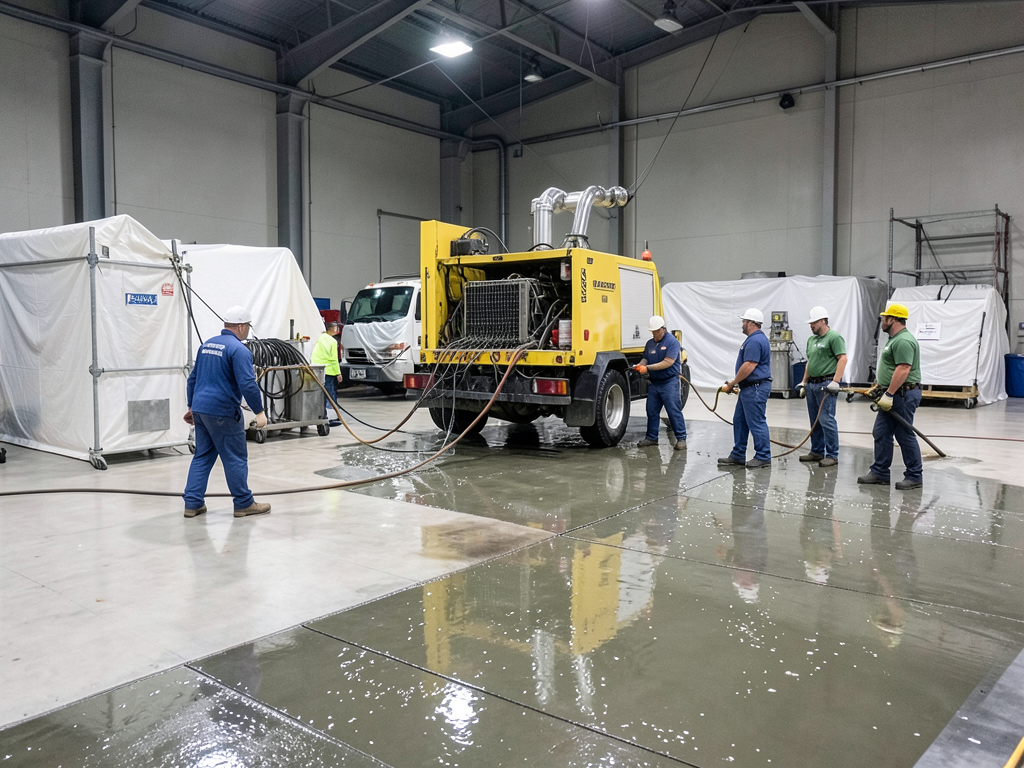
Water Damage Mitigation Strategies for Sound Stages and Production Facilities in Burbank Burbank's entertainment industry…

Removing Yellow Water Stains from the Luxury Marble in Your Beverly Hills Bathroom\n\nYour marble bathroom…
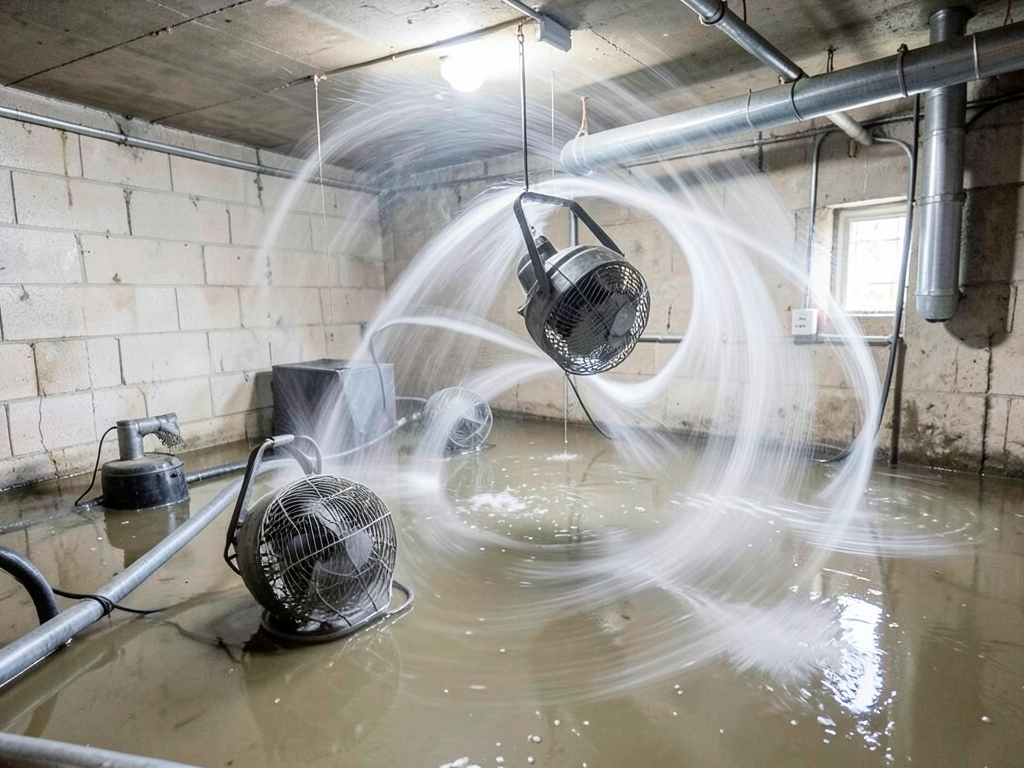
Why Household Fans Are Not Enough to Dry Out a Flooded Basement in Hollywood Hills…
Every hour water sits in your Walnut Park property increases damage and costs. Our emergency response teams are standing by 24 hours a day to stop water damage before it destroys your home. Call (209) 255-2558 now for immediate dispatch and start protecting your property within the hour.