




Montebello sits in the Rio Hondo floodplain, where aging infrastructure meets California's unpredictable weather patterns. The city's older housing stock, much of it built between the 1940s and 1960s, contains galvanized pipes nearing the end of their lifespan. When winter storms roll through the San Gabriel Valley, properties near Whittier Narrows Recreation Area face runoff issues that can saturate foundations within hours.
The area's clay-heavy soil compounds the problem. When saturated, this soil expands and contracts, creating pressure on basement walls and foundation slabs that leads to seepage and cracks. Homes in the Grant Park and Eastmont neighborhoods are particularly vulnerable during heavy rain events. The proximity to the Rio Hondo means rising water tables can push moisture through concrete floors, even in properties that have never flooded before.
Montebello's dense urban layout creates another risk factor. Multi-unit buildings along Garfield Avenue and Washington Boulevard share plumbing systems where one unit's leak becomes everyone's emergency. The city's mix of residential and light industrial properties means commercial water damage can impact surrounding homes through shared walls and drainage systems. Fast response matters here because Southern California's mild climate accelerates mold growth within 24 to 48 hours of water exposure.
United Water Damage Restoration Los Angeles has extracted water from Montebello properties for over a decade, building expertise in the specific challenges this city presents. We understand how water behaves in the area's older construction, where hidden cavities behind plaster walls can harbor moisture for weeks. Our technicians know which Montebello neighborhoods require special attention to foundation drainage and which properties near the Rio Hondo need immediate mold prevention protocols.
We maintain response teams positioned throughout the greater Los Angeles area, which means a crew reaches your Montebello property in under an hour. This speed matters because water damage costs double for every 24 hours of delay. Our trucks carry truck-mounted extraction units that remove standing water in minutes, not hours, followed by commercial-grade air movers and dehumidifiers that create the optimal drying environment.
Insurance companies know our name because we document everything with thermal imaging cameras and moisture meters that provide the proof adjusters need to approve claims. We speak their language, which means you don't spend weeks fighting for coverage. Our estimators work directly with carriers to streamline approvals while our crews start mitigation immediately.
What separates us from franchise operations is our commitment to complete restoration. We don't just dry your property and disappear. Our crews handle drywall replacement, flooring reinstallation, and paint matching so you deal with one company from emergency to completion. Every technician carries IICRC certification in water damage restoration, which means they follow science-based protocols, not guesswork.

Water spreads fast through Montebello's older construction. We dispatch crews within an hour of your call because every minute of delay increases damage and mold risk. Our trucks are always loaded and ready to roll, carrying industrial extraction equipment that starts working the moment we arrive.

We handle claim documentation, adjuster communication, and approval follow-up so you don't fight your insurance company alone. Our detailed moisture mapping and photo documentation give carriers the proof they need to approve coverage quickly. You focus on your family while we handle the paperwork.
Every crew member carries certification from the Institute of Inspection, Cleaning and Restoration Certification. This means they follow proven drying protocols based on building science, not shortcuts. We use thermal imaging to find hidden moisture and moisture meters to verify complete drying before reconstruction begins.
We've worked in Grant Park bungalows, Eastmont apartments, and commercial buildings along Garfield Avenue. This experience teaches us where water hides in your specific type of construction and which materials require replacement versus restoration. Local knowledge prevents the costly mistakes that franchise crews make.
Water damage takes many forms in Montebello, from catastrophic flooding during winter storms to slow leaks that rot framing over months. United Water Damage Restoration Los Angeles handles the full spectrum of water removal services, matching our response to your specific situation. A burst pipe requires different equipment and protocols than sewage backup or storm flooding.
Our service structure divides water damage into three categories based on contamination level and urgency. Clean water from supply lines gets treated differently than gray water from appliances or black water from sewage systems. Each category requires specific extraction methods, antimicrobial treatments, and disposal protocols to protect your health and prevent secondary damage.
We deploy truck-mounted extractors for major flooding, portable units for confined spaces, and specialized equipment for hardwood floor drying. Our crews carry moisture detection tools that map water migration through walls and subfloors, finding damage that visual inspection misses. This comprehensive approach prevents the mold growth and structural rot that appear weeks after incomplete water damage remediation. Whether you face an active emergency or discovered old moisture damage, we match our response to your property's needs.
When water floods your Montebello property, extraction speed determines total damage cost. Our crews arrive with truck-mounted pumps that remove thousands of gallons per hour from basements, crawl spaces, and living areas. We extract standing water first, then use portable units to pull moisture from carpets, padding, and subflooring. Thermal imaging cameras map water spread through walls and ceilings so we address hidden saturation before it causes structural damage. This rapid water removal service stops damage progression and creates the conditions needed for complete drying.
Removing standing water is only the first step. Moisture trapped in drywall, insulation, and framing causes mold growth and rot within 48 hours. We position commercial-grade air movers and dehumidifiers throughout your property to create controlled airflow that pulls moisture from porous materials. Our technicians monitor drying progress with moisture meters, adjusting equipment placement until readings match pre-loss conditions. This water damage mitigation process takes three to five days for most Montebello properties but prevents the thousands in repair costs that incomplete drying causes.
Southern California's climate creates perfect conditions for mold growth after water damage. Our water damage cleanup protocols include antimicrobial application to all affected surfaces, stopping spore development before colonies form. We remove contaminated materials like soaked insulation and padding that cannot be salvaged, then treat remaining surfaces with EPA-registered disinfectants. Properties with sewage backup or storm flooding receive additional antimicrobial fogging to address airborne contamination. This aggressive mold prevention protects your family's health and prevents the extensive remediation costs that appear when mold takes hold.
Montebello's unique combination of aging infrastructure, soil conditions, and urban density creates specific water damage vulnerabilities. Properties near Whittier Narrows face periodic flooding during heavy storms when the Rio Hondo rises and overwhelms aging drainage systems. The city's older neighborhoods contain galvanized supply lines that corrode from the inside out, causing pinhole leaks that saturate walls for weeks before anyone notices.
Multi-unit buildings along major corridors share plumbing risers where one tenant's overflow becomes a building-wide emergency. The area's clay soil expands when wet, pushing against foundation walls and creating cracks that allow groundwater seepage during winter months. These local factors mean Montebello residents face higher water damage risk than newer developments built to modern codes. Understanding these challenges helps property owners recognize warning signs before minor issues become major losses.
Many Montebello homes built before 1970 contain galvanized steel supply lines that corrode over decades. These pipes develop pinhole leaks that spray water inside walls for weeks before anyone notices staining or damage. By the time you see visible signs, framing rot and mold growth require extensive repairs beyond simple pipe replacement.
Montebello sits on expansive clay soil that swells when saturated and contracts when dry. This constant movement creates pressure on basement walls and foundation slabs, opening cracks that allow groundwater intrusion. Properties in low-lying areas near the Rio Hondo face persistent moisture issues that require ongoing management and foundation waterproofing.
Homes and businesses near Whittier Narrows Recreation Area face flooding risk when winter storms overwhelm drainage capacity. Water pools in streets and yards, then seeps through foundation perimeters and basement windows. The area's flat topography means water has nowhere to go during heavy rain events, creating standing water that saturates foundations and crawl spaces.
Apartment buildings and condos along Garfield Avenue and Washington Boulevard share plumbing systems where one unit's supply line break or toilet overflow affects multiple residences. Water follows gravity and plumbing chases, spreading damage vertically and horizontally through shared walls. These complex losses require coordination between multiple property owners and insurance carriers.
Water damage creates panic because it happens fast and the damage compounds by the hour. When you call United Water Damage Restoration Los Angeles, you get immediate answers and rapid action. Our intake specialists ask targeted questions about your situation to determine the right equipment and crew size while dispatching technicians to your Montebello property.
You receive a call from the crew chief within minutes confirming their arrival time, usually under 60 minutes from your initial call. Our trucks arrive loaded with extraction equipment, drying tools, and moisture detection devices so work starts immediately. We don't waste time making assessment trips or waiting for equipment delivery.
Throughout the water damage restoration process, you know exactly what's happening and why. Our crew chiefs explain each step, show you moisture readings, and document progress with photos. We provide daily updates during the drying phase and written reports for your insurance claim. This transparency eliminates the confusion and frustration that comes with hiring restoration companies who disappear for days between visits.
Your call triggers immediate crew dispatch, not an appointment scheduling process. We ask questions about your water source, affected areas, and property type while sending technicians to your location. You receive a call from the responding crew chief with an accurate arrival time, typically 45 to 60 minutes. Our trucks stay loaded with extraction pumps, air movers, dehumidifiers, and moisture meters so work begins the moment we assess your situation.
Water damage restoration takes days, not hours. Our crew chiefs explain the complete process during the initial assessment, including expected timeline, equipment placement, and daily monitoring schedule. We provide written documentation with photos and moisture readings after each visit. You receive direct contact information for your crew chief and project manager, not a general call center number. This consistent communication means you always know your property's status.
We don't stop at drying your property. Our crews handle drywall replacement, flooring reinstallation, and paint restoration so your space looks like the damage never happened. Before we consider any job complete, technicians verify moisture levels match pre-loss conditions using calibrated meters. You receive final documentation showing your property is completely dry and ready for occupancy, protecting you from future mold claims.
United Water Damage Restoration Los Angeles follows a systematic approach proven through thousands of Montebello water damage projects. This process moves from emergency stabilization through complete restoration in three phases.
Our crew chief inspects your property to identify water sources, measure affected areas, and determine contamination category. We classify damage as clean water, gray water, or black water to select appropriate protocols. Technicians immediately begin water extraction using truck-mounted pumps for major flooding or portable units for smaller losses. We remove standing water from all surfaces, then extract moisture trapped in carpets, padding, and porous materials using weighted extractors.
After extraction, crews position commercial air movers and dehumidifiers to create optimal drying conditions. We place equipment based on airflow science and moisture mapping data, not random placement. Technicians return daily to measure moisture levels in walls, floors, and ceilings using penetrating meters. Equipment gets repositioned based on these readings to address stubborn moisture pockets. This phase continues until all materials reach normal moisture content.
Once drying is complete, our reconstruction crews repair or replace damaged materials. We reinstall drywall, replace flooring, repaint walls, and restore your property to pre-loss condition. Final moisture verification ensures no hidden dampness remains that could cause future problems. You receive documentation proving complete drying and professional restoration, providing peace of mind and insurance claim closure.
Professional water damage restoration follows protocols established by the Institute of Inspection, Cleaning and Restoration Certification, the industry's standard-setting body. These protocols address three critical factors that determine restoration success: water category, material porosity, and environmental conditions.
Water damage gets classified into three contamination categories under IICRC S500 standards. Category 1 involves clean water from supply lines that poses no immediate health risk. Category 2 includes gray water from appliances, washing machines, or toilet bowls without feces that contains contamination requiring antimicrobial treatment. Category 3 covers black water from sewage backups, storm flooding, or rising groundwater that demands aggressive disinfection and material removal.
Material porosity determines drying strategy. Non-porous materials like metal and glass release moisture quickly with basic air movement. Semi-porous materials such as plywood and concrete require longer drying times and may need specialized equipment like injection drying systems. Porous materials including insulation, drywall, and carpet padding often require removal because they cannot be adequately dried and sanitized.
Montebello's climate affects drying time calculations. California's low humidity accelerates evaporation, but the area's mild temperatures mean less natural air movement than hot, dry climates. Professional restoration accounts for these factors using psychrometric calculations that measure temperature, humidity, and dew point to optimize equipment placement and runtime.
Thermal imaging cameras have transformed moisture detection by revealing water spread invisible to the naked eye. These tools show moisture patterns in walls, ceilings, and floors so technicians address all damage, not just visible staining. Paired with penetrating moisture meters that measure moisture content deep in materials, thermal imaging ensures complete drying verification before reconstruction begins.
Insurance companies require documentation meeting Xactimate standards, the estimating software used industry-wide. Professional restoration companies photograph damage, measure affected areas using industry-standard room sketches, and compile moisture logs showing daily progress. This documentation supports claim approval and protects property owners from disputes.
The IICRC S500 standard classifies water damage by contamination level. Category 1 clean water requires basic extraction and drying. Category 2 gray water needs antimicrobial treatment. Category 3 black water demands aggressive disinfection and material removal. Proper classification determines worker safety protocols, disposal requirements, and restoration methods. Using the wrong approach creates health risks and incomplete restoration.
Complete structural drying takes three to five days for most residential properties but varies based on material type, saturation level, and environmental conditions. Hardwood floors require slower drying to prevent cupping and cracking. Plaster walls take longer than drywall due to density. Properties with poor ventilation or high humidity need additional dehumidification capacity. Rushing the process causes warping, while excessive drying times increase costs unnecessarily.
Professional restoration relies on calibrated moisture meters that measure water content in building materials. Non-invasive meters scan surfaces to identify wet areas. Penetrating pin meters measure moisture deep in wood and drywall. Readings below 15 percent moisture content indicate adequate drying for most materials. Thermal imaging cameras map temperature differentials that reveal hidden moisture in wall cavities and under flooring where visual inspection cannot reach.
Water damage restoration companies in California must carry a C-61 contractor license for work exceeding $500. This license requires passing trade knowledge exams and maintaining liability insurance and workers compensation coverage. Unlicensed operators cannot pull permits, handle insurance claims properly, or provide legal recourse if work fails. Always verify licensing through the California Contractors State License Board before hiring any restoration company.
Complete guide to water damage restoration services in Montebello, California. Learn about emergency water extraction, structural drying protocols, mold prevention, and insurance coordination from IICRC-certified technicians. This video explains the water damage cleanup process from initial assessment through final restoration for Montebello residential and commercial properties. Covers clean water, gray water, and black water damage response procedures.
United Water Damage Restoration Los Angeles maintains rapid response capabilities throughout Montebello and the greater San Gabriel Valley. We serve the historic Grant Park neighborhood, where post-war housing stock faces aging plumbing infrastructure and foundation issues common to properties built in the 1940s and 1950s. Our crews regularly respond to water damage calls in the Eastmont area, where multi-family buildings along major streets share plumbing systems that create complex restoration challenges when one unit's problem becomes a building-wide emergency.
The residential areas north of Whittier Boulevard face unique flooding risks during winter storms when the Rio Hondo rises and overwhelms drainage systems designed decades ago for lighter development. We've extracted water from dozens of properties near Whittier Narrows Recreation Area, where proximity to the river and low-lying topography create persistent moisture management challenges. Properties in these flood-prone zones benefit from our experience with foundation waterproofing and perimeter drainage solutions that prevent repeat flooding.
Commercial properties along Garfield Avenue and Washington Boulevard present different restoration demands than residential work. These mixed-use buildings combine retail spaces, offices, and upper-floor apartments where water damage can impact multiple businesses and residents simultaneously. Our crews coordinate with property managers and business owners to minimize closure time while ensuring complete restoration. We've handled major losses in the industrial areas near Montebello Boulevard, where warehouse flooding requires specialized equipment and rapid response to protect inventory and maintain business operations.
The neighborhoods surrounding Taylor Avenue and Vail Avenue contain a mix of single-family homes and small apartment buildings typical of Montebello's diverse housing stock. These properties benefit from our knowledge of mid-century construction methods, including how water migrates through plaster walls and how to dry wood framing without causing secondary damage. We extend coverage throughout adjacent communities including Pico Rivera, Monterey Park, and East Los Angeles, bringing the same rapid response and quality restoration to the entire region.
Our service area includes properties near major transportation corridors like Interstate 5 and the 60 Freeway, where vehicle accidents can cause water main breaks affecting surrounding buildings. We maintain response capabilities throughout Los Angeles County, but our extensive Montebello experience gives us deep knowledge of the specific challenges this community faces. Whether you own property in the city's oldest neighborhoods or newest developments, we bring proven restoration expertise backed by years of local service.
Water damage restoration in Montebello takes 3 to 7 days for most residential properties. The timeline depends on the extent of damage, water category, and affected materials. Minor leaks affecting one room take 3 days. Major flooding impacting multiple rooms takes 5 to 7 days. Severe structural damage needs 2 to 4 weeks. The process includes water extraction, drying, cleaning, and repairs. Professionals monitor moisture levels daily to ensure complete drying before starting repairs.
Water damage restoration expenses in Montebello depend on damage severity, affected square footage, and water source. Minor incidents affecting small areas cost less than major flooding spanning multiple rooms. Category 3 water from sewage requires more extensive cleaning than Category 1 clean water. Additional factors include structural repairs needed, flooring replacement, and drywall work. Most Montebello restoration companies provide free inspections and detailed estimates before starting work. Request multiple quotes to compare services and pricing structures.
Most Montebello homeowners insurance policies cover sudden and accidental water damage. Examples include burst pipes, appliance malfunctions, and roof leaks from storms. Insurance typically excludes gradual damage from neglect, lack of maintenance, or flooding from natural disasters. Flood damage requires separate flood insurance through FEMA. Review your policy details and contact your insurance agent immediately after water damage occurs. Document all damage with photos and keep receipts for emergency repairs.
Water damage restoration in Montebello takes 3 to 7 days for most residential properties. The timeline depends on the extent of damage, water category, and affected materials. Minor leaks affecting one room take 3 days. Major flooding impacting multiple rooms takes 5 to 7 days. Severe structural damage needs 2 to 4 weeks. The process includes water extraction, drying, cleaning, and repairs. Professionals monitor moisture levels daily to ensure complete drying before starting repairs.
Water damage restoration expenses in Montebello depend on damage severity, affected square footage, and water source. Minor incidents affecting small areas cost less than major flooding spanning multiple rooms. Category 3 water from sewage requires more extensive cleaning than Category 1 clean water. Additional factors include structural repairs needed, flooring replacement, and drywall work. Most Montebello restoration companies provide free inspections and detailed estimates before starting work. Request multiple quotes to compare services and pricing structures.
Most Montebello homeowners insurance policies cover sudden and accidental water damage. Examples include burst pipes, appliance malfunctions, and roof leaks from storms. Insurance typically excludes gradual damage from neglect, lack of maintenance, or flooding from natural disasters. Flood damage requires separate flood insurance through FEMA. Review your policy details and contact your insurance agent immediately after water damage occurs. Document all damage with photos and keep receipts for emergency repairs.
Choose a Montebello water damage restoration company with IICRC certification, which ensures proper training in water damage protocols. Verify they offer 24/7 emergency response for urgent situations. Check online reviews and ask for local references from recent jobs. Confirm they have experience with your specific damage type and work directly with insurance companies. Ask about their equipment, drying methods, and moisture monitoring practices. Get written estimates from at least three companies before deciding.
Staying in your Montebello home during restoration depends on damage severity and affected areas. Minor water damage to one room allows you to remain home while work continues. Extensive damage affecting multiple rooms, contaminated water from sewage, or mold growth requires temporary relocation. Power shutoffs for safety reasons also necessitate finding alternate housing. Your restoration company will assess safety conditions and advise whether staying is appropriate. Many insurance policies cover temporary housing expenses during major restoration work.
Water damage restoration removes water, dries affected areas, and prevents secondary damage like mold. This emergency response happens immediately after water intrusion. Restoration companies extract standing water, place drying equipment, and monitor moisture levels. Water damage repair comes after restoration completes. Repair work includes replacing drywall, installing new flooring, repainting walls, and fixing structural damage. Most Montebello companies offer both restoration and repair services. Restoration stabilizes your property while repair restores it to pre-damage condition.
Call a Montebello water damage restoration company within the first hour after discovering water damage. Water spreads quickly through building materials. Mold begins growing within 24 to 48 hours in moist conditions. Immediate response prevents secondary damage and reduces restoration time. Standing water damages floors, walls, and furniture within hours. Contaminated water poses health risks requiring urgent professional attention. Most restoration companies offer 24/7 emergency response for flooding, burst pipes, and major leaks.
Professional Montebello water damage restoration companies regularly work with insurance adjusters throughout the claims process. They document damage with photos, moisture readings, and detailed reports for your claim. Many companies communicate directly with your insurance adjuster to streamline approval. They provide itemized estimates matching insurance requirements and industry standards. Some offer to wait for insurance payment before collecting fees. Working with an experienced restoration company helps ensure proper documentation and fair claim settlements.
Montebello water damage restoration companies use industrial water extractors to remove standing water quickly. Air movers create airflow to speed surface drying. Dehumidifiers remove moisture from the air and materials. Moisture meters and thermal imaging cameras detect hidden water in walls and floors. Air scrubbers filter contaminants and odors from the air. Professionals use antimicrobial treatments to prevent mold growth. Truck-mounted extraction units handle large-scale flooding. This specialized equipment dries properties faster than household fans and dehumidifiers.
Signs of hidden water damage in your Montebello home include musty odors, discolored walls or ceilings, and peeling paint. You might notice warped floors, soft spots in walls, or increased humidity. Higher water bills suggest hidden leaks. Check for water stains behind appliances, under sinks, and around water heaters. Mold growth indicates ongoing moisture problems. Professional water damage companies use moisture meters and thermal imaging cameras to detect hidden water damage behind walls and under floors.
Choose a Montebello water damage restoration company with IICRC certification, which ensures proper training in water damage protocols. Verify they offer 24/7 emergency response for urgent situations. Check online reviews and ask for local references from recent jobs. Confirm they have experience with your specific damage type and work directly with insurance companies. Ask about their equipment, drying methods, and moisture monitoring practices. Get written estimates from at least three companies before deciding.
Staying in your Montebello home during restoration depends on damage severity and affected areas. Minor water damage to one room allows you to remain home while work continues. Extensive damage affecting multiple rooms, contaminated water from sewage, or mold growth requires temporary relocation. Power shutoffs for safety reasons also necessitate finding alternate housing. Your restoration company will assess safety conditions and advise whether staying is appropriate. Many insurance policies cover temporary housing expenses during major restoration work.
Water damage restoration removes water, dries affected areas, and prevents secondary damage like mold. This emergency response happens immediately after water intrusion. Restoration companies extract standing water, place drying equipment, and monitor moisture levels. Water damage repair comes after restoration completes. Repair work includes replacing drywall, installing new flooring, repainting walls, and fixing structural damage. Most Montebello companies offer both restoration and repair services. Restoration stabilizes your property while repair restores it to pre-damage condition.
Call a Montebello water damage restoration company within the first hour after discovering water damage. Water spreads quickly through building materials. Mold begins growing within 24 to 48 hours in moist conditions. Immediate response prevents secondary damage and reduces restoration time. Standing water damages floors, walls, and furniture within hours. Contaminated water poses health risks requiring urgent professional attention. Most restoration companies offer 24/7 emergency response for flooding, burst pipes, and major leaks.
Professional Montebello water damage restoration companies regularly work with insurance adjusters throughout the claims process. They document damage with photos, moisture readings, and detailed reports for your claim. Many companies communicate directly with your insurance adjuster to streamline approval. They provide itemized estimates matching insurance requirements and industry standards. Some offer to wait for insurance payment before collecting fees. Working with an experienced restoration company helps ensure proper documentation and fair claim settlements.
Montebello water damage restoration companies use industrial water extractors to remove standing water quickly. Air movers create airflow to speed surface drying. Dehumidifiers remove moisture from the air and materials. Moisture meters and thermal imaging cameras detect hidden water in walls and floors. Air scrubbers filter contaminants and odors from the air. Professionals use antimicrobial treatments to prevent mold growth. Truck-mounted extraction units handle large-scale flooding. This specialized equipment dries properties faster than household fans and dehumidifiers.
Signs of hidden water damage in your Montebello home include musty odors, discolored walls or ceilings, and peeling paint. You might notice warped floors, soft spots in walls, or increased humidity. Higher water bills suggest hidden leaks. Check for water stains behind appliances, under sinks, and around water heaters. Mold growth indicates ongoing moisture problems. Professional water damage companies use moisture meters and thermal imaging cameras to detect hidden water damage behind walls and under floors.
United Water Damage Restoration Los Angeles is proud to service the entire Los Angeles area and surrounding communities. View our central location on the map to see our strategic positioning, which enables us to provide our guaranteed rapid response times across the region. If you need immediate assistance, please do not drive to our office; instead, call our 24/7 emergency hotline, and our fully-equipped team will be dispatched directly to your property without delay.
Address:
Montebello, CA, 90640

Restoring a Flooded Medical Clinic in Century City Without Compromising Patient Privacy or Sterile Zones When water floods a medical clinic in Century City the stakes go far beyond wet carpets. Patient records must stay…
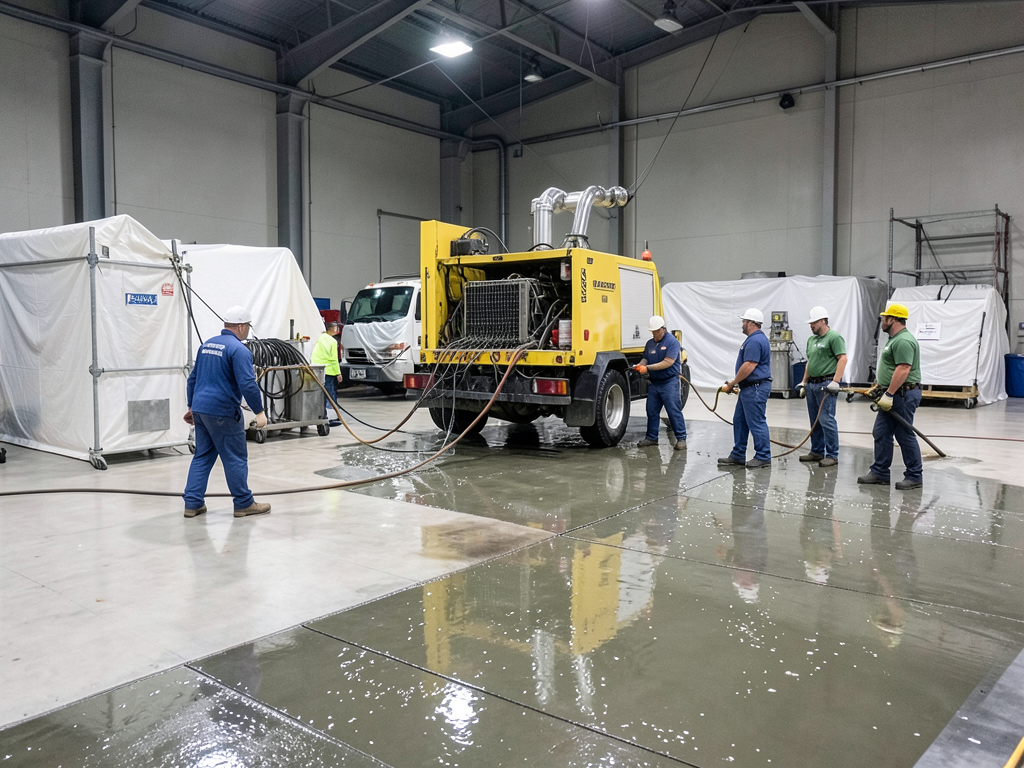
Water Damage Mitigation Strategies for Sound Stages and Production Facilities in Burbank Burbank's entertainment industry…

Removing Yellow Water Stains from the Luxury Marble in Your Beverly Hills Bathroom\n\nYour marble bathroom…
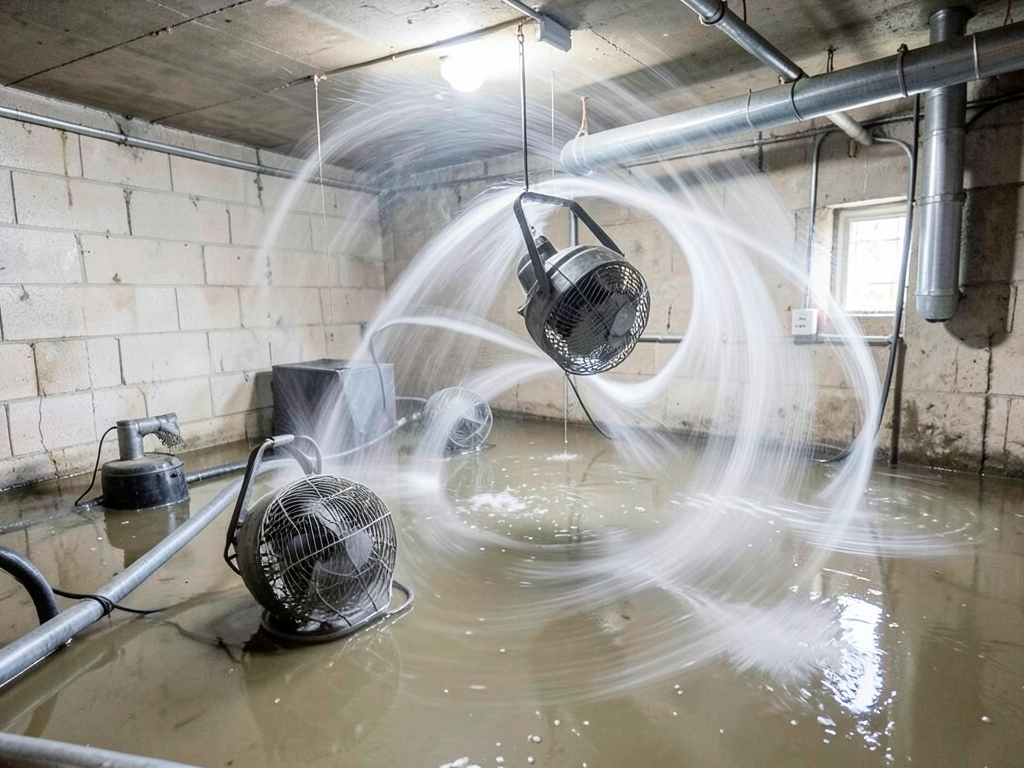
Why Household Fans Are Not Enough to Dry Out a Flooded Basement in Hollywood Hills…
Water damage costs double for every day you wait. Call United Water Damage Restoration Los Angeles at (209) 255-2558 right now for 60-minute emergency response to your Montebello property. Our crews are standing by 24 hours a day, seven days a week.