




Bell sits in the Los Angeles Basin where aging post-war construction meets intensive urban density. Most homes in neighborhoods near Gage Avenue and Eastern Avenue were built between 1940 and 1960, when builders used galvanized pipes that corrode after 50 years. The concrete slab foundations common throughout Bell trap moisture underneath, creating perfect conditions for mold growth within 48 hours of water intrusion.
The city's location just seven miles southeast of downtown Los Angeles means homes face pressure from the Metropolitan Water District's high-pressure distribution system. Winter storms bring heavy rainfall that overwhelms outdated drainage systems along the Los Angeles River corridor. Properties near Salt Lake Park and along Florence Avenue frequently experience backup from overtaxed storm drains during January and February downpours.
Bell's compact 2.5 square mile footprint means water damage spreads quickly between tightly-spaced structures. Shared walls in the multi-family buildings common throughout the city allow water migration from one unit to multiple neighbors. The combination of older plumbing infrastructure, slab foundations, and dense construction creates conditions where small leaks become major restoration projects if not addressed immediately.
United Water Damage Restoration Los Angeles responds to Bell properties within 60 minutes of your call because we maintain dispatch coverage specifically for the Southeast Los Angeles County corridor. Our technicians know the construction patterns throughout Bell's residential neighborhoods. We understand which homes have crawl spaces versus slab foundations, where main water shutoffs hide in older properties, and how water moves through the building types common near Cudahy Street and Live Oak Park.
We use thermal imaging cameras to find hidden moisture inside walls before mold starts growing. Our truck-mounted extraction units pull thousands of gallons from flooded structures in hours, not days. We place commercial-grade dehumidifiers and air movers based on psychrometric calculations, not guesswork. Every technician carries IICRC certification in water damage restoration and applied structural drying.
Insurance companies trust our documentation because we photograph everything, measure moisture levels at multiple depths, and provide detailed scope reports that justify every piece of equipment. We handle the entire claims process, communicate directly with adjusters, and won't ask you to pay out of pocket while waiting for insurance approval. Our clients throughout Bell appreciate that we protect their belongings during restoration, moving furniture to dry areas and covering contents with protective sheeting.
We've restored properties throughout every neighborhood in Bell, from single-family homes near Holmes Avenue to apartment complexes along Atlantic Avenue. Our local presence means we return for follow-up moisture checks and ensure your property reaches industry-standard dry goals before we remove equipment.

Our dispatch system prioritizes Bell emergency calls with guaranteed arrival within one hour. We maintain fully-stocked response vehicles throughout Southeast Los Angeles County, which means technicians arrive ready to extract water immediately. Fast response prevents secondary damage that turns a manageable situation into a total loss requiring demolition and reconstruction.

We handle all communication with your insurance carrier, submit estimates electronically through Xactimate software, and bill your policy directly after approval. You won't pay out of pocket while waiting months for reimbursement. Our documentation meets adjuster requirements the first time, eliminating the delays that happen when restoration companies submit incomplete paperwork.
Every technician maintains current certification from the Institute of Inspection, Cleaning and Restoration Certification in water damage restoration and applied structural drying. We follow ANSI/IICRA S500 standards for water damage remediation, which means our drying protocols meet the industry benchmarks insurance companies and building inspectors expect to see documented.
Our technicians know the building methods used throughout Bell's neighborhoods. We understand how water moves through post-war tract homes, which properties have subfloor ventilation, and where moisture hides in stucco exteriors common to the area. Local knowledge means faster damage assessment and more accurate equipment placement for complete structural drying.
United Water Damage Restoration Los Angeles provides every service needed to take Bell properties from flooded to fully restored. Our capabilities span the entire restoration process, from initial emergency water removal through final reconstruction and contents cleaning. We maintain all equipment in-house rather than subcontracting phases to other companies, which eliminates delays and communication gaps that slow recovery.
Our water damage remediation services address every type of water intrusion, whether clean water from supply line failures, gray water from appliance overflows, or category three contaminated water requiring specialized handling. We coordinate with licensed plumbers, electricians, and contractors when repairs extend beyond water damage restoration. Our project management approach means you work with one company that handles every aspect of returning your property to pre-loss condition. This integrated service model prevents the finger-pointing that happens when multiple companies blame each other for problems.
Our truck-mounted extraction equipment removes standing water from Bell properties within hours of arrival. We extract water from carpets, pull moisture from hardwood floors, and pump flooded basements and crawl spaces. After extraction, we place commercial dehumidifiers and air movers positioned according to psychrometric measurements to achieve complete structural drying. Thermal imaging identifies hidden moisture inside walls and beneath flooring. We monitor progress daily with moisture meters until your property reaches industry dry standards.
Mold starts growing within 48 hours in Bell's climate when moisture remains trapped inside structures. Our rapid structural drying prevents mold from establishing colonies. We apply antimicrobial treatments to affected surfaces and remove porous materials that absorbed contaminated water. HEPA filtration systems capture airborne spores during restoration work. If mold growth already started before we arrived, we contain affected areas with plastic sheeting and negative air pressure to prevent cross-contamination throughout your property.
Water damage often requires removing drywall, insulation, and flooring to achieve proper drying. Our licensed contractors rebuild everything we remove, matching existing finishes and bringing properties to current code. We replace water-damaged cabinets, install new flooring, retexture walls, and repaint. Our reconstruction services mean you work with one company from initial water extraction through final walkthrough. We coordinate inspections and handle permits required for electrical or plumbing repairs identified during restoration.
Bell's housing stock creates predictable patterns of water damage. Most residential structures date from the immediate post-war construction boom when builders prioritized speed over long-term durability. The galvanized supply pipes installed throughout neighborhoods near Otis Street and Wilcox Avenue corrode from inside after 50 years, developing pinhole leaks that spray water inside walls for days before residents notice damage. Concrete slab foundations prevent airflow beneath homes, trapping moisture that promotes mold growth and wood rot in bottom plates.
The city's position in the Los Angeles Basin means winter storms drop heavy rainfall on aging infrastructure not designed for modern water volumes. Properties near the Los Angeles River corridor experience backup through floor drains when storm systems overwhelm capacity. Multi-family buildings common throughout Bell face cascading damage when leaks in upper units flood multiple residences below. The combination of aging plumbing, outdated construction methods, and dense urban development creates conditions where minor plumbing failures become emergency restoration projects.
Galvanized pipes installed during Bell's 1940s and 1950s construction boom corrode from inside as zinc coating deteriorates. Pinhole leaks develop first, spraying water inside walls where damage goes unnoticed until drywall disintegrates. Complete pipe failure floods homes with hundreds of gallons within minutes. Replacement requires opening walls to install modern copper or PEX piping throughout affected sections.
Concrete slab foundations throughout Bell prevent natural evaporation of moisture beneath structures. Water from supply line leaks, condensation, or exterior drainage problems accumulates under slabs where it promotes mold growth in bottom wall plates. Moisture migrates upward through capillary action, affecting flooring and drywall. Detection requires specialized equipment that identifies moisture inside concrete and beneath finished surfaces.
January and February storms overwhelm Bell's aging storm drainage infrastructure. Properties near the Los Angeles River experience backup through floor drains and toilet flanges when municipal systems reach capacity. This contaminated category three water requires specialized cleaning protocols. Prevention involves installing backflow preventers on drain connections, but most older Bell properties lack these protective devices.
Apartment buildings and multi-family structures common throughout Bell face cascading water damage when supply line failures in upper units flood multiple residences below. Water follows plumbing penetrations and electrical conduit through floors, spreading damage vertically through structures. Insurance liability questions complicate restoration when damage originates in one unit but affects multiple properties. Fast response limits spread and total damage costs.
From the moment you reach our dispatch center, we focus on stopping damage progression and protecting your Bell property. Our intake specialists ask specific questions about water source, affected areas, and safety concerns to dispatch appropriate equipment and technician expertise. We provide immediate guidance on shutting off water sources and protecting belongings while technicians travel to your location.
You'll receive a call when our crew is 10 minutes away, giving you time to secure pets and unlock gates. Technicians arrive in marked vehicles stocked with extraction equipment, moisture detection tools, and protective gear. The initial assessment takes 15 to 30 minutes as we document damage, identify moisture extent using thermal imaging, and develop an action plan. We explain findings in plain language, show you moisture readings, and outline the restoration process before starting work.
Our goal is complete transparency throughout the restoration project. You'll know exactly what equipment we're placing, why it's necessary, and how long drying will take based on material types and moisture levels. We provide daily updates, adjust equipment as needed, and don't remove drying systems until moisture readings meet industry standards. The entire process is documented with photographs and moisture logs that satisfy insurance requirements and provide proof of proper restoration protocols.
Our technicians arrive within 60 minutes carrying thermal imaging cameras, moisture meters, and assessment tools. We identify all affected areas, including hidden moisture inside walls and beneath flooring. You'll receive a complete verbal explanation of damage extent and recommended restoration approach. We photograph everything for insurance documentation and develop a detailed scope before starting work. Emergency water extraction begins immediately while assessment continues, preventing additional damage during evaluation.
You'll receive daily updates on drying progress with specific moisture readings that show improvement. We explain what each piece of equipment does and why it's positioned in specific locations. When insurance adjusters visit, we walk them through damage and provide detailed estimates prepared in Xactimate software. Questions get answered immediately by phone or text. We never surprise you with additional charges or extend timelines without clear explanation of why conditions require changes.
We don't remove drying equipment until moisture readings reach industry-standard dry goals for each material type. You'll see final moisture meter readings that prove completion. We provide comprehensive documentation including photos, moisture logs, equipment placement records, and scope reports. If reconstruction is needed, we schedule work immediately rather than leaving your property with open walls for weeks. Our warranty covers workmanship, and we return for follow-up checks if any concerns develop.
We've refined our restoration process through thousands of Bell water damage projects. This systematic approach ensures nothing gets overlooked while eliminating unnecessary delays that extend displacement and increase costs.
Call (209) 255-2558 any time, day or night. Our dispatch specialists gather critical information about your water damage situation and send the nearest crew to your Bell property. We provide immediate guidance on safety concerns and damage mitigation steps while technicians travel to your location. You'll receive a callback with estimated arrival time and direct contact information for the responding crew chief.
Technicians extract standing water using truck-mounted pumps and portable extraction units. We remove saturated materials that cannot be dried effectively, including pad and insulation. Commercial dehumidifiers and air movers are positioned based on psychrometric calculations and thermal imaging findings. Monitoring equipment tracks temperature, humidity, and material moisture levels. We adjust equipment placement and capacity as conditions change, documenting progress daily with moisture meter readings.
Drying equipment remains in place until all materials reach moisture content appropriate for the material type and local climate conditions. We provide final moisture documentation showing completion. If reconstruction is needed, our licensed contractors rebuild removed materials, install new flooring, and restore your Bell property to pre-loss condition. Final walkthrough ensures you're completely satisfied before we close the project and submit final billing to your insurance carrier.
Professional water damage restoration follows ANSI/IICRC S500 standards that specify proper protocols for water damage mitigation. These standards establish requirements for moisture detection, extraction methods, drying equipment capacity, and monitoring procedures. Insurance companies expect restoration contractors to document compliance with S500 protocols, which is why we measure moisture content at multiple depths, calculate grain depression for dehumidifier placement, and maintain detailed equipment logs.
California requires contractors performing water damage restoration work exceeding $500 to hold active C-61 or B General Building Contractor licenses. Our technicians maintain IICRC certification in Water Damage Restoration (WRT) and Applied Structural Drying (ASD), demonstrating competency in psychrometry, moisture detection, and structural drying systems. These certifications require continuing education to stay current with industry advances in moisture detection technology and drying methods.
The Institute of Inspection, Cleaning and Restoration Certification categorizes water into three types based on contamination level. Category one includes clean water from supply lines and rainfall. Category two gray water contains some contamination from appliances or toilet bowls. Category three black water includes sewage and requires specialized handling with antimicrobial treatment and disposal of porous materials. Bell properties near the Los Angeles River corridor frequently experience category three water intrusion during storm events, requiring protocols that protect occupant health during restoration.
Proper structural drying requires understanding material porosity, surface area, and temperature effects on evaporation rates. We calculate specific humidity, relative humidity, and grains per pound to determine dehumidifier capacity needed for affected space volumes. Moisture content goals vary by material, with wood framing dried to 15 percent or less, concrete to 4 percent on calcium carbide tests, and drywall to readings matching unaffected areas. These benchmarks ensure structural integrity and prevent conditions that support mold growth after restoration completion.
The ANSI/IICRC S500 Standard provides specific procedures for water damage restoration. This includes requirements for moisture detection equipment, extraction methods, dehumidification capacity calculations, and documentation protocols. We follow S500 guidelines for every Bell project because insurance companies expect this level of professional service. Compliance protects property owners from claim disputes and ensures restoration meets industry benchmarks.
Water damage restoration costs depend on water volume, affected square footage, material types, and contamination level. Category three water requires more extensive protocols than clean water extraction. Structural drying in humid conditions requires longer equipment runtime and higher dehumidifier capacity. Material removal and reconstruction add costs beyond drying services. Most Bell homeowners pay nothing out of pocket because restoration is covered under insurance policy water damage provisions.
Structural drying takes three to seven days for most Bell water damage situations depending on material saturation levels and environmental conditions. Concrete and dense materials require longer drying times than wood framing and drywall. We monitor moisture daily and adjust equipment to optimize evaporation rates. Rushing the drying process by removing equipment prematurely creates conditions for mold growth and structural damage. Proper timelines protect your investment and ensure complete restoration.
California requires water damage restoration contractors to maintain active C-61 or B General Building Contractor licenses for projects exceeding $500. Our technicians carry IICRC Water Damage Restoration and Applied Structural Drying certifications demonstrating competency in moisture science and structural drying methods. These credentials ensure your Bell property receives service meeting state requirements and industry standards. Always verify contractor licensing before authorizing restoration work.
Educational video explaining water damage restoration services in Bell, California. Covers emergency water extraction, structural drying protocols, and restoration processes specific to Bell's post-war housing construction. Discusses common water damage causes including aging galvanized supply lines, slab foundation moisture problems, and storm drain backup. Explains IICRC standards and proper restoration procedures for Bell properties.
United Water Damage Restoration Los Angeles maintains complete coverage throughout Bell's 2.5 square miles. We respond to properties in every neighborhood, from the residential areas near Gage Avenue and Eastern Avenue to the homes surrounding Salt Lake Park. Our technicians know the construction patterns throughout the city, including the post-war tract homes common near Otis Street and the multi-family buildings along Atlantic Avenue.
Properties in the neighborhoods east of Wilcox Avenue typically feature the slab foundation construction that requires specialized moisture detection to find hidden water beneath concrete. The homes near Live Oak Park and along Holmes Avenue represent Bell's older housing stock where galvanized supply lines are reaching end of service life and developing leaks. We've restored properties throughout the residential areas surrounding Cudahy Street where aging infrastructure creates recurring plumbing problems.
The northern sections of Bell near Gage Avenue sit closest to the Los Angeles River corridor and experience storm drain backup during heavy rainfall events. Our crews understand the drainage patterns throughout these neighborhoods and know which properties face recurring flooding risk during January and February storm seasons. Properties along Florence Avenue and near the Bell Gardens border require fast response because water damage spreads quickly between the closely-spaced structures common throughout this area.
Our service area extends throughout Southeast Los Angeles County, covering adjacent communities including Maywood, Cudahy, Commerce, and South Gate. This regional presence means we maintain crews positioned throughout the area rather than dispatching from distant locations. Bell residents benefit from response times under one hour because we're already operating in your community. We understand local building departments, work with area insurance adjusters regularly, and know the plumbers and contractors serving Bell properties.
Whether your property sits near the intersection of Atlantic and Florence, in the quiet residential blocks near Salt Lake Park, or anywhere throughout Bell's compact footprint, we provide the same rapid response and professional service. Our familiarity with Bell's construction types, plumbing infrastructure, and flood-prone areas means faster assessment and more effective restoration than companies unfamiliar with the community.
Yes. Water damage spreads fast in Bell homes, especially with our humidity levels. Ignoring it leads to structural rot, mold growth within 24-48 hours, and skyrocketing repair costs. Professional restoration stops the damage chain immediately. Technicians extract standing water, dry hidden moisture in walls and subfloors, and prevent secondary issues like warped flooring or compromised drywall. The cost of restoration is always less than replacing your foundation, framing, or dealing with toxic mold remediation later. Your home is your biggest investment. Protect it before small leaks become catastrophic failures.
Costs vary based on damage severity, water category, and affected square footage. Minor leaks affecting one room might run lower, while category 3 sewage backups or flooded basements cost more due to contamination protocols. Bell homeowners typically see costs influenced by drywall removal needs, flooring replacement, and equipment runtime for industrial dehumidifiers. Insurance often covers sudden incidents like burst pipes or appliance failures. Get a free inspection to understand your specific situation. Reputable companies provide transparent estimates before starting work, breaking down extraction, drying, antimicrobial treatment, and reconstruction costs separately.
Most Bell water damage jobs take 3-7 days for complete drying, depending on water volume and materials affected. Emergency water extraction happens within hours of your call. Structural drying with commercial dehumidifiers and air movers runs 24/7 for 3-5 days minimum. Hardwood floors, thick carpet padding, and insulation take longer. Sewage contamination adds time for proper disinfection protocols. Weather impacts drying speed. Humid Bell summers slow evaporation rates compared to drier months. Your technician monitors moisture levels daily with infrared cameras and meters, only stopping equipment when readings hit safe thresholds.
Yes. Water damage spreads fast in Bell homes, especially with our humidity levels. Ignoring it leads to structural rot, mold growth within 24-48 hours, and skyrocketing repair costs. Professional restoration stops the damage chain immediately. Technicians extract standing water, dry hidden moisture in walls and subfloors, and prevent secondary issues like warped flooring or compromised drywall. The cost of restoration is always less than replacing your foundation, framing, or dealing with toxic mold remediation later. Your home is your biggest investment. Protect it before small leaks become catastrophic failures.
Costs vary based on damage severity, water category, and affected square footage. Minor leaks affecting one room might run lower, while category 3 sewage backups or flooded basements cost more due to contamination protocols. Bell homeowners typically see costs influenced by drywall removal needs, flooring replacement, and equipment runtime for industrial dehumidifiers. Insurance often covers sudden incidents like burst pipes or appliance failures. Get a free inspection to understand your specific situation. Reputable companies provide transparent estimates before starting work, breaking down extraction, drying, antimicrobial treatment, and reconstruction costs separately.
Most Bell water damage jobs take 3-7 days for complete drying, depending on water volume and materials affected. Emergency water extraction happens within hours of your call. Structural drying with commercial dehumidifiers and air movers runs 24/7 for 3-5 days minimum. Hardwood floors, thick carpet padding, and insulation take longer. Sewage contamination adds time for proper disinfection protocols. Weather impacts drying speed. Humid Bell summers slow evaporation rates compared to drier months. Your technician monitors moisture levels daily with infrared cameras and meters, only stopping equipment when readings hit safe thresholds.
Complete restoration covers the full damage cycle. First, emergency water extraction removes standing water using truck-mounted vacuums. Next, structural drying deploys industrial dehumidifiers and air movers to pull moisture from walls, subfloors, and framing. Technicians remove unsalvageable materials like soaked drywall, insulation, or carpet padding. Antimicrobial treatments kill bacteria and prevent mold growth. Moisture monitoring continues until readings normalize. Finally, reconstruction rebuilds what was removed, including drywall hanging, texture matching, painting, and flooring installation. Bell homeowners get turnkey service, handling everything from initial emergency response through final walkthrough.
Usually, yes, for sudden and accidental water damage. Bell homeowners see coverage for burst pipes, appliance malfunctions, roof leaks from storm damage, and HVAC failures. Insurance typically denies claims for gradual damage from neglected maintenance or flooding (which requires separate flood insurance). Your deductible applies. Professional restoration companies work directly with adjusters, documenting everything with photos and moisture readings to support your claim. They understand what insurers require for approval. Filing immediately improves claim success. Waiting signals neglect, giving insurers grounds to reduce payouts or deny coverage for secondary mold damage.
This question does not relate to water damage restoration. Water softeners address hard water mineral content, not emergency flooding or structural water damage. If you experienced water damage in Bell from a malfunctioning water softener, that requires immediate restoration services. Leaking softener tanks, failed valves, or drainage issues can flood laundry rooms and garages quickly. The focus should be stopping the leak, extracting standing water, and drying affected areas before mold establishes. Address appliance failures immediately to prevent expensive structural repairs. Contact a restoration specialist if your softener caused flooding damage.
No. DIY efforts miss hidden moisture that causes mold and structural rot. You lack the equipment needed for proper drying. Shop vacuums remove surface water but leave moisture deep in subfloors, wall cavities, and insulation. Household fans cannot generate the airflow or heat required for thorough drying. Professional-grade thermal imaging cameras detect moisture you cannot see. Bell homes with stucco exteriors and concrete slabs hide water intrusion that spreads silently. Insurance companies often reduce payouts for improper DIY mitigation that worsens damage. Emergency response prevents small problems from becoming total losses.
Servpro is one national franchise option. Timeline varies by location and current workload. For Bell residents, response time and local expertise matter more than brand name. Any qualified restoration company should respond within 1-2 hours for emergencies and complete drying in 3-7 days depending on damage severity. Ask specific questions about their Bell service area, average response times, equipment inventory, and technician certifications. Compare multiple local companies. Focus on those with proven Bell experience who understand our building types, typical plumbing issues, and insurance claim procedures specific to Los Angeles County requirements.
Plumbers fix the water source. Restoration companies fix the damage. These are separate specialties requiring different equipment and expertise. Your plumber repairs the burst pipe, leaking water heater, or broken supply line. Restoration technicians then extract standing water, dry your structure, remove damaged materials, treat for mold prevention, and rebuild. Some full-service restoration companies employ plumbers for convenience, but most Bell homeowners need both trades. Call a plumber first to stop active leaks, then immediately contact restoration specialists to prevent secondary damage. Waiting even a few hours allows mold spores to colonize damp surfaces.
Very likely if you wait longer than 24-48 hours. Bell humidity accelerates mold growth. Spores exist everywhere but need moisture to colonize. Porous materials like drywall, insulation, carpet padding, and wood framing become mold factories when wet. You may not see surface growth, but hidden mold thrives inside wall cavities and under flooring. Professional drying stops mold before it starts by removing moisture fast and applying antimicrobial treatments. Visible mold means the problem is already serious. Black mold, aspergillus, and other toxic varieties pose health risks. Speed determines whether you face simple drying or expensive mold remediation.
Complete restoration covers the full damage cycle. First, emergency water extraction removes standing water using truck-mounted vacuums. Next, structural drying deploys industrial dehumidifiers and air movers to pull moisture from walls, subfloors, and framing. Technicians remove unsalvageable materials like soaked drywall, insulation, or carpet padding. Antimicrobial treatments kill bacteria and prevent mold growth. Moisture monitoring continues until readings normalize. Finally, reconstruction rebuilds what was removed, including drywall hanging, texture matching, painting, and flooring installation. Bell homeowners get turnkey service, handling everything from initial emergency response through final walkthrough.
Usually, yes, for sudden and accidental water damage. Bell homeowners see coverage for burst pipes, appliance malfunctions, roof leaks from storm damage, and HVAC failures. Insurance typically denies claims for gradual damage from neglected maintenance or flooding (which requires separate flood insurance). Your deductible applies. Professional restoration companies work directly with adjusters, documenting everything with photos and moisture readings to support your claim. They understand what insurers require for approval. Filing immediately improves claim success. Waiting signals neglect, giving insurers grounds to reduce payouts or deny coverage for secondary mold damage.
This question does not relate to water damage restoration. Water softeners address hard water mineral content, not emergency flooding or structural water damage. If you experienced water damage in Bell from a malfunctioning water softener, that requires immediate restoration services. Leaking softener tanks, failed valves, or drainage issues can flood laundry rooms and garages quickly. The focus should be stopping the leak, extracting standing water, and drying affected areas before mold establishes. Address appliance failures immediately to prevent expensive structural repairs. Contact a restoration specialist if your softener caused flooding damage.
No. DIY efforts miss hidden moisture that causes mold and structural rot. You lack the equipment needed for proper drying. Shop vacuums remove surface water but leave moisture deep in subfloors, wall cavities, and insulation. Household fans cannot generate the airflow or heat required for thorough drying. Professional-grade thermal imaging cameras detect moisture you cannot see. Bell homes with stucco exteriors and concrete slabs hide water intrusion that spreads silently. Insurance companies often reduce payouts for improper DIY mitigation that worsens damage. Emergency response prevents small problems from becoming total losses.
Servpro is one national franchise option. Timeline varies by location and current workload. For Bell residents, response time and local expertise matter more than brand name. Any qualified restoration company should respond within 1-2 hours for emergencies and complete drying in 3-7 days depending on damage severity. Ask specific questions about their Bell service area, average response times, equipment inventory, and technician certifications. Compare multiple local companies. Focus on those with proven Bell experience who understand our building types, typical plumbing issues, and insurance claim procedures specific to Los Angeles County requirements.
Plumbers fix the water source. Restoration companies fix the damage. These are separate specialties requiring different equipment and expertise. Your plumber repairs the burst pipe, leaking water heater, or broken supply line. Restoration technicians then extract standing water, dry your structure, remove damaged materials, treat for mold prevention, and rebuild. Some full-service restoration companies employ plumbers for convenience, but most Bell homeowners need both trades. Call a plumber first to stop active leaks, then immediately contact restoration specialists to prevent secondary damage. Waiting even a few hours allows mold spores to colonize damp surfaces.
Very likely if you wait longer than 24-48 hours. Bell humidity accelerates mold growth. Spores exist everywhere but need moisture to colonize. Porous materials like drywall, insulation, carpet padding, and wood framing become mold factories when wet. You may not see surface growth, but hidden mold thrives inside wall cavities and under flooring. Professional drying stops mold before it starts by removing moisture fast and applying antimicrobial treatments. Visible mold means the problem is already serious. Black mold, aspergillus, and other toxic varieties pose health risks. Speed determines whether you face simple drying or expensive mold remediation.
United Water Damage Restoration Los Angeles is proud to service the entire Los Angeles area and surrounding communities. View our central location on the map to see our strategic positioning, which enables us to provide our guaranteed rapid response times across the region. If you need immediate assistance, please do not drive to our office; instead, call our 24/7 emergency hotline, and our fully-equipped team will be dispatched directly to your property without delay.
Address:
Bell, CA, 90201

Restoring a Flooded Medical Clinic in Century City Without Compromising Patient Privacy or Sterile Zones When water floods a medical clinic in Century City the stakes go far beyond wet carpets. Patient records must stay…
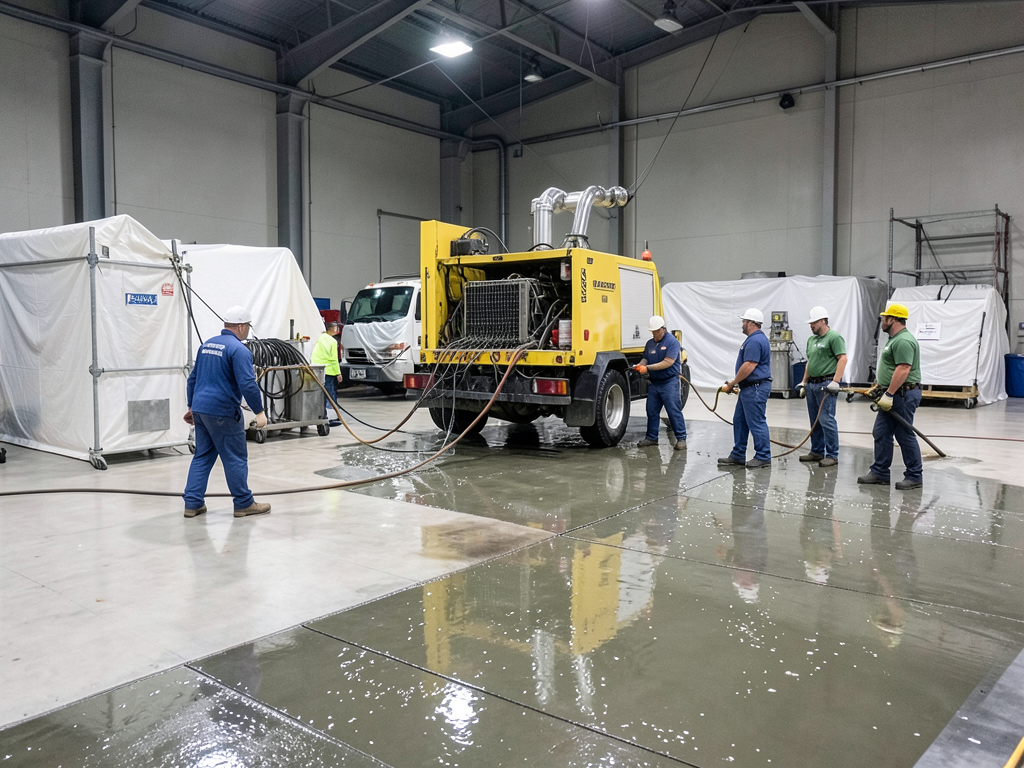
Water Damage Mitigation Strategies for Sound Stages and Production Facilities in Burbank Burbank's entertainment industry…
Removing Yellow Water Stains from the Luxury Marble in Your Beverly Hills Bathroom\n\nYour marble bathroom…
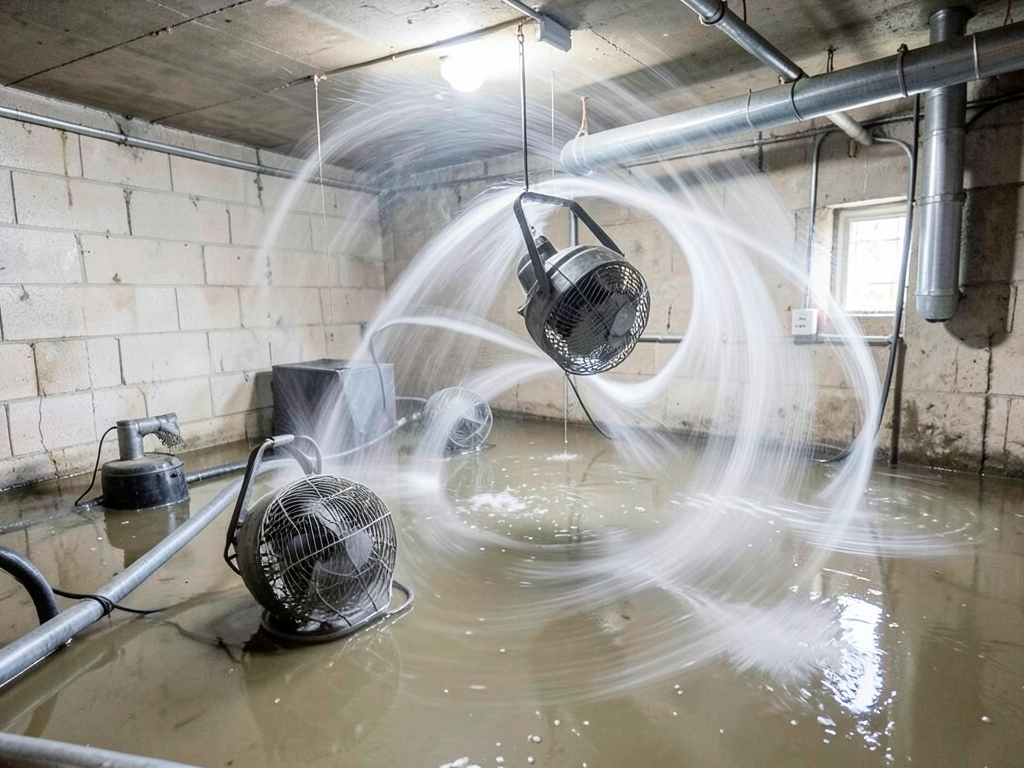
Why Household Fans Are Not Enough to Dry Out a Flooded Basement in Hollywood Hills…
Water damage gets worse every hour you wait. Call United Water Damage Restoration Los Angeles at (209) 255-2558 right now for emergency response to your Bell property. Our technicians are standing by 24/7 with equipment ready to stop damage progression and start structural drying immediately.