



menu

Cupping or Buckling Wood Floors in Los Angeles – Expert Diagnosis and Permanent Repair

We identify the moisture source behind warped hardwood flooring and swollen wood planks, then execute targeted structural drying and subfloor restoration to prevent recurring damage across Los Angeles County.

Slider Image 1
Slider Image 2
Slider Image 3
Slider Image 4
Slider Image 5
Slider Image 7
Slider Image 8
Slider Image 9
Slider Image 10
Slider Image 11

Why Los Angeles Hardwood Floors Warp and Buckle

You walk into your dining room and notice the hardwood feels uneven underfoot. Within days, lifting floorboards appear near the sliding door, and peaking hardwood joints form ridges you can see from across the room. This is cupping or buckling, and it happens when moisture infiltrates the wood faster than it can escape.

Los Angeles homes face a unique challenge. While the region is known for dry summers, coastal fog, heavy winter rains, and occasional plumbing failures create pockets of high humidity that trapped moisture beneath flooring. Slab foundation homes in neighborhoods like Silver Lake and Echo Park are especially vulnerable because water has nowhere to drain when a pipe leaks or condensation pools under the subfloor.

Cupping occurs when the edges of each plank absorb moisture and swell higher than the center, creating a concave surface. Buckling is more severe. The entire plank lifts away from the subfloor because swollen wood planks expand beyond the available space. Both conditions signal an active moisture problem, not just cosmetic damage.

Ignoring raised wood floor edges invites mold growth in the subfloor cavity, structural wood rot, and eventual floor collapse in extreme cases. The moisture source must be identified and eliminated before any repair work begins. Surface sanding or refinishing will fail if the underlying water intrusion continues. Los Angeles homeowners often mistake this for aging flooring, but warped hardwood flooring is a diagnostic symptom of a hidden leak, failed vapor barrier, or inadequate subfloor ventilation.

Why Los Angeles Hardwood Floors Warp and Buckle
How We Restore Cupped and Buckled Hardwood Floors

How We Restore Cupped and Buckled Hardwood Floors

We do not sand floors until we solve the moisture problem. That approach wastes time and money. Our process starts with non-invasive moisture mapping using penetrating and non-penetrating meters to measure moisture content in the wood, subfloor, and surrounding building materials. We measure in grains per pound and compare readings to ASTM standards for hardwood equilibrium moisture content in Southern California's climate zone.

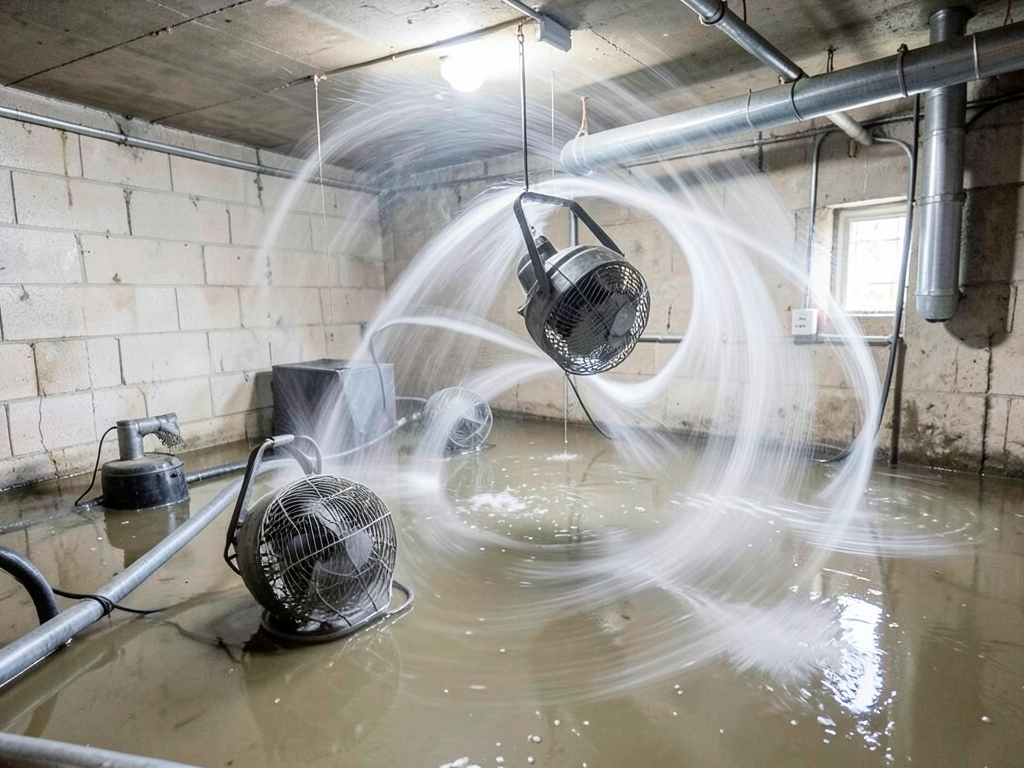
Once we locate the source, whether it is a slab leak, failed wax ring, or exterior grading issue, we coordinate the repair or handle it directly if it falls within our scope. Then we deploy low-grain refrigerant dehumidifiers and axial air movers to create controlled drying conditions. The goal is to reduce moisture content gradually. Rapid drying causes additional cracking and splitting in hardwood planks.

For moderate cupping, we monitor daily moisture readings and allow the wood to acclimate back to its original profile over seven to fourteen days. For severe buckling where planks have detached from the subfloor, we remove and reinstall affected sections after confirming the subfloor is dry and structurally sound. We also inspect for subfloor delamination in plywood or OSB sheathing, which requires replacement before any flooring goes back down.

United Water Damage Restoration Los Angeles uses moisture meters calibrated for oak, maple, and engineered hardwood species common in Los Angeles homes. We document readings with thermal imaging and written logs to provide your insurance adjuster with the evidence needed for claim approval. We do not guess. We measure, dry, and verify before any cosmetic restoration begins.

What Happens During Floor Restoration

Cupping or Buckling Wood Floors in Los Angeles – Expert Diagnosis and Permanent Repair
01

Moisture Source Identification

We inspect the affected area with thermal cameras and moisture meters to trace the water back to its origin. Common sources include slab leaks, supply line failures under sinks, or exterior drainage problems. We test the subfloor moisture content and document baseline readings before any drying equipment is placed. This diagnostic phase prevents recurring damage.
02

Controlled Structural Drying

We position dehumidifiers and air movers to create negative pressure drying conditions without over-drying the wood. We monitor grain depression and moisture content daily. Hardwood must dry at a controlled rate to avoid splitting. We adjust airflow and temperature based on real-time readings. This phase typically requires seven to ten days for moderate cupping and longer for severe buckling.
03

Subfloor Repair and Reinstallation

Once moisture levels return to normal range, we assess whether the hardwood has relaxed back into place or requires replacement. We inspect the subfloor for delamination, rot, or fastener withdrawal. Damaged sections are cut out and replaced. We reinstall hardwood planks using the correct fastener pattern for your floor type. Final sanding and refinishing restore the surface to match surrounding areas.

Why Los Angeles Homeowners Trust United Water Damage Restoration

Los Angeles County has strict building codes for moisture control in habitable spaces. Title 24 energy code compliance requires proper vapor barriers under slab foundations, and any remediation work must meet these standards. We understand how local inspectors evaluate subfloor repairs and ensure all work passes reinspection without delays.

Homes in older neighborhoods like West Adams, Hancock Park, and Mid-City were built before modern moisture management standards existed. Many still have original plumbing from the 1940s and 1950s. We have worked in these homes hundreds of times and know the common failure points, hidden access areas, and structural quirks that general contractors overlook.

When you call United Water Damage Restoration Los Angeles, you get technicians who have restored hardwood floors in Craftsman bungalows, Spanish revivals, and modern condos across the city. We know which flooring distributors in Los Angeles carry matching red oak for historic homes. We know how to navigate insurance claims with major carriers operating in California. We coordinate with your plumber, your adjuster, and your flooring contractor to keep the project moving.

You also avoid the runaround. Many restoration companies subcontract the actual drying work to independent technicians. We staff our own crews. The person who answers your call is the same person who manages your project. We do not disappear after the estimate. We stay on-site, adjust equipment, and communicate progress daily. Los Angeles homeowners do not have time for companies that show up once and vanish. We stay until the job is complete and the floor is dry.

What You Can Expect From Start to Finish

Response Time and Availability

We dispatch within two hours of your call, seven days a week. Hardwood floor damage worsens quickly, and delaying intervention increases the likelihood that you will need full plank replacement instead of drying and refinishing. We arrive with moisture meters and thermal imaging cameras to begin diagnostics immediately. You do not wait days for an estimate. We provide a scope of work on-site after completing the initial assessment. Equipment is placed the same day if you authorize the work.

Diagnostic Assessment Process

We measure moisture content at multiple points across the affected area and into adjacent rooms to map the full extent of water migration. We document moisture levels in the hardwood surface, the subfloor, and any underlayment materials. We inspect for secondary damage like mold growth or subfloor delamination. You receive a written report with moisture readings, thermal images, and a recommended drying strategy. This documentation is critical for insurance claims and ensures we are drying the right areas.

Final Results and Quality Standards

Our goal is to restore your floor to pre-loss condition, which means flat, stable, and visually consistent with undamaged areas. We verify final moisture content matches the equilibrium moisture content for Los Angeles's climate zone, typically between six and nine percent for hardwood. We do not leave until the floor passes our internal quality checklist. If replacement planks were installed, we sand and finish them to match the existing floor. You get a floor that looks and performs like it did before the damage occurred.

Post-Restoration Monitoring and Follow-Up

We schedule a follow-up inspection thirty days after project completion to verify the floor remains stable and no new moisture problems have developed. If we repaired a plumbing leak as part of the restoration, we reinspect the repair area. We provide maintenance guidance specific to your floor type and Los Angeles's climate. If you notice any changes in the floor's condition during the first ninety days, we return to reassess at no charge. This follow-up ensures the moisture problem was fully resolved and gives you confidence the repair will last.

Frequently Asked Questions

You Have Questions,
We Have Answers

What is the difference between wood buckling and cupping? +

Cupping happens when the edges of wood planks rise higher than the center, creating a concave shape. This occurs when moisture absorbs into the bottom of the board faster than the top. Buckling is more severe. The entire plank lifts away from the subfloor, often due to prolonged water exposure or poor installation. In Los Angeles, both issues stem from leaks, humidity swings, or water damage. Cupping is surface-level warping. Buckling means structural failure. If you see planks separating from the floor, you have buckling and need immediate assessment.

What does a buckled hardwood floor look like? +

A buckled hardwood floor shows visible lifting and separation from the subfloor. Planks may tent upward at seams, create ridges, or form peaks across the floor surface. You might feel boards shift underfoot or hear hollow sounds when walking. In severe cases, entire sections pull away and leave gaps. Buckled floors often follow water damage from pipe bursts, appliance leaks, or flooding. Los Angeles homes with slab foundations are particularly vulnerable because moisture gets trapped between concrete and wood. Buckling requires professional moisture testing and subfloor inspection before repairs.

Will my cupped wood floors flatten? +

Cupped floors can flatten if you address the moisture source quickly. Once you stop the leak and dry the subfloor, wood planks may return to their original shape as they release moisture evenly. This process takes weeks or months depending on humidity levels and wood thickness. However, if water damage sat too long, permanent warping occurs. In Los Angeles, rapid response matters because our dry climate can cause uneven drying, which worsens cupping. Professional moisture meters and dehumidifiers speed recovery. Do not sand cupped floors until they fully stabilize or you will remove too much material.

What does cupping look like on a wood floor? +

Cupping creates a wavy, washboard appearance across your wood floor. The center of each plank sits lower than the edges, forming shallow valleys between boards. Run your hand across the surface and you will feel raised edges. Cupping is most visible in direct light, especially near windows or patio doors. In Los Angeles homes, cupping often appears near bathrooms, kitchens, or laundry rooms where water exposure is common. The warping follows the grain direction. Severe cupping means the wood absorbed significant moisture from below. Test surrounding areas for hidden leaks or subfloor saturation before cosmetic repairs.

How Los Angeles's Wet Winters and Slab Foundations Create Floor Buckling

Los Angeles receives most of its annual rainfall between November and March, often in concentrated storm events that saturate the ground faster than it can drain. Homes on slab foundations in areas like Boyle Heights, Highland Park, and East Los Angeles are particularly vulnerable because water can wick up through concrete if the vapor barrier was improperly installed or has deteriorated over decades. When moisture enters the subfloor from below, hardwood planks absorb it from the underside, causing cupping and buckling that homeowners only notice after the damage is severe.

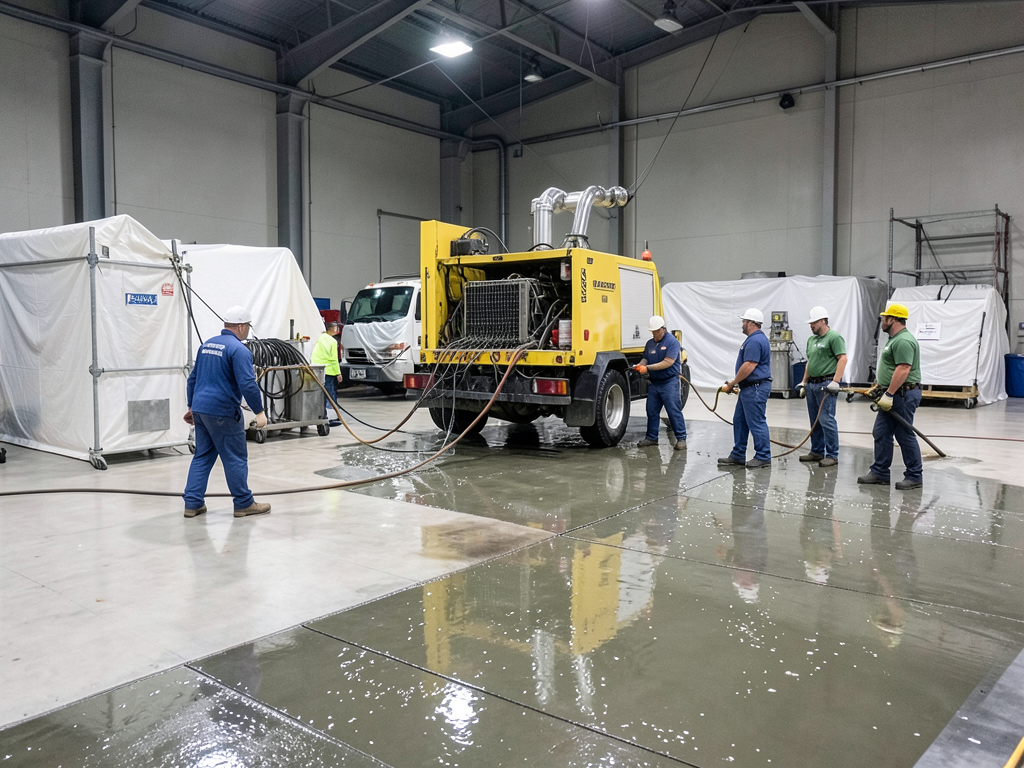
United Water Damage Restoration Los Angeles has worked in every neighborhood across the county, from coastal communities dealing with marine layer humidity to inland areas where summer heat causes foundation settling and plumbing stress. We understand how local soil conditions, building ages, and construction practices affect moisture intrusion risk. Our technicians carry certifications from the Institute of Inspection, Cleaning and Restoration Certification and follow ANSI-IICRC S500 standards for water damage restoration. Choosing a local company means faster response, better insurance coordination, and technicians who have solved your exact problem in homes just like yours.
Water Damage Restoration Services in The Los Angeles Area

United Water Damage Restoration Los Angeles is proud to service the entire Los Angeles area and surrounding communities. View our central location on the map to see our strategic positioning, which enables us to provide our guaranteed rapid response times across the region. If you need immediate assistance, please do not drive to our office; instead, call our 24/7 emergency hotline, and our fully-equipped team will be dispatched directly to your property without delay.

Address:
United Water Damage Restoration Los Angeles, 5800 S Eastern Ave, Los Angeles, CA, 90040

Additional Services We Offer

Our news updates

Latest Articles & News from The Blogs

What to Do When Your Wilmington Water Heater Floods Your Laundry Room A leaking water heater can release 40 to…

What to Do When Your Wilmington Water Heater Floods Your Laundry Room

What to Do When Your Wilmington Water Heater Floods Your Laundry Room A leaking water heater can release 40 to…

Getting Your West Hills Home Ready for the Los Angeles Rainy Season

Getting Your West Hills Home Ready for the Los Angeles Rainy Season The Santa Susana Mountains loom over West Hills…

Common Plumbing Problems in Miracle Mile Older Condo Buildings

Common Plumbing Problems in Miracle Mile Older Condo Buildings Miracle Mile’s charming historic condo buildings come with unique plumbing challenges…

Contact Us

Warped hardwood does not fix itself. Call United Water Damage Restoration Los Angeles now at (209) 255-2558. We will assess your floor, locate the moisture source, and start drying equipment today.