



menu

Does Insurance Cover Mold in Los Angeles – Get Clear Answers on Your Property Insurance Mold Coverage

Understanding whether does insurance cover mold can save you thousands when water damage strikes your Los Angeles property. We help homeowners and property managers decode complex mold remediation insurance claims and secure the coverage you deserve.

Slider Image 1
Slider Image 2
Slider Image 3
Slider Image 4
Slider Image 5
Slider Image 7
Slider Image 8
Slider Image 9
Slider Image 10
Slider Image 11

Why Mold Coverage Confuses Los Angeles Property Owners

You discover mold growing behind your bathroom tile or smell that distinct musty odor in your crawl space. Your first thought is filing an insurance claim. The reality is more complicated than most Los Angeles homeowners expect.

Most standard homeowners insurance mold coverage depends entirely on what caused the mold. If a covered peril like a sudden pipe burst triggers the growth, your policy typically pays for both water damage cleanup and mold remediation. If the mold resulted from gradual neglect or ongoing moisture problems, your claim gets denied.

Los Angeles presents unique challenges that make understanding property insurance mold coverage even more critical. Our marine layer fog and morning dew create persistent humidity in coastal neighborhoods from Santa Monica to San Pedro. Combined with the region's older housing stock and poor attic ventilation common in mid-century homes throughout the San Fernando Valley, moisture accumulates quickly.

Many properties built before 1980 lack proper vapor barriers. When winter rain finally arrives after months of drought, these structures absorb moisture rapidly. This seasonal swing from bone-dry to damp creates perfect conditions for spore colonization within 24 to 48 hours of water exposure.

The question is mold damage covered by insurance becomes urgent when you realize that visible growth often indicates a much larger hidden problem. Insurance adjusters know this. They scrutinize timelines carefully. If they determine you knew about a leak or moisture problem but delayed action, they deny the claim based on lack of maintenance.

Understanding does home insurance pay for mold removal requires reading your policy declarations page carefully and knowing exactly what triggered the contamination.

Why Mold Coverage Confuses Los Angeles Property Owners
How Insurance Companies Evaluate Mold Remediation Claims

How Insurance Companies Evaluate Mold Remediation Claims

Insurance carriers use strict protocols to determine whether they cover mold remediation. The evaluation hinges on three factors: causation, timeline, and policy limits.

First, adjusters investigate the source. Covered perils include sudden water damage from burst supply lines, washing machine hose failures, water heater ruptures, or storm-driven rain intrusion through wind-damaged roofing. These are acute, identifiable events. Your policy typically covers the resulting mold if you act within a reasonable timeframe.

Uncovered scenarios include gradual seepage from deteriorating plumbing, chronic condensation from inadequate ventilation, groundwater seepage through foundation cracks, or deferred maintenance issues like clogged gutters causing fascia rot. Insurance companies classify these as preventable maintenance problems.

Second, adjusters examine your response timeline. California Civil Code requires property owners to mitigate damage promptly. If you discover a leak on Monday but wait two weeks to call a restoration company, the insurer argues you allowed the mold to proliferate through inaction. This voids coverage even if the initial water damage was covered. Documentation matters enormously. Photos, plumber invoices, and restoration company work orders establish your timeline and good faith effort.

Third, your policy includes specific sublimits for mold remediation, typically $5,000 to $25,000. Many Los Angeles homeowners discover this cap only after filing a claim. If testing reveals extensive contamination requiring full containment, HEPA air scrubbing, and structural demolition, costs exceed policy limits quickly. Some carriers offer mold endorsement riders that increase this cap, but most homeowners never purchase them.

United Water Damage Restoration Los Angeles works directly with insurance adjusters throughout the claims process. We provide detailed moisture mapping, thermal imaging documentation, and EPA-compliant testing results that substantiate covered losses and maximize your settlement.

What Happens When You File a Mold Claim

Does Insurance Cover Mold in Los Angeles – Get Clear Answers on Your Property Insurance Mold Coverage
01

Initial Damage Assessment

Your insurance adjuster schedules an inspection within 48 to 72 hours of your claim filing. They document visible damage, photograph affected areas, and interview you about when you discovered the problem. Be precise about dates and what you observed. Vague answers raise red flags. We can attend this inspection to provide technical context about moisture intrusion patterns and spore colonization timelines that support your claim narrative.
02

Coverage Determination

The adjuster reviews your policy language against the documented facts. They determine whether the proximate cause qualifies as a covered peril and whether your actions met the duty to mitigate. This review takes anywhere from three days to two weeks. Expect requests for additional documentation like plumbing repair receipts or prior inspection reports. Carriers sometimes hire independent hygienists to conduct air sampling and verify contamination levels before authorizing full remediation scope.
03

Settlement and Remediation

Once the carrier approves your claim, they issue a scope of work and settlement offer. This often lowballs the actual remediation cost. You have the right to dispute their estimate with competing bids and technical documentation. After accepting the settlement, certified remediators establish containment barriers, remove contaminated materials, treat surfaces with antimicrobial solutions, and verify clearance through post-remediation testing. Insurance pays according to your policy deductible and sublimit structure.

Why Los Angeles Property Owners Choose Us for Insurance Claims Support

Filing mold remediation insurance claims without professional documentation leaves money on the table. Insurance adjusters work for the carrier, not you. Their job is controlling claim payouts while meeting minimum legal obligations.

United Water Damage Restoration Los Angeles has managed hundreds of insurance claims across every major neighborhood from Boyle Heights to Pacific Palisades. We understand exactly what documentation California insurance law requires and what evidence adjusters use to deny or reduce claims.

We deploy thermal imaging cameras that reveal hidden moisture in wall cavities and ceiling assemblies. These FLIR images provide objective proof of water intrusion patterns that support your claim timeline. We collect air samples and surface swabs that quantify spore concentrations and species identification. When adjusters see Stachybotrys or Chaetomium confirmed in lab results, they cannot dismiss the contamination as cosmetic.

Our detailed moisture mapping correlates water damage to specific building failures. If a rusted supply line caused the leak, we photograph the corrosion and document installation date. This establishes the failure as sudden and accidental, not gradual deterioration. If storm-driven rain penetrated through missing roof tiles, we photograph the damaged roofing and correlate the intrusion to specific weather events using National Weather Service data for Los Angeles. This level of documentation transforms weak claims into approved settlements.

We also understand Los Angeles building codes and how they affect remediation scope. Properties built under different code cycles have different ventilation requirements. Structures constructed before 1978 may contain lead paint or asbestos that complicates demolition. Our estimates account for these factors upfront, preventing change orders that insurance companies refuse to cover mid-project.

You need an advocate who speaks the insurance company's language and knows when their denial reasons are legitimate versus pretext for underpayment.

What to Expect During the Claims and Remediation Process

Response and Documentation Speed

Time destroys insurance claims. The longer mold grows before professional intervention, the easier adjusters can argue you failed to mitigate. We respond to calls within two hours and begin documentation immediately. Our technicians photograph conditions, map moisture levels, and establish containment to stop spore spread. This creates a defensible timeline that satisfies your duty to mitigate under California law. Fast response also prevents secondary damage that adjusters exclude from coverage. When you call our emergency line, you get a live person who dispatches a crew, not a voicemail system that delays action until business hours.

Testing and Scope Development

Insurance companies require objective testing before approving remediation. We coordinate with accredited industrial hygienists who collect air samples and surface swabs according to AIHA protocols. Lab analysis identifies species and quantifies concentration levels. These results determine remediation scope and whether materials require removal or can be cleaned in place. We provide detailed written protocols that specify containment methods, HEPA filtration, antimicrobial treatment, and disposal procedures. This documentation prevents adjusters from claiming our estimate is excessive or speculative. Clear testing results and explicit protocols make claim approval straightforward and protect you from under-remediation that leaves contamination behind.

Final Clearance and Verification

Remediation ends only when post-clearance testing confirms spore counts return to normal background levels. We never close a project based on visual inspection alone. Independent hygienists collect verification samples after our work completes. If any area fails clearance, we re-treat at no additional cost until testing passes. This final clearance report is critical for insurance claims because it proves covered damages were fully remediated. It also protects you from future liability if you sell the property. California requires disclosure of known mold problems. Our clearance documentation shows the issue was professionally addressed and resolved according to industry standards.

Prevention and Maintenance Recommendations

After remediation, we provide written recommendations to prevent recurrence. This often includes improving bathroom ventilation, correcting drainage grading around foundations, or repairing roof penetrations. These recommendations are not sales pitches but genuine risk reduction strategies. Insurance companies increasingly require proof of corrective action before renewing policies on properties with prior mold claims. Our documentation satisfies this requirement and helps you avoid non-renewal notices. We also offer monitoring services for high-risk properties in coastal areas where humidity remains elevated year-round. Regular inspections catch problems before they escalate into another insurance claim.

Frequently Asked Questions

You Have Questions,
We Have Answers

Should I tell my insurance company about mold? +

Yes, you should report mold to your insurer immediately if it results from a covered peril like a sudden pipe burst or storm damage. Document everything with photos and dates before cleanup begins. In Los Angeles, humid coastal air and older plumbing systems can complicate claims. Do not admit the mold was from long-term neglect. Stick to facts about the triggering event. Your policy likely requires prompt notification. Delaying could give the insurer grounds to deny coverage. If the mold stems from gradual leaks or poor maintenance, your claim will likely be denied regardless of when you report it.

Can you claim for mold on house insurance? +

You can claim mold damage if it results from a covered peril like sudden water damage from a burst pipe, roof leak during a storm, or appliance malfunction. Most standard homeowners policies in Los Angeles exclude mold from gradual issues like chronic leaks, high humidity, or deferred maintenance. Review your policy declarations page for mold sublimits, which often cap payouts at $5,000 to $10,000. Some carriers offer mold endorsements for higher limits. File quickly after discovering the source, and document the timeline to prove the damage was sudden and accidental, not preventable.

How long does it take for mold to spread in walls? +

Mold can colonize within 24 to 48 hours after water exposure in Los Angeles's moderate climate. Inside walls, where moisture gets trapped against drywall and insulation, growth accelerates. Visible surface mold often signals deeper contamination behind wallboard. Coastal humidity and poor ventilation in older homes speed colonization. If drywall stays wet beyond 48 hours, spores germinate and spread rapidly through porous materials like wood framing and paper backing. Professional water extraction within the first day is critical to prevent hidden mold that insurers may later claim was preventable through timely action.

What are my rights if my insurance denies a mold claim? +

If your insurer denies your mold claim, request a written explanation citing specific policy exclusions. Review your policy to confirm the denial is valid. In California, you can file a complaint with the Department of Insurance if the denial seems unfair or unclear. Consider hiring a public adjuster to reassess the damage and challenge the decision. If the mold stemmed from a covered peril like sudden water intrusion, gather evidence like plumber reports, photos, and timelines. You may also consult an attorney specializing in insurance disputes to explore bad faith claims or appeals.

Will my rates go up if I file a mold claim? +

Filing a mold claim may increase your premiums, but it depends on your insurer, claims history, and whether the mold resulted from a covered water loss. In Los Angeles, where water damage claims are common due to aging infrastructure and seasonal storms, insurers view frequent claims as risk factors. Some carriers implement surcharges or non-renew policies after payouts. However, a single claim for sudden damage may not significantly impact rates. Weigh the claim payout against potential premium hikes. If mold damage costs less than your deductible plus expected rate increases, paying out of pocket may be smarter long term.

What to do if you can't afford mold removal? +

If you cannot afford mold removal, explore payment plans with remediation contractors. Some companies in Los Angeles offer financing or work with third-party lenders. Contact local nonprofits or community housing agencies for assistance programs, especially if the mold poses health risks. If you rent, your landlord is legally responsible for remediation under California habitability laws. For homeowners, small-scale surface mold on non-porous surfaces may be cleanable with bleach solutions, but hidden or extensive growth requires professionals. Delaying remediation worsens damage and health risks, potentially leading to costlier structural repairs and medical bills.

What is the average cost of mold remediation? +

Mold remediation costs vary widely based on contamination extent, location, and materials affected. Small surface jobs may run a few hundred dollars, while extensive hidden mold in walls, crawlspaces, or attics can exceed several thousand. Los Angeles properties with older construction and poor ventilation often face higher costs due to structural complexity. Costs include containment, HEPA air filtration, antimicrobial treatment, material removal, and post-remediation testing. Insurance may cover part of the expense if tied to a covered peril. Always get multiple estimates and confirm the contractor is licensed and experienced with California health standards.

How much does it cost to fix damp issues in a house? +

Fixing dampness depends on the source. Repairing minor plumbing leaks or sealing foundation cracks may cost a few hundred dollars. Comprehensive solutions like waterproofing basements, installing vapor barriers, or upgrading ventilation systems can run several thousand. In Los Angeles, older homes with poor grading or aging sewer laterals often require drainage corrections. Costs escalate if dampness caused mold growth or structural rot requiring drywall replacement or framing repairs. Address the moisture source first to prevent recurrence. Dehumidifiers and improved airflow are low-cost preventive measures. Get multiple contractor quotes and verify licensing before committing to major work.

What are the signs of mold in a house? +

Common mold signs include visible black, green, or white patches on walls, ceilings, or grout. You may smell a musty, earthy odor even without visible growth. Water stains, peeling paint, or warping drywall suggest hidden moisture and potential mold behind surfaces. In Los Angeles homes, check around windows, under sinks, and near HVAC systems where condensation accumulates. Allergic reactions like sneezing, coughing, or eye irritation can signal airborne spores. If you suspect hidden mold, a professional inspection with moisture meters and air sampling confirms contamination and guides remediation before structural damage worsens.

Will mold go away if it dries out? +

No, mold does not disappear when it dries. Drying halts active growth, but dead spores remain on surfaces and can cause allergic reactions or reactivate when moisture returns. In Los Angeles's fluctuating humidity, dormant mold can re-colonize quickly after rain or plumbing leaks. Dried mold also releases mycotoxins that pose health risks. Proper remediation requires physical removal of contaminated materials and antimicrobial treatment, not just drying. Surface cleaning with bleach only addresses visible growth, not root systems in porous materials like drywall or wood. Professional remediation ensures complete removal and prevents future outbreaks.

How Los Angeles Coastal Humidity and Aging Infrastructure Complicate Mold Coverage

Los Angeles coastal neighborhoods from Malibu to Long Beach experience marine layer fog that deposits moisture on exterior surfaces almost daily between May and July. This persistent humidity penetrates attics and crawl spaces through inadequate vapor barriers. Most homes built before 1980 lack proper attic ventilation or crawl space encapsulation. When summer heat bakes roofs to 140 degrees, this trapped moisture creates condensation on cooler interior surfaces. Insurance companies deny these claims as maintenance issues, but the contamination stems from construction practices that predate modern building science. Understanding how homeowners insurance mold coverage applies to these scenarios requires technical knowledge of building envelope physics and California construction history.

Los Angeles water infrastructure is aging rapidly. Clay pipes installed in neighborhoods like Hancock Park and Los Feliz during the 1920s are failing with increasing frequency. The city experiences more than 400 water main breaks annually. When these underground failures saturate soil around foundations, moisture wicks through concrete and creates ideal conditions for mold growth in basements and crawl spaces. Property owners often discover the problem only after odors or visible growth appear. Proving to insurance adjusters that the contamination resulted from a sudden pipe failure rather than chronic seepage requires forensic documentation and expert testimony. United Water Damage Restoration Los Angeles has the technical capability and claims experience to substantiate these complex causation arguments and secure property insurance mold coverage when other contractors cannot.
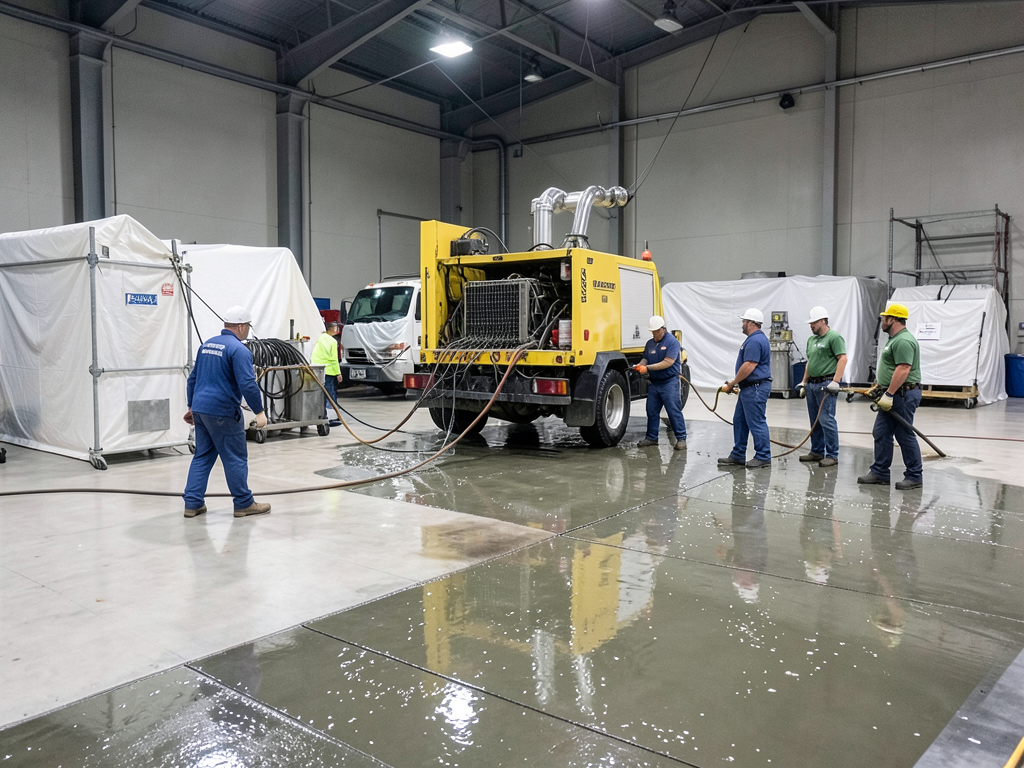

Water Damage Restoration Services in The Los Angeles Area

United Water Damage Restoration Los Angeles is proud to service the entire Los Angeles area and surrounding communities. View our central location on the map to see our strategic positioning, which enables us to provide our guaranteed rapid response times across the region. If you need immediate assistance, please do not drive to our office; instead, call our 24/7 emergency hotline, and our fully-equipped team will be dispatched directly to your property without delay.

Address:
United Water Damage Restoration Los Angeles, 5800 S Eastern Ave, Los Angeles, CA, 90040

Additional Services We Offer

Our news updates

Latest Articles & News from The Blogs

What to Do When Your Wilmington Water Heater Floods Your Laundry Room A leaking water heater can release 40 to…

What to Do When Your Wilmington Water Heater Floods Your Laundry Room

What to Do When Your Wilmington Water Heater Floods Your Laundry Room A leaking water heater can release 40 to…

Getting Your West Hills Home Ready for the Los Angeles Rainy Season

Getting Your West Hills Home Ready for the Los Angeles Rainy Season The Santa Susana Mountains loom over West Hills…

Common Plumbing Problems in Miracle Mile Older Condo Buildings

Common Plumbing Problems in Miracle Mile Older Condo Buildings Miracle Mile’s charming historic condo buildings come with unique plumbing challenges…

Contact Us

Do not let insurance companies minimize your mold claim. Call United Water Damage Restoration Los Angeles at (209) 255-2558 right now for emergency documentation and claims support. We respond within hours, not days, and provide the technical evidence that maximizes your settlement.