


menu

Toilet Overflow Cleanup in Los Angeles – 24/7 Emergency Response Stops Sewage Damage Fast

United Water Damage Restoration Los Angeles deploys certified technicians across LA County within 60 minutes to contain toilet floods, extract contaminated water, and prevent structural damage before sewage spreads.

Slider Image 1
Slider Image 2
Slider Image 3
Slider Image 4
Slider Image 5
Slider Image 7
Slider Image 8
Slider Image 9
Slider Image 10
Slider Image 11

Your Toilet Overflow Is More Than a Mess. It's a Health Emergency.

A toilet overflow sends contaminated water across your bathroom floor in minutes. In Los Angeles homes, where many properties feature slab foundations and tight floor plans, that sewage spreads fast. It seeps under baseboards, soaks into drywall, and carries bacteria into spaces you cannot reach.

Stop calling this a plumbing issue. This is a Category 3 water damage event. Toilet sewage removal requires specialized equipment and antimicrobial treatment. The water you see is not clean. It contains pathogens from human waste, and every minute it sits increases your exposure risk.

Los Angeles's Mediterranean climate creates a second problem. High humidity levels during summer and fall months slow evaporation. Moisture trapped in porous materials breeds mold within 24 to 48 hours. The longer you wait, the more you compromise indoor air quality and structural integrity.

Emergency toilet water extraction is not a DIY fix. You need industrial-grade pumps, HEPA filtration, and EPA-registered disinfectants. You need technicians trained in bloodborne pathogen protocols. You need someone who understands how water migrates through LA's diverse housing stock, from Craftsman bungalows in Highland Park to stucco apartment complexes in Koreatown.

Overflowing toilet cleanup starts with containment. If sewage reaches carpet, hardwood, or subfloor, the damage multiplies. If it enters your HVAC system, you distribute contamination throughout the building. United Water Damage Restoration Los Angeles stops the spread, extracts the water, and begins toilet flood restoration before your home becomes unlivable.

Your Toilet Overflow Is More Than a Mess. It's a Health Emergency.
How We Execute Toilet Overflow Remediation in Los Angeles

How We Execute Toilet Overflow Remediation in Los Angeles

We do not mop up sewage and call it done. Toilet overflow remediation follows IICRC S500 standards for Category 3 water damage. That means full extraction, antimicrobial application, controlled drying, and post-remediation verification.

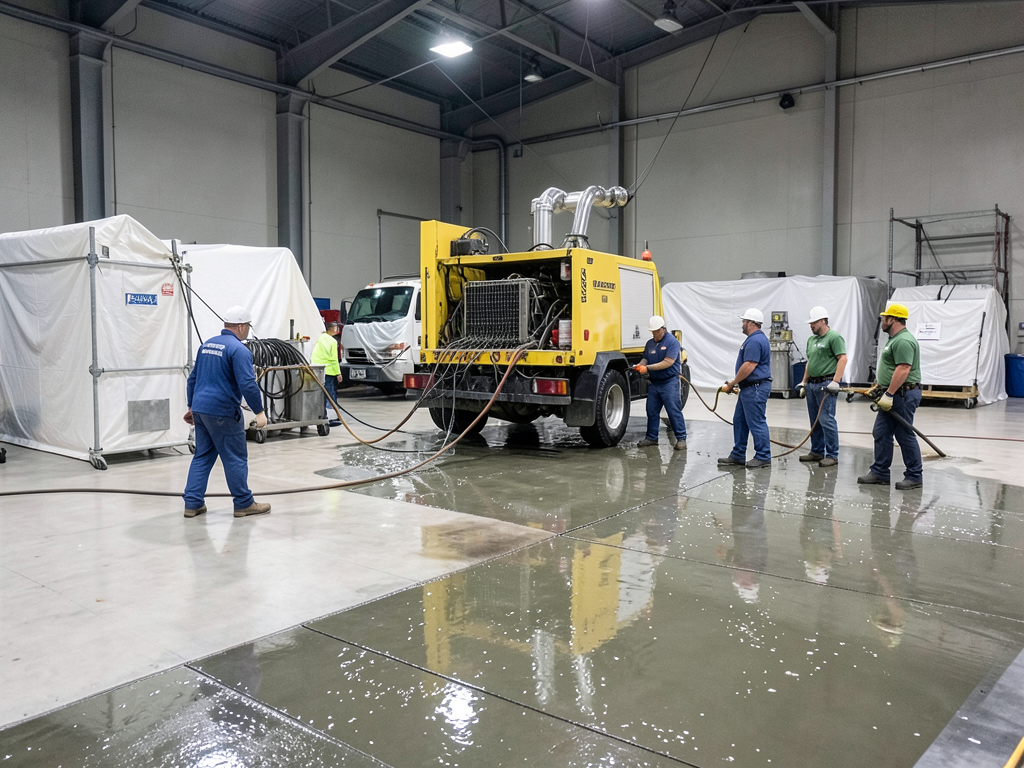
Our technicians arrive with truck-mounted extraction units capable of pulling hundreds of gallons per hour. We remove standing water first, then apply EPA-approved disinfectants to all affected surfaces. This is not bleach from a spray bottle. We use hospital-grade quaternary ammonium compounds that kill bacteria, viruses, and fungi on contact.

Next, we assess porous materials. Drywall, insulation, and carpet padding cannot be saved if they absorb sewage. We document what needs removal for insurance purposes, then dispose of contaminated materials following California hazardous waste protocols. Non-porous surfaces like tile and sealed hardwood get cleaned, disinfected, and dried.

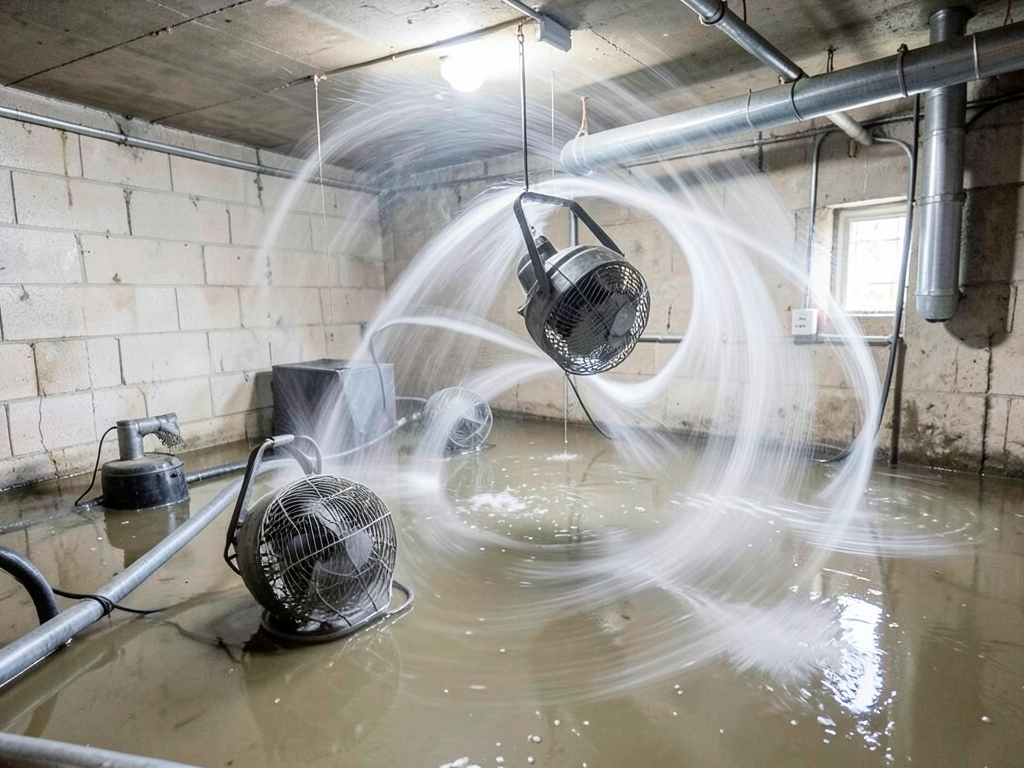
Drying is not passive. We deploy axial air movers and low-grain refrigerant dehumidifiers. We monitor moisture levels in wall cavities using infrared cameras and pin-type meters. Los Angeles homes often have plaster walls over wood lath. Water gets trapped between layers. We drill weep holes and insert drying chambers to pull moisture out without demolishing entire walls.

We test air quality before we leave. If mold spores exceed baseline levels, we run HEPA air scrubbers until readings normalize. If subfloor moisture remains elevated, we extend drying time. You do not pay for rushed work that fails in six months. You pay for toilet sewage removal done correctly the first time.

What Happens During a Los Angeles Toilet Overflow Emergency

Toilet Overflow Cleanup in Los Angeles – 24/7 Emergency Response Stops Sewage Damage Fast
01

Immediate Dispatch and Containment

We answer your call within minutes and dispatch the nearest crew. While en route, we guide you through containment steps to limit spread. Our technicians arrive with personal protective equipment, extractors, and antimicrobial agents. We stop water flow, isolate the affected area, and begin emergency toilet water extraction immediately. Time matters. Every minute reduces total damage.
02

Full Extraction and Disinfection

We remove all visible sewage using industrial pumps and wet vacuums. Then we treat surfaces with antimicrobial solutions that eliminate pathogens. We remove unsalvageable materials like soaked drywall and insulation, documenting everything for your insurance claim. We inspect adjacent rooms and crawl spaces to confirm sewage has not migrated. This step prevents hidden contamination from surfacing later.
03

Controlled Drying and Verification

We install commercial dehumidifiers and air movers to dry structural materials to safe moisture levels. We monitor progress using thermal imaging and moisture meters. Once readings stabilize, we test air quality and surface cleanliness. Only after verification do we clear the space for reconstruction. You receive documentation showing your home is safe, dry, and free of contamination.

Why Los Angeles Residents Choose United Water Damage Restoration for Sewage Emergencies

Los Angeles spans 500 square miles with housing stock ranging from 1920s Spanish Colonial revivals to modern condos. We know how water behaves in each building type. We know which neighborhoods have clay soil that shifts and cracks slab foundations. We know which areas have older cast iron drain lines prone to backups.

That local knowledge matters during toilet flood restoration. A bathroom overflow in a hillside home in Silver Lake requires different containment strategies than a ground-floor unit in Santa Monica. We adjust our approach based on your property's construction, age, and layout.

We also navigate Los Angeles Department of Building and Safety codes when reconstruction is needed. If sewage damages electrical outlets or compromises structural framing, repairs must meet current building standards. We coordinate inspections, pull permits, and ensure work passes final review. You do not deal with bureaucracy while your home is uninhabitable.

Our technicians hold IICRC certifications in Water Damage Restoration and Applied Microbial Remediation. They complete annual bloodborne pathogen training and hazardous materials handling courses. This is not a side service we added to fill gaps. Overflowing toilet cleanup is what we do every day across LA County.

We work directly with your insurance carrier. We photograph damage, log equipment usage, and provide detailed estimates. Most policies cover sudden and accidental water damage, including sewage backups. We help you maximize your claim while minimizing your out-of-pocket expense. You focus on getting your life back. We handle the paperwork.

What to Expect When You Call United Water Damage Restoration Los Angeles

Rapid Response Across Los Angeles County

We operate 24 hours a day, 365 days a year. Our teams cover the entire LA metro area from the San Fernando Valley to Long Beach. Most clients see technicians arrive within 60 minutes of the initial call. We do not schedule appointments for sewage emergencies. We dispatch immediately. Our trucks carry everything needed to start extraction and disinfection on-site. You do not wait for equipment to arrive or crews to mobilize. We show up ready to work.

Comprehensive Damage Assessment

Our initial assessment documents the full extent of contamination. We inspect visible areas and use moisture meters to check hidden cavities. We photograph damage for insurance purposes and create a detailed scope of work. You receive a written estimate before we begin major tearout or reconstruction. We explain what can be saved, what must go, and why. You make informed decisions. We do not proceed without your approval.

Certified Clean and Dry Results

We do not declare a job complete until moisture readings meet industry standards and air quality tests pass. You receive documentation showing final readings and confirming successful remediation. Surfaces are disinfected, dried, and safe for reoccupancy. If reconstruction is required, we coordinate with licensed contractors to restore your home to pre-loss condition. The result is a bathroom you can use without health concerns or lingering odors.

Post-Remediation Support and Prevention Guidance

After completing toilet overflow remediation, we provide guidance on preventing future incidents. This includes recommendations for backflow prevention devices, sewer line inspections, and maintenance schedules. If you experience secondary issues like mold growth or persistent odors, we return to investigate at no additional diagnostic charge. Our goal is complete resolution. We stay available for questions and follow-up visits until you are confident the problem is solved.

Frequently Asked Questions

You Have Questions,
We Have Answers

Can you pour vinegar in a toilet overflow tube? +

Yes, you can pour white vinegar into the overflow tube to reduce mineral buildup and bacteria. Pour one cup of distilled white vinegar directly into the tube and let it sit for 30 minutes before flushing. This helps clean hard water deposits common in Los Angeles due to high mineral content in local water supplies. Vinegar works as a mild acid that breaks down calcium and lime. If you have a sewage backup or overflow emergency, do not attempt DIY cleaning. Call a professional immediately to prevent contamination and water damage.

How to clean a toilet overflow tube? +

Turn off the water supply valve at the toilet base. Remove the tank lid and locate the overflow tube, the vertical pipe in the center. Use a small bottle brush or flexible wire brush to scrub inside the tube. Mix equal parts white vinegar and warm water in a spray bottle and apply liberally. Let it sit for 15 minutes, then scrub again. Flush twice to rinse. For Los Angeles homes with older plumbing, inspect for rust or corrosion during cleaning. If you notice cracks or persistent clogs, contact a licensed plumber before the issue escalates.

Will toilet overflow cause mold? +

Yes. Toilet overflow introduces contaminated water containing bacteria, organic matter, and pathogens into flooring, walls, and subflooring. Mold can begin growing within 24 to 48 hours in Los Angeles humidity, especially during warmer months. Porous materials like drywall, baseboards, and carpet padding absorb sewage water quickly. Even if surfaces appear dry, moisture trapped beneath can create ideal mold conditions. You need immediate extraction, antimicrobial treatment, and structural drying to prevent mold colonization. Do not wait. Professional water damage restoration crews have moisture meters and industrial equipment to address hidden moisture your household fans cannot reach.

How to clean towels after toilet overflow? +

Wash contaminated towels separately in hot water (at least 160 degrees) with heavy-duty detergent and one cup of bleach. Run the wash cycle twice to ensure disinfection. Dry on the highest heat setting. Do not mix these towels with other laundry to prevent cross-contamination. If towels contacted Category 3 water (sewage), many health departments recommend disposal rather than cleaning due to pathogen risk. In Los Angeles, bagged contaminated textiles can go in regular trash. For large-scale contamination affecting multiple rooms, professional cleaning services with antimicrobial treatments provide safer, more thorough disinfection than home washing.

Can I leave vinegar in the toilet tank overnight? +

Yes, leaving vinegar in the toilet tank overnight is safe and effective for breaking down mineral deposits and killing bacteria. Pour two cups of white vinegar into the tank, avoid flushing, and let it sit for 8 to 12 hours. This method works well for Los Angeles homes with hard water issues. Vinegar will not damage tank components like flappers or fill valves. In the morning, scrub the tank interior with a brush and flush several times. This maintenance step helps prevent buildup that can cause overflows. For persistent problems or visible corrosion, consult a plumber.

What do plumbers recommend for cleaning toilet tanks? +

Plumbers recommend white vinegar or a bleach solution for routine toilet tank cleaning. For mineral buildup, use two cups of vinegar and let it sit overnight. For bacteria and mold, use one cup of bleach diluted in a full tank of water, wait 15 minutes, then flush. Avoid mixing bleach and vinegar, which creates toxic chlorine gas. Commercial tank cleaners with citric acid work well for hard water deposits common in Southern California. Never use abrasive cleaners that scratch porcelain or damage rubber components. Regular cleaning every three months prevents clogs and mechanical failures that cause overflows.

Will hydrogen peroxide dissolve toilet paper? +

No. Hydrogen peroxide will not dissolve toilet paper. It acts as a mild bleaching and disinfecting agent but lacks the chemical structure to break down cellulose fibers in paper. Only enzymatic drain cleaners or bacterial treatments can partially degrade paper, but even these work slowly. The best solution for toilet paper clogs is a plunger or toilet auger. If you have a persistent clog causing overflow risk, stop using the toilet and call a plumber. In Los Angeles older homes with cast iron or clay sewer lines, clogs often indicate tree root intrusion or pipe deterioration requiring professional diagnosis.

What are two things you should never flush down a toilet? +

Never flush wipes (even those labeled flushable) or feminine hygiene products. Wipes do not break down like toilet paper and create massive clogs in sewer lines and treatment facilities. Los Angeles sanitation departments spend millions annually clearing wipe-related blockages. Feminine products absorb water and expand, causing immediate backups. Other forbidden items include dental floss, cat litter, medication, condoms, and paper towels. These materials clog pipes, damage septic systems, and contaminate water supplies. When overflow happens due to flushing inappropriate items, cleanup costs escalate because contamination levels increase. Use trash cans, not toilets, for disposal.

What is the best cleaner for toilet rim jets? +

White vinegar is the safest and most effective cleaner for toilet rim jets. Pour three cups of vinegar into the tank and one cup directly into the overflow tube. Let it sit for two hours to dissolve mineral buildup blocking the jets. Use a small Allen wrench or wire to carefully dislodge stubborn deposits from each jet hole. Flush several times. For Los Angeles hard water, repeat monthly. Avoid harsh acidic cleaners that can damage porcelain or pipes. If jets remain clogged after cleaning, you may have severe mineral accumulation requiring professional descaling or component replacement.

How do Japanese bathrooms not get mold? +

Japanese bathrooms use design features that control moisture and prevent mold growth. They separate wet and dry zones, install powerful exhaust fans that run continuously, and use quick-drying materials like tile and waterproof panels instead of drywall. Floors have built-in drains and slope for water evacuation. In Los Angeles, you can adopt similar strategies by improving bathroom ventilation, running exhaust fans during and 30 minutes after showers, fixing leaks immediately, and using mold-resistant paint. Regular cleaning with diluted bleach on grout lines prevents colonization. If you already have mold from water damage, professional remediation is necessary.

Why Older Sewer Infrastructure Makes Toilet Overflow Cleanup Critical in Los Angeles

Los Angeles has thousands of miles of aging sewer lines installed before 1950. Many homes in neighborhoods like Echo Park, Leimert Park, and Boyle Heights still rely on original clay or cast iron pipes. These deteriorate over time, allowing tree roots to infiltrate and create blockages. When a clog forms downstream, sewage backs up into your toilet during heavy use or rain events. Emergency toilet water extraction becomes urgent because the contamination originates from the municipal system, not just your household waste. The longer sewage sits, the greater the risk of structural damage and microbial growth.

United Water Damage Restoration Los Angeles has worked in every corner of LA County. We understand how different neighborhoods present unique challenges. We know which areas experience frequent sewer backups during winter storms and which suffer from outdated plumbing systems. We maintain relationships with local plumbers, restoration contractors, and building inspectors. That network allows us to coordinate repairs quickly and ensure your property meets current codes. Choosing a local team means faster response, better problem-solving, and accountability you can verify.
Water Damage Restoration Services in The Los Angeles Area

United Water Damage Restoration Los Angeles is proud to service the entire Los Angeles area and surrounding communities. View our central location on the map to see our strategic positioning, which enables us to provide our guaranteed rapid response times across the region. If you need immediate assistance, please do not drive to our office; instead, call our 24/7 emergency hotline, and our fully-equipped team will be dispatched directly to your property without delay.

Address:
United Water Damage Restoration Los Angeles, 5800 S Eastern Ave, Los Angeles, CA, 90040

Additional Services We Offer

Our news updates

Latest Articles & News from The Blogs

What to Do When Your Wilmington Water Heater Floods Your Laundry Room A leaking water heater can release 40 to…

What to Do When Your Wilmington Water Heater Floods Your Laundry Room

What to Do When Your Wilmington Water Heater Floods Your Laundry Room A leaking water heater can release 40 to…

Getting Your West Hills Home Ready for the Los Angeles Rainy Season

Getting Your West Hills Home Ready for the Los Angeles Rainy Season The Santa Susana Mountains loom over West Hills…

Common Plumbing Problems in Miracle Mile Older Condo Buildings

Common Plumbing Problems in Miracle Mile Older Condo Buildings Miracle Mile’s charming historic condo buildings come with unique plumbing challenges…

Contact Us

Sewage damage does not wait. Call United Water Damage Restoration Los Angeles now at (209) 255-2558. Our emergency crews are standing by to stop contamination, extract water, and restore your home. Do not let a toilet overflow become a health crisis.