




menu

Visible Mold Growth on Walls in Los Angeles – Expert Diagnosis and Permanent Mold Remediation

Our certified mold remediation specialists identify the moisture source causing your visible mold growth on walls, eliminate active fungal colonies, and restore safe indoor air quality in Los Angeles homes and businesses.

Slider Image 1
Slider Image 2
Slider Image 3
Slider Image 4
Slider Image 5
Slider Image 7
Slider Image 8
Slider Image 9
Slider Image 10
Slider Image 11

Why Mold Thrives on Los Angeles Walls

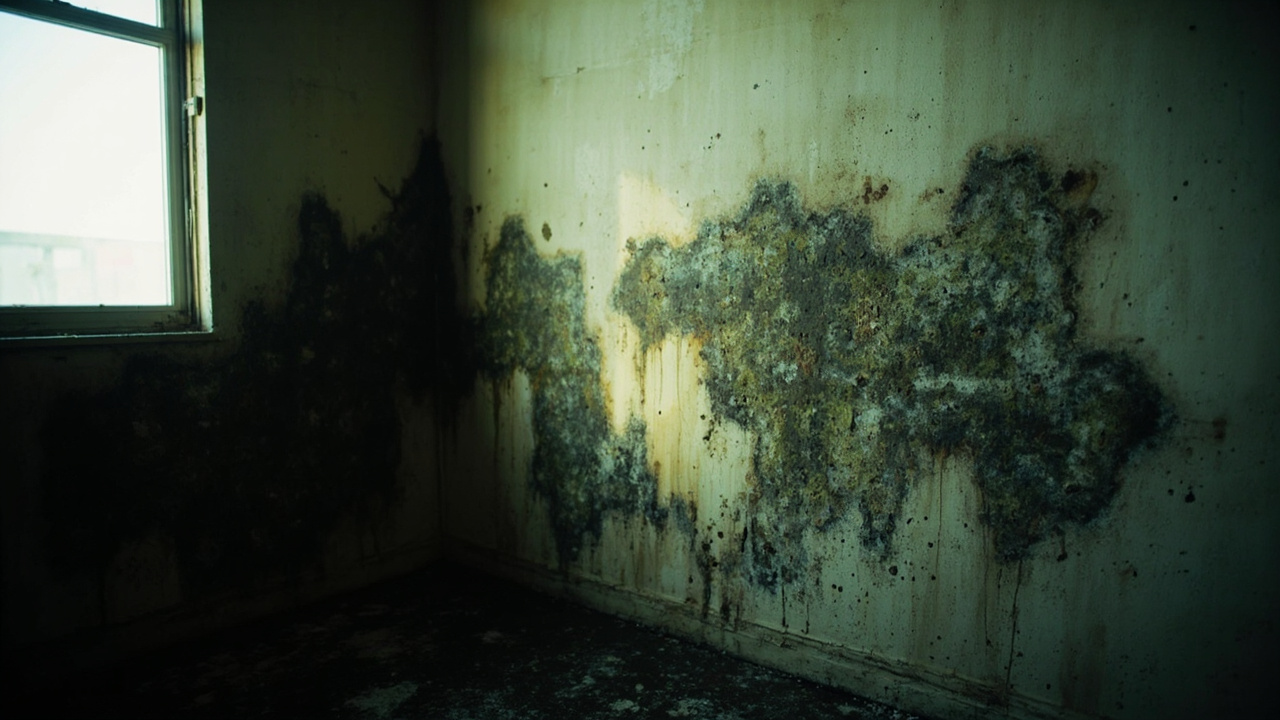
You walk into your bathroom or bedroom and see it. Dark patches spreading across the drywall. A fuzzy texture near the baseboard. The musty smell hits you before you even spot the growth.

Black mold spots on drywall are not normal, and they signal a bigger problem hiding behind the surface. Los Angeles homes face a unique challenge. The marine layer brings coastal moisture inland, particularly in neighborhoods like Santa Monica, Venice, and Playa Vista. When that humidity combines with poor ventilation or hidden leaks, you get the perfect environment for fungal growth on wall surfaces.

The issue gets worse in older Los Angeles properties. Many homes built before the 1990s lack proper vapor barriers. Single-pane windows create condensation. Bathroom exhaust fans vent into attics instead of outside. Add in aging plumbing behind walls, and you have a recipe for visible mildew on painted walls that keeps coming back no matter how many times you bleach it.

Mold patches on sheetrock are not just ugly. They indicate active moisture intrusion. The spores you see are the reproductive structure of a larger colony growing inside your wall cavity. That colony feeds on cellulose in the drywall paper, wood framing, and insulation. Left unchecked, a wall mold infestation can compromise structural integrity and create respiratory health risks for anyone in the building.

You cannot paint over mold and call it fixed. You need to find the water source, remove contaminated materials, and dry the structure completely. That requires diagnostic tools and remediation protocols most homeowners do not have.

Why Mold Thrives on Los Angeles Walls
How We Stop Mold at the Source

How We Stop Mold at the Source

Surface cleaning does not kill mold. It removes what you can see and leaves the root system intact. We use containment barriers and negative air pressure to prevent cross-contamination during removal. HEPA filtration captures airborne spores so they do not spread to clean areas of your property.

Our process starts with moisture mapping. We use thermal imaging cameras and moisture meters to trace elevated humidity levels inside wall cavities. This tells us where water is coming from. A leaking supply line? Condensation from an HVAC duct? A roof leak traveling down a stud bay? We find it before we start tearing out drywall.

Once we locate the source, we document the extent of contamination. Mold grows in predictable patterns. If you see visible growth on the surface, there is usually two to three times that amount hidden behind the wallboard. We remove all affected materials, including drywall, insulation, and baseboards. We do not try to save moldy sheetrock. The paper facing is too porous.

After demolition, we treat the framing with antimicrobial solutions and run commercial dehumidifiers to bring moisture levels below 16 percent. Wood needs to dry completely before we rebuild. We verify dryness with pin-type moisture meters, not guesswork.

Reconstruction happens only after clearance testing confirms spore counts are back to normal levels. We replace insulation, hang new drywall, tape, texture, and prime with mold-resistant coatings. The finished wall looks identical to the original, but the structure behind it is dry and stable.

United Water Damage Restoration Los Angeles follows IICRC S520 mold remediation standards. That means documented procedures, proper PPE, and third-party verification when required by insurance or local health departments.

What Happens During Your Mold Remediation Service

Visible Mold Growth on Walls in Los Angeles – Expert Diagnosis and Permanent Mold Remediation
01

Moisture Detection and Containment

We arrive with thermal cameras and moisture meters to map the full extent of water intrusion. Containment barriers go up immediately to isolate the affected area. Negative air machines with HEPA filters prevent spores from spreading to other rooms. We identify the moisture source, whether it is plumbing, roofing, or condensation, before we remove any materials.
02

Contaminated Material Removal

We remove all drywall, insulation, and baseboards with active mold growth. Porous materials cannot be saved once colonized. We bag and seal debris to prevent spore release during disposal. Framing gets treated with antimicrobial agents, and we run dehumidifiers until moisture readings drop below 16 percent. This phase takes two to five days depending on drying conditions.
03

Reconstruction and Air Quality Verification

Once the structure is dry, we rebuild using mold-resistant drywall and primers. Clearance testing confirms spore counts are normal before we close walls. You get a final walkthrough showing moisture levels, replaced materials, and corrected ventilation or plumbing issues. The space is safe, dry, and ready to use without fear of regrowth.

Why Los Angeles Properties Need Local Mold Expertise

Mold remediation is not a DIY project. It is a controlled demolition and reconstruction process that requires knowledge of building science, microbiology, and California building codes. Los Angeles has specific challenges that out-of-town contractors miss.

First, the marine layer. Coastal neighborhoods experience elevated humidity from May through August. Morning fog deposits moisture on exterior walls. If your home lacks proper flashing or has single-pane windows, that moisture condenses inside. We see this constantly in Santa Monica, Culver City, and El Segundo. You need remediation protocols designed for high-humidity environments, not generic checklists.

Second, stucco homes. Los Angeles has thousands of stucco-clad properties with no drainage plane behind the exterior finish. Water gets trapped between the stucco and the sheathing. It wicks into wall cavities and creates hidden mold growth you will not see until it has spread across entire rooms. We know how to trace moisture paths through stucco assemblies and correct the flashing details that caused the problem.

Third, Title 24 compliance. California energy codes require specific ventilation rates and vapor barrier installations. If we are rebuilding your wall, we make sure it meets current code. That protects your property value and prevents future moisture problems.

United Water Damage Restoration Los Angeles works with local insurance adjusters who understand California mold claims. We provide detailed documentation, moisture maps, and photo evidence that speed up approvals. You do not have to fight your carrier alone.

We also know which local labs provide reliable spore count analysis. Not all mold testing is equal. Chain-of-custody protocols matter. We use certified industrial hygienists when third-party verification is required for commercial properties or tenant disputes.

You need a remediation partner who understands Los Angeles construction methods, climate patterns, and regulatory requirements. We have been solving mold problems in this city for years, and we know what works.

What to Expect During Your Mold Remediation Project

Response Time and Scheduling

We respond to mold inquiries within two hours. Initial assessments happen the same day or next morning depending on when you call. Once we locate the moisture source and document contamination, we start containment and demolition within 24 to 48 hours. Mold spreads fast when moisture is present. Waiting a week for a contractor to show up allows the problem to double in size. We prioritize urgent cases, especially when respiratory symptoms or structural damage are involved. You get a clear timeline before work starts.

The Inspection and Scope Process

Our technicians arrive with thermal cameras, moisture meters, and borescopes to inspect wall cavities without unnecessary demolition. We map moisture levels, photograph visible growth, and measure humidity in affected rooms. You receive a written scope detailing what needs removal, estimated drying time, and reconstruction requirements. If insurance is involved, we coordinate directly with your adjuster and provide documentation they need for claims. The inspection takes 60 to 90 minutes. You will know exactly what the project entails before we start work.

The Quality of the Finished Work

Mold remediation is not just about killing spores. It is about restoring your property to a safe, dry condition that prevents regrowth. We rebuild walls using mold-resistant drywall and primers. Texture matching ensures repairs blend seamlessly with existing surfaces. All framing is verified dry before we close walls. You get a moisture report showing final readings below acceptable thresholds. The finished wall looks original, but the structure behind it is engineered to resist future moisture problems. No shortcuts, no cosmetic coverups.

Post-Remediation Support and Prevention

Mold comes back if the moisture source is not fixed. We identify and correct the underlying issue, whether it is a plumbing leak, ventilation problem, or exterior water intrusion. You receive a written summary of repairs and recommendations to prevent future growth. If you need periodic moisture checks or air quality testing, we provide follow-up services. Our goal is not just to remove mold but to give you confidence the problem will not return. You can call us anytime with questions about humidity control or maintenance.

Frequently Asked Questions

You Have Questions,
We Have Answers

What to do if I see mold on my wall? +

Stop touching it. Mold releases spores when disturbed, which can spread contamination. Identify the moisture source first. Check for leaks, condensation, or plumbing issues behind the wall. In Los Angeles, older homes with outdated plumbing or poor ventilation are common culprits. Do not paint over mold or try DIY bleach treatments on drywall. These methods fail. If the affected area exceeds 10 square feet, contact a certified mold remediation specialist. They will contain the area, remove contaminated materials, and treat surfaces with antimicrobial solutions. Address the moisture problem immediately to prevent regrowth.

Can mold make a baby cough? +

Yes. Mold spores trigger respiratory irritation in infants. Babies breathe faster than adults, inhaling more spores per pound of body weight. Symptoms include persistent coughing, wheezing, nasal congestion, and throat irritation. Black mold produces mycotoxins that worsen these effects. In Los Angeles, humidity from coastal air and poor ventilation in older bungalows create ideal mold conditions. If your baby develops a chronic cough without other illness signs, inspect your home for visible mold or musty odors. Remove the child from the affected area immediately. Schedule professional mold testing and remediation. Do not wait for symptoms to worsen.

Can mold cause twitching? +

Mold exposure can cause neurological symptoms, including muscle twitching. Mycotoxins from black mold species like Stachybotrys affect the nervous system. Symptoms include tremors, muscle spasms, difficulty concentrating, and headaches. However, twitching has many causes. Do not self-diagnose. If you experience unexplained twitching and find mold in your Los Angeles home, see a doctor first. Get tested for mycotoxin exposure. Then address the mold problem. Professional remediation removes the source. Eliminating exposure is critical for recovery. Neurological symptoms may persist even after mold removal, requiring medical treatment and time.

Does black mold affect pregnancy? +

Yes. Black mold poses serious risks during pregnancy. Mycotoxins can cause respiratory distress, chronic fatigue, and immune system suppression. Pregnant women are more vulnerable to infections due to hormonal changes. Exposure increases risks of pregnancy complications, including preterm labor and low birth weight. In Los Angeles, many pre-1980s homes have hidden mold behind walls or under flooring. If you are pregnant and discover mold, leave the area immediately. Do not attempt cleanup yourself. Hire certified professionals who use containment barriers and HEPA filtration. Prioritize your health and your baby's development. Address moisture issues to prevent recurrence.

How Los Angeles Coastal Humidity Drives Year-Round Mold Growth on Interior Walls

Los Angeles sits between the Pacific Ocean and inland valleys, creating a microclimate where morning fog and afternoon heat cycles drive condensation inside homes. Neighborhoods west of the 405 freeway experience elevated humidity from May through August when the marine layer lingers until midday. That moisture condenses on cool interior surfaces like exterior walls and single-pane windows. Black mold spots on drywall appear first in bathrooms and bedrooms with poor air circulation. Properties built before 1990 lack the vapor barriers and ventilation systems required by current Title 24 energy codes, making them particularly vulnerable to fungal growth on wall surfaces.

Los Angeles building inspectors expect mold remediation to follow IICRC S520 standards and California Health and Safety Code Section 26100 guidelines for residential properties. Contractors who skip containment protocols or fail to address moisture sources create liability for property owners. United Water Damage Restoration Los Angeles maintains relationships with local industrial hygienists who provide clearance testing when required for insurance claims or tenant disputes. We understand Los Angeles construction methods, from post-war bungalows to modern condos, and we know how water moves through different wall assemblies. Choosing a local remediation company means working with technicians who understand your building and your climate.
Water Damage Restoration Services in The Los Angeles Area

United Water Damage Restoration Los Angeles is proud to service the entire Los Angeles area and surrounding communities. View our central location on the map to see our strategic positioning, which enables us to provide our guaranteed rapid response times across the region. If you need immediate assistance, please do not drive to our office; instead, call our 24/7 emergency hotline, and our fully-equipped team will be dispatched directly to your property without delay.

Address:
United Water Damage Restoration Los Angeles, 5800 S Eastern Ave, Los Angeles, CA, 90040

Additional Services We Offer

Our news updates

Latest Articles & News from The Blogs

What to Do When Your Wilmington Water Heater Floods Your Laundry Room A leaking water heater can release 40 to…

What to Do When Your Wilmington Water Heater Floods Your Laundry Room

What to Do When Your Wilmington Water Heater Floods Your Laundry Room A leaking water heater can release 40 to…

Getting Your West Hills Home Ready for the Los Angeles Rainy Season

Getting Your West Hills Home Ready for the Los Angeles Rainy Season The Santa Susana Mountains loom over West Hills…

Common Plumbing Problems in Miracle Mile Older Condo Buildings

Common Plumbing Problems in Miracle Mile Older Condo Buildings Miracle Mile’s charming historic condo buildings come with unique plumbing challenges…

Contact Us

Mold does not stop growing on its own. Call United Water Damage Restoration Los Angeles at (209) 255-2558 for same-day inspection and containment. We locate the moisture source, remove contaminated materials, and rebuild your walls the right way.