




menu

Allergic Reactions in Home in Los Angeles – Expert Diagnosis and Complete Moisture Elimination to Stop Symptoms at the Source

United Water Damage Restoration Los Angeles identifies hidden water damage and mold growth causing your allergic reactions in home, then eliminates moisture sources and contamination to restore healthy indoor air quality permanently.

Slider Image 1
Slider Image 2
Slider Image 3
Slider Image 4
Slider Image 5
Slider Image 7
Slider Image 8
Slider Image 9
Slider Image 10
Slider Image 11

Why Los Angeles Homes Trigger Year-Round Allergy Symptoms

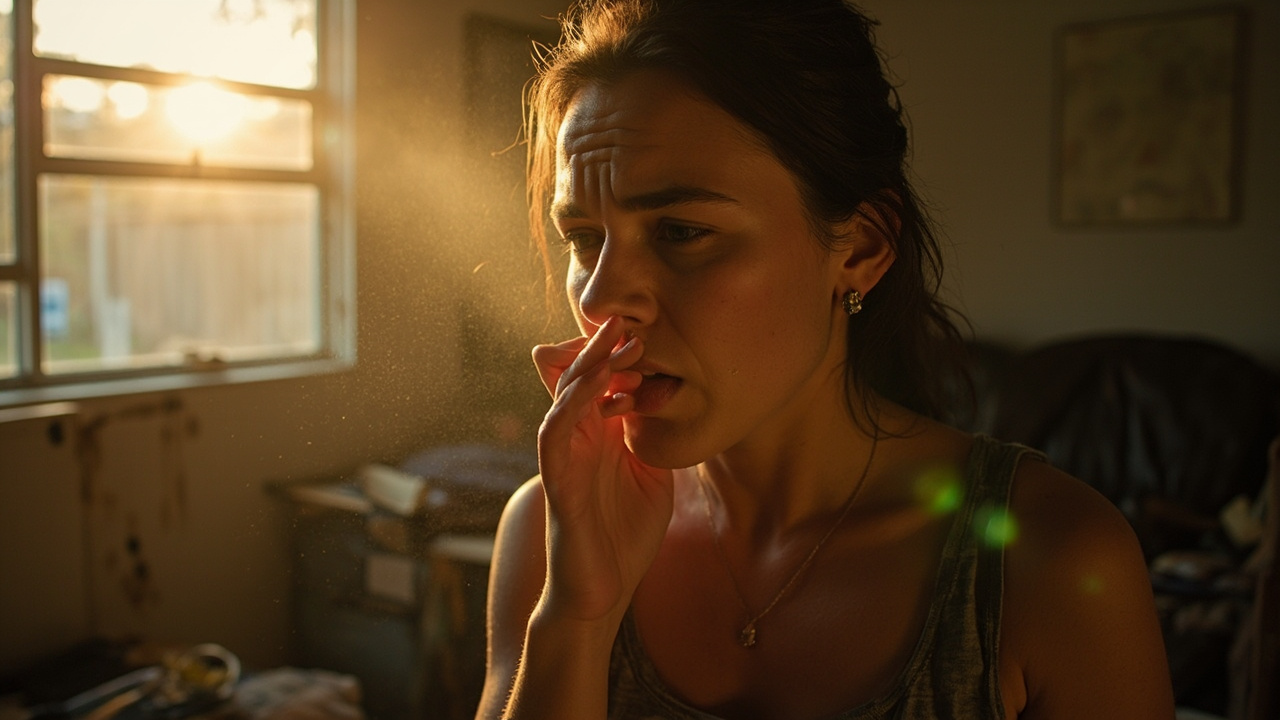
You wake up congested. Your eyes itch. Your throat feels raw. You assume it's seasonal allergies, but the symptoms never stop. Los Angeles's mild, humid coastal climate creates perfect conditions for household mold allergies that persist year-round, especially in neighborhoods near the Pacific or in older homes with poor ventilation.

When moisture infiltrates wall cavities, crawl spaces, or attics, mold colonies establish quickly. You see water damage allergy triggers every day without recognizing them. That musty smell in your bathroom? Mold spores. The discoloration behind your refrigerator? Active growth. The persistent cough your child developed? Indoor mold symptoms from hidden contamination.

Los Angeles homes face unique challenges. Many properties were built before modern moisture barriers became standard. Mediterranean-style stucco homes trap moisture between exterior and interior walls. Aging plumbing in Mid-City and Echo Park properties leaks slowly behind drywall for months before visible damage appears. HVAC systems in poorly ventilated homes recirculate mold spores throughout your living space.

Mildew allergic reactions intensify when relative humidity exceeds 60 percent, common in coastal areas from Venice to Santa Monica. Your body reacts to mycotoxins released by mold colonies. Sneezing, wheezing, skin rashes, and chronic fatigue result from continuous exposure. Children and elderly residents face higher risks.

The problem is not just visible mold on tile grout. The real threat hides in places you cannot inspect without proper equipment. Subfloor moisture from foundation cracks, roof leaks dripping into insulation, condensation inside wall cavities. These hidden moisture sources fuel mold exposure symptoms that medication cannot fix.

You need a moisture elimination specialist who understands how Los Angeles buildings trap water and where contamination develops.

Why Los Angeles Homes Trigger Year-Round Allergy Symptoms
How We Eliminate Moisture and Mold at the Source

How We Eliminate Moisture and Mold at the Source

We do not mask symptoms. We eliminate the moisture conditions that allow mold to exist. Our technicians use thermal imaging cameras to detect temperature differentials indicating hidden water intrusion. Moisture meters measure exact saturation levels in building materials. Hygrometers assess ambient humidity that contributes to mold growth.

We identify every moisture source. Leaking supply lines, failed wax rings under toilets, condensation from poorly insulated HVAC ducts, capillary action pulling groundwater through concrete slabs. Each source requires a specific remedy. We document findings with detailed moisture mapping that shows exactly where contamination exists and why.

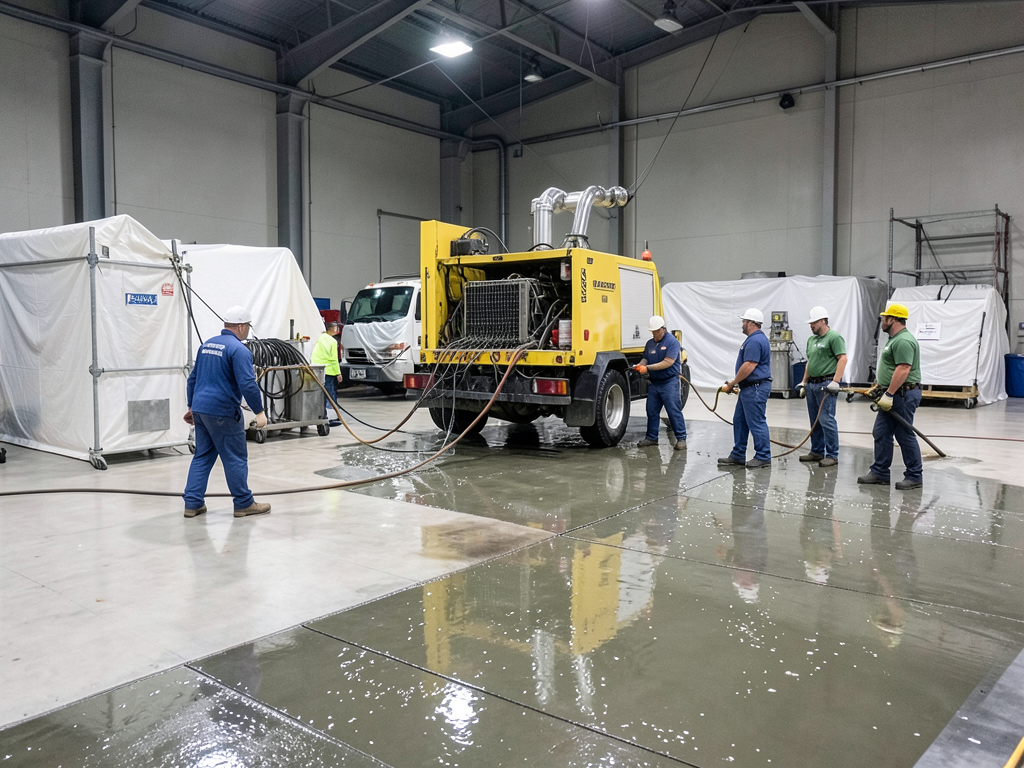
Mold remediation follows IICRC S520 standards. We establish containment barriers with negative air pressure to prevent cross-contamination during removal. HEPA filtration captures airborne spores. We remove porous materials that cannot be adequately cleaned, like drywall and insulation saturated with mold growth. Non-porous surfaces receive antimicrobial treatment after physical removal.

The critical step most companies miss is moisture correction. Removing visible mold without fixing the underlying water problem guarantees recurrence. We repair plumbing failures, improve ventilation, install vapor barriers, redirect drainage away from foundations, and seal penetrations where exterior moisture enters.

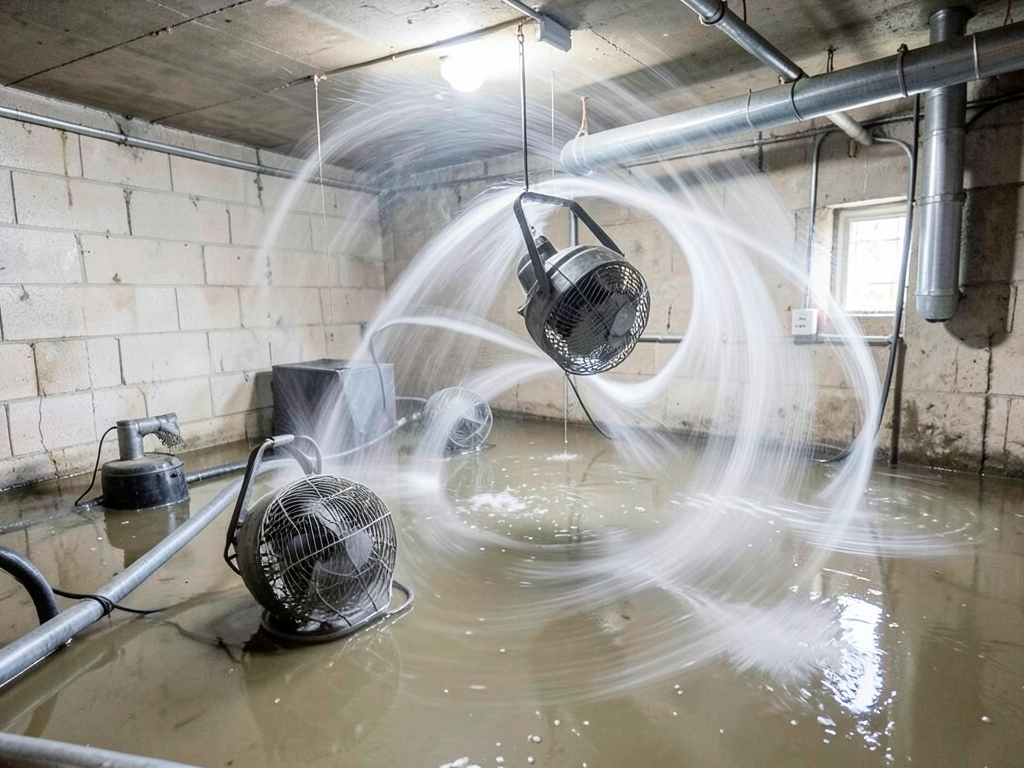
We use commercial dehumidifiers and air movers to dry structural cavities completely. Wood framing must reach below 16 percent moisture content before reconstruction begins. We verify dryness with multiple readings over several days. Rushing this process leaves residual moisture that reactivates mold growth within weeks.

Post-remediation verification includes air quality testing. We compare spore counts inside your home against outdoor baseline samples. You receive lab results confirming your indoor environment is safe before we close walls and restore finishes. This is not guesswork. This is measurable, verifiable contamination elimination.

What Happens During Your Home Allergy Investigation

Allergic Reactions in Home in Los Angeles – Expert Diagnosis and Complete Moisture Elimination to Stop Symptoms at the Source
01

Comprehensive Moisture Assessment

Our technician arrives with diagnostic equipment to locate every moisture source and mold colony in your home. Thermal imaging reveals temperature patterns indicating water intrusion. Moisture meters quantify saturation levels in walls, floors, and ceilings. We inspect HVAC systems, plumbing fixtures, roof penetrations, and crawl spaces. You receive a detailed moisture map showing contamination locations and severity levels within the first visit.
02

Containment and Safe Removal

We isolate contaminated areas with polyethylene barriers and negative air machines to prevent spore migration. HEPA-filtered air scrubbers run continuously during removal. Technicians wearing respiratory protection remove affected materials and apply antimicrobial treatments to remaining surfaces. We bag and dispose of contaminated materials following environmental protocols. Your family stays safe in unaffected areas during this process, or we coordinate temporary relocation if contamination is extensive.
03

Structural Drying and Verification

Industrial dehumidifiers and air movers run for several days to eliminate all residual moisture from structural cavities. We monitor drying progress with daily moisture readings until all materials reach acceptable levels. Post-remediation air sampling confirms spore counts return to normal ranges. You receive lab-certified clearance results before reconstruction begins. We document the entire process with photos and detailed reports for your records and insurance claims if needed.

Why Los Angeles Residents Choose United Water Damage Restoration

Los Angeles homes present specific challenges that generic mold removal companies miss. We understand how stucco moisture barriers fail in older Hollywood Hills properties. We know that homes in Mar Vista and Palms with raised foundations often have inadequate crawl space ventilation. We recognize that apartment buildings in Koreatown and Westlake with centralized HVAC systems spread contamination between units if not properly addressed.

We have seen how improperly installed bathroom exhaust fans in countless Los Angeles homes vent moist air directly into attic spaces instead of outside. We understand that homes near the coast in Manhattan Beach and Hermosa Beach face higher ambient humidity that accelerates mold growth when interior moisture control fails. We know which Los Angeles neighborhoods have aging cast iron plumbing that leaks inside walls without visible symptoms for years.

This specific knowledge matters when diagnosing why your allergic reactions persist. A technician unfamiliar with Los Angeles construction methods might miss critical moisture pathways or misidentify contamination sources. We have worked in thousands of Los Angeles homes across every neighborhood and architectural style. We know what to look for and where problems typically develop.

We maintain relationships with local contractors who understand Los Angeles building codes and permit requirements for restoration work. When structural repairs extend beyond moisture remediation, we coordinate with qualified professionals to ensure work meets current standards. You do not manage multiple vendors. We handle coordination while you focus on your family's health.

Our equipment stays in Los Angeles, not in a regional warehouse hours away. When we commit to a start date, our teams and gear arrive on schedule. We do not juggle projects across multiple cities, leaving your job delayed while we respond to emergencies elsewhere.

We provide transparent documentation throughout the process. You see moisture readings, contamination photos, and remediation progress in real time. You understand exactly what we find and why specific repairs are necessary. No surprises, no upselling services you do not need.

What to Expect When You Call United Water Damage Restoration

Rapid Response and Scheduling

We answer your call directly, not through a national call center that routes inquiries to subcontractors. Our team schedules assessments within 24 to 48 hours for non-emergency situations. If you have active water intrusion or severe symptoms requiring urgent attention, we prioritize same-day or next-day response. Assessment appointments typically last 60 to 90 minutes depending on home size and complexity. We work around your schedule, including evenings and weekends, because we understand allergic reactions do not wait for business hours. You receive a detailed written estimate within 24 hours of assessment completion.

Thorough Diagnostic Process

Our initial assessment goes beyond visual inspection. We use thermal imaging to scan walls, ceilings, and floors for temperature anomalies indicating hidden moisture. Moisture meters provide exact saturation readings in building materials. We inspect attics, crawl spaces, mechanical rooms, and other areas homeowners rarely access. We test HVAC systems for condensation issues and airflow problems. We identify plumbing vulnerabilities based on fixture age and installation quality. You receive a comprehensive report explaining every moisture source we find, why it developed, and how it contributes to your symptoms. We take photos documenting conditions before work begins. This diagnostic thoroughness ensures we address root causes, not just visible symptoms.

Certified Results You Can Trust

We deliver measurable proof that contamination is eliminated. Post-remediation air samples go to independent laboratories for analysis. You receive detailed lab reports comparing spore counts in your home against outdoor baseline levels. We document moisture levels in all building materials, confirming complete dryness before reconstruction. Photos show areas before contamination removal, during treatment, and after clearance. This documentation satisfies insurance requirements if you file a claim. More importantly, you have objective verification that your home is safe for your family. We do not declare a job complete based on appearance. We prove it with data you can review and understand.

Ongoing Prevention Guidance

After remediation completes, we provide specific recommendations to prevent recurrence. You learn which areas of your home need monitoring, what humidity levels to maintain, and how to recognize early warning signs of moisture problems. We explain proper ventilation practices for bathrooms and kitchens. We identify maintenance tasks like cleaning gutters, inspecting plumbing fixtures, and servicing HVAC systems that reduce moisture risk. Some situations benefit from ongoing humidity monitoring or periodic air quality testing. We offer these services but never pressure you into maintenance contracts. Our goal is empowering you with knowledge to protect your investment and your health long after we complete restoration work.

Frequently Asked Questions

You Have Questions,
We Have Answers

What could be causing allergies in my house? +

Common allergens in Los Angeles homes include dust mites, mold spores, pet dander, pollen tracked indoors, and cockroach droppings. Hidden water damage behind walls or under flooring creates mold growth you cannot see. Poor ventilation traps allergens inside, while older homes may harbor years of accumulated dust in HVAC ducts. Los Angeles humidity fluctuations cause condensation problems, promoting mildew in bathrooms and kitchens. Carpets and upholstered furniture trap allergens. If you recently experienced water intrusion from leaks or flooding, mold colonies can develop within 24 to 48 hours, triggering respiratory symptoms.

How do I figure out what I am allergic to in my house? +

Start by tracking when symptoms worsen. If you sneeze more in bedrooms, dust mites may be the culprit. Symptoms in basements or bathrooms suggest mold. An allergist can perform skin prick tests or blood tests to identify specific triggers. Inspect your home for visible mold, water stains, or musty odors. Check HVAC filters for dust buildup. Remove potential allergens one by one. For example, wash bedding in hot water weekly or remove carpeting. If symptoms persist despite cleaning, hire a professional to test for hidden mold or conduct air quality sampling to pinpoint contaminants.

How to manage an allergic reaction at home? +

For mild reactions like sneezing or itchy eyes, remove yourself from the trigger immediately. Open windows to ventilate the space if outdoor air quality permits. Over-the-counter antihistamines reduce symptoms quickly. Rinse nasal passages with saline solution to flush allergens. Change clothes and shower to remove allergens from skin and hair. For severe reactions like difficulty breathing, swelling, or hives, use an epinephrine auto-injector if prescribed and call 911. If water damage or mold triggered symptoms, address the moisture source immediately to prevent worsening exposure. Document symptoms for your doctor.

How do you treat an allergy cough? +

Allergy coughs result from postnasal drip or airway irritation. Drink plenty of water to thin mucus. Use a humidifier to soothe irritated airways, but keep humidity below 50 percent to prevent mold growth in Los Angeles homes. Over-the-counter antihistamines or decongestants reduce inflammation. Honey can coat the throat and suppress coughing. Avoid known triggers like dust or pet dander. If cough persists beyond two weeks, worsens at night, or produces discolored mucus, see a doctor. Mold exposure from water damage can cause persistent respiratory symptoms requiring professional remediation.

How to test your house for allergens? +

Purchase a home allergen test kit from pharmacies or online retailers. These kits collect dust samples you mail to a lab for analysis. Professional indoor air quality testing identifies mold spores, dust mites, and particulate matter. Inspect for visible mold in bathrooms, attics, and crawl spaces. Check for water stains on ceilings or walls indicating leaks. Examine HVAC ducts for dust accumulation. In Los Angeles, consider testing after heavy rains or plumbing failures. A moisture meter detects hidden dampness behind walls. For comprehensive assessment, hire certified professionals who use air sampling and surface testing.

What could I be allergic to in my own house? +

Dust mites thrive in bedding, carpets, and upholstered furniture. Pet dander clings to surfaces even after animals leave. Mold grows in damp areas like bathrooms, kitchens, and around window frames. Cockroach waste triggers asthma in urban Los Angeles homes. Pollen enters through open windows and on clothing. Cleaning products and air fresheners contain volatile organic compounds that irritate airways. Older homes may have fiberglass insulation particles circulating through HVAC systems. Water damage creates hidden mold colonies behind drywall. Even houseplants can harbor mold in soil. Identify your specific triggers through elimination or professional testing.

Do air purifiers help allergies? +

Yes, HEPA air purifiers remove airborne allergens like dust, pollen, pet dander, and mold spores. They capture particles as small as 0.3 microns. Place units in bedrooms and main living areas for best results. Change filters regularly per manufacturer instructions. Air purifiers work best when combined with source control, eliminating the allergen cause. In Los Angeles homes with water damage, purifiers reduce airborne mold spores but do not fix the moisture problem. You must remediate water intrusion and remove contaminated materials. Purifiers supplement cleaning but cannot replace proper ventilation and humidity control.

Can mold cause allergic reactions? +

Yes, mold triggers allergic reactions in sensitive individuals. Mold spores become airborne and irritate nasal passages, lungs, eyes, and skin. Symptoms include sneezing, runny nose, coughing, wheezing, and itchy eyes. In Los Angeles, water damage from roof leaks, pipe failures, or poor drainage creates ideal mold conditions. Black mold, Aspergillus, and Penicillium species commonly grow indoors. People with asthma experience severe reactions including breathing difficulty. Mold exposure requires professional remediation, not just surface cleaning. Address moisture sources immediately. Document water damage for insurance claims. Prolonged exposure worsens health effects and structural damage.

Why am I congested in my house but not outside? +

Indoor allergens like dust mites, mold, or pet dander cause congestion inside your home. Poor ventilation traps allergens and increases concentration. HVAC systems recirculate contaminated air if filters are dirty. Los Angeles outdoor air quality varies, but your home may harbor hidden mold from water damage or moisture problems. Temperature differences between indoor and outdoor environments trigger nasal congestion. Dry indoor air irritates nasal passages. Inspect for water stains, musty odors, or visible mold. Replace HVAC filters monthly. Clean bedding weekly in hot water. If symptoms persist, test indoor air quality professionally.

How do you know if you have dust mites? +

Dust mites are microscopic and invisible to the naked eye. Symptoms include sneezing, runny nose, itchy eyes, and nighttime coughing. Reactions worsen in bedrooms because mites thrive in mattresses, pillows, and bedding. You may notice symptoms improve when away from home. Skin rashes or eczema flare-ups indicate mite exposure. To confirm, purchase a dust mite test kit or schedule allergy testing. Reduce mites by washing bedding weekly in water hotter than 130 degrees Fahrenheit. Use allergen-proof mattress and pillow covers. Vacuum carpets with HEPA filters. Lower indoor humidity below 50 percent.

How Los Angeles's Coastal Climate and Aging Housing Stock Create Hidden Mold Risks

Los Angeles sits in a unique climate zone where coastal fog and morning marine layer create elevated humidity levels in western neighborhoods while inland areas experience temperature swings that produce condensation inside poorly insulated homes. Properties built before 1980 often lack adequate moisture barriers in exterior walls and crawl spaces. Stucco homes, common throughout Mid-City, Silver Lake, and Los Feliz, trap moisture between exterior cladding and interior drywall when drainage weeps clog or flashing deteriorates. Homes in Culver City, Mar Vista, and Venice with raised foundations frequently have damp crawl spaces from inadequate ventilation and groundwater intrusion. These conditions create perfect environments for mold colonization that triggers chronic allergic reactions. Without addressing the underlying moisture dynamics specific to Los Angeles construction and climate, removing visible mold provides only temporary relief.

United Water Damage Restoration Los Angeles understands these local factors because we work exclusively in Los Angeles County. We know which neighborhoods have aging plumbing infrastructure, which architectural styles present specific moisture vulnerabilities, and how local microclimates affect indoor humidity. We follow California Title 24 requirements for ventilation and moisture control during reconstruction. We understand Los Angeles Department of Building and Safety permit requirements when structural repairs extend beyond cosmetic restoration. This local expertise ensures we identify moisture sources that out-of-area contractors miss and complete repairs that comply with current building standards. When your family's health depends on eliminating hidden contamination, choosing a water damage restoration company with deep Los Angeles experience makes the difference between temporary fixes and permanent solutions.
Water Damage Restoration Services in The Los Angeles Area

United Water Damage Restoration Los Angeles is proud to service the entire Los Angeles area and surrounding communities. View our central location on the map to see our strategic positioning, which enables us to provide our guaranteed rapid response times across the region. If you need immediate assistance, please do not drive to our office; instead, call our 24/7 emergency hotline, and our fully-equipped team will be dispatched directly to your property without delay.

Address:
United Water Damage Restoration Los Angeles, 5800 S Eastern Ave, Los Angeles, CA, 90040

Additional Services We Offer

Our news updates

Latest Articles & News from The Blogs

What to Do When Your Wilmington Water Heater Floods Your Laundry Room A leaking water heater can release 40 to…

What to Do When Your Wilmington Water Heater Floods Your Laundry Room

What to Do When Your Wilmington Water Heater Floods Your Laundry Room A leaking water heater can release 40 to…

Getting Your West Hills Home Ready for the Los Angeles Rainy Season

Getting Your West Hills Home Ready for the Los Angeles Rainy Season The Santa Susana Mountains loom over West Hills…

Common Plumbing Problems in Miracle Mile Older Condo Buildings

Common Plumbing Problems in Miracle Mile Older Condo Buildings Miracle Mile’s charming historic condo buildings come with unique plumbing challenges…

Contact Us

Call United Water Damage Restoration Los Angeles at (209) 255-2558 for a comprehensive moisture and mold assessment. We identify hidden contamination sources, eliminate moisture problems permanently, and verify complete remediation with laboratory testing. Your family deserves healthy indoor air.