




menu

Efflorescence on Concrete in Los Angeles – Expert Diagnosis and Permanent Moisture Remediation

United Water Damage Restoration Los Angeles identifies the moisture source behind white powder on concrete and stops crystalline deposits before they signal deeper water intrusion in your foundation or slab.

Slider Image 1
Slider Image 2
Slider Image 3
Slider Image 4
Slider Image 5
Slider Image 7
Slider Image 8
Slider Image 9
Slider Image 10
Slider Image 11

Why White Residue on Concrete Signals a Hidden Moisture Problem in Los Angeles

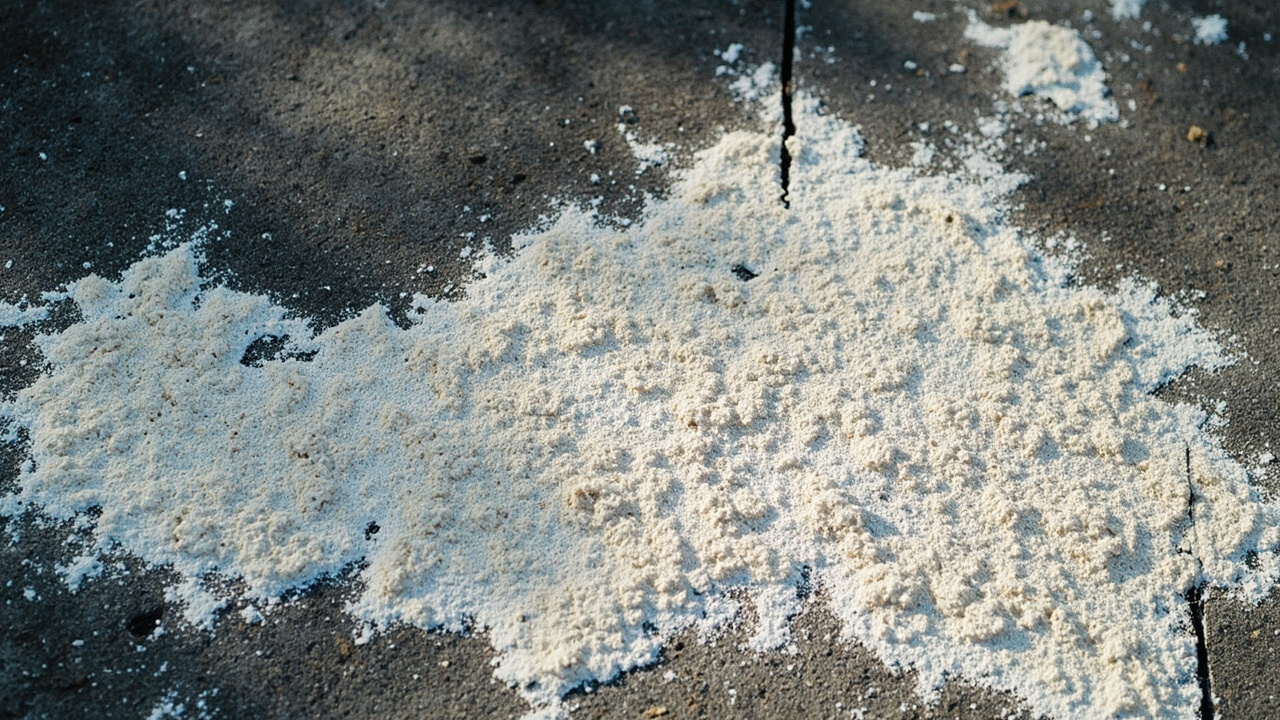
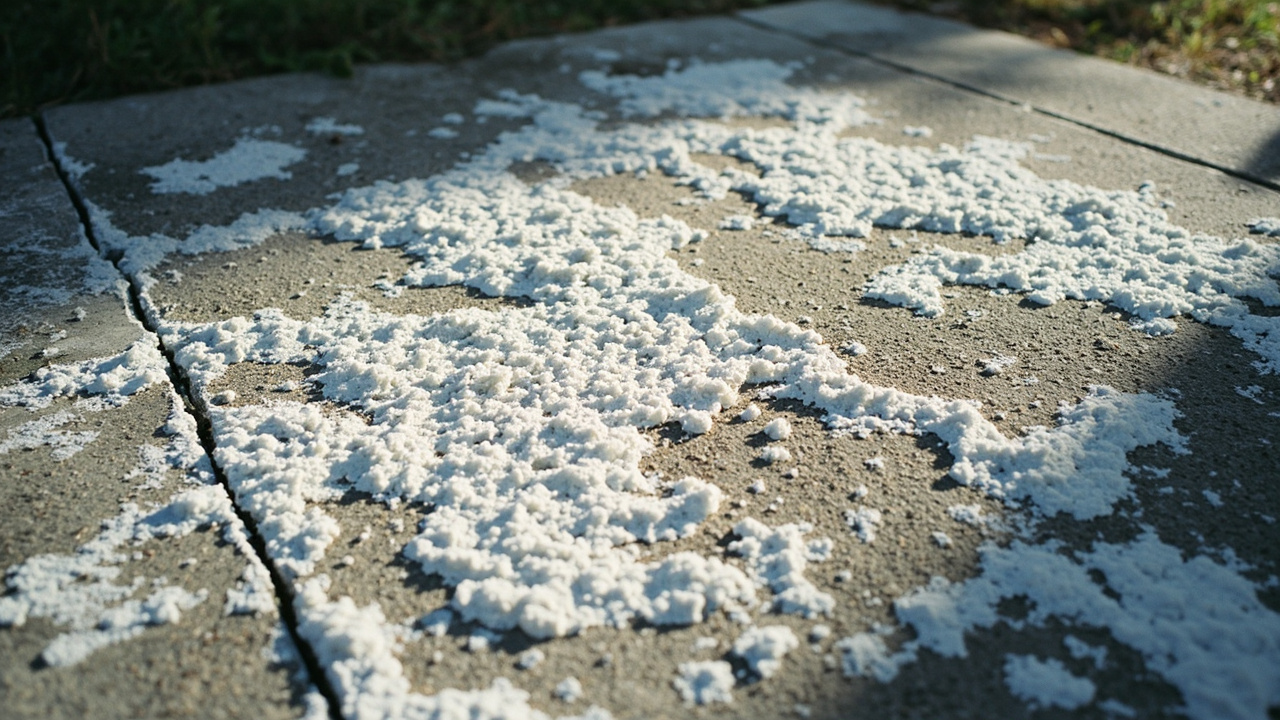
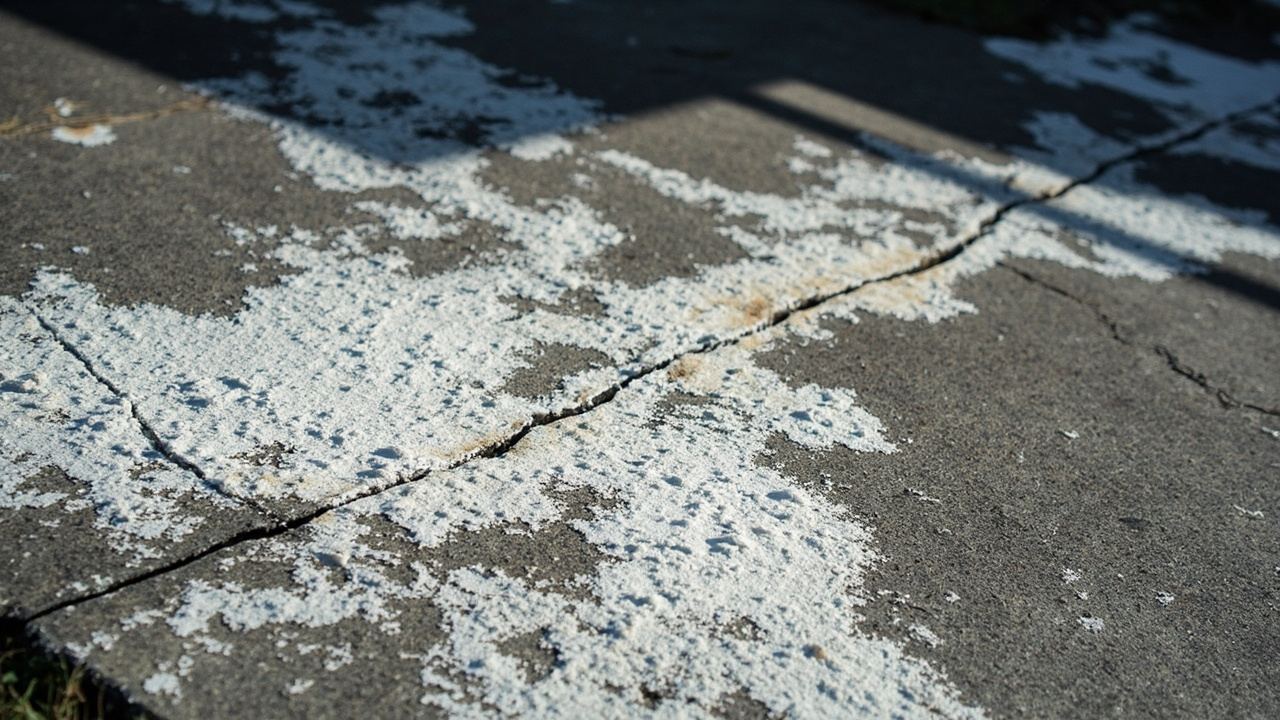
You notice white powder on concrete in your garage, basement, or patio. It looks like frost or spilled powder. You sweep it away. Days later, it returns. This is efflorescence, and it tells you water is moving through your concrete.

Efflorescence happens when water dissolves mineral salts inside concrete, then evaporates at the surface. The water leaves, but the salts stay behind as white residue on concrete. You see the crystals. What you do not see is the moisture source driving the process.

Los Angeles sits on varied soil types, from clayey deposits in the basin to sandy alluvium near the coast. When irrigation overwatering, broken sewer laterals, or seasonal rains saturate the ground, hydrostatic pressure forces water through concrete slabs and foundation walls. The city's Mediterranean climate means dry summers and wet winters. This wet-dry cycle accelerates salt migration.

Concrete salt deposits are not just cosmetic. They indicate active water intrusion. Over time, the same moisture that creates crystalline deposits on concrete also degrades rebar, expands cracks, and promotes mold growth in adjacent framing. If you see efflorescence, you have a moisture problem. The question is where the water is coming from and how much damage is already occurring below the surface.

You cannot fix efflorescence by cleaning the concrete. You must stop the water. That requires understanding building hydrology, not just surface chemistry. This is where most property owners and general contractors miss the mark. They treat the symptom and ignore the cause.

Why White Residue on Concrete Signals a Hidden Moisture Problem in Los Angeles
How United Water Damage Restoration Los Angeles Traces and Stops the Moisture Intrusion

How United Water Damage Restoration Los Angeles Traces and Stops the Moisture Intrusion

We do not treat efflorescence like a stain. We treat it like evidence. Our technicians use moisture meters, infrared thermal imaging, and visual inspection to map where water is entering your concrete. We check for condensation on cold pipes, capillary rise from groundwater, lateral seepage through foundation walls, and plumbing leaks beneath slabs.

Once we identify the source, we address it at the root. If the problem is exterior drainage, we recommend grading corrections or French drains to redirect surface water away from the foundation. If the issue is rising groundwater, we evaluate sump pump installations or subsurface drainage systems. If a broken water line or sewer lateral is saturating the soil, we coordinate with plumbers to repair the leak before addressing the concrete.

After stopping the moisture, we treat the concrete surface. We apply a neutral pH cleaner to dissolve mineral salts on concrete without damaging the surface. Then we seal the concrete with a penetrating silicate sealer that reacts chemically with the calcium in the concrete to form a crystalline barrier. This barrier blocks future water migration while allowing vapor transmission, so you do not trap moisture inside the slab.

For severe cases where efflorescence has caused spalling or surface erosion, we remove compromised concrete and apply repair mortar that matches the original mix. If mold or microbial growth has developed in adjacent framing, we remediate using HEPA filtration and antimicrobial treatments.

We document everything with photos and moisture readings. You get a report that shows the moisture source, the repair scope, and the final verification that the concrete is dry and stable.

What Happens When You Call Us for Efflorescence Remediation

Efflorescence on Concrete in Los Angeles – Expert Diagnosis and Permanent Moisture Remediation
01

Moisture Source Investigation

We arrive within 24 hours and use thermal imaging cameras and pin-type moisture meters to measure water content in your concrete and surrounding materials. We check for plumbing leaks, exterior drainage issues, and groundwater intrusion. This inspection takes 45 to 90 minutes depending on the size of the affected area. You receive a verbal summary on-site and a written diagnostic report within 24 hours that identifies the moisture source and outlines the correction strategy.
02

Water Intrusion Correction

We stop the water at the source. This may involve regrading soil away from the foundation, installing a perimeter drain, repairing a slab leak, or sealing foundation cracks with polyurethane or epoxy injection. For hydrostatic pressure issues, we install weep systems or coordinate with foundation specialists. We do not move forward with surface treatment until moisture readings confirm the slab is drying. This phase varies in duration based on the complexity of the moisture source.
03

Surface Treatment and Sealing

Once the concrete is dry, we clean the efflorescence using a pH-neutral solution that dissolves salts without etching the surface. We rinse thoroughly and allow the concrete to dry completely. Then we apply a penetrating silicate sealer that chemically bonds with the concrete and blocks future water migration. The sealer cures in 24 to 48 hours. We take final moisture readings and photograph the treated area. You receive a post-remediation report that confirms the concrete is stable and protected.

Why Los Angeles Property Owners Choose United Water Damage Restoration for Efflorescence Issues

Los Angeles properties range from pre-1950s bungalows with raised wood foundations to mid-century slab-on-grade homes to modern concrete tilt-ups in commercial districts. Each construction type reacts differently to moisture. We understand these variables because we work in them every day.

We know that older homes in neighborhoods like Silver Lake and Echo Park often have stone or brick foundations with minimal waterproofing. We know that post-tensioned slabs in West LA condos require careful crack injection to avoid damaging cables. We know that the City of Los Angeles requires permits for most foundation drainage work, and we coordinate those submissions.

When you call a general handyman or a concrete cleaner, they treat efflorescence like a cosmetic issue. They pressure wash the surface or apply a topical coating. The white powder returns in weeks because the moisture source was never addressed. You pay twice.

United Water Damage Restoration Los Angeles is a water intrusion specialist. We hold certifications in water damage restoration and mold remediation. We use calibrated equipment, not guesswork. We document moisture levels before and after treatment so you have proof the problem is resolved.

We also work directly with insurance adjusters when efflorescence is tied to a covered loss like a plumbing leak or sewer backup. We provide detailed estimates, moisture maps, and photos that meet carrier documentation standards. This speeds up claims and reduces your out-of-pocket expense.

You do not want a contractor who treats symptoms. You want a contractor who understands building science and knows how to trace water movement through concrete, soil, and framing. That is what we do.

What You Can Expect When Working with United Water Damage Restoration Los Angeles

Fast Response and Scheduling

We offer same-day inspections for efflorescence concerns in Los Angeles County. When you call, you speak with a technician who asks specific questions about the location, size, and age of the white powder buildup. We schedule an on-site visit within 24 hours. Our inspection takes 45 to 90 minutes. If the moisture source is obvious and urgent, like an active plumbing leak, we can begin mitigation immediately. For less urgent cases, we deliver a written diagnostic report and remediation proposal within 24 hours of the inspection. You decide when to proceed.

Comprehensive Moisture Assessment

Our inspection includes thermal imaging to detect temperature differentials that indicate moisture intrusion, pin-type and non-invasive moisture meters to measure water content in concrete and drywall, and visual inspection of plumbing fixtures, drainage systems, and foundation perimeter. We check for condensation, capillary rise, lateral seepage, and hydrostatic pressure. We document findings with photos and moisture maps. You receive a written report that explains the moisture source, the extent of the damage, and the recommended corrective action. No guessing. No upselling. Just data.

Verified Results and Documentation

After we complete the moisture correction and surface treatment, we re-measure moisture levels in the concrete and adjacent materials. We take post-remediation photos that show the cleaned surface and the absence of efflorescence. You receive a final report that includes before-and-after moisture readings, photos, and a summary of all work performed. This documentation is critical if you are filing an insurance claim or preparing for a property sale. We stand behind our work with clear, verifiable evidence that the problem is resolved, not just covered up.

Ongoing Monitoring Recommendations

After remediation, we provide specific monitoring guidance tailored to your property. If the efflorescence was caused by seasonal groundwater, we recommend checking the area after heavy rains. If the issue was a plumbing leak, we suggest periodic inspection of adjacent areas. We do not offer formal maintenance contracts, but we remain available for follow-up consultations or re-inspection if you notice new moisture signs. Our goal is to educate you so you can recognize early warning signs and act before small issues become major problems.

Frequently Asked Questions

You Have Questions,
We Have Answers

Is efflorescence on concrete a problem? +

Efflorescence itself is not structurally damaging, but it signals a problem. The white, powdery deposits mean water is moving through your concrete, carrying dissolved salts to the surface. In Los Angeles, where concrete foundations and driveways are common, this often indicates poor drainage, plumbing leaks, or moisture intrusion from irrigation systems. While the salt crystals are harmless, the underlying moisture issue can lead to cracks, spalling, and mold growth. If you see efflorescence on basement walls, garage floors, or exterior concrete, investigate the water source immediately to prevent costly damage.

How do you repair efflorescence in concrete? +

Repairing efflorescence starts with eliminating the moisture source. Patch any foundation cracks, fix leaky pipes, or improve grading around your Los Angeles property to redirect water away from concrete surfaces. Once dry, use a stiff brush or pressure washer to remove loose salt deposits. For stubborn stains, apply a diluted acidic cleaner designed for masonry. Rinse thoroughly. After cleaning, ensure the concrete stays dry for at least 48 hours before sealing. If efflorescence returns quickly, you have an active moisture problem that requires professional assessment and water damage mitigation.

Can you seal concrete over efflorescence? +

Never seal concrete over efflorescence. Sealing traps moisture and salts beneath the surface, causing the concrete to flake, spall, or delaminate. You must remove all visible efflorescence and dry the concrete completely before applying any sealer. In Los Angeles, where fluctuating temperatures and irrigation runoff are common, allow at least 72 hours of dry conditions after cleaning. Test for residual moisture using a plastic sheet taped to the surface overnight. If condensation appears underneath, the concrete is still too wet. Sealing prematurely will worsen the problem and void most product warranties.

Should efflorescence be removed? +

Yes, remove efflorescence promptly. While the salt deposits are cosmetic, they indicate active moisture movement through your concrete. Left untreated, the continuous wetting and drying cycles can weaken the concrete surface, creating pits and cracks. In Los Angeles neighborhoods with older homes, efflorescence on foundation walls often precedes more serious water damage issues like wood rot or termite infestation. Removing efflorescence also prepares the surface for proper sealing once you address the moisture source. Use a dry brush first, then clean with water or a masonry cleaner if needed.

Does efflorescence always mean a leak? +

Efflorescence does not always mean an active leak, but it proves water is present. In Los Angeles, common sources include sprinkler overspray, poor grading, condensation from HVAC systems, or seasonal groundwater fluctuations during winter rains. Sometimes the moisture originates from within the concrete itself during the curing process, especially in new construction. However, if efflorescence appears suddenly on previously dry concrete, investigate for plumbing leaks or foundation cracks immediately. The key is identifying whether the moisture is a one-time event or an ongoing problem requiring professional water damage restoration.

How do professionals remove efflorescence? +

Professionals remove efflorescence using a multi-step process. First, they dry brush loose deposits to avoid driving salts deeper into the concrete. Next, they apply a pH-neutral or mildly acidic cleaner formulated for masonry, allowing it to dissolve stubborn salts without damaging the concrete. Pressure washing follows, using controlled water pressure to flush away residue. For severe cases, technicians may use mechanical abrasion or specialized chemical treatments. Professionals also identify and document the moisture source, using thermal imaging or moisture meters to trace hidden leaks, a common necessity in Los Angeles properties with complex irrigation and plumbing systems.

How do I stop efflorescence from coming back? +

Stop efflorescence by controlling moisture. Fix the root cause first, whether it is a plumbing leak, poor drainage, or sprinkler overspray. In Los Angeles, redirect downspouts away from foundations, adjust irrigation timers to avoid overspray on concrete, and grade soil to slope away from structures. After drying the concrete completely, apply a penetrating silane or siloxane sealer to repel water while allowing vapor transmission. Avoid film-forming sealers that trap moisture. Inspect gutters and drainage systems annually, especially before Los Angeles winter rains, to prevent water accumulation around concrete surfaces.

Will Dawn and vinegar clean concrete? +

Dawn and vinegar can remove light efflorescence but are not ideal. The acetic acid in vinegar dissolves some salts, while Dawn helps lift dirt. However, this DIY method lacks the strength to tackle heavy deposits or prevent recurrence. For Los Angeles homeowners dealing with persistent efflorescence on driveways or patios, use a proper masonry cleaner with a controlled pH. Vinegar can also leave residues that attract dirt. If you try this method, scrub with a stiff brush, rinse thoroughly, and understand it addresses the symptom, not the underlying moisture problem causing the efflorescence.

What is the best efflorescence remover? +

The best efflorescence remover depends on severity. For light deposits, a pH-neutral masonry cleaner works well without damaging concrete. For heavy efflorescence, use a diluted muriatic acid solution, but exercise extreme caution and follow safety protocols. Many Los Angeles contractors prefer commercial products like PROSOCO Sure Klean or Sakrete Concrete Cleaner, which balance effectiveness with safety. Always test cleaners on a small, inconspicuous area first. Avoid harsh acids on decorative or colored concrete common in Los Angeles patios and driveways. After cleaning, rinse thoroughly and address the moisture source to prevent recurrence.

What does Coca-Cola do for concrete? +

Coca-Cola contains phosphoric acid, which can dissolve light efflorescence and rust stains on concrete. Pour it directly on the affected area, let it sit for 10 to 20 minutes, then scrub with a stiff brush and rinse. However, this method is weak compared to dedicated masonry cleaners and leaves sticky residues that attract dirt. For Los Angeles homeowners dealing with efflorescence on garage floors or driveways, Coke is a temporary fix at best. It does not address the moisture problem causing the deposits. Use proper cleaning products and fix the water source for lasting results.

How Los Angeles Soil Conditions and Seasonal Rains Accelerate Efflorescence on Concrete Slabs

Los Angeles sits on a mix of alluvial deposits, clayey soils, and fractured bedrock. The basin areas near downtown and Mid-City have expansive clay that swells when wet and shrinks when dry. This movement creates hydrostatic pressure against foundation walls and slabs, forcing groundwater through concrete pores. The city receives most of its rainfall between November and March, followed by eight months of near-zero precipitation. This wet-dry cycle accelerates mineral salt migration because water repeatedly penetrates the slab, dissolves salts, and evaporates at the surface. Coastal properties face additional challenges from marine aerosols that deposit chloride salts on exposed concrete. Inland areas like the San Fernando Valley experience temperature swings that drive condensation on cool concrete surfaces in summer. All of these factors make efflorescence a recurring problem if the underlying moisture source is not addressed.

United Water Damage Restoration Los Angeles has worked in every neighborhood from Venice to Pasadena. We understand how pre-1960 homes with shallow footings behave differently than modern post-tensioned slabs. We know that the City of Los Angeles Building Code requires specific drainage and waterproofing measures for new construction, but older properties were built before those standards existed. We also work with local structural engineers and geotechnical consultants when foundation movement or soil instability is contributing to moisture intrusion. This local expertise means we diagnose problems faster and recommend solutions that match your property type and budget. You get accurate information from technicians who know Los Angeles construction practices and environmental conditions.

Water Damage Restoration Services in The Los Angeles Area

United Water Damage Restoration Los Angeles is proud to service the entire Los Angeles area and surrounding communities. View our central location on the map to see our strategic positioning, which enables us to provide our guaranteed rapid response times across the region. If you need immediate assistance, please do not drive to our office; instead, call our 24/7 emergency hotline, and our fully-equipped team will be dispatched directly to your property without delay.

Address:
United Water Damage Restoration Los Angeles, 5800 S Eastern Ave, Los Angeles, CA, 90040

Additional Services We Offer

Our news updates

Latest Articles & News from The Blogs

What to Do When Your Wilmington Water Heater Floods Your Laundry Room A leaking water heater can release 40 to…

What to Do When Your Wilmington Water Heater Floods Your Laundry Room

What to Do When Your Wilmington Water Heater Floods Your Laundry Room A leaking water heater can release 40 to…

Getting Your West Hills Home Ready for the Los Angeles Rainy Season

Getting Your West Hills Home Ready for the Los Angeles Rainy Season The Santa Susana Mountains loom over West Hills…

Common Plumbing Problems in Miracle Mile Older Condo Buildings

Common Plumbing Problems in Miracle Mile Older Condo Buildings Miracle Mile’s charming historic condo buildings come with unique plumbing challenges…

Contact Us

White powder on concrete means water is moving through your slab. The longer you wait, the worse the damage becomes. Call (209) 255-2558 now for a same-day inspection. We identify the moisture source, stop the intrusion, and restore your concrete. Do not sweep the problem away. Fix it.