




menu

Preventative Waterproofing Tips in Los Angeles – Protect Your Property Before the Next Storm Hits

Expert preventative waterproofing tips tailored to Los Angeles's unique climate conditions, helping you avoid costly water damage before it starts through proven moisture control best practices and proactive water sealing methods.

Slider Image 1
Slider Image 2
Slider Image 3
Slider Image 4
Slider Image 5
Slider Image 7
Slider Image 8
Slider Image 9
Slider Image 10
Slider Image 11

Why Los Angeles Properties Need Year-Round Waterproofing Protection

Los Angeles may not see rain often, but when the winter storms arrive, they hit hard. The city's long dry seasons create unique challenges. Soil contracts during extended drought periods, then expands rapidly when saturated, creating foundation stress and potential water entry points. Homes in hillside communities like Silver Lake and Echo Park face additional runoff challenges during sudden downpours.

The region's aging housing stock adds another layer of vulnerability. Many properties in neighborhoods like Mid-City and Koreatown were built before modern building codes required proper moisture barriers. Original stucco exteriors develop hairline cracks over decades of exposure to temperature swings, creating invisible pathways for water intrusion.

Your property faces specific moisture control challenges year-round. Summer humidity from marine layer fog in areas near Santa Monica and Venice can promote mold growth in poorly ventilated crawl spaces. Winter atmospheric rivers dump inches of rain in hours, overwhelming inadequate drainage systems. Without a comprehensive home waterproofing maintenance guide specific to these conditions, you risk structural damage, mold contamination, and decreased property value.

The good news? Most water damage is preventable. DIY waterproofing techniques combined with professional assessments create a defense system against Los Angeles's unpredictable weather patterns. A water damage prevention checklist adapted to your property's age, location, and construction type can save thousands in emergency restoration costs.

Why Los Angeles Properties Need Year-Round Waterproofing Protection
Professional-Grade Waterproofing Strategies You Can Implement Today

Professional-Grade Waterproofing Strategies You Can Implement Today

Effective waterproofing requires understanding how water moves around and through your property. Start with exterior grade management. Your yard should slope away from the foundation at a minimum six percent grade for the first ten feet. This simple proactive water sealing method prevents pooling against foundation walls where hydrostatic pressure can force moisture through concrete pores.

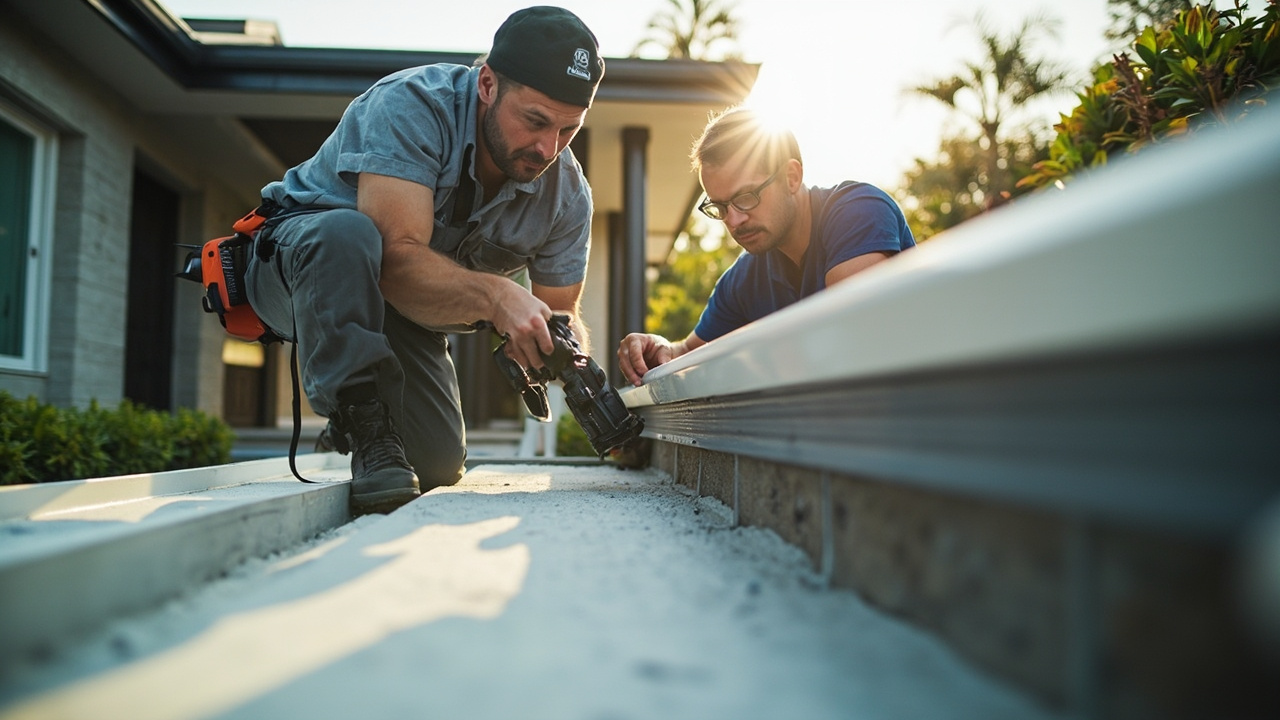
Inspect your building envelope systematically. Check stucco surfaces for cracks wider than a credit card edge. In Los Angeles's stucco-dominant architecture, these seemingly minor defects become major water entry points during wind-driven rain. Apply elastomeric sealant to cracks and monitor expansion joints where walls meet foundations or different building materials connect.

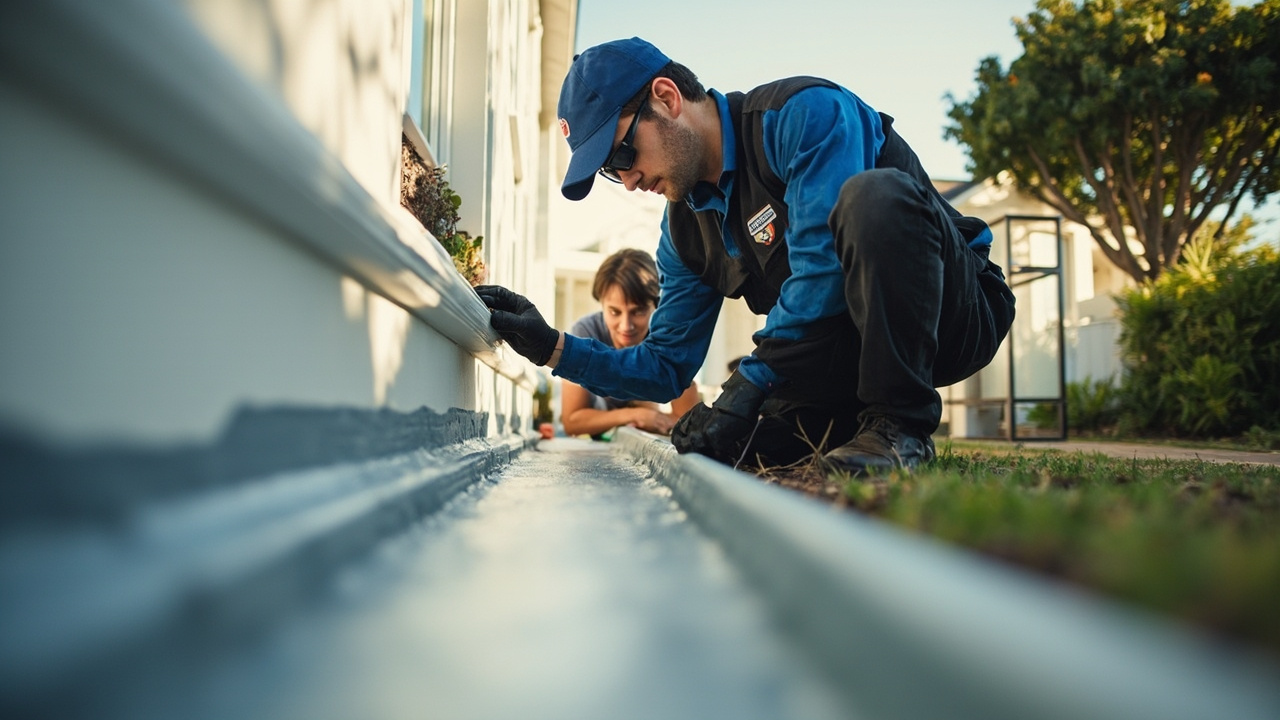
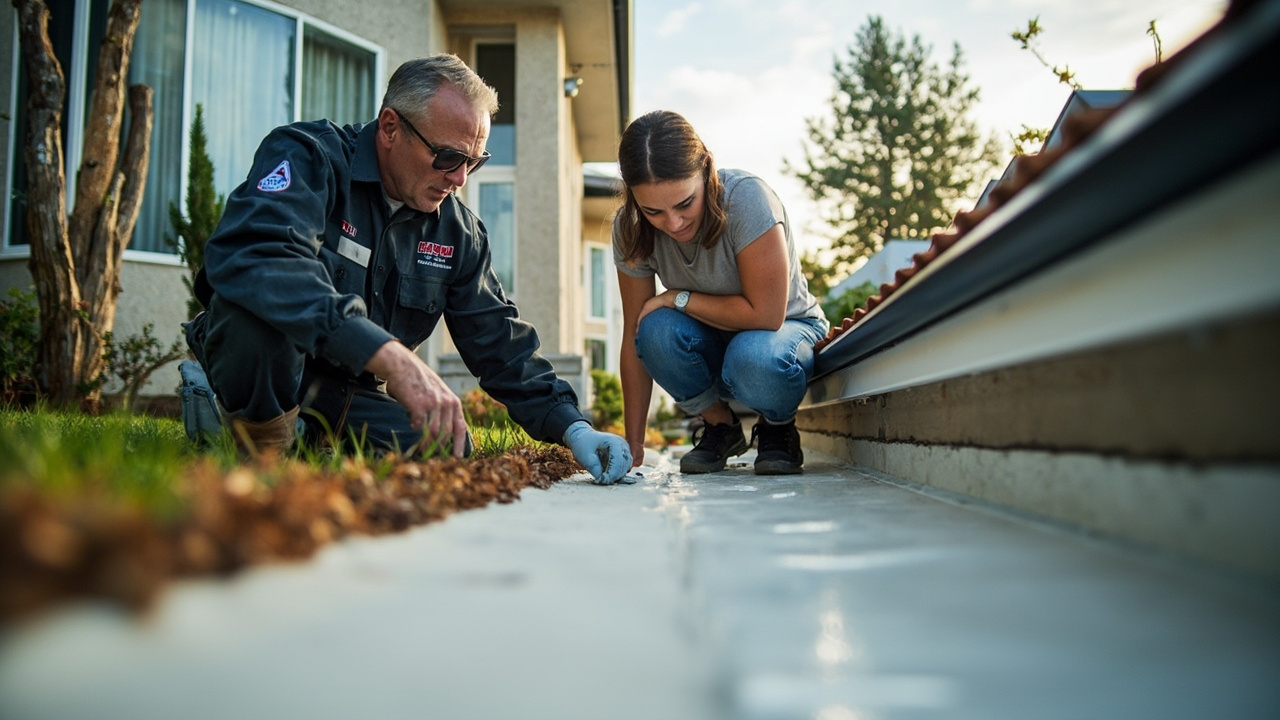
Your roof drainage system needs quarterly attention. Clean gutters and downspouts completely, removing debris that accumulates during Santa Ana wind events. Extend downspout discharge at least five feet from the foundation using buried drainpipes or splash blocks. This moisture control best practice is particularly important for properties on clay soils common throughout the Los Angeles basin.

Window and door flashing requires professional-level scrutiny. Remove exterior trim carefully to inspect the waterproof membrane behind it. Failed flashing accounts for a significant percentage of water intrusion cases we document during restoration projects. If you find deteriorated felt paper or missing sealant beads, address these defects immediately.

Interior moisture control starts in your crawl space or basement. Install a six-mil polyethylene vapor barrier across exposed soil, overlapping seams by twelve inches and sealing edges to foundation walls. Combine this with proper ventilation to maintain relative humidity below sixty percent, preventing condensation and mold growth in these vulnerable spaces.

Building Your Property Protection Plan

Preventative Waterproofing Tips in Los Angeles – Protect Your Property Before the Next Storm Hits
01

Comprehensive Property Assessment

Begin with a detailed walkthrough during or immediately after rainfall. Active leaks reveal themselves under pressure. Document every water stain, damp spot, and drainage issue with photos and notes. Check attic spaces for roof penetration leaks, examine exterior walls for staining patterns, and inspect your foundation perimeter for standing water. This diagnostic approach identifies vulnerabilities before they become emergencies.
02

Prioritized Intervention Strategy

Rank identified issues by severity and water volume potential. Address active leaks first, then tackle areas with visible deterioration. Create a timeline that spreads major projects across fiscal quarters while handling quick fixes immediately. This staged approach to proactive water sealing methods keeps your property protected while managing budget constraints. Focus on high-impact areas like roof valleys and foundation-wall interfaces where water concentrates.
03

Ongoing Monitoring Protocol

Establish a seasonal inspection routine tied to Los Angeles's weather patterns. Check exterior sealants before November when winter rains typically begin. Inspect drainage systems after Santa Ana winds clear vegetation debris. Install moisture meters in crawl spaces to track humidity trends. Document your findings in a maintenance log that creates a historical record, helping you identify developing problems before they require emergency intervention.

Why Los Angeles Property Owners Trust Our Waterproofing Expertise

United Water Damage Restoration Los Angeles has spent years studying how this region's specific conditions affect building envelopes. We understand that waterproofing strategies effective in humid climates fail in our Mediterranean environment. Our team recognizes the difference between moisture problems in a 1920s Craftsman in Highland Park versus a 1970s apartment complex in Culver City.

We document case studies from every Los Angeles microclimate. Coastal properties face salt air corrosion that degrades sealants faster than inland locations. Homes in the foothills above Pasadena contend with seasonal runoff that inland properties never experience. This geographic knowledge informs our recommendations, ensuring your waterproofing approach matches your specific exposure risks.

Our diagnostic process identifies the actual source of water intrusion rather than treating surface symptoms. We use thermal imaging to detect hidden moisture pathways, moisture mapping to track saturation patterns, and pressure testing to reveal air and water infiltration routes. This technology-driven approach prevents the trial-and-error waterproofing that wastes money without solving underlying problems.

Local building code compliance is critical but often misunderstood. Los Angeles adopted updated waterproofing requirements in recent code cycles that affect renovation projects. We guide you through these regulations, ensuring your preventative measures meet or exceed current standards. This attention to compliance protects your property value and prevents issues during future sale transactions.

When DIY waterproofing techniques reach their limits, we provide professional intervention. Our team handles complex installations like below-grade waterproofing membranes, drainage board systems, and foundation crack injection that require specialized equipment and expertise. We work alongside your maintenance efforts, stepping in when professional-grade solutions become necessary.

What Professional Waterproofing Support Provides

Rapid Response and Consultation

When you discover a waterproofing failure, timing determines damage severity. Our team provides same-day consultations for active water intrusion problems and next-day scheduling for preventative assessments. We understand that Los Angeles rainfall is sporadic but intense. When storms approach, our schedule prioritizes vulnerable properties. Emergency response operates around the clock because water damage does not wait for business hours. You receive expert guidance when you need it most, not when it fits a standard appointment calendar.

Detailed Property Analysis

Our assessment process examines your entire building envelope systematically. Technicians use moisture meters to measure water content in building materials, infrared cameras to identify temperature differentials indicating hidden leaks, and visual inspection protocols developed over thousands of Los Angeles property evaluations. You receive a written report documenting every vulnerability with photographic evidence, severity rankings, and recommended interventions. This comprehensive analysis becomes your roadmap for both immediate fixes and long-term waterproofing improvements, prioritized by risk level and budget considerations.

Professional-Grade Execution

Complex waterproofing requires specialized materials and installation expertise. Our team applies commercial-grade waterproof membranes, installs French drain systems with proper slope gradients, and injects polyurethane or epoxy into foundation cracks under controlled pressure. We source materials rated for Los Angeles's specific climate conditions, avoiding products designed for different environments that fail prematurely here. Every installation follows manufacturer specifications and building code requirements. The result is waterproofing protection that performs as engineered, backed by material warranties and installation quality you cannot achieve with consumer-grade products.

Long-Term Maintenance Partnership

Waterproofing is not a one-time event. Sealants degrade, drainage systems accumulate sediment, and building materials age. We offer annual inspection programs that monitor your property's waterproofing integrity over time. These scheduled evaluations catch small problems before they become expensive failures. You receive updated documentation showing your property's condition, creating a maintenance history that demonstrates proper care. This ongoing relationship means you have expert support as your property ages and waterproofing needs evolve, preventing the crisis-driven approach most owners experience.

Frequently Asked Questions

You Have Questions,
We Have Answers

What to do before applying waterproofing? +

Start by inspecting all surfaces for cracks, gaps, or damage. Clean the area thoroughly to remove dirt, mold, mildew, and loose debris. In Los Angeles, older stucco and concrete foundations often show settling cracks from soil movement. Repair structural damage before waterproofing. Check for moisture with a moisture meter. Surfaces must be completely dry before application. Identify the water source, whether it's groundwater pressure, surface runoff, or leaking plumbing. Address drainage issues first. Remove old paint or coatings that prevent adhesion. Proper prep determines waterproofing success. Skipping these steps wastes money and time.

What are common waterproofing mistakes? +

Applying waterproofing over damp surfaces causes failure. Many homeowners skip surface prep and apply products directly over dirt or mold. Using the wrong product for the substrate is common. Basement walls need different treatments than roofs. In Los Angeles, ignoring drainage issues around foundations causes repeat problems. Poor joint detailing at wall-floor transitions creates leak paths. Applying too thin a coat or missing areas leaves vulnerabilities. Not extending waterproofing high enough above grade allows water intrusion. Forgetting to seal penetrations like pipes and vents creates entry points. Mixing incompatible products causes delamination and bond failure.

Should you prime before waterproofing? +

Yes, priming improves adhesion and penetration on porous surfaces like concrete, masonry, and stucco. Primers seal the substrate and create a uniform base for waterproofing membranes or coatings. Los Angeles foundations often have chalky or dusty surfaces that need bonding agents. Check your waterproofing product specifications. Some require specific primers. Others are self-priming. Priming reduces absorption rates and prevents pinholes. It extends waterproofing lifespan by ensuring proper mechanical bond. Skip this step and you risk delamination, especially on older concrete common in Los Angeles neighborhoods. Always let primer dry completely before applying waterproofing layers.

How much does it cost to waterproof a 1000 sq ft basement? +

Costs vary based on method and condition. Interior sealants run lower but only address minor moisture. Exterior excavation waterproofing with membrane and drainage systems costs significantly more due to labor and access. Los Angeles soil conditions and foundation depth affect excavation expenses. Basement slab crack repairs, sump pump installation, and French drain systems add to totals. Mold remediation increases costs if moisture damage exists. Each project differs based on water source, foundation age, and accessibility. Focus on permanent solutions rather than temporary fixes. Get multiple assessments from licensed contractors who inspect your specific situation before committing to any method.

How many coats of waterproofing should I do? +

Most waterproofing membranes and coatings require two coats minimum for full protection. The first coat seals pores and creates a base layer. The second coat fills pinholes and ensures uniform coverage. Some products specify three coats for high-exposure areas like below-grade foundations in Los Angeles where hydrostatic pressure exists. Follow manufacturer guidelines exactly. Applying coats too thick causes cracking and improper curing. Applying too thin leaves gaps. Allow proper drying time between coats. This varies by temperature and humidity. Los Angeles dry climate speeds curing but morning fog can add moisture. Always check weather forecasts before application.

How to fill gaps before waterproofing? +

Clean gaps thoroughly with a wire brush and vacuum. Remove loose material, dust, and debris. For cracks wider than one-eighth inch, use hydraulic cement or polyurethane crack filler designed for water infiltration. These materials expand to fill voids and remain flexible as foundations shift. Los Angeles expansive clay soils cause ongoing movement, requiring flexible sealants. Apply backer rod for gaps deeper than half an inch before caulking. This prevents three-sided adhesion and allows proper joint movement. Use waterproof caulk rated for exterior exposure. Overfill slightly and tool smooth. Let cure completely before applying waterproofing membrane over the repair.

What is the negative side of waterproofing? +

Improper waterproofing traps moisture inside walls and causes hidden damage. Vapor barriers installed incorrectly create condensation problems. Waterproofing the wrong side of the substrate pushes water into materials instead of keeping it out. In Los Angeles, sealing foundations without addressing drainage causes hydrostatic pressure buildup and structural stress. Some coatings prevent walls from breathing and trap moisture from interior sources. Relying on waterproofing alone without fixing the water source wastes money. Interior-only treatments may hide problems while damage spreads. Waterproofing requires understanding moisture dynamics and building science. Quick fixes often create bigger issues later.

What causes waterproofing to fail? +

Poor surface preparation is the number one cause. Waterproofing applied over dirt, moisture, or failing substrates delaminates quickly. Product selection matters. Using interior products on exterior applications fails under UV exposure and temperature swings. Los Angeles temperature variations stress incompatible materials. Not addressing the water source means constant pressure against waterproofing. Foundation movement from soil settlement cracks rigid membranes. Improper joint detailing at transitions creates leak paths. Degraded drainage systems allow water accumulation. Application errors like insufficient thickness, missed areas, or wrong weather conditions cause premature failure. Waterproofing requires correct diagnosis, product match, and skilled installation.

What is the best waterproofing method? +

Exterior waterproofing at the foundation provides the best protection. This method stops water before it enters walls. It includes excavation, membrane application, drainage board installation, and proper grading. Los Angeles clay soils benefit from exterior French drains to redirect groundwater. Bentonite clay systems work well but require professional installation. Cementitious waterproofing suits water features and retaining walls. Liquid membranes offer flexibility for complex details. Sheet membranes provide thick, durable barriers. No single method works everywhere. The best approach depends on water source, building type, soil conditions, and budget. Combine methods for vulnerable areas like foundations.

What is the best time to do water waterproofing? +

In Los Angeles, late spring through early fall provides ideal conditions. Dry weather with moderate temperatures allows proper curing. Avoid waterproofing during rainy season from November through March when moisture interferes with adhesion. Products need dry surfaces and specific temperature ranges for application and curing. Morning fog along coastal areas can add moisture. Wait for full sun and low humidity. Exterior work requires several consecutive dry days. Interior waterproofing has more flexibility but still needs proper ventilation and temperature control. Plan around weather forecasts. Rushing during poor conditions guarantees failure. Patient timing ensures waterproofing bonds correctly and lasts.

How Los Angeles's Wet-Dry Cycle Creates Unique Waterproofing Demands

Los Angeles experiences extreme moisture swings that accelerate waterproofing failure. Six to nine months of near-zero rainfall dries building materials, causing wood to shrink and concrete to contract. When winter storms arrive, these materials absorb moisture rapidly and expand. This cyclical movement creates stress at every joint, seam, and connection point in your building envelope. Sealants lose elasticity under this repeated strain faster than in climates with consistent moisture levels. Properties in areas like West Adams and Hancock Park, with housing stock predating modern waterproofing materials, face particular vulnerability during these seasonal transitions.

Effective water damage prevention in Los Angeles requires understanding these regional patterns. United Water Damage Restoration Los Angeles specializes in moisture control strategies engineered for Mediterranean climates. Our team monitors local weather forecasts and contacts clients before major storm systems arrive, ensuring vulnerable properties receive priority attention. We maintain relationships with local building inspectors who enforce Los Angeles's specific waterproofing codes, keeping our methods compliant with current regulations. This local expertise means your waterproofing approach addresses actual Los Angeles conditions rather than generic moisture problems.

Water Damage Restoration Services in The Los Angeles Area

United Water Damage Restoration Los Angeles is proud to service the entire Los Angeles area and surrounding communities. View our central location on the map to see our strategic positioning, which enables us to provide our guaranteed rapid response times across the region. If you need immediate assistance, please do not drive to our office; instead, call our 24/7 emergency hotline, and our fully-equipped team will be dispatched directly to your property without delay.

Address:
United Water Damage Restoration Los Angeles, 5800 S Eastern Ave, Los Angeles, CA, 90040

Additional Services We Offer

Our news updates

Latest Articles & News from The Blogs

What to Do When Your Wilmington Water Heater Floods Your Laundry Room A leaking water heater can release 40 to…

What to Do When Your Wilmington Water Heater Floods Your Laundry Room

What to Do When Your Wilmington Water Heater Floods Your Laundry Room A leaking water heater can release 40 to…

Getting Your West Hills Home Ready for the Los Angeles Rainy Season

Getting Your West Hills Home Ready for the Los Angeles Rainy Season The Santa Susana Mountains loom over West Hills…

Common Plumbing Problems in Miracle Mile Older Condo Buildings

Common Plumbing Problems in Miracle Mile Older Condo Buildings Miracle Mile’s charming historic condo buildings come with unique plumbing challenges…

Contact Us

Do not wait for water damage to force action. Schedule your comprehensive waterproofing assessment today. Our team provides expert evaluation and practical recommendations tailored to your property's specific vulnerabilities. Call (209) 255-2558 now to protect your investment.