





menu

Musty Smells & Odor Removal in Los Angeles | We Find and Eliminate the Source, Not Just the Symptom

Advanced moisture detection and microbial remediation to permanently eliminate musty smells and odor removal problems in Los Angeles homes and businesses, targeting the hidden water damage causing your air quality issues.

Slider Image 1
Slider Image 2
Slider Image 3
Slider Image 4
Slider Image 5
Slider Image 7
Slider Image 8
Slider Image 9
Slider Image 10
Slider Image 11

Why That Persistent Damp Smell in Your Los Angeles Property Won't Go Away

You notice it the moment you walk through the door. That damp, earthy smell that makes you wonder what's growing behind your walls. In Los Angeles, the combination of coastal moisture infiltration and aging building stock creates the perfect conditions for persistent odor problems that air fresheners can't touch.

Here's what most property owners don't realize. That musty smell isn't just unpleasant. It's a warning sign. Mildew odor elimination requires more than surface cleaning because the scent you're detecting is volatile organic compounds released by active microbial growth. Every time you smell that characteristic mustiness, you're breathing spores.

Los Angeles properties face specific challenges. Older homes in areas like Mid-Wilshire and Echo Park often have outdated plumbing that leaks slowly into wall cavities. Buildings near the coast in Venice or Santa Monica deal with salt air accelerating corrosion in copper pipes. Multi-unit properties in Koreatown and Downtown frequently experience plumbing failures that affect multiple units, creating hidden moisture pockets between floors.

The city's Mediterranean climate compounds these issues. We experience cool, damp winters followed by dry summers. This moisture cycling causes building materials to expand and contract, creating gaps where water can penetrate. When winter rains saturate older foundations or roofs, the moisture gets trapped in enclosed spaces with poor ventilation.

Neutralizing musty odors means identifying where moisture is accumulating and why it's staying there. The smell is your building telling you it has a moisture problem. Removing moldy scents without addressing the source just masks a problem that's getting worse every day.

Why That Persistent Damp Smell in Your Los Angeles Property Won't Go Away
How We Eliminate Odors by Treating the Cause

How We Eliminate Odors by Treating the Cause

Damp smell remediation starts with forensic moisture mapping. We use thermal imaging cameras to identify temperature differentials that indicate trapped moisture. Infrared scanning reveals wet insulation, saturated drywall, and compromised structural elements that are completely invisible to the naked eye. We measure relative humidity levels in different zones of your property to determine where moisture is accumulating and track its migration patterns.

Moisture meters give us quantitative data. Wood should measure below 16 percent moisture content. Drywall should stay under 1 percent. When we find readings above these thresholds, we know we've located active water intrusion or inadequate drying from a previous event.

After mapping the affected areas, we trace the moisture to its origin. A musty basement might be caused by hydrostatic pressure from groundwater, a failed sump pump, or condensation from an uninsulated cold water line. A moldy smell in a second-floor bathroom could be a leaking wax ring, failed shower pan membrane, or incorrectly vented exhaust fan that's pumping humid air into the wall cavity.

We then implement source control. This might mean repairing a pinhole leak in copper piping, re-sloping drainage away from the foundation, installing vapor barriers in crawl spaces, or correcting negative air pressure that's drawing humid outdoor air into the building envelope.

Only after controlling the moisture source do we address the microbial growth. We use HEPA air scrubbers during remediation to capture airborne spores. Contaminated porous materials get removed and properly disposed of. Non-porous surfaces undergo antimicrobial treatment. We apply hydroxyl generators or ozone treatment in unoccupied spaces for eradicating water damage smells at the molecular level.

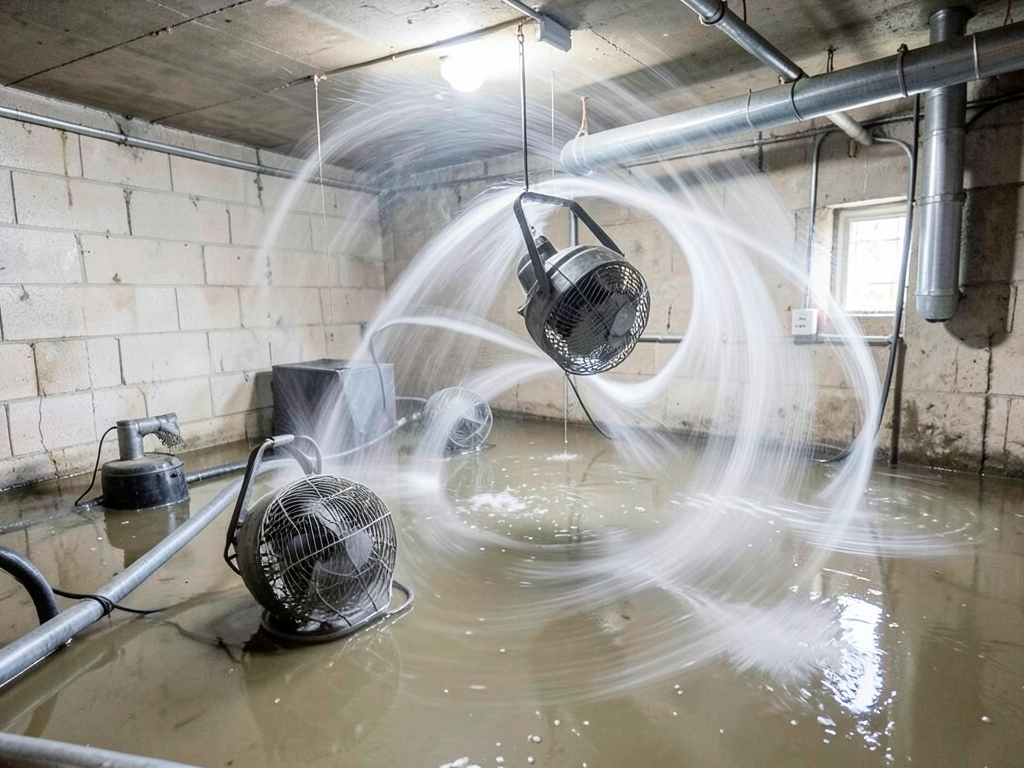
The entire affected area gets structural dried using commercial dehumidifiers and air movers until moisture readings return to normal ranges.

What Happens During Professional Odor Remediation

Musty Smells & Odor Removal in Los Angeles | We Find and Eliminate the Source, Not Just the Symptom
01

Diagnostic Inspection

We perform a complete property assessment using thermal imaging and moisture meters to map every area with elevated humidity or water intrusion. You'll receive documentation showing exactly where moisture is present, measured in quantifiable percentages, and photographs of affected areas. This diagnostic phase identifies the scope of work needed and prevents surprises during remediation. We test multiple locations to ensure nothing gets missed.
02

Source Repair and Containment

We establish containment barriers using plastic sheeting and negative air pressure to prevent cross-contamination during the work. The moisture source gets repaired, whether that means fixing plumbing, sealing foundation cracks, or correcting drainage issues. Contaminated materials are removed following proper protocols. HEPA filtration runs continuously during this phase to capture particulates. This is the most labor-intensive phase but the most critical for permanent mildew odor elimination.
03

Structural Drying and Verification

Industrial dehumidifiers and air movers run until all building materials return to normal moisture content. We take daily moisture readings and adjust equipment placement to optimize drying efficiency. Once readings stabilize in the acceptable range for three consecutive days, we perform final air quality testing and odor verification. You receive a completion report with before and after moisture readings proving the area is completely dry and the odor source has been eliminated.

Why Los Angeles Property Owners Trust Our Odor Remediation Process

Understanding Los Angeles building construction matters when you're dealing with water damage and odor issues. Properties built before 1978 may have different wall cavity configurations and insulation types than modern construction. We know how to work with both single-family bungalows common in neighborhoods like Highland Park and modern multi-unit developments in Playa Vista.

Our technicians understand local code requirements for water damage remediation work. Los Angeles requires permits for certain types of structural repairs and mold remediation projects exceeding specific square footage thresholds. We handle the permitting process and ensure all work meets current building code standards so you don't face compliance issues down the road.

We're familiar with the insurance documentation requirements specific to California policies. Many property owners don't realize their homeowner's coverage may include water damage provisions that cover emergency mitigation even before the claim is fully approved. We provide the detailed photo documentation, moisture mapping reports, and itemized scope of work that insurance adjusters need to process claims efficiently.

You're not just getting generic odor removal. You're getting professionals who understand why properties in areas near the Los Angeles River flood differently than hillside homes in Silver Lake. We know that Spanish Revival homes built in the 1920s have different moisture vulnerabilities than mid-century modern properties with post-and-beam construction.

We also understand the urgency. A musty smell in a rental property affects tenant retention and can trigger habitability complaints. In commercial spaces, odor issues impact customer perception and employee comfort. We respond quickly and work efficiently to minimize disruption to your property use.

Our process is thorough because surface-level fixes don't work. We've seen too many properties where previous attempts at removing moldy scents failed because the underlying moisture problem was never addressed.

What You Can Expect From Our Odor Removal Service

Response Time and Availability

We provide emergency response for urgent water damage situations that are actively creating odor problems. For non-emergency odor investigations, we typically schedule diagnostic inspections within 24 to 48 hours of your call. The inspection takes one to two hours depending on property size. You'll receive a detailed report within 24 hours of the inspection outlining what we found and what needs to be done. Actual remediation work can usually begin within two to three business days once you approve the scope of work. We understand that persistent odors affect your quality of life and we prioritize getting you scheduled quickly.

The Diagnostic Process Explained

Our technician arrives with professional moisture detection equipment including thermal cameras, pin-type and non-invasive moisture meters, and hygrometers for measuring ambient humidity. We inspect all potential moisture sources including plumbing fixtures, water heaters, HVAC systems, and building envelope penetrations. We check areas where odors are strongest and surrounding spaces to map the full extent of moisture intrusion. You'll see the thermal images and moisture readings in real time. We explain what we're finding in plain language and answer all your questions during the inspection. This transparency helps you understand exactly what's causing the problem and why our recommended solution will work.

Guaranteed Results and Air Quality

Our work isn't complete until the odor is gone and moisture readings confirm all affected materials are dry. We use calibrated instruments to verify success, not subjective judgments. After completing remediation and structural drying, we perform final walk-throughs to confirm the musty smell has been eliminated. You'll receive documentation showing pre-work and post-work moisture readings proving the affected areas are now dry. We also provide recommendations for preventing future moisture problems. If you detect any returning odors within 30 days of project completion, we return to reassess at no charge to ensure we addressed all moisture sources.

Ongoing Monitoring and Prevention

After eliminating the immediate odor problem, we help you implement preventive measures. This might include installing dehumidifiers in chronically damp areas, improving ventilation in bathrooms and laundry rooms, or scheduling periodic moisture inspections for high-risk areas. We provide you with baseline moisture readings for your property so you have reference data if concerns arise in the future. For commercial properties or multi-unit buildings, we can set up quarterly monitoring programs to catch developing moisture problems before they create odor issues or significant damage. Prevention is always less expensive than remediation, and we give you the tools and knowledge to protect your property long-term.

Frequently Asked Questions

You Have Questions,
We Have Answers

How to get rid of a strong musty smell? +

A strong musty smell signals active moisture or hidden mold. First, locate the source. Check under sinks, behind appliances, and crawl spaces. Open windows to increase airflow. Run a dehumidifier to drop indoor humidity below 50%. Clean affected surfaces with a vinegar solution or antimicrobial cleaner. If the odor persists after 48 hours, you need professional inspection. In Los Angeles, hidden water intrusion from aging plumbing or foundation cracks often feeds mold growth in walls and subfloors. Professionals use thermal imaging and moisture meters to find hidden sources, then apply targeted odor encapsulants and air scrubbers to eliminate the smell at its origin.

What is the hardest smell to get rid of in a house? +

Decomposition odors from rodent infestations are the toughest to eliminate. Dead rodents in wall cavities or attics release putrescine and cadaverine, compounds that penetrate porous materials like insulation and drywall. Smoke damage ranks second, as tar particles embed deep into fabrics and wood. Both require source removal and specialized treatment. In older Los Angeles homes, particularly in hillside areas where wildlife intrusion is common, decomposition smells often require wall removal to extract carcasses. Standard air fresheners and ozone generators mask odors temporarily but fail without source elimination. Professional thermal fogging and hydroxyl generators break down odor molecules at the molecular level for permanent removal.

Will DampRid get rid of musty smell? +

DampRid absorbs moisture in small, enclosed spaces like closets or bathrooms, but it does not eliminate musty smells in larger areas. It pulls moisture from the air but does not address existing mold colonies or contaminated materials. The calcium chloride crystals collect water but lack antimicrobial properties to kill odor-causing bacteria or fungi. For a single drawer or linen closet, DampRid offers temporary relief. For persistent musty odors in Los Angeles homes, especially those with poor ventilation or foundation moisture issues, you need active ventilation, dehumidification, and source remediation. DampRid works as a supplement, not a solution, when you face active water intrusion or hidden mold growth.

How to get rid of old lady smell in house? +

That stale, perfumed odor comes from accumulated dust, poor ventilation, and organic material breakdown in carpets and upholstery. Start by deep cleaning all soft surfaces. Vacuum carpets with a HEPA filter, steam clean upholstery, and wash all linens in hot water. Replace HVAC filters and clean air ducts. Open windows daily to flush stale air. Remove old carpet padding, which traps skin cells and moisture. In Los Angeles, many older homes have minimal cross-ventilation, trapping stale air. If odor persists after deep cleaning, inspect for hidden moisture in subfloors or behind baseboards. Professional duct cleaning and ozone treatment eliminate embedded odors in ventilation systems.

What is the most powerful odor eliminator? +

Hydroxyl generators are the most effective odor eliminators for serious contamination. Unlike ozone machines, which require evacuation and can damage materials, hydroxyls break down odor molecules safely while the space remains occupied. They work on smoke, decomposition, mold, and chemical odors by creating oxidizing radicals that destroy odor compounds at the molecular level. For surface odors, enzymatic cleaners digest organic matter like urine or vomit. Thermal fogging penetrates porous materials with deodorizing particles. In Los Angeles water damage and fire restoration work, professionals pair hydroxyl generators with air scrubbers containing activated carbon filters. This combination captures airborne particles while destroying odor molecules, providing complete odor elimination without masking agents.

What causes a house to have a musty smell? +

Musty smells indicate mold or mildew growth from excess moisture. Common causes include roof leaks, plumbing failures, poor ventilation, foundation cracks, and high humidity. Water vapor condenses on cold surfaces, feeding mold on drywall, wood, and insulation. In Los Angeles, aging galvanized pipes corrode internally, causing slow leaks inside walls. Coastal areas face higher humidity, while valley regions see condensation from extreme temperature swings. Flat roofs on older buildings trap water after rare but heavy rains. Crawl spaces under homes built on hillsides collect groundwater seepage. If you smell mustiness, moisture is present somewhere. Finding and fixing the water source is the only permanent solution.

What is the old lady's smell called? +

That distinct odor is called nonenal. After age 40, human skin produces more fatty acids that oxidize into 2-nonenal, a compound with a greasy, grassy smell. It clings to fabrics, bedding, and upholstery in enclosed spaces with poor airflow. The smell intensifies in homes with minimal ventilation, common in older Los Angeles apartments and bungalows without central air. Regular laundering of bedding, increased ventilation, and air purifiers with activated carbon reduce the odor. Deep cleaning carpets and upholstery removes accumulated skin oils. Replace old mattresses and pillows, which absorb years of organic compounds. If previous occupants were elderly, professional cleaning of soft surfaces eliminates embedded nonenal.

How do I permanently get rid of a bad smell in my house? +

Permanent odor removal requires eliminating the source, not masking it. Identify what produces the smell: mold, bacteria, decomposition, or chemical contamination. Remove affected materials if porous items like drywall or insulation are saturated. Clean all surfaces with appropriate antimicrobial or enzymatic cleaners. Use HEPA air scrubbers to capture airborne particles. Apply hydroxyl generators to destroy remaining odor molecules. Seal surfaces with odor-blocking primer if needed. Fix the underlying moisture problem or ventilation failure. In Los Angeles, many persistent odors trace to hidden water damage in walls or subfloors. Professional moisture mapping identifies contaminated areas, ensuring complete removal before reconstruction. Surface treatments fail when contamination remains hidden.

What does toxic mold smell like in a house? +

Toxic mold, particularly Stachybotrys chartarum, produces a strong earthy, dirt-like smell, often described as rotting wood or wet newspaper. It smells mustier and more pungent than typical mildew. The odor comes from microbial volatile organic compounds released during mold growth. Black mold thrives on cellulose materials like drywall and wood in consistently wet conditions. In Los Angeles water damage scenarios, hidden mold behind walls or under flooring produces noticeable odor before visible growth appears. If you smell persistent mustiness after water intrusion, especially in enclosed spaces like bathrooms or basements, inspect for mold immediately. The smell indicates active growth requiring professional assessment and remediation.

Is DampRid better than a dehumidifier? +

A dehumidifier is superior for controlling whole-room or whole-house humidity. It actively removes moisture from air, preventing mold growth and reducing musty smells. Dehumidifiers can pull gallons of water daily and maintain consistent humidity levels. DampRid passively absorbs moisture in small, enclosed spaces and requires frequent replacement. It works for closets or safes, not living areas. In humid Los Angeles coastal neighborhoods or poorly ventilated valley homes, dehumidifiers provide necessary moisture control. They protect against mold proliferation and structural damage. DampRid offers spot treatment. For persistent humidity problems, water intrusion, or post-flood recovery, dehumidifiers are essential equipment, not optional. Use DampRid only as a supplement.

How Los Angeles Coastal Moisture and Aging Infrastructure Create Hidden Odor Problems

Los Angeles sits between the Pacific Ocean and inland valleys, creating a unique microclimate that affects buildings throughout the basin. Properties within five miles of the coast experience salt air that accelerates corrosion in plumbing and HVAC systems. This leads to pinhole leaks and fitting failures that drip slowly into wall cavities for months before anyone notices. Meanwhile, the city's extensive housing stock includes hundreds of thousands of homes built between 1920 and 1960 with galvanized steel or early copper plumbing that's now reaching end-of-service life. When these systems fail, they often do so gradually, creating the perfect conditions for mildew odor problems that develop slowly and persist stubbornly.

Understanding local building practices matters for effective damp smell remediation. Many Los Angeles homes have concrete slab foundations that can develop cracks from soil settlement or seismic activity, allowing groundwater or irrigation water to wick into flooring and walls. Older properties may have inadequate vapor barriers or none at all. We work with these local construction realities every day and know how to identify moisture entry points specific to different neighborhoods and building eras. Our familiarity with Los Angeles Department of Building and Safety requirements ensures any structural repairs or remediation work complies with current code, protecting your property value and insurability.

Water Damage Restoration Services in The Los Angeles Area

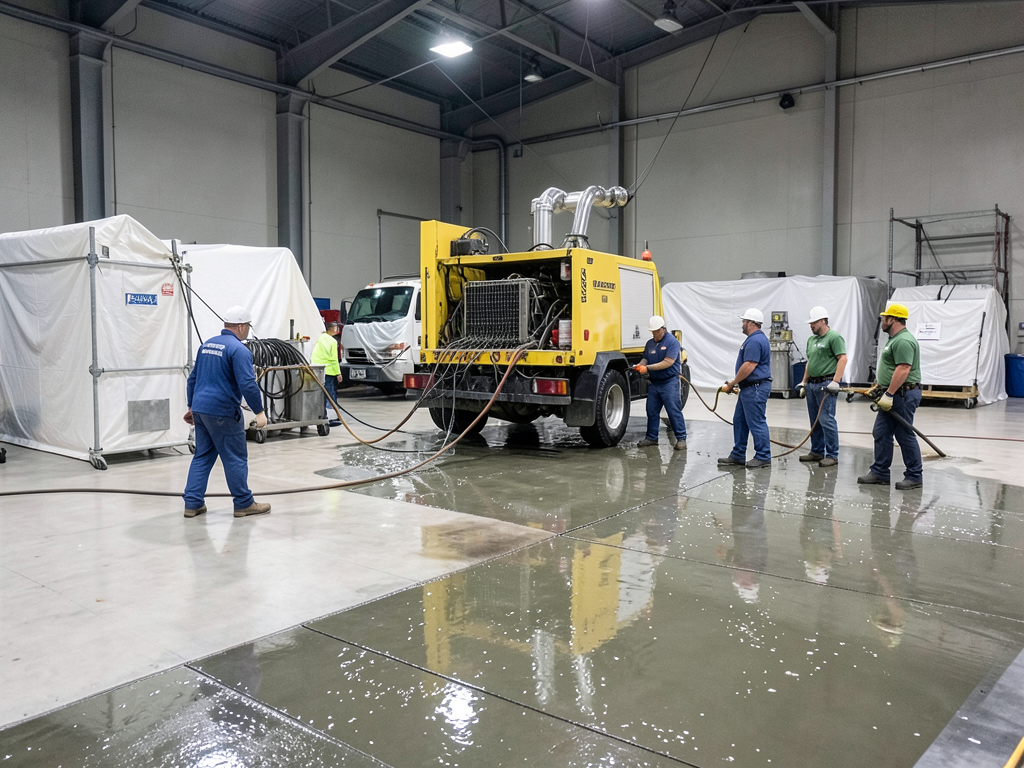
United Water Damage Restoration Los Angeles is proud to service the entire Los Angeles area and surrounding communities. View our central location on the map to see our strategic positioning, which enables us to provide our guaranteed rapid response times across the region. If you need immediate assistance, please do not drive to our office; instead, call our 24/7 emergency hotline, and our fully-equipped team will be dispatched directly to your property without delay.

Address:
United Water Damage Restoration Los Angeles, 5800 S Eastern Ave, Los Angeles, CA, 90040

Additional Services We Offer

Our news updates

Latest Articles & News from The Blogs

What to Do When Your Wilmington Water Heater Floods Your Laundry Room A leaking water heater can release 40 to…

What to Do When Your Wilmington Water Heater Floods Your Laundry Room

What to Do When Your Wilmington Water Heater Floods Your Laundry Room A leaking water heater can release 40 to…

Getting Your West Hills Home Ready for the Los Angeles Rainy Season

Getting Your West Hills Home Ready for the Los Angeles Rainy Season The Santa Susana Mountains loom over West Hills…

Common Plumbing Problems in Miracle Mile Older Condo Buildings

Common Plumbing Problems in Miracle Mile Older Condo Buildings Miracle Mile’s charming historic condo buildings come with unique plumbing challenges…

Contact Us

That musty odor won't improve on its own. It's getting worse every day the moisture source remains active. Call United Water Damage Restoration Los Angeles at (209) 255-2558 for a professional diagnostic inspection. We'll show you exactly what's causing the problem and how to fix it permanently.