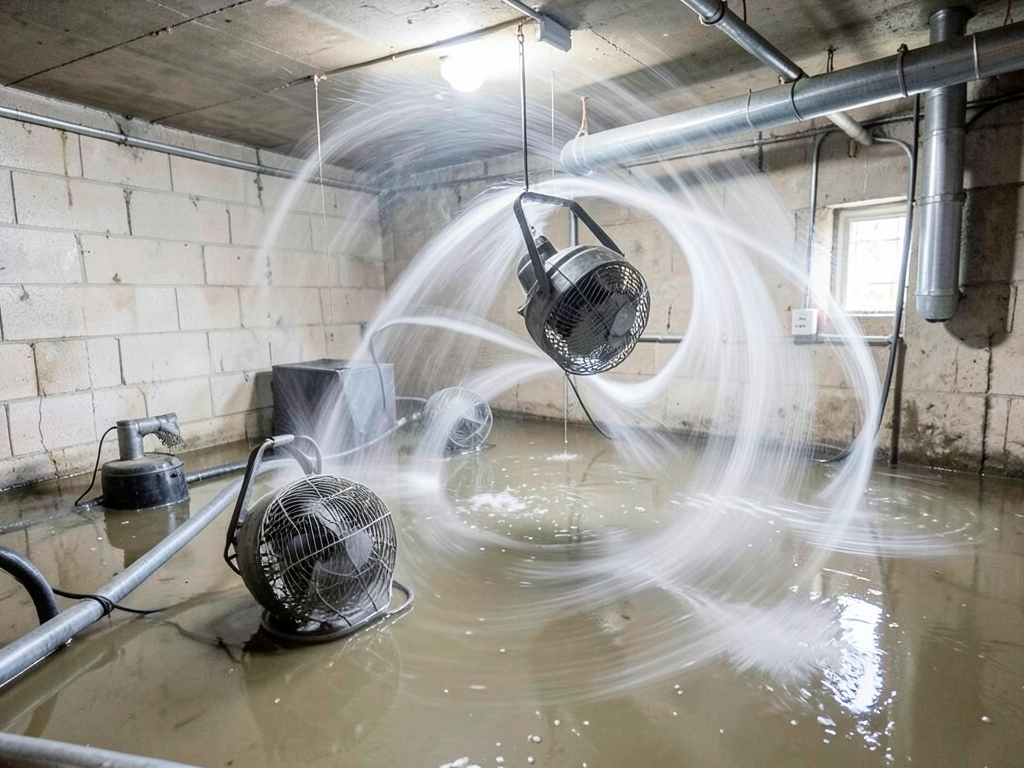





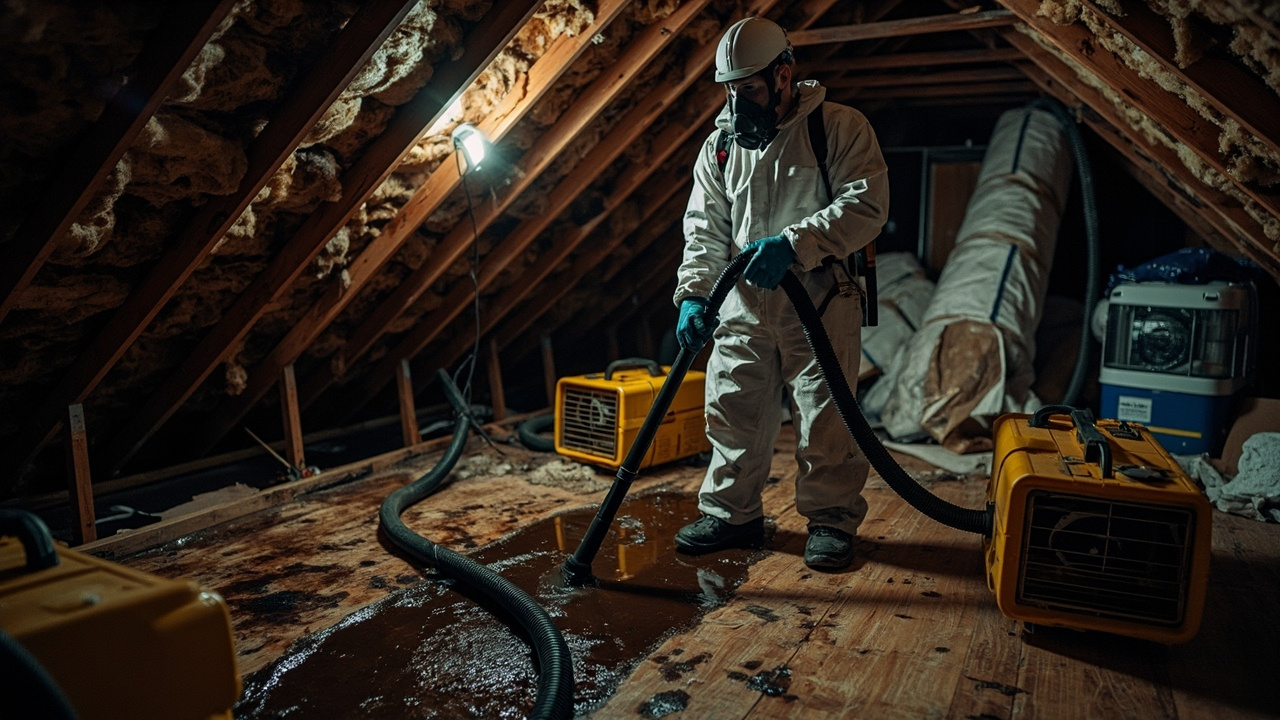
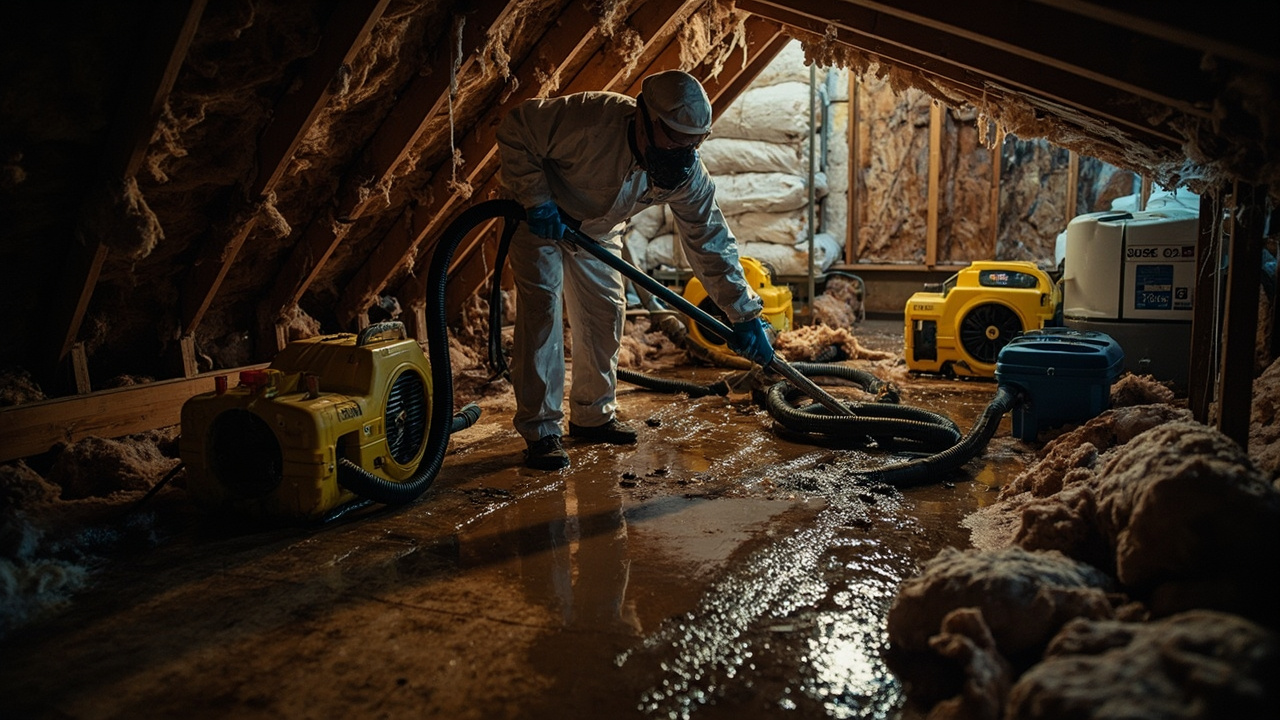
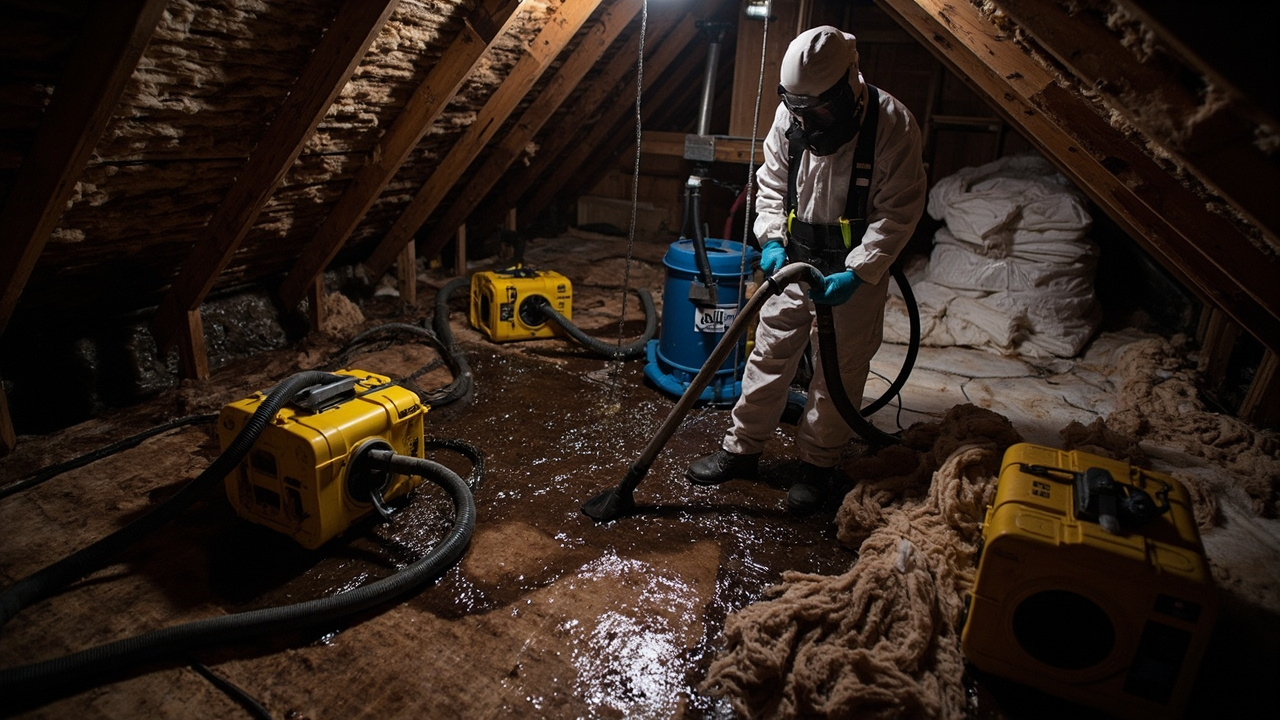
Los Angeles experiences significant diurnal temperature swings, especially during winter and spring months when attic water damage occurs most frequently. Daytime temperatures might reach 70 degrees while nighttime lows drop into the 40s. This thermal cycling affects drying strategies. Attic spaces heat rapidly during the day, which accelerates evaporation, but cool significantly at night, which can cause condensation if drying equipment is not calibrated correctly. Our technicians adjust dehumidifier settings and airflow patterns based on time of day and current psychrometric conditions to prevent moisture from condensing back onto partially dried surfaces. The city's low relative humidity during most of the year helps drying progress, but marine layer influence in coastal neighborhoods from Santa Monica to Pacific Palisades can introduce additional moisture that slows structural drying if not properly managed with refrigerant dehumidification.
Los Angeles building codes have evolved significantly over the decades, which means older properties often lack the ventilation requirements that current standards mandate. Many pre-1980 homes have inadequate soffit and ridge venting, creating trapped moisture conditions after water damage events. United Water Damage Restoration Los Angeles understands these local building characteristics because we work in this market daily. We recognize the difference between moisture readings that indicate active drying progress and readings that suggest trapped moisture from poor ventilation design. This local knowledge prevents extended drying times and helps you avoid unnecessary equipment rental costs. Our familiarity with Los Angeles construction types, from historic Craftsman homes to modern hillside properties with complex roof geometries, means we anticipate challenges before they complicate your restoration and provide solutions tailored to your specific property configuration.