



Glendale sits in the Verdugo Mountains foothills where winter storms dump heavy rain on aging infrastructure. Properties near the Verdugo Wash face flash flood risk when storm drains overflow. The city's mix of 1920s bungalows and mid-century apartments means older galvanized pipes that corrode and fail without warning. Summer heat pushing past 95 degrees strains air conditioning systems, causing condensate line backups and hidden water intrusion inside walls.
Southern California's low humidity seems helpful, but it creates problems. Residents run evaporative coolers and irrigation systems year-round, stressing plumbing connections. When leaks start, dry wood framing absorbs water rapidly. The San Fernando Valley's clay-rich soil shifts with seasonal moisture changes, cracking foundation walls and creating entry points for groundwater during winter rains.
Glendale's Mediterranean climate means mold spores thrive once moisture appears. Within 24 to 48 hours of water exposure, microbial growth starts behind drywall and under flooring. Properties near Brand Boulevard and older neighborhoods around Glenoaks see frequent water heater failures and sewer backups from root intrusion in aging clay pipes. Fast water extraction and structural drying prevent thousands in additional repair costs.
United Water Damage Restoration Los Angeles operates 24-hour emergency response teams throughout the San Fernando Valley with guaranteed 60-minute arrival times to Glendale properties. Our technicians carry IICRC certifications in water damage restoration and applied structural drying. We invested in truck-mounted extraction units that pull 150 gallons per minute and commercial-grade dehumidifiers rated for California's climate conditions.
We dispatch from strategically located service centers near the 134 and 2 freeways, ensuring rapid access to every Glendale neighborhood from Adams Hill to Rossmoyne. Our teams know Glendale's building stock. We've restored water damage in Craftsman bungalows near Montrose, mid-century apartments along Brand Boulevard, and hillside properties in Brockmont. This experience matters when determining proper drying protocols for plaster walls versus modern drywall or assessing flood risk near the Verdugo Wash.
Every job starts with thermal imaging and moisture mapping to find hidden water behind cabinets, inside wall cavities, and under tile floors. We document everything with time-stamped photos and moisture readings that insurance adjusters need for claims approval. Our project managers communicate directly with your insurance company, handling paperwork while you focus on getting back to normal.
We guarantee work quality with third-party moisture verification before signing off any job. If materials still show elevated readings, we keep drying equipment running at no additional cost until your property meets industry standards. This commitment to complete drying prevents callback emergencies and protects your investment.

Water spreads and causes more damage every hour. Our teams dispatch immediately to Glendale properties 24/7, arriving within 60 minutes with truck-mounted extraction equipment. We stop water migration, protect unaffected areas, and start the drying process before secondary damage occurs. Fast response saves you thousands in repair costs.

We handle the paperwork so you don't face claim denials. Our project managers document every step with photos, moisture readings, and detailed notes that adjusters require. We communicate directly with your insurance company, provide accurate estimates, and ensure you receive fair compensation. Most claims get approved within 48 hours.
Every technician carries Institute of Inspection, Cleaning and Restoration Certification in water damage restoration and applied structural drying. We follow scientific drying protocols based on material types, moisture levels, and environmental conditions. Our training ensures proper equipment placement, prevents mold growth, and restores your property to pre-loss condition using industry-approved methods.
We've restored water damage across every Glendale neighborhood from historic homes in Rossmoyne to apartments near Pacific Avenue. Our teams understand local building methods, common failure points in older plumbing systems, and flood patterns near the Verdugo Wash. This knowledge ensures proper assessment and prevents overlooked damage that causes problems months later.
Water damage takes many forms and requires specialized response based on the source and contamination level. United Water Damage Restoration Los Angeles provides complete water damage remediation from initial emergency response through final restoration. Our teams handle everything from burst pipe cleanup to sewage backups, storm flooding to appliance failures.
We categorize water damage by contamination level and source. Category 1 involves clean water from supply lines or rainfall. Category 2 includes gray water from washing machines, dishwashers, or toilet overflow without feces. Category 3 means black water from sewage backups, river flooding, or water that sat stagnant for days. Each category demands different safety protocols, disposal methods, and drying strategies.
Our service range covers emergency water extraction, structural drying, dehumidification, antimicrobial treatment, content pack-out and storage, reconstruction, and complete property restoration. We dispatch appropriate equipment based on damage severity and water category. Truck-mounted extractors handle major flooding. Hardwood floor drying systems save expensive wood flooring. Negative air machines contain contaminated areas during sewage cleanup. Every Glendale property receives a customized restoration plan based on damage assessment, building materials, and insurance coverage.
When water floods your property, immediate extraction prevents further damage. Our teams arrive with truck-mounted pumps pulling 150 gallons per minute and portable extractors for tight spaces. We remove standing water from floors, extract water from carpet padding, and pull moisture from upholstery and contents. Thermal imaging identifies hidden water behind walls and under flooring. We place air movers and dehumidifiers strategically based on moisture readings, starting the drying process within the first hour to prevent mold growth and structural damage.
Surface drying isn't enough. Water migrates into wall cavities, insulation, subflooring, and framing lumber where it causes rot and mold. We use applied structural drying techniques approved by the IICRC. Moisture meters track readings in wood, drywall, and concrete. Commercial dehumidifiers pull moisture from the air while air movers create circulation patterns that accelerate evaporation. We monitor conditions daily, adjusting equipment placement until all materials reach acceptable moisture content. Proper structural drying typically takes three to five days depending on materials and saturation levels.
Sewage backups require specialized protocols to protect health and prevent contamination spread. Our technicians wear protective equipment and establish containment barriers using negative air pressure. We remove contaminated materials following EPA guidelines, extract black water with dedicated equipment, and dispose of waste properly. All affected surfaces receive antimicrobial treatment. We apply hospital-grade disinfectants, then verify cleanliness with ATP testing. Category 3 water damage demands careful handling because sewage contains dangerous pathogens. We follow strict safety standards to restore your property to safe, sanitary conditions.
Glendale's aging housing stock and climate conditions create predictable water damage patterns. Properties built before 1960 often have galvanized steel pipes that corrode from inside, restricting flow and eventually failing. The Verdugo Mountains channel storm runoff through established drainage patterns, overwhelming systems during heavy winter rains. Hillside properties face additional risk from soil saturation and slope instability.
Summer heat stresses air conditioning systems running constantly to combat valley temperatures. Condensate lines clog with algae growth, causing overflow into ceilings and walls. Evaporative coolers popular in older buildings leak when float valves stick. Properties near Glenoaks Boulevard and San Fernando Road see frequent water main breaks from ground shifting. Apartment buildings along Brand Boulevard experience multi-unit damage when single pipe failures flood multiple floors. These recurring problems demand fast response and proper remediation to prevent mold, rot, and structural compromise.
Corroded galvanized pipes in older Glendale homes fail without warning, releasing hundreds of gallons inside walls. Water spreads through insulation and floods multiple rooms within minutes. The resulting damage affects drywall, flooring, cabinets, and electrical systems. Fast water extraction and wall cavity drying prevent mold growth and electrical hazards that make properties unsafe.
Winter storms overwhelm aging drainage systems near the Verdugo Wash. Properties in low-lying areas flood when storm drains back up. Hillside homes face water intrusion through foundation cracks as saturated soil pushes groundwater inside basements and crawl spaces. Roof valleys collect debris that dams water, causing leaks through weak points in aging composition shingles.
Water heaters installed in garages, closets, and attics fail after 8 to 12 years. Tank corrosion causes catastrophic ruptures that flood surrounding areas. A 40-gallon heater releases enough water to saturate drywall, ruin flooring, and damage stored belongings. Properties with heaters in attic spaces face ceiling collapse when drywall becomes waterlogged.
Slow leaks behind washing machine hoses, under sinks, and inside walls cause extensive damage before discovery. Water wicks through drywall and insulation for weeks, creating perfect conditions for mold growth. By the time stains appear or floors feel soft, significant structural damage exists. These hidden leaks often affect multiple wall cavities and require extensive demolition for proper drying.
Water damage creates panic. You need clear answers about what happens next, how long restoration takes, and what costs look like. United Water Damage Restoration Los Angeles follows consistent protocols on every job to deliver predictable results. From your first call through final walkthrough, we communicate clearly about the process, timeline, and expectations.
Our dispatch center answers 24/7. You reach a real person who asks specific questions about your emergency, not an answering service. We collect information about water source, affected areas, and insurance coverage. A supervisor dispatches the nearest team within minutes. Most Glendale properties receive response within 60 minutes of the initial call.
We believe transparency reduces stress during emergencies. You receive upfront information about the restoration process, realistic timelines based on damage severity, and detailed documentation for insurance claims. Our project managers stay in contact throughout the job, explaining what crews are doing and why specific equipment matters. You'll understand drying goals, daily progress, and when your property will be ready for reconstruction.
Teams arrive with extraction equipment, moisture meters, and thermal imaging cameras. We assess damage severity, identify the water source, and determine contamination category. You receive a verbal walkthrough explaining what we found, what must happen next, and realistic timelines. We photograph everything for insurance documentation. Emergency water extraction starts immediately to stop damage progression. Within the first hour, standing water gets removed and drying equipment gets positioned based on moisture mapping results.
Structural drying requires three to five days depending on materials and saturation levels. Technicians visit daily to take moisture readings, adjust equipment, and document progress. You receive text or call updates explaining current readings and expected completion. We don't pull equipment early. Materials must reach acceptable moisture content verified by calibrated meters. Our project managers stay available to answer questions and coordinate with insurance adjusters who visit the property.
We don't guess when drying finishes. Final moisture readings get documented with photos showing meter displays. You receive a completion certificate with before and after readings that insurance companies require. If reconstruction is needed, our team coordinates with licensed contractors or your preferred builders. We provide detailed scope documents outlining what got removed, what needs replacement, and estimated costs. Your property returns to pre-loss condition with guaranteed workmanship.
Effective water restoration follows scientific protocols developed by the Institute of Inspection, Cleaning and Restoration Certification. We divide every job into three distinct phases that ensure complete moisture removal and proper restoration. This systematic approach prevents mold growth, stops structural damage, and protects your property investment.
Teams arrive within 60 minutes carrying truck-mounted extraction units and portable pumps. We identify the water source and stop active flooding when possible. Thermal imaging cameras map moisture spread behind walls and under floors. Standing water gets removed using high-capacity extractors. Carpet and padding get pulled to check subfloor saturation. Contents move to dry areas to prevent further damage. We establish containment barriers if contaminated water is present. First-hour actions determine how much damage occurs, so we move fast and work methodically to protect your property.
Commercial dehumidifiers and air movers run continuously for three to five days. Equipment placement follows psychrometric calculations based on room size, material types, and outdoor conditions. We take moisture readings twice daily in affected materials using penetrating and non-invasive meters. Readings get logged and compared to baseline dry standards for each material. Dehumidifiers pull moisture from air while air movers accelerate evaporation from surfaces and inside wall cavities. Temperature stays controlled between 70 and 80 degrees to optimize drying rates without causing secondary damage.
Final moisture readings confirm all materials reached acceptable content levels. We document completion with photos showing meter readings. Equipment gets removed and areas cleaned. Antimicrobial treatment gets applied to any surfaces that contacted Category 2 or 3 water. You receive a detailed completion report with before and after documentation. If reconstruction is needed, we coordinate with contractors to replace damaged drywall, flooring, and trim. The property returns to pre-loss condition with all work guaranteed.
The Institute of Inspection, Cleaning and Restoration Certification establishes standards that guide proper water damage restoration. Water gets classified by contamination level. Category 1 is clean water from supply lines, rain, or broken water heaters that poses no immediate health risk. Category 2 is gray water from washing machines, dishwashers, or clean toilet overflow that contains some contamination but not sewage. Category 3 is black water from sewage backups, flooding from rivers or streams, or any water that sat stagnant for more than 48 hours and developed bacterial growth.
Water damage also gets classified by how much material absorbed moisture. Class 1 affects only part of a room with minimal absorption into materials. Class 2 affects entire rooms with significant moisture absorption into carpeting and walls up to 24 inches. Class 3 means water came from overhead or saturated walls, ceilings, insulation, and subflooring. Class 4 involves specialty drying situations like hardwood floors, plaster walls, or concrete that require advanced equipment and extended drying times.
California law requires proper licensing and insurance for water damage contractors. Glendale enforces building permits for any reconstruction work that involves structural repairs or mold remediation beyond simple surface cleaning. IICRC certification demonstrates that technicians understand psychrometrics, proper equipment use, and documentation requirements. The Los Angeles County Department of Public Health regulates Category 3 water cleanup to ensure proper disposal and prevent contamination spread.
Proper drying relies on understanding vapor pressure, temperature relationships, and specific evaporation rates for different materials. Commercial dehumidifiers work by either refrigeration or desiccant methods. Refrigerant models cool air below dew point, condensing moisture. Desiccant units absorb moisture using silica gel wheels. California's moderate humidity means refrigerant dehumidifiers work efficiently for most situations. Air movers create airflow patterns that accelerate evaporation from wet surfaces. Strategic placement matters more than quantity. We calculate air changes per hour based on room volume and moisture load, then position equipment to maximize drying effectiveness while minimizing energy costs.
Applied structural drying follows IICRC S500 standards that define acceptable moisture content for materials. Wood framing should measure below 15% on pin-type meters. Drywall should read below 1.0% on non-invasive scanning meters. Concrete slabs must reach relative humidity below 75% measured at proper depth. We verify readings twice daily and adjust equipment until materials meet standards. Insurance companies require IICRC documentation to approve water damage claims.
Water damage costs vary based on contamination category, affected area size, material types, and extraction difficulty. Category 3 black water costs more because of disposal requirements and safety protocols. Hardwood floor drying adds specialty equipment costs. Properties requiring mold remediation face additional expenses. Most insurance policies cover sudden water damage from burst pipes or appliance failures. Gradual leaks or maintenance issues often get denied. Proper documentation during initial response protects your claim approval.
Complete structural drying takes three to five days for typical residential water damage. Hardwood floors require seven to ten days. Concrete slabs may need two to three weeks. Properties with extensive saturation or Category 3 contamination take longer. We cannot accelerate drying beyond material and equipment limits without causing secondary damage. Trust the process and moisture meter readings over visual appearance. Materials look dry days before reaching safe moisture content levels.
Water damage contractors must carry California contractor licenses and proper liability insurance. Glendale requires building permits for reconstruction involving structural repairs, electrical work, or plumbing modifications. The city also enforces permits for mold remediation covering more than ten square feet. Licensed contractors provide warranty protection and insurance compliance that protects property owners. Always verify contractor licensing through the California Contractors State License Board before authorizing work.
Educational video explaining emergency water damage restoration procedures in Glendale, California. Demonstrates IICRC water damage restoration protocols including emergency water extraction, structural drying techniques, moisture mapping with thermal imaging, and complete remediation processes. Covers response procedures for residential and commercial properties affected by burst pipes, flooding, sewage backups, and appliance failures. Explains water contamination categories, insurance documentation requirements, and realistic restoration timelines for Glendale properties.
United Water Damage Restoration Los Angeles maintains 24-hour service coverage throughout Glendale and surrounding San Fernando Valley communities. Our strategic location near the 134 and 2 freeway junction ensures rapid response to every neighborhood from the Verdugo Mountains foothills to properties near downtown Los Angeles borders.
We've restored water damage across historic districts like Rossmoyne and Brockmont where 1920s Craftsman homes face plumbing failures in original galvanized pipe systems. The neighborhood's mature trees create beautiful canopy streets, but root intrusion into clay sewer lines causes frequent backups. These hillside properties also see foundation seepage during winter storms when saturated soil pushes groundwater through aging foundation walls.
Adams Hill and Montrose properties climb the Verdugo slopes with panoramic valley views and water damage challenges from elevation. Storm runoff flows downhill, concentrating water around foundation perimeters. Properties here often have crawl spaces or partial basements where standing water accumulates unnoticed until mold odors develop. We service these areas regularly with submersible pumps, crawl space drying systems, and moisture barrier installation to prevent recurring problems.
The Brand Boulevard corridor and downtown Glendale feature mid-century apartment buildings and mixed-use properties where single pipe failures affect multiple units. We've handled numerous multi-floor water migrations in buildings along Colorado Street, Broadway, and Wilson Avenue. These situations require coordination with property managers, careful containment to prevent tenant displacement, and efficient drying to minimize business interruption. Our teams understand commercial property timelines and work extended hours to restore buildings quickly.
Properties near Glenoaks Boulevard and the Golden State Freeway face water main breaks from ground settling and traffic vibration. The San Fernando Road industrial area sees flooding from roof drainage failures on flat commercial buildings. We maintain specialized equipment for these commercial and industrial water damage scenarios including high-capacity truck-mounted extractors and trailer-mounted dehumidification systems that handle large-volume water removal.
Pacific Avenue neighborhoods and areas near Glendale Community College feature 1950s ranch homes and post-war tract developments. These properties commonly have slab foundations where water heater failures or supply line breaks flood interior spaces before homeowners notice. Slab moisture requires specialty drying mats and extended timelines compared to raised foundation homes.
We also provide rapid response to Atwater Village, Eagle Rock, and La Crescenta communities bordering Glendale. Properties throughout the 91201, 91202, 91203, 91204, 91205, 91206, and 91208 zip codes receive the same guaranteed 60-minute response times and quality restoration standards regardless of property type or damage severity.
Water damage restoration in Glendale takes 3 to 7 days for most residential projects. Small incidents like a toilet overflow take 2 to 3 days. Larger events like burst pipes or flooding require 5 to 7 days. Severe structural damage extends the timeline to several weeks. The restoration timeline depends on the water source, affected area size, and material types involved. Drying alone takes 3 to 5 days in typical conditions. Your restoration team will provide a specific timeline after inspection based on your unique situation.
Water damage restoration pricing in Glendale depends on several factors. The water source affects pricing significantly. Clean water from supply lines differs from contaminated sources. The affected area size plays a major role in determining total expenses. Structural damage requiring repairs increases overall spending. Most homeowners insurance policies cover sudden and accidental water damage incidents. Your policy deductible applies first. Get multiple quotes from local restoration companies. Request detailed estimates showing all services included. Ask about direct insurance billing to simplify the payment process.
Most Glendale homeowners insurance policies cover sudden and accidental water damage. Burst pipes, appliance malfunctions, and roof leaks from storms typically receive coverage. Your policy excludes gradual damage from poor maintenance and flood events. Flood damage requires separate flood insurance through FEMA or private insurers. Review your policy declarations page to understand your specific coverage limits. Document all damage with photos and videos before cleanup begins. Contact your insurance agent immediately after discovering water damage. Your restoration company works directly with insurance adjusters to streamline claims.
Water damage restoration in Glendale takes 3 to 7 days for most residential projects. Small incidents like a toilet overflow take 2 to 3 days. Larger events like burst pipes or flooding require 5 to 7 days. Severe structural damage extends the timeline to several weeks. The restoration timeline depends on the water source, affected area size, and material types involved. Drying alone takes 3 to 5 days in typical conditions. Your restoration team will provide a specific timeline after inspection based on your unique situation.
Water damage restoration pricing in Glendale depends on several factors. The water source affects pricing significantly. Clean water from supply lines differs from contaminated sources. The affected area size plays a major role in determining total expenses. Structural damage requiring repairs increases overall spending. Most homeowners insurance policies cover sudden and accidental water damage incidents. Your policy deductible applies first. Get multiple quotes from local restoration companies. Request detailed estimates showing all services included. Ask about direct insurance billing to simplify the payment process.
Most Glendale homeowners insurance policies cover sudden and accidental water damage. Burst pipes, appliance malfunctions, and roof leaks from storms typically receive coverage. Your policy excludes gradual damage from poor maintenance and flood events. Flood damage requires separate flood insurance through FEMA or private insurers. Review your policy declarations page to understand your specific coverage limits. Document all damage with photos and videos before cleanup begins. Contact your insurance agent immediately after discovering water damage. Your restoration company works directly with insurance adjusters to streamline claims.
Choose a Glendale water damage restoration company with IICRC certification. This training ensures proper restoration techniques. Verify the company maintains 24/7 emergency response services. Water damage worsens rapidly. Check online reviews on Google and Yelp from local customers. Ask for references from recent Glendale projects. Confirm they use professional moisture detection equipment and commercial-grade drying tools. Select companies offering direct insurance billing to reduce your financial burden. Request a written estimate detailing all services. Local experience with Glendale properties provides valuable regional knowledge about common issues.
Staying in your Glendale home during restoration depends on damage severity and location. Minor water damage confined to one room allows you to remain home. Extensive damage affecting multiple rooms or essential areas like kitchens and bathrooms requires temporary relocation. Safety hazards including electrical risks, structural instability, and mold growth necessitate moving out. Your restoration company assesses habitability during the initial inspection. Hotels or temporary housing become necessary during major projects. Most homeowners insurance policies include additional living expense coverage. Your family's health and safety take priority over convenience.
Glendale homes experience water damage from multiple sources. Burst pipes from aging plumbing systems cause frequent incidents. Appliance failures including washing machines, dishwashers, and water heaters lead to flooding. Roof leaks develop from worn shingles and damaged flashing. Clogged gutters overflow during rainstorms. Toilet and sink overflows create immediate water emergencies. HVAC condensation line blockages produce slow leaks. Foundation cracks allow groundwater seepage during wet seasons. Slab leaks from corroded pipes beneath concrete foundations remain hidden until significant damage occurs. Tree roots infiltrate sewer lines causing backups.
Call for water damage restoration in Glendale within the first hour of discovering the problem. Water spreads rapidly through building materials. The first 24 hours prove critical for preventing secondary damage. Mold spores begin growing within 24 to 48 hours in moist conditions. Structural materials weaken as water exposure continues. Immediate response limits damage extent and reduces restoration time. Most Glendale restoration companies offer 24/7 emergency services. Quick action protects your belongings and prevents costly repairs. Delays complicate insurance claims and increase total expenses.
Glendale water damage restoration follows a structured process. Technicians first inspect your property to assess damage extent and identify the water source. They extract standing water using powerful pumps and vacuums. Moisture detection equipment locates hidden water in walls and floors. Industrial dehumidifiers and air movers dry affected materials over several days. Teams remove unsalvageable materials like soaked drywall and insulation. Antimicrobial treatments prevent mold growth. Cleaning and sanitizing restore affected surfaces. Finally, reconstruction repairs damaged structures. Your team monitors moisture levels throughout to ensure complete drying.
Preventing mold after water damage in Glendale requires immediate action. Begin drying within 24 hours of water exposure. Remove standing water quickly using pumps or wet vacuums. Increase air circulation with fans and open windows when outdoor humidity permits. Run dehumidifiers to reduce indoor moisture levels below 60 percent. Remove wet porous materials like carpets, padding, and drywall if saturated beyond 48 hours. Professional restoration companies apply antimicrobial treatments to affected surfaces. Monitor humidity levels with a hygrometer. Address any lingering moisture sources. Complete drying prevents mold establishment.
Glendale water damage restoration companies use specialized professional equipment. Truck-mounted and portable water extractors remove standing water rapidly. Industrial-grade dehumidifiers pull moisture from the air. High-velocity air movers accelerate evaporation from surfaces and materials. Moisture meters and infrared cameras detect hidden water in walls and ceilings. Hygrometers measure relative humidity levels during drying. Air scrubbers with HEPA filters improve indoor air quality. Injection drying systems target water trapped in wall cavities. Generators provide power for equipment when electricity is unavailable. Professional-grade tools ensure thorough and efficient restoration.
Choose a Glendale water damage restoration company with IICRC certification. This training ensures proper restoration techniques. Verify the company maintains 24/7 emergency response services. Water damage worsens rapidly. Check online reviews on Google and Yelp from local customers. Ask for references from recent Glendale projects. Confirm they use professional moisture detection equipment and commercial-grade drying tools. Select companies offering direct insurance billing to reduce your financial burden. Request a written estimate detailing all services. Local experience with Glendale properties provides valuable regional knowledge about common issues.
Staying in your Glendale home during restoration depends on damage severity and location. Minor water damage confined to one room allows you to remain home. Extensive damage affecting multiple rooms or essential areas like kitchens and bathrooms requires temporary relocation. Safety hazards including electrical risks, structural instability, and mold growth necessitate moving out. Your restoration company assesses habitability during the initial inspection. Hotels or temporary housing become necessary during major projects. Most homeowners insurance policies include additional living expense coverage. Your family's health and safety take priority over convenience.
Glendale homes experience water damage from multiple sources. Burst pipes from aging plumbing systems cause frequent incidents. Appliance failures including washing machines, dishwashers, and water heaters lead to flooding. Roof leaks develop from worn shingles and damaged flashing. Clogged gutters overflow during rainstorms. Toilet and sink overflows create immediate water emergencies. HVAC condensation line blockages produce slow leaks. Foundation cracks allow groundwater seepage during wet seasons. Slab leaks from corroded pipes beneath concrete foundations remain hidden until significant damage occurs. Tree roots infiltrate sewer lines causing backups.
Call for water damage restoration in Glendale within the first hour of discovering the problem. Water spreads rapidly through building materials. The first 24 hours prove critical for preventing secondary damage. Mold spores begin growing within 24 to 48 hours in moist conditions. Structural materials weaken as water exposure continues. Immediate response limits damage extent and reduces restoration time. Most Glendale restoration companies offer 24/7 emergency services. Quick action protects your belongings and prevents costly repairs. Delays complicate insurance claims and increase total expenses.
Glendale water damage restoration follows a structured process. Technicians first inspect your property to assess damage extent and identify the water source. They extract standing water using powerful pumps and vacuums. Moisture detection equipment locates hidden water in walls and floors. Industrial dehumidifiers and air movers dry affected materials over several days. Teams remove unsalvageable materials like soaked drywall and insulation. Antimicrobial treatments prevent mold growth. Cleaning and sanitizing restore affected surfaces. Finally, reconstruction repairs damaged structures. Your team monitors moisture levels throughout to ensure complete drying.
Preventing mold after water damage in Glendale requires immediate action. Begin drying within 24 hours of water exposure. Remove standing water quickly using pumps or wet vacuums. Increase air circulation with fans and open windows when outdoor humidity permits. Run dehumidifiers to reduce indoor moisture levels below 60 percent. Remove wet porous materials like carpets, padding, and drywall if saturated beyond 48 hours. Professional restoration companies apply antimicrobial treatments to affected surfaces. Monitor humidity levels with a hygrometer. Address any lingering moisture sources. Complete drying prevents mold establishment.
Glendale water damage restoration companies use specialized professional equipment. Truck-mounted and portable water extractors remove standing water rapidly. Industrial-grade dehumidifiers pull moisture from the air. High-velocity air movers accelerate evaporation from surfaces and materials. Moisture meters and infrared cameras detect hidden water in walls and ceilings. Hygrometers measure relative humidity levels during drying. Air scrubbers with HEPA filters improve indoor air quality. Injection drying systems target water trapped in wall cavities. Generators provide power for equipment when electricity is unavailable. Professional-grade tools ensure thorough and efficient restoration.
United Water Damage Restoration Los Angeles is proud to service the entire Los Angeles area and surrounding communities. View our central location on the map to see our strategic positioning, which enables us to provide our guaranteed rapid response times across the region. If you need immediate assistance, please do not drive to our office; instead, call our 24/7 emergency hotline, and our fully-equipped team will be dispatched directly to your property without delay.
Address:
Glendale, CA, 91206

Restoring a Flooded Medical Clinic in Century City Without Compromising Patient Privacy or Sterile Zones When water floods a medical clinic in Century City the stakes go far beyond wet carpets. Patient records must stay…
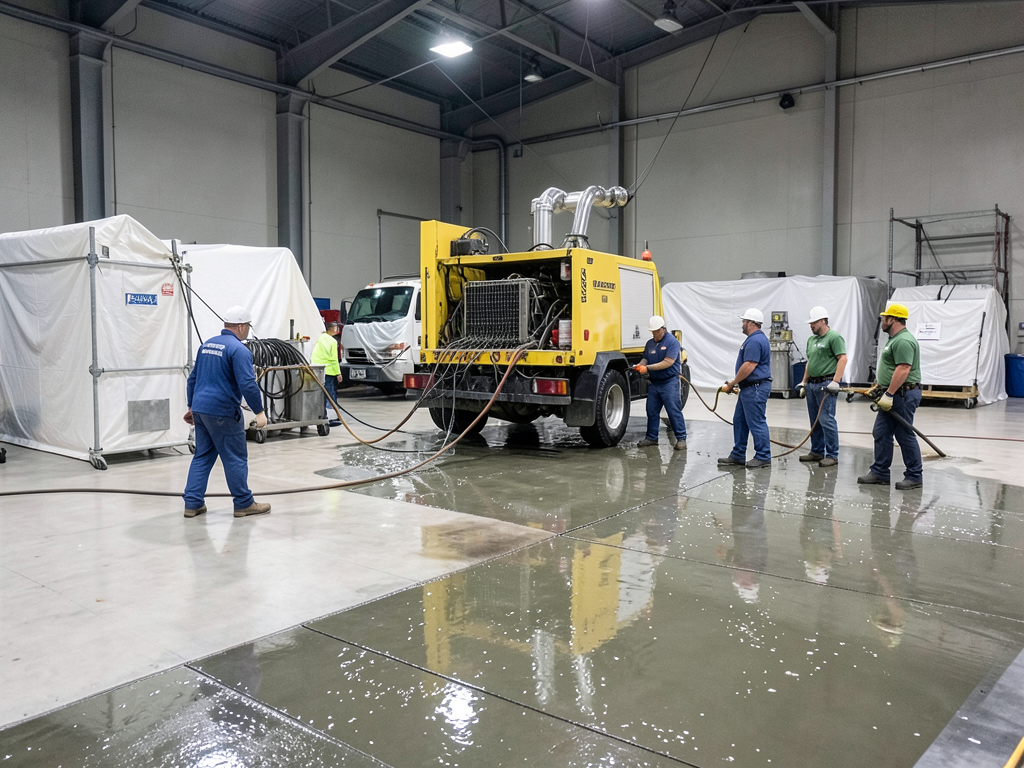
Water Damage Mitigation Strategies for Sound Stages and Production Facilities in Burbank Burbank's entertainment industry…
Removing Yellow Water Stains from the Luxury Marble in Your Beverly Hills Bathroom\n\nYour marble bathroom…
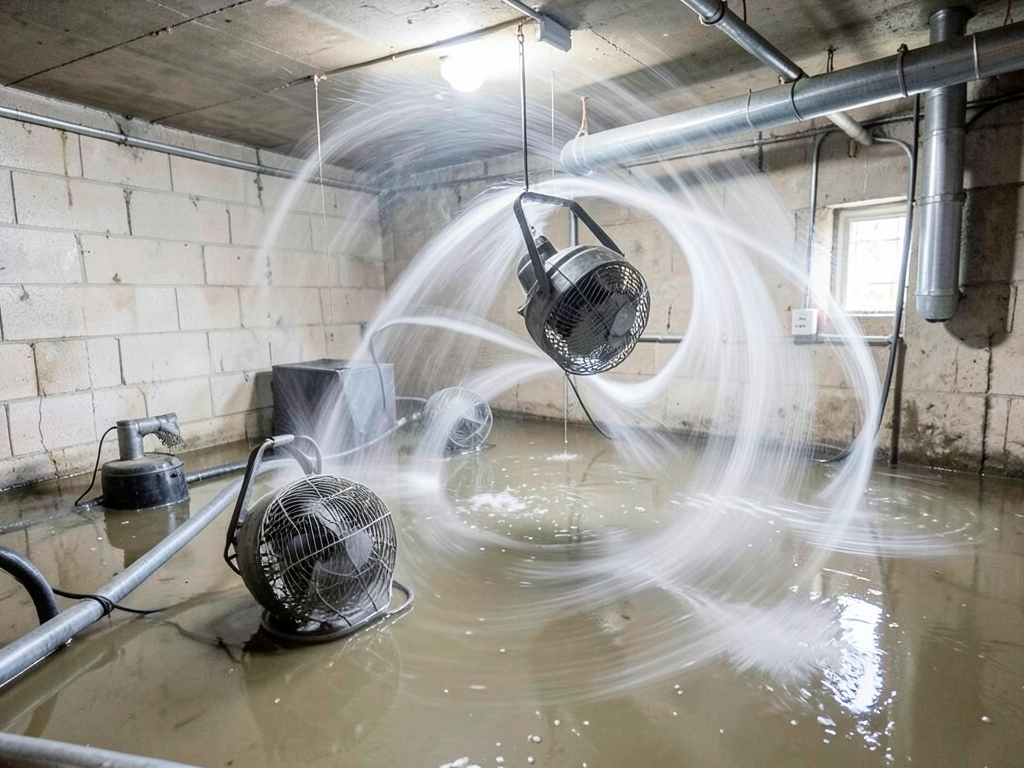
Why Household Fans Are Not Enough to Dry Out a Flooded Basement in Hollywood Hills…
Water damage spreads every minute. Protect your Glendale property with fast professional response. United Water Damage Restoration Los Angeles answers 24/7 with teams ready to dispatch. Call (209) 255-2558 now for emergency water extraction, structural drying, and complete restoration services.