


West Hollywood sits in a unique position where aging infrastructure meets dense urban development. Many buildings in neighborhoods like Norma Triangle and West Hollywood West were constructed in the 1920s through 1950s, featuring original plumbing that's now pushing 70 to 100 years old. These galvanized pipes corrode from the inside, leading to sudden failures that flood apartments and commercial spaces without warning.
The area's proximity to the Hollywood Hills creates drainage challenges during Los Angeles County's intense but brief rainy season. Water rushes down Laurel Canyon and other hillside streets, overwhelming storm drains and causing backup flooding in lower-lying areas near Santa Monica Boulevard. Multi-unit buildings common throughout West Hollywood mean one unit's water damage quickly becomes a building-wide crisis as water travels through shared walls and floors.
California's stringent building codes require rapid response to water damage. Property owners have limited time to document damage and begin mitigation before insurance claims become complicated. The city's high property values and competitive rental market make fast restoration critical. A water-damaged unit off the market for weeks means thousands in lost revenue, while delayed cleanup leads to mold growth that triggers California's strict habitability requirements and potential legal liability.
United Water Damage Restoration Los Angeles operates dedicated crews specifically for West Hollywood and the greater Los Angeles metro. We're not a call center dispatching the nearest available contractor. Our technicians know West Hollywood's building stock, from the historic Spanish Colonial apartments along Fountain Avenue to the modern high-rises on Sunset Boulevard. This familiarity means faster assessment and more accurate restoration plans.
Our IICRC-certified teams carry industrial-grade extraction equipment, thermal imaging cameras, and commercial dehumidifiers on every truck. When you call our 24/7 emergency line, a crew arrives within 60 minutes ready to work, not to give estimates. We begin water removal immediately because we know the first 24 hours determine whether you face a cleanup job or a full reconstruction project.
Insurance companies recognize our documentation standards. We photograph everything, measure moisture levels in walls and subfloors, and provide detailed reports that match what adjusters expect. This attention to detail speeds up claims approval and reduces out-of-pocket costs for property owners. We've worked with every major insurance carrier operating in Los Angeles County and understand their specific requirements.
West Hollywood property managers and building owners choose us for repeat work because we treat every unit like it's occupied, even during full renovations. We contain work areas, maintain security, and coordinate with tenants to minimize disruption. For commercial properties, we schedule work around business hours when possible and provide clear timelines so you can communicate with customers. Our goal is to restore your property to pre-loss condition while causing the least possible interruption to your life or business operations.

Our West Hollywood crews carry full water extraction and drying equipment at all times. When you call (209) 255-2558, we dispatch immediately, not after we gather supplies. Faster response means less water absorption into drywall, less floor damage, and lower restoration costs. We arrive ready to work, not to schedule a future appointment.

Every technician on our crews holds current Institute of Inspection Cleaning and Restoration Certification. This training covers water damage categories, drying science, microbial remediation, and structural restoration. Insurance companies trust IICRC documentation, which means smoother claims and faster reimbursement for you. Certification isn't optional for us, it's required.
We document damage using the same standards insurance adjusters follow. Our reports include moisture readings, thermal images, and detailed photo documentation that matches what carriers expect. We communicate directly with your insurance company, provide estimates in their format, and follow up on approvals. This reduces your stress and speeds up the claims process.
Our crews know West Hollywood's construction patterns. We understand how water moves through 1920s apartments, how modern high-rises require different drying approaches, and where hidden damage typically occurs. This local knowledge means accurate assessments, no surprise costs, and restoration plans that match your building's actual needs. We've worked in hundreds of West Hollywood properties.
Water damage requires different approaches depending on the source, category, and how long water has been present. United Water Damage Restoration Los Angeles provides complete restoration services from initial emergency water removal through final reconstruction. Our crews handle clean water from supply line breaks, contaminated water from sewage backups, and everything in between.
We separate our services into three core areas that match how water damage actually progresses. Emergency mitigation stops active damage and prevents secondary problems. Structural drying and remediation addresses moisture trapped in building materials. Full restoration rebuilds damaged areas to pre-loss condition. Most projects move through all three phases, though some situations only require immediate water extraction and drying. Our assessment determines what your property needs, not what we want to sell you.
Every service includes moisture monitoring until we confirm complete drying. West Hollywood's mild climate creates challenges for indoor drying because humidity levels stay relatively high year-round. We use commercial dehumidifiers and air movers calibrated to your building's specific conditions, then verify results with moisture meters and thermal imaging. This thoroughness prevents mold growth that shows up weeks later and creates new problems.
When water is actively flooding your property, immediate extraction prevents damage from spreading. Our crews bring truck-mounted pumps and portable extractors that remove standing water in minutes, not hours. We pull water from carpets, pad, and hard floors, then begin air circulation to stop moisture absorption into walls and cabinets. This emergency response phase includes content protection, moving furniture to dry areas, and setting up initial drying equipment. Fast water removal is the single most important factor in controlling restoration costs.
After visible water is removed, moisture remains trapped in drywall, subfloors, insulation, and framing. Our structural drying service uses industrial dehumidifiers and focused air movement to pull this hidden moisture out. We monitor progress daily with moisture meters, adjusting equipment placement based on readings. Hardwood floors require different drying than concrete slabs. Wall cavities need air injection if insulation is saturated. We match drying methods to your building's materials and track moisture levels until they return to normal ranges.
Severe water damage requires removing and replacing building materials. Our reconstruction service handles everything from drywall replacement to complete bathroom rebuilds. We remove water-damaged materials that can't be salvaged, treat framing for potential mold, and rebuild to match existing finishes. This includes flooring installation, cabinet work, painting, and trim carpentry. We coordinate with plumbers and electricians when systems need repair. Our goal is seamless restoration where you can't tell work was done.
West Hollywood's building stock creates predictable water damage patterns. Multi-unit residential buildings dominate the area, with shared plumbing systems that create cascading damage when failures occur. A water heater leak on the third floor becomes a ceiling collapse on the second floor. A toilet supply line break floods multiple units before someone notices. These situations require immediate response to protect property and maintain habitability.
Commercial properties along Santa Monica Boulevard and Sunset Strip face different challenges. Restaurant kitchens with grease traps, bars with ice machines, and retail spaces with public restrooms all create water damage risks. Business interruption costs add urgency to restoration timelines. The faster we complete drying and repairs, the faster you reopen and stop losing revenue.
Older buildings throughout West Hollywood contain original plumbing that's reaching end of service life. Galvanized pipes corrode from inside, reducing water pressure before they finally burst. Cast iron drain lines crack and leak slowly, causing hidden damage behind walls. Property owners face decisions about whether to repair visible damage or upgrade entire plumbing systems. We provide honest assessments about what makes sense for your building's age and condition.
Water doesn't respect unit boundaries in apartment buildings. A leak in one unit travels through shared walls and floors, damaging multiple spaces before you discover the source. West Hollywood's density means most residents live in multi-unit buildings where one person's plumbing problem becomes everyone's crisis. We trace water paths, identify all affected areas, and coordinate restoration across multiple units.
Buildings constructed before 1970 often contain original galvanized supply pipes and cast iron drains. These materials corrode over decades, leading to sudden failures. A pipe that worked fine yesterday bursts today, flooding your property without warning. Older buildings in Norma Triangle and West Hollywood West face higher risk. We assess whether damage indicates a one-time failure or systemic plumbing problems requiring larger intervention.
Small leaks behind walls or under floors go unnoticed until mold appears or floors start sagging. West Hollywood's mild climate creates perfect conditions for mold growth when moisture is present. By the time you see visible damage, water has been present for weeks or months. Our thermal imaging cameras detect hidden moisture before it causes major problems. Early detection saves money and prevents health issues.
Heavy rain overwhelms West Hollywood's storm drainage system, causing water to back up into ground-floor units and parking structures. Properties near hillside runoff paths face higher risk during Los Angeles County's winter storms. This water often contains contaminants from streets, requiring Category 2 or Category 3 remediation protocols. We handle contaminated water situations with proper safety equipment and disposal methods.
Water damage creates stress and uncertainty. You're dealing with an emergency, worried about costs, and unsure what happens next. Our process removes that uncertainty with clear communication and consistent follow-through. When you call (209) 255-2558, you speak with someone who understands water damage restoration, not a call center reading scripts. We ask specific questions about what you're experiencing, where water is coming from, and how long it's been present. This information helps us dispatch the right equipment and prepare for what we'll find.
Our crews arrive ready to start work immediately. We don't show up to look around and schedule a future appointment. Emergency water removal begins as soon as we assess the situation and identify safety concerns. You'll see water leaving your property within minutes of our arrival. We explain what we're doing and why, so you understand the restoration process as it happens.
Throughout the project, you receive regular updates on progress, timeline, and any changes in scope. If we discover additional damage, we explain it and get approval before proceeding. Insurance coordination happens in parallel with restoration work. We know what carriers require and provide documentation that speeds up claims approval. Our goal is to make a difficult situation as straightforward as possible while delivering thorough restoration that prevents future problems.
When you call our 24/7 emergency line, we dispatch a crew to your West Hollywood property within 60 minutes. Our technicians arrive with water extraction equipment, moisture detection tools, and safety gear. We assess the damage category, identify the water source if it's not obvious, and begin emergency mitigation immediately. You receive a verbal explanation of what we find and what needs to happen next. This initial assessment determines whether you need simple drying or extensive restoration.
We keep you informed at every stage with clear explanations in normal language, not industry jargon. You'll know what equipment is running, why it's necessary, and how long it needs to stay in place. If moisture readings indicate we need more drying time, we explain the science behind that decision. When we discover hidden damage, we show you the problem and discuss options. You make decisions based on complete information, not sales pressure or vague recommendations.
We don't consider a job complete until moisture readings return to normal ranges and you're satisfied with the results. Our final walk-through reviews all work performed, demonstrates that drying objectives are met, and addresses any concerns. You receive documentation including before and after photos, moisture logs, and completion certificates for insurance. If reconstruction was required, we verify that finishes match existing conditions and all systems function properly.
We follow a proven three-phase approach that addresses immediate damage, prevents secondary problems, and restores your property completely. This process is based on IICRC standards and adapted to West Hollywood's specific building types and climate conditions.
Our crew arrives within 60 minutes and begins extracting standing water immediately using truck-mounted pumps and portable extractors. We remove water from all affected surfaces including carpets, hard floors, and any areas where water has pooled. Air movers start circulating air to prevent moisture absorption into walls and cabinets. We photograph everything for insurance documentation. This phase typically takes 2-4 hours depending on the amount of water present.
After visible water is removed, we set up industrial dehumidifiers and position air movers to dry building materials. Moisture meters measure water content in walls, floors, and ceilings. We check readings daily and adjust equipment based on progress. Drying typically takes 3-5 days but varies based on materials affected and how much water they absorbed. We continue monitoring until moisture levels return to normal ranges.
Once everything is completely dry, we repair or replace damaged materials. This might be simple baseboard replacement or complete room reconstruction depending on damage severity. We match existing finishes and coordinate any needed plumbing or electrical repairs. Our crews handle all work in-house so you're not managing multiple contractors. The final walk-through confirms everything meets your expectations and insurance requirements.
Water damage restoration follows specific protocols defined by the Institute of Inspection Cleaning and Restoration Certification. These standards classify water by contamination level and determine appropriate remediation procedures. Category 1 water comes from clean sources like supply lines and requires standard extraction and drying. Category 2 water contains some contamination from sources like washing machine overflows and requires sanitization after drying. Category 3 water is grossly contaminated from sewage backups or flooding and requires extensive remediation with antimicrobial treatment.
West Hollywood properties face all three categories depending on the damage source. A burst pipe in your ceiling is Category 1, but if that water sits for 48 hours, bacterial growth elevates it to Category 2. A toilet overflow or sewage backup is always Category 3 regardless of duration. These classifications aren't arbitrary. They protect building occupants from health hazards and ensure insurance companies pay appropriate amounts for required work.
California building codes add another layer of requirements. Los Angeles County enforces strict mold prevention standards that require complete drying within specific timeframes. If water damage affects more than 10 square feet of material, California law may require licensed contractors for certain restoration work. We maintain all required licenses and certifications to perform water damage restoration throughout Los Angeles County.
Moisture measurement drives our restoration decisions. We use moisture meters calibrated for different materials because wood, drywall, and concrete all absorb and release water at different rates. Thermal imaging cameras detect moisture hidden behind walls without cutting holes to investigate. These tools prevent guesswork and ensure we dry everything thoroughly. Insurance adjusters expect this level of documentation and may deny claims if proper monitoring isn't performed. Our detailed moisture logs show exactly how long materials stayed wet, what drying equipment was used, and when moisture levels returned to acceptable ranges.
IICRC defines four classes of water damage based on evaporation rate and affected materials. Class 1 involves minimal absorption into materials. Class 2 affects an entire room with significant moisture wicking up walls. Class 3 comes from overhead sources, saturating ceilings and walls. Class 4 requires specialized drying for materials like hardwood and concrete that absorb slowly but retain moisture. We classify damage accurately to select appropriate drying methods.
Water damage restoration costs depend on water category, affected square footage, materials damaged, and how long water was present before mitigation started. Category 3 sewage remediation costs more than Category 1 clean water because we must remove contaminated materials and apply antimicrobial treatment. Hardwood floor drying costs more than carpet extraction. Fast response reduces costs because less material requires replacement. Insurance typically covers sudden and accidental water damage but not long-term leaks.
Emergency water extraction takes 2-4 hours. Structural drying requires 3-7 days depending on materials and saturation levels. Reconstruction adds 1-3 weeks based on scope. We can't rush drying because moisture needs time to migrate out of materials. Attempting to accelerate drying by removing equipment early leads to mold growth and callbacks. We monitor moisture daily and base timeline decisions on actual readings, not arbitrary schedules.
California requires contractors performing water damage restoration to hold proper licenses. IICRC certification demonstrates training in water damage restoration science, drying principles, and microbial remediation. Insurance companies increasingly require IICRC-certified technicians for claims approval. Our crews maintain current certifications and participate in ongoing training as restoration techniques evolve. This professional development ensures we use current best practices on your property.
This video explains the water damage restoration process for West Hollywood properties, covering emergency water extraction, structural drying procedures, and moisture monitoring techniques. Viewers learn about water damage categories, IICRC restoration standards, and what to expect during professional water removal and remediation. United Water Damage Restoration Los Angeles demonstrates equipment and methods used for complete property restoration following pipe breaks, flooding, and sewage backups.
United Water Damage Restoration Los Angeles maintains dedicated coverage throughout West Hollywood and the greater Los Angeles metro area. Our crews know every neighborhood in the city, from the residential streets of Norma Triangle to the commercial corridor along Santa Monica Boulevard. We've restored properties in West Hollywood West, the Sunset Strip entertainment district, and the residential areas surrounding Plummer Park.
The neighborhoods east of La Cienega Boulevard feature many of West Hollywood's historic apartment buildings, constructed in the 1920s through 1940s. These older structures with original plumbing systems require experienced technicians who understand how water moves through vintage construction. We've handled water damage in dozens of these classic buildings and know where hidden damage typically occurs. The area's tree-lined streets and proximity to Los Angeles proper make it popular with renters and owners who value quick restoration to minimize disruption.
West Hollywood's commercial districts present different challenges. The Sunset Strip's entertainment venues, restaurants, and hotels need rapid restoration to avoid revenue loss. We schedule work around business operations when possible and provide accurate completion timelines so managers can plan reopening. The design district along Robertson and Melrose features showrooms and creative offices where water damage threatens valuable inventory and equipment. Our crews treat every project with the understanding that business interruption costs often exceed direct damage costs.
North of Sunset Boulevard, the residential neighborhoods climbing toward the Hollywood Hills face drainage challenges during storms. Properties on hillside streets like Laurel Canyon and Crescent Heights see runoff during heavy rain that overwhelms storm drains. We respond to flooding calls throughout West Hollywood when winter storms hit Los Angeles County. The city's location between Beverly Hills to the west and Hollywood to the east means we often serve clients who own property in multiple adjacent communities.
Our coverage extends to neighboring areas including Beverly Hills, Hollywood, Los Feliz, and Silver Lake. Water damage doesn't respect city boundaries, and neither do we. If you own or manage property anywhere in the greater Los Angeles area, our crews provide the same rapid response and thorough restoration. We understand that West Hollywood residents and business owners value their community's walkability, arts culture, and urban energy. Our goal is to restore your property quickly so you can get back to enjoying what makes this neighborhood special.
Most restoration companies in West Hollywood offer 24/7 emergency response and arrive within 60 to 90 minutes of your call. Response time matters because water spreads quickly through floors, walls, and belongings. The first few hours determine how much damage occurs and whether mold will develop. Companies keep crews on standby and stock emergency vehicles with extraction equipment. When you call, describe the water source and extent of flooding. This helps the crew bring the right tools. Fast response reduces repair time and saves more of your property.
Restoration expenses depend on the water source, affected area size, and damage severity. Small leaks affecting one room require less work than whole-house flooding. Clean water from supply lines needs different treatment than sewage backups. Your restoration company assesses the damage and provides a detailed estimate before starting work. Many factors affect the final bill including equipment rental, labor hours, materials replacement, and mold remediation needs. Get written estimates from multiple companies. Ask about their billing process and payment plans. Most work directly with insurance companies to streamline claims.
Coverage depends on your policy terms and the water source. Most policies cover sudden, accidental damage like burst pipes or appliance malfunctions. They typically exclude gradual damage from neglected maintenance or flooding from external sources. Review your policy declarations page to understand your coverage limits and deductibles. Standard policies often exclude mold remediation unless it results from covered water damage. Flood insurance requires a separate policy through the National Flood Insurance Program. Document all damage with photos before cleanup begins. Contact your insurance company immediately after discovering water damage.
Most restoration companies in West Hollywood offer 24/7 emergency response and arrive within 60 to 90 minutes of your call. Response time matters because water spreads quickly through floors, walls, and belongings. The first few hours determine how much damage occurs and whether mold will develop. Companies keep crews on standby and stock emergency vehicles with extraction equipment. When you call, describe the water source and extent of flooding. This helps the crew bring the right tools. Fast response reduces repair time and saves more of your property.
Restoration expenses depend on the water source, affected area size, and damage severity. Small leaks affecting one room require less work than whole-house flooding. Clean water from supply lines needs different treatment than sewage backups. Your restoration company assesses the damage and provides a detailed estimate before starting work. Many factors affect the final bill including equipment rental, labor hours, materials replacement, and mold remediation needs. Get written estimates from multiple companies. Ask about their billing process and payment plans. Most work directly with insurance companies to streamline claims.
Coverage depends on your policy terms and the water source. Most policies cover sudden, accidental damage like burst pipes or appliance malfunctions. They typically exclude gradual damage from neglected maintenance or flooding from external sources. Review your policy declarations page to understand your coverage limits and deductibles. Standard policies often exclude mold remediation unless it results from covered water damage. Flood insurance requires a separate policy through the National Flood Insurance Program. Document all damage with photos before cleanup begins. Contact your insurance company immediately after discovering water damage.
Small jobs take two to three days while extensive flooding needs one to two weeks. The timeline depends on water volume, affected materials, and humidity levels. Extraction and initial drying start immediately. Structural drying takes three to five days with industrial dehumidifiers and air movers running continuously. Rebuilding damaged walls, floors, or cabinets adds extra time. Your technician monitors moisture levels daily with specialized meters. Materials must reach acceptable dryness levels before reconstruction begins. Weather affects drying time since high humidity slows the process. Your restoration company provides timeline updates throughout the project.
Look for water stains on ceilings and walls appearing as yellow or brown discoloration. Musty odors indicate moisture trapped in walls or under floors. Peeling or bubbling paint suggests water behind the surface. Warped or buckled flooring means moisture has penetrated underneath. Check for soft spots in walls or ceilings by pressing gently. Listen for dripping sounds inside walls. Increased water bills without explanation point to hidden leaks. Mold growth appears as black, green, or white spots. Inspect areas around plumbing fixtures, appliances, and windows regularly for these warning signs.
This depends on the damage extent and affected areas. Small contained damage allows you to stay home while crews work in limited spaces. Extensive flooding affecting multiple rooms makes staying difficult because of noise from equipment running continuously. Sewage contamination requires evacuation for health reasons. You need access to working bathrooms and kitchens. Standing water creates electrical hazards requiring power shutoffs. Air movers and dehumidifiers operate 24/7 and generate significant noise. Discuss your situation with your restoration company. They help you decide based on safety concerns and work scope.
Look for companies with Institute of Inspection, Cleaning and Restoration Certification (IICRC) credentials. This industry standard ensures technicians receive proper training in water damage restoration. The IICRC offers specific certifications including Water Damage Restoration Technician and Applied Structural Drying Technician. Companies should maintain proper business licensing through California state and local agencies. Ask about ongoing training programs for their staff. Experienced technicians know current best practices and use proven methods. Check online reviews and Better Business Bureau ratings. Request references from recent customers. Proper certification protects you and ensures quality workmanship.
Restoration companies address moisture problems immediately to prevent mold growth. They extract standing water and set up drying equipment within hours. Mold needs 24 to 48 hours of moisture to develop. If mold appears, technicians contain affected areas with plastic sheeting to prevent spore spread. They use HEPA air scrubbers to filter airborne spores. Professionals remove contaminated materials like drywall and insulation. They treat surfaces with antimicrobial solutions. Severe cases require separate mold remediation specialists. Companies test moisture levels in all materials to ensure complete drying. Proper ventilation and dehumidification stop mold before it starts.
Water damage falls into three categories based on contamination level. Category 1 involves clean water from supply lines, faucets, or rainwater. This water poses no immediate health risks. Category 2 means gray water from appliances, washing machines, or toilet overflow without feces. This water contains contaminants requiring careful handling. Category 3 indicates black water from sewage backups, flooding, or standing water with bacterial growth. This water requires extensive safety precautions and specialized cleaning. Categories determine cleanup methods, safety equipment, and disposal requirements. Higher categories need more aggressive treatment and often require replacing affected materials.
Professional restoration companies regularly work with insurance adjusters and understand the claims process. They document damage with detailed photos and moisture readings. Many provide direct billing to your insurance company, reducing your upfront expenses. They prepare estimates using industry-standard software adjusters recognize. Companies communicate directly with adjusters about scope and timeline. This coordination speeds up claim approval. They help you understand coverage limits and deductibles. Keep all receipts and documentation throughout the process. Some companies offer emergency services before insurance approval for urgent situations. Their experience with insurance procedures helps maximize your claim settlement.
Small jobs take two to three days while extensive flooding needs one to two weeks. The timeline depends on water volume, affected materials, and humidity levels. Extraction and initial drying start immediately. Structural drying takes three to five days with industrial dehumidifiers and air movers running continuously. Rebuilding damaged walls, floors, or cabinets adds extra time. Your technician monitors moisture levels daily with specialized meters. Materials must reach acceptable dryness levels before reconstruction begins. Weather affects drying time since high humidity slows the process. Your restoration company provides timeline updates throughout the project.
Look for water stains on ceilings and walls appearing as yellow or brown discoloration. Musty odors indicate moisture trapped in walls or under floors. Peeling or bubbling paint suggests water behind the surface. Warped or buckled flooring means moisture has penetrated underneath. Check for soft spots in walls or ceilings by pressing gently. Listen for dripping sounds inside walls. Increased water bills without explanation point to hidden leaks. Mold growth appears as black, green, or white spots. Inspect areas around plumbing fixtures, appliances, and windows regularly for these warning signs.
This depends on the damage extent and affected areas. Small contained damage allows you to stay home while crews work in limited spaces. Extensive flooding affecting multiple rooms makes staying difficult because of noise from equipment running continuously. Sewage contamination requires evacuation for health reasons. You need access to working bathrooms and kitchens. Standing water creates electrical hazards requiring power shutoffs. Air movers and dehumidifiers operate 24/7 and generate significant noise. Discuss your situation with your restoration company. They help you decide based on safety concerns and work scope.
Look for companies with Institute of Inspection, Cleaning and Restoration Certification (IICRC) credentials. This industry standard ensures technicians receive proper training in water damage restoration. The IICRC offers specific certifications including Water Damage Restoration Technician and Applied Structural Drying Technician. Companies should maintain proper business licensing through California state and local agencies. Ask about ongoing training programs for their staff. Experienced technicians know current best practices and use proven methods. Check online reviews and Better Business Bureau ratings. Request references from recent customers. Proper certification protects you and ensures quality workmanship.
Restoration companies address moisture problems immediately to prevent mold growth. They extract standing water and set up drying equipment within hours. Mold needs 24 to 48 hours of moisture to develop. If mold appears, technicians contain affected areas with plastic sheeting to prevent spore spread. They use HEPA air scrubbers to filter airborne spores. Professionals remove contaminated materials like drywall and insulation. They treat surfaces with antimicrobial solutions. Severe cases require separate mold remediation specialists. Companies test moisture levels in all materials to ensure complete drying. Proper ventilation and dehumidification stop mold before it starts.
Water damage falls into three categories based on contamination level. Category 1 involves clean water from supply lines, faucets, or rainwater. This water poses no immediate health risks. Category 2 means gray water from appliances, washing machines, or toilet overflow without feces. This water contains contaminants requiring careful handling. Category 3 indicates black water from sewage backups, flooding, or standing water with bacterial growth. This water requires extensive safety precautions and specialized cleaning. Categories determine cleanup methods, safety equipment, and disposal requirements. Higher categories need more aggressive treatment and often require replacing affected materials.
Professional restoration companies regularly work with insurance adjusters and understand the claims process. They document damage with detailed photos and moisture readings. Many provide direct billing to your insurance company, reducing your upfront expenses. They prepare estimates using industry-standard software adjusters recognize. Companies communicate directly with adjusters about scope and timeline. This coordination speeds up claim approval. They help you understand coverage limits and deductibles. Keep all receipts and documentation throughout the process. Some companies offer emergency services before insurance approval for urgent situations. Their experience with insurance procedures helps maximize your claim settlement.
United Water Damage Restoration Los Angeles is proud to service the entire Los Angeles area and surrounding communities. View our central location on the map to see our strategic positioning, which enables us to provide our guaranteed rapid response times across the region. If you need immediate assistance, please do not drive to our office; instead, call our 24/7 emergency hotline, and our fully-equipped team will be dispatched directly to your property without delay.
Address:
West Hollywood, CA, 90069

Restoring a Flooded Medical Clinic in Century City Without Compromising Patient Privacy or Sterile Zones When water floods a medical clinic in Century City the stakes go far beyond wet carpets. Patient records must stay…
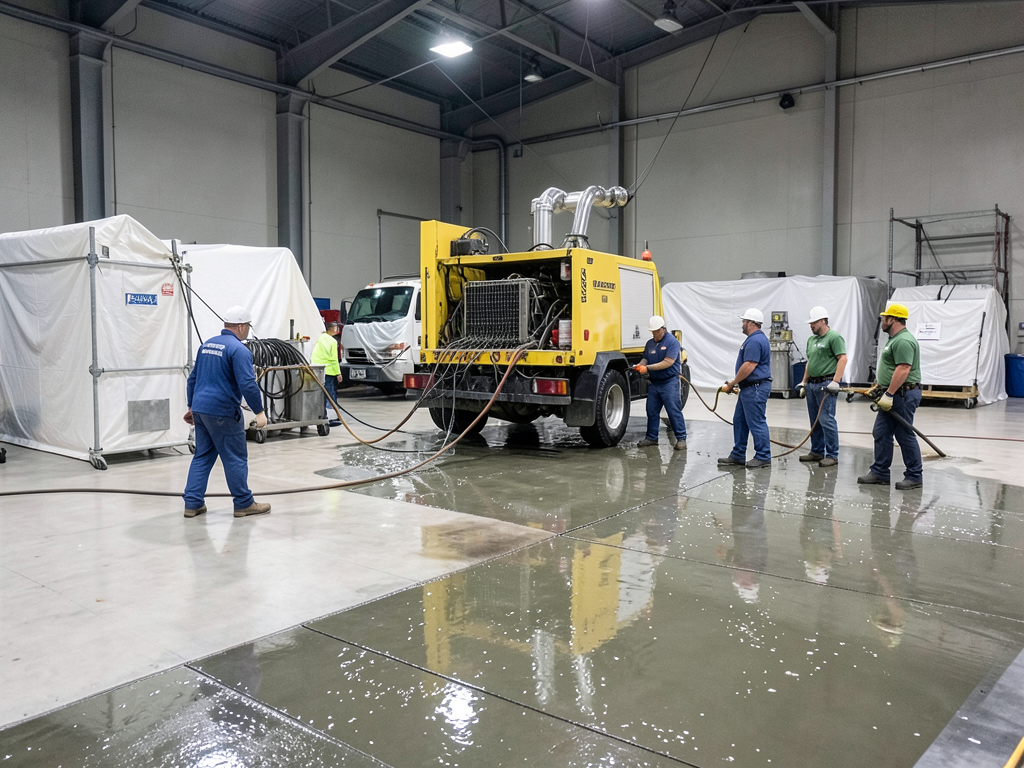
Water Damage Mitigation Strategies for Sound Stages and Production Facilities in Burbank Burbank's entertainment industry…
Removing Yellow Water Stains from the Luxury Marble in Your Beverly Hills Bathroom\n\nYour marble bathroom…
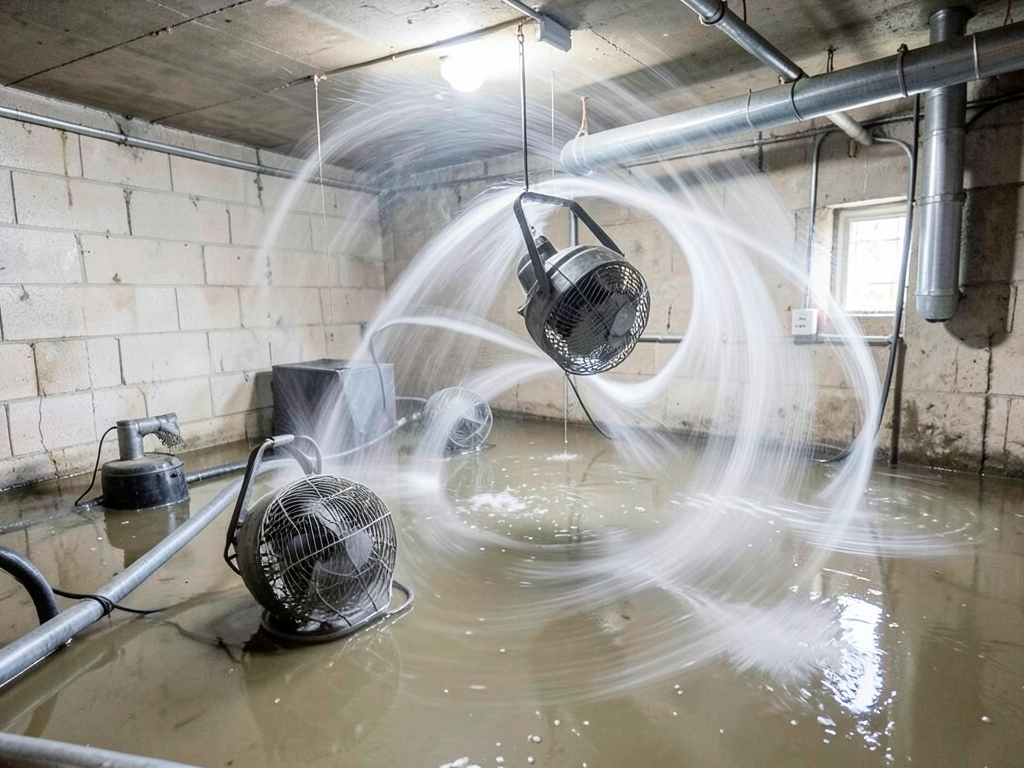
Why Household Fans Are Not Enough to Dry Out a Flooded Basement in Hollywood Hills…
Don't wait while water spreads through your West Hollywood property. Our certified crews dispatch within 60 minutes, 24 hours a day. Call (209) 255-2558 now for immediate emergency water removal and restoration.