


menu

Fire & Smoke Damage Restoration in Los Angeles – Full-Scale Recovery from Structural Drying to Odor Elimination

Fire damage does not stop at what you can see. United Water Damage Restoration Los Angeles handles the structural drying, soot removal, smoke odor neutralization, and water extraction that insurance adjusters demand for full claims approval.

Slider Image 1
Slider Image 2
Slider Image 3
Slider Image 4
Slider Image 5
Slider Image 7
Slider Image 8
Slider Image 9
Slider Image 10
Slider Image 11

Why Fire Damage in Los Angeles Becomes a Water and Air Quality Crisis

Los Angeles fires leave two problems: visible char and invisible water. Firefighting operations dump thousands of gallons into walls, subfloors, and attics. Within 48 hours, that moisture triggers mold growth in the city's warm, dry climate. The same Santa Ana winds that spread wildfires also push smoke particulates deep into HVAC systems, insulation, and porous finishes.

Soot is acidic. It etches glass, corrodes metal fixtures, and bonds to drywall. Residents in neighborhoods like Silver Lake and Highland Park often discover that smoke odor persists months after fire damage repair because cleaning crews missed the particulates embedded in ductwork and behind baseboards. The problem compounds when water used to extinguish flames saturates structural elements, requiring both fire restoration services and water mitigation protocols.

Los Angeles building codes require specific ventilation standards for multi-family units. Post-fire environments violate those standards until air quality testing confirms particulate removal. Smoke damage cleanup involves HEPA filtration, thermal fogging, and hydroxyl generators to break down odor molecules at the molecular level. Fire and smoke mitigation is not cosmetic work. It is structural stabilization paired with air quality restoration. Delaying either process increases the cost and scope of fire cleanup services by allowing secondary damage to take root in framing, insulation, and mechanical systems.

Why Fire Damage in Los Angeles Becomes a Water and Air Quality Crisis
How We Execute Fire and Water Damage Restoration as a Single Operation

How We Execute Fire and Water Damage Restoration as a Single Operation

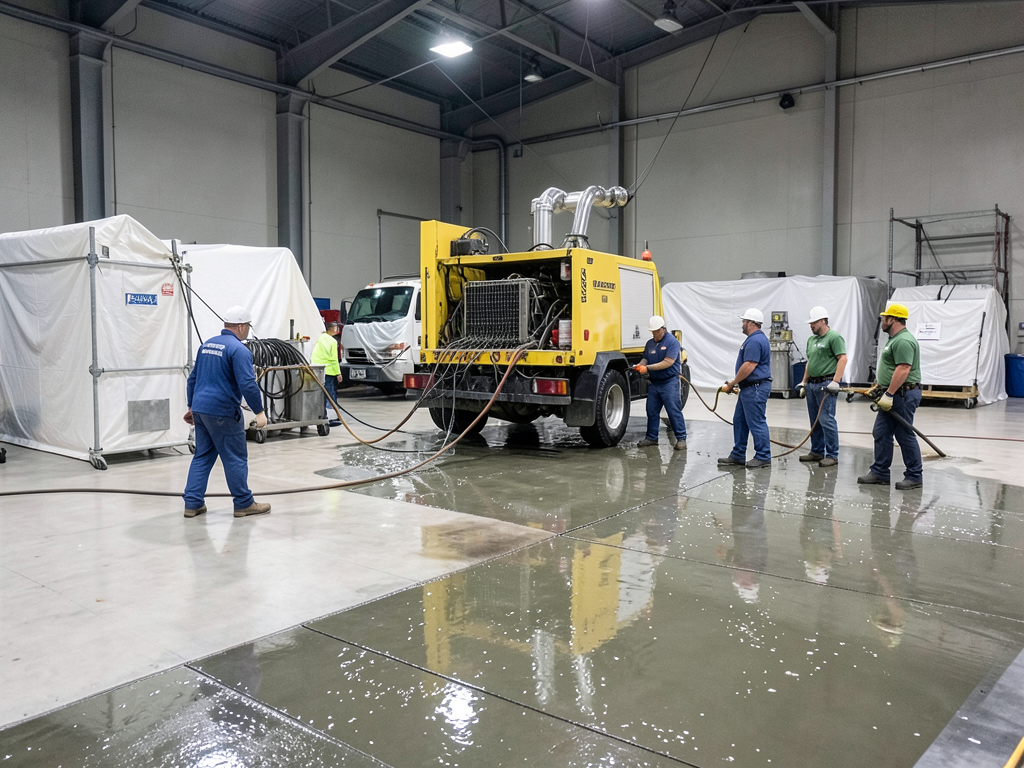
We treat fire damage as a dual-phase crisis: water extraction and smoke remediation. Our crews arrive with truck-mounted extractors, infrared cameras, and moisture meters to map water migration behind walls and under flooring. We document moisture readings at studs, subfloors, and ceiling joists because insurance adjusters require proof of drying before approving reconstruction.

Soot removal starts with dry cleaning methods. Wet cleaning spreads acidic residue and stains porous surfaces. We use chemical sponges to lift loose particulates from walls, then apply alkaline cleaners to neutralize acid. HVAC systems receive dedicated attention. We dismantle ductwork, vacuum interiors, and treat surfaces with antimicrobial coatings to prevent mold colonization in damp conditions.

Smoke odor requires oxidation. We deploy hydroxyl generators that produce free radicals to break down odor molecules without ozone's corrosive effects on electronics and rubber. Thermal fogging reaches voids in walls and attics where smoke particulates settle. We pair this with negative air machines equipped with HEPA and activated carbon filters to scrub airborne contaminants during the drying process.

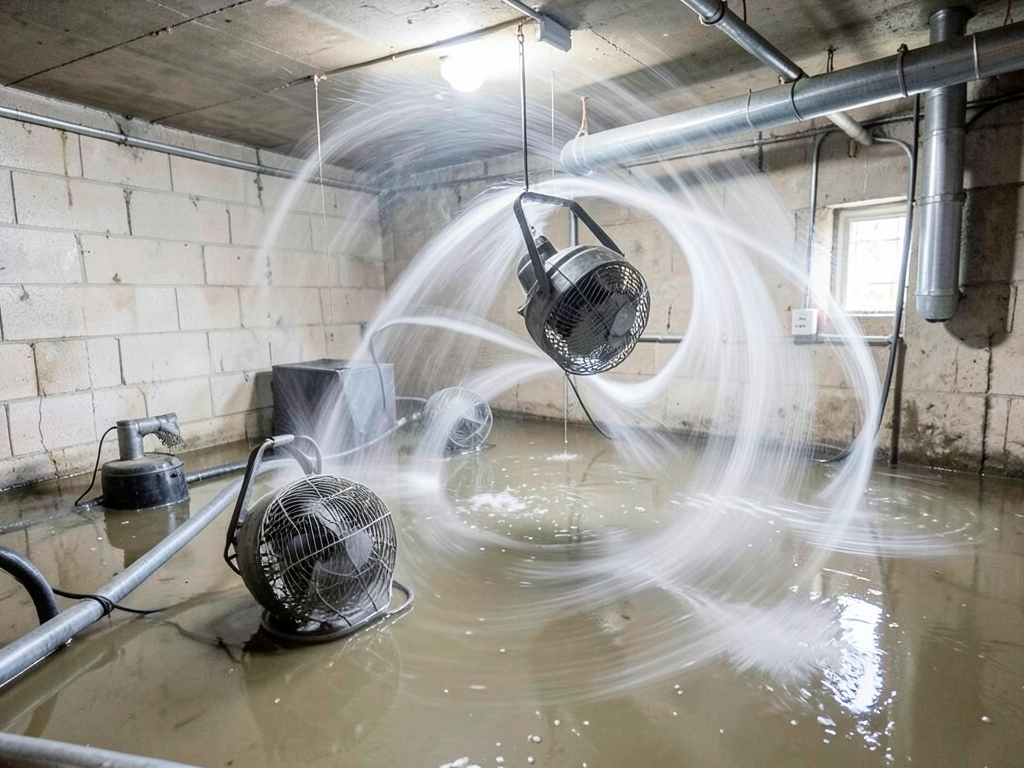
Water damage restoration and fire restoration services overlap in Los Angeles properties because of the volume of water introduced during suppression. We extract standing water, remove wet insulation, and set up desiccant dehumidifiers to pull moisture from structural cavities. This prevents mold while we address soot and smoke residue. The two processes run concurrently to compress timelines and reduce business or residential downtime.

What Happens During Fire and Smoke Damage Restoration in Your Los Angeles Property

Fire & Smoke Damage Restoration in Los Angeles – Full-Scale Recovery from Structural Drying to Odor Elimination
01

Emergency Water Extraction and Assessment

We begin with water removal. Truck-mounted extractors pull standing water from floors and carpets. Infrared cameras map moisture in walls and ceilings to identify hidden saturation. Moisture meters document readings at framing members for insurance documentation. This prevents mold growth while we address soot and smoke damage in subsequent phases of fire damage repair.
02

Soot Removal and Air Scrubbing

Dry sponges lift loose soot from walls and ceilings without spreading residue. We apply alkaline cleaners to neutralize acidic particulates on hard surfaces. HVAC ducts are vacuumed and treated with antimicrobial coatings. Negative air machines with HEPA filters scrub airborne contaminants while desiccant dehumidifiers pull moisture from structural cavities during smoke damage cleanup.
03

Odor Neutralization and Air Quality Testing

Hydroxyl generators oxidize smoke odor molecules in occupied spaces without damaging electronics. Thermal fogging reaches wall voids and attic spaces where particulates settle. We conduct air quality testing to verify particulate levels meet Los Angeles ventilation code requirements. Final moisture readings confirm structural drying before reconstruction begins, completing fire restoration services with documented proof for insurers.

Why Los Angeles Properties Require Local Fire Restoration Expertise

Los Angeles fire damage differs from other regions because of wildfire proximity and urban density. Properties in Brentwood, Encino, and Pacific Palisades face wildfire smoke infiltration even when structures remain intact. Santa Ana wind events push particulates into HVAC systems and attics, requiring specialized filtration and duct cleaning that general contractors overlook.

The city's mixed-use zoning means residential units share walls with commercial spaces. Fire in one unit spreads smoke through shared ventilation and wall cavities. Los Angeles building codes require compartmentalization, but older structures built before current fire codes lack proper barriers. We understand how smoke migrates through these buildings and where to inspect for hidden damage that delays insurance settlements.

United Water Damage Restoration Los Angeles works directly with adjusters who know local fire behavior and water damage patterns. We provide moisture mapping, air quality reports, and photographic documentation that satisfies claim requirements. Our crews know which neighborhoods have clay tile roofs that crack under thermal stress and which have stucco exteriors that trap moisture after firefighting operations. This knowledge prevents disputes over coverage and speeds approvals.

Local expertise also means understanding Los Angeles's permitting process for structural repairs. We coordinate with the Department of Building and Safety for post-fire inspections and provide documentation that meets city standards for reconstruction. This eliminates delays caused by incomplete paperwork or failed inspections. Choosing a fire and smoke mitigation company familiar with local codes and insurance protocols reduces your total recovery time and out-of-pocket expenses.

What to Expect During Fire and Smoke Damage Restoration in Los Angeles

Immediate Dispatch and Emergency Containment

We arrive within 60 minutes of your call to any Los Angeles address. Our crews establish containment barriers to prevent soot migration to unaffected areas, extract standing water, and begin air scrubbing. Emergency board-up services protect properties from weather and unauthorized entry. We provide 24/7 availability because fire damage compounds by the hour. Early intervention reduces the scope of smoke damage cleanup and prevents mold colonization in water-saturated materials. You receive a preliminary assessment and moisture map within the first two hours on site.

Comprehensive Damage Assessment and Insurance Coordination

Our assessment documents every affected surface, moisture reading, and air quality measurement. We photograph char patterns, measure soot depth on walls, and test HVAC systems for particulate contamination. This report goes directly to your insurance adjuster with line-item costs for fire damage repair, water extraction, and smoke odor removal. We attend adjuster meetings to explain findings and advocate for full coverage of necessary work. This eliminates disputes over hidden damage and ensures you receive the settlement required for complete fire restoration services without supplemental out-of-pocket expenses.

Documented Structural Drying and Odor Elimination

We do not rely on surface appearances. Moisture meters track drying progress at studs, subfloors, and ceiling joists. Daily logs document humidity levels and air changes per hour to meet IICRC S500 standards for structural drying. Hydroxyl generators run continuously until air quality testing shows particulate levels below EPA thresholds. You receive a completion certificate with final moisture readings and air quality results. This documentation satisfies lender requirements for occupied properties and provides legal protection if future claims arise from incomplete fire cleanup services performed by others.

Post-Restoration Air Quality Verification and Preventive Measures

After completing smoke damage cleanup, we conduct third-party air quality testing to verify particulate removal. You receive a written report showing VOC levels, particulate counts, and mold spore concentrations. We inspect HVAC filters at 30 and 90 days post-restoration to catch any residual particulates released from hidden voids. This follow-up prevents odor reoccurrence and confirms the effectiveness of fire and smoke mitigation efforts. Properties in wildfire-prone areas receive recommendations for HEPA filtration upgrades and attic ventilation improvements to reduce future smoke infiltration during regional fire events.

Frequently Asked Questions

You Have Questions,
We Have Answers

How much does smoke damage restoration cost? +

Smoke damage restoration costs vary based on fire size, affected materials, and soot type. Minor smoke cleanup in one room might run a few hundred dollars, while whole-home restoration after a kitchen fire can reach several thousand. Los Angeles properties with open floor plans or HVAC systems often see smoke spread quickly, increasing costs. Insurance typically covers most expenses after a fire. Get a professional assessment before attempting DIY cleanup. Restoration companies charge for inspection, soot removal, odor treatment, and content cleaning. The longer smoke residue sits, the more it penetrates surfaces and raises costs.

How to clean up smoke damage after a fire? +

Do not start cleaning until you document all damage for insurance. Wear protective gear including gloves, goggles, and an N95 mask. Ventilate the space by opening windows. Dry soot can be vacuumed with a HEPA filter, but never wipe it, which smears the residue deeper. Use a dry chemical sponge for walls and ceilings. Wash hard surfaces with trisodium phosphate solution. Los Angeles homes with stucco exteriors need professional cleaning to avoid surface damage. HVAC systems must be inspected before use. For anything beyond light smoke film, hire a certified restoration company to prevent permanent staining.

Can a fire-damaged house be repaired? +

Yes, most fire-damaged houses can be repaired, but the extent depends on structural integrity and heat exposure. Wood framing can often be reinforced or replaced. Concrete and steel structures in Los Angeles commercial buildings usually survive better than wood frames. A structural engineer must inspect load-bearing elements before reconstruction begins. Electrical and plumbing systems typically need complete replacement after fire exposure. Smoke and soot penetrate deep into walls, insulation, and subflooring, requiring removal and replacement. Insurance adjusters determine if repair costs exceed replacement value. Professional restoration companies coordinate structural repairs, smoke remediation, and content restoration simultaneously to accelerate your return home.

Can you just paint over smoke damage? +

No. Painting over smoke damage traps odors and stains that will bleed through within weeks. Soot contains acidic compounds that continue deteriorating surfaces underneath paint. You must first clean all residue with specialized solutions, then seal surfaces with a stain-blocking primer designed for smoke damage. Standard primers fail against smoke penetration. Los Angeles homes with textured walls or popcorn ceilings often require complete surface removal because smoke embeds in the texture. Skipping proper prep wastes money on paint that will fail. Professional restoration includes thorough cleaning, sealing, and repainting as separate steps. Shortcuts guarantee recurring problems and lingering odors.

Will insurance cover smoke damage? +

Most homeowners insurance policies cover smoke damage from sudden, accidental fires. This includes structural repairs, content cleaning, and temporary housing during restoration. Document everything with photos before cleanup starts. Your policy may exclude damage from intentional acts, neglect, or certain fire types. Los Angeles residents should review earthquake endorsements, as fires following seismic events have special provisions. Insurance covers professional restoration, not DIY supplies. Deductibles apply, and coverage limits vary by policy. File your claim immediately and keep all receipts. Restoration companies work directly with adjusters to streamline the process and maximize your covered benefits.

What is the most expensive thing to repair on a house? +

Foundation repairs rank among the most expensive home repairs, often exceeding tens of thousands of dollars. Los Angeles sits on varied soil types, from stable bedrock in hillside areas to expansive clay in valleys, which shifts and cracks foundations. After fires, however, structural framing replacement, complete electrical rewiring, and HVAC system replacement compete for top costs. Fire damage often requires multiple expensive repairs simultaneously. Smoke remediation throughout a home adds significant labor costs because every surface needs treatment. Custom millwork, hardwood flooring, and tile replacement escalate expenses. The combination of structural, mechanical, and finish work makes comprehensive fire restoration one of the costliest home repair scenarios.

What to throw away after smoke damage in house? +

Discard all food, medicine, cosmetics, and anything porous that contacted smoke. This includes mattresses, upholstered furniture, carpeting, and clothing with heavy soot. Baby items, including bottles and toys, should be replaced. HVAC filters require immediate disposal. Los Angeles residents should bag contaminated items in heavy plastic before removal to prevent spreading residue. Paperwork and photos can often be professionally restored unless heavily charred. Hard surfaces like glass, metal, and sealed wood furniture can usually be cleaned and saved. Electronics need professional evaluation because internal components may have corrosion. When unsure, consult your restoration company before discarding valuable items.

What is the 30/30/30 rule for fire? +

The 30/30/30 rule states fires need three elements: 30 percent fuel, 30 percent oxygen, and 30 percent heat. Remove any element and combustion stops. This principle guides fire suppression tactics and prevention strategies. Firefighters cut fuel sources, reduce oxygen by closing doors, or cool temperatures below ignition points. For Los Angeles homeowners, this means storing flammables properly, maintaining clear defensible space around properties, and ensuring adequate ventilation to prevent combustible gas buildup. Understanding this rule helps you recognize fire hazards. During restoration, professionals assess what burned, why it spread, and how to prevent recurrence through proper repairs and safety upgrades.

What does Servpro use to remove smoke smell? +

Professional restoration companies use hydroxyl generators, thermal foggers, and ozone machines to neutralize smoke odor at the molecular level. These tools break down odor-causing particles embedded in porous materials. Technicians also apply specialized enzyme cleaners and sealants that encapsulate remaining residue. The specific method depends on fire type, affected materials, and odor intensity. Los Angeles properties with central air systems require duct cleaning and sanitizing to eliminate circulating smoke particles. Surface cleaning alone fails because odors penetrate wall cavities, insulation, and subflooring. Complete odor removal combines mechanical air scrubbing, chemical treatment, and thermal sealing. Professional equipment outperforms consumer products like vinegar or baking soda.

What is salvageable from a house fire? +

Hard, non-porous items like metal, glass, ceramics, and solid wood furniture are often salvageable with professional cleaning. Electronics need evaluation by specialists who can clean internal components. Documents and photos can be freeze-dried and restored. Jewelry and valuables survive most fires. Los Angeles residents should prioritize family heirlooms and irreplaceable items for professional restoration. Discard porous materials like upholstery, mattresses, and carpeting exposed to heavy smoke. Clothing can sometimes be cleaned using specialized processes. Structural elements like framing, drywall, and insulation typically need replacement. Restoration companies assess each item individually, balancing cleaning costs against replacement value and sentimental worth.

How Los Angeles Wildfire Smoke and Water Volume Complicate Fire Damage Recovery

Los Angeles sits in a wildfire corridor. Santa Ana winds carry smoke from regional fires into urban neighborhoods, depositing particulates in attics and HVAC systems even when structures remain untouched by flames. This creates a unique restoration challenge. Properties require smoke damage cleanup without traditional fire damage repair. The city's warm, dry climate also means firefighting operations introduce sudden moisture into structures designed for low humidity. Stucco exteriors trap water, and clay tile roofs crack under thermal stress, allowing water intrusion that standard fire restoration services in humid climates do not address.

Los Angeles building codes require specific ventilation and fire separation standards for multi-family and mixed-use properties. Our crews understand how shared walls and ductwork spread smoke between units and how to contain contamination during fire cleanup services. We work with local adjusters who expect detailed moisture mapping and air quality reports that meet city inspection standards. Choosing a restoration company familiar with Los Angeles Department of Building and Safety permitting processes prevents delays and failed inspections that extend displacement and increase costs for property owners and tenants.
Water Damage Restoration Services in The Los Angeles Area

United Water Damage Restoration Los Angeles is proud to service the entire Los Angeles area and surrounding communities. View our central location on the map to see our strategic positioning, which enables us to provide our guaranteed rapid response times across the region. If you need immediate assistance, please do not drive to our office; instead, call our 24/7 emergency hotline, and our fully-equipped team will be dispatched directly to your property without delay.

Address:
United Water Damage Restoration Los Angeles, 5800 S Eastern Ave, Los Angeles, CA, 90040

Additional Services We Offer

Our news updates

Latest Articles & News from The Blogs

What to Do When Your Wilmington Water Heater Floods Your Laundry Room A leaking water heater can release 40 to…

What to Do When Your Wilmington Water Heater Floods Your Laundry Room

What to Do When Your Wilmington Water Heater Floods Your Laundry Room A leaking water heater can release 40 to…

Getting Your West Hills Home Ready for the Los Angeles Rainy Season

Getting Your West Hills Home Ready for the Los Angeles Rainy Season The Santa Susana Mountains loom over West Hills…

Common Plumbing Problems in Miracle Mile Older Condo Buildings

Common Plumbing Problems in Miracle Mile Older Condo Buildings Miracle Mile’s charming historic condo buildings come with unique plumbing challenges…

Contact Us

Fire damage spreads by the hour. Call United Water Damage Restoration Los Angeles at (209) 255-2558 for immediate dispatch. We provide 24/7 emergency response, insurance coordination, and complete fire restoration services across Los Angeles County. Contact us now to stop secondary damage.