




menu

Water Stains on Drywall in Los Angeles – Expert Diagnosis and Permanent Repair Before Hidden Mold Spreads

Our certified water damage specialists identify the moisture source behind brown water spots on walls, yellow stains on drywall, and ceiling discoloration, then execute complete repairs that prevent recurring damage and protect your property value.

Slider Image 1
Slider Image 2
Slider Image 3
Slider Image 4
Slider Image 5
Slider Image 7
Slider Image 8
Slider Image 9
Slider Image 10
Slider Image 11

Why Water Stains Appear on Los Angeles Drywall and What They Really Mean

You notice a brown water spot spreading across your living room ceiling. Or maybe yellow stains on drywall have appeared near a bathroom wall. Wet patches on plasterboard show up after a rainstorm. These moisture discoloration marks on sheetrock are not cosmetic issues. They are warning signals.

Los Angeles faces unique water intrusion risks. The region's aging housing stock, built before modern waterproofing standards, creates vulnerability points. Many homes in neighborhoods like Silver Lake, Echo Park, and Highland Park feature original plaster and lath construction from the 1920s and 1930s. These older systems absorb moisture differently than modern drywall. When winter rains hit between November and March, poorly maintained roofs and outdated flashing allow water to migrate through wall cavities.

The problem compounds in multi-story buildings. Water travels downward through structural channels. A roof leak on the third floor can create water marks on ceiling surfaces two floors below. By the time you see visible staining, moisture has already saturated insulation, framing, and hidden cavities.

Los Angeles building codes require proper moisture barriers, but many older properties were grandfathered in. Combined with the area's occasional heavy rain events and aging infrastructure, properties across the Los Angeles metro face ongoing moisture intrusion risks.

Ignoring brown water spots on walls leads to three problems. First, the moisture source continues damaging structural materials. Second, mold colonization begins within 48 hours of water exposure. Third, cosmetic fixes without addressing the source guarantee the stains return within months.

The discoloration you see represents the final stage of a hidden water problem that started days or weeks earlier.

Why Water Stains Appear on Los Angeles Drywall and What They Really Mean
How We Find and Fix the Real Problem Behind Water Stains

How We Find and Fix the Real Problem Behind Water Stains

Surface repairs fail because they ignore the moisture source. Paint and spackle cover symptoms. We eliminate causes.

Our diagnostic protocol starts with thermal imaging cameras that detect temperature differentials in wall assemblies. Moisture creates cooler surface temperatures. We map the thermal signature to trace water migration paths through your structure. This technology reveals hidden saturation behind finished surfaces without demolition.

We use penetrating moisture meters calibrated for different substrate densities. Drywall, plaster, and wood framing each require different measurement approaches. We take readings at multiple depths to understand how far moisture has penetrated. A surface reading of 18 percent moisture content in drywall indicates active water intrusion. Readings above 20 percent signal structural risk.

Once we identify the source, whether failed roof flashing, compromised plumbing, or inadequate vapor barriers, we document the full extent of affected materials. We remove damaged drywall sections, not just stained areas. If moisture has wicked into wall cavities, we extract wet insulation and treat framing with antimicrobial solutions.

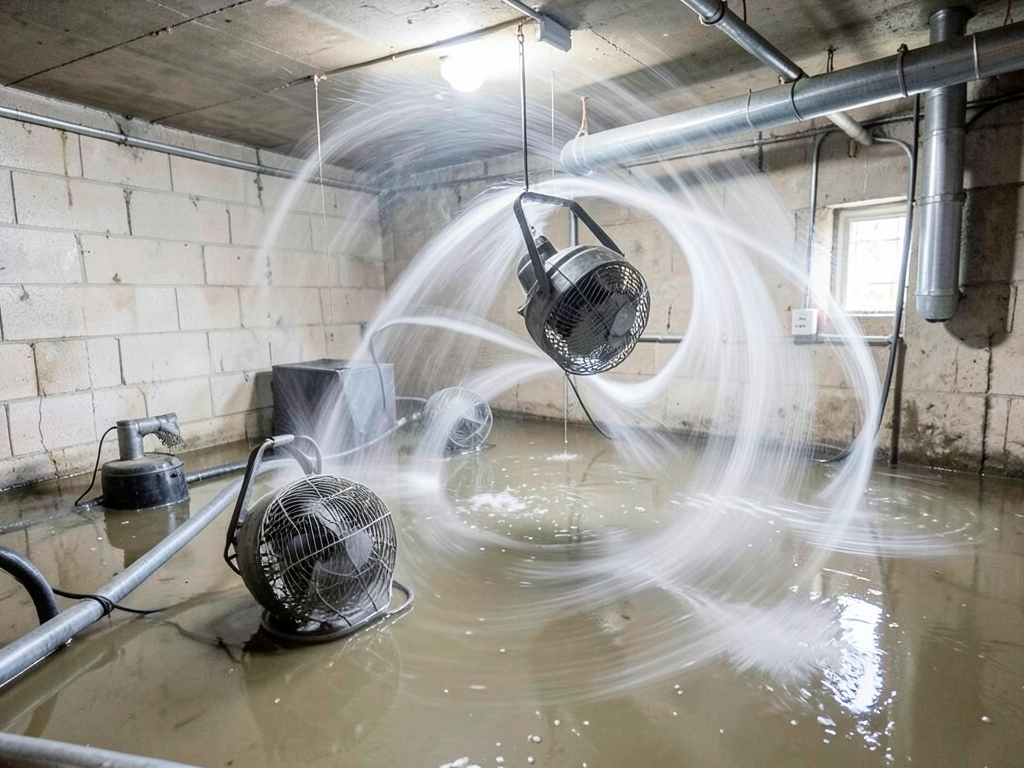
Our drying protocol uses commercial dehumidifiers and air movers positioned based on psychrometric calculations. We are not guessing about airflow. We create negative pressure environments that pull moisture from structural cavities. We monitor humidity levels and material moisture content daily until readings return to normal ranges.

After complete drying, we replace materials with moisture-resistant products appropriate for the location. Bathrooms get mold-resistant drywall. Areas prone to condensation receive proper vapor barriers. We match existing textures and finishes so repairs blend invisibly.

The difference between our approach and a handyman with spackle determines whether your water stains disappear permanently or return next season.

What Happens During Your Water Stain Investigation and Repair

Water Stains on Drywall in Los Angeles – Expert Diagnosis and Permanent Repair Before Hidden Mold Spreads
01

Moisture Source Detection

We arrive with thermal imaging and moisture detection equipment to map the full extent of water intrusion. Our technicians inspect attic spaces, crawl areas, and adjacent rooms to trace moisture paths. We identify whether your stains originate from roof leaks, plumbing failures, or condensation issues. You receive documentation showing moisture readings and thermal images that pinpoint the exact problem location before any demolition begins.
02

Controlled Demolition and Drying

We remove only affected materials, creating clean access to moisture sources while minimizing disruption. Wet insulation and compromised drywall get extracted. We position commercial drying equipment based on airflow calculations specific to your room dimensions and moisture levels. Our team monitors drying progress with daily moisture readings, adjusting equipment placement until all materials reach safe moisture content levels below 15 percent.
03

Restoration and Protection

After complete drying verification, we install moisture-resistant materials appropriate for each location. We apply antimicrobial treatments to framing before closing walls. New drywall receives proper taping, texture matching, and paint that blends seamlessly with existing finishes. We provide documentation of moisture readings, materials used, and source repairs completed. You receive guidance on preventing future water intrusion specific to the problem we corrected.

Why Los Angeles Property Owners Choose United Water Damage Restoration Los Angeles

Water damage restoration in Los Angeles requires understanding how this region's construction methods and climate patterns create specific vulnerabilities. We have worked in hundreds of properties across the greater Los Angeles metro, from historic Craftsman bungalows in Pasadena to modern apartments in Downtown LA.

Los Angeles building codes have evolved significantly over decades. Properties built before 1960 often lack vapor barriers. Homes constructed during the 1970s and 1980s building boom may have inadequate roof drainage systems. We recognize these era-specific construction details because we encounter them daily. When we open your walls, we know what to expect based on your building's age and location.

Our team maintains relationships with local building inspectors. We understand Los Angeles Department of Building and Safety requirements for structural repairs. If your water damage requires permits for extensive drywall replacement or framing repairs, we handle documentation and inspection scheduling. We know which repairs trigger permit requirements and which fall under maintenance exemptions.

We carry full liability coverage and workers compensation insurance. You receive certificate of insurance documentation before work begins. This protects you from liability if accidents occur during restoration work.

Our equipment inventory includes commercial-grade extraction tools, structural drying systems, and air scrubbers. We are not renting equipment or using residential-grade tools. Our truck stock includes moisture-resistant drywall, antimicrobial treatments, and HEPA filtration systems. When we arrive, we have everything needed to complete your restoration without delays.

We work directly with insurance adjusters. If you are filing a claim, we provide detailed documentation, moisture readings, and scope of work reports formatted for insurance review. We explain coverage limitations and help you understand what your policy covers versus out-of-pocket expenses.

Choosing a water damage company means trusting someone with access to your property and the expertise to prevent future problems. We focus on diagnostic accuracy and complete repairs, not the fastest cosmetic fix.

What to Expect When You Call United Water Damage Restoration Los Angeles

Same-Day Response Availability

Water damage worsens by the hour. We dispatch technicians to Los Angeles properties within hours of your call, not days. Our team arrives with diagnostic equipment ready to assess your situation immediately. We provide same-day moisture mapping and source identification so you understand the scope of work required. For active leaks creating ongoing damage, we perform emergency water extraction and temporary containment to stop further intrusion while we plan comprehensive repairs.

Complete Diagnostic Assessment

You receive a thorough inspection that goes beyond visible staining. We use thermal imaging to detect hidden moisture in wall cavities, ceilings, and floor assemblies. Our moisture meters measure saturation levels in different materials. We document findings with photographs and written reports that explain what we found, why it happened, and what repairs are necessary. You get clear explanations of the work required, not vague estimates. We identify whether you need simple drywall replacement or extensive structural drying.

Invisible Repair Quality

Our restoration work blends seamlessly with your existing finishes. We match drywall textures, whether smooth, orange peel, or knockdown. Our painters color-match existing wall tones so repairs disappear. We do not leave visible seams, uneven textures, or paint mismatches. The goal is making the damage look like it never happened. You should not be able to identify where repairs occurred once we finish. Our teams include skilled finishers who take pride in invisible repair work.

Documented Completion and Prevention

We provide final moisture readings confirming all materials have returned to safe levels. You receive documentation showing the work completed, materials installed, and antimicrobial treatments applied. We explain what caused your water intrusion and provide specific recommendations to prevent recurrence. If your stains resulted from a roof issue, we advise on flashing repairs. If plumbing caused the damage, we recommend pipe inspections. You get actionable information, not generic maintenance advice.

Frequently Asked Questions

You Have Questions,
We Have Answers

How do you get water stains out of drywall? +

Start by identifying and fixing the source. Once dry, lightly sand the stained area to smooth any texture damage. Apply a stain-blocking primer like Kilz or Zinsser BIN to seal the discoloration. This step is critical in Los Angeles homes with older plaster substrates common in neighborhoods like Silver Lake or Echo Park. Without primer, tannins bleed through fresh paint. After the primer dries, apply two coats of matching interior paint. If the stain persists or drywall feels soft, you need professional assessment. Water damage often hides structural issues behind the surface.

How to tell if water is leaking behind drywall? +

Look for discoloration, bulging, or soft spots on your drywall. Peeling paint or bubbling texture signals trapped moisture. You might notice a musty odor, especially in poorly ventilated Los Angeles bathrooms or kitchens. Feel the wall for dampness or temperature differences. Baseboards may warp or separate. In older LA homes built before 1970, galvanized pipes corrode and leak inside walls without visible exterior signs. Use a moisture meter to confirm suspicions. If you detect these symptoms, stop the leak immediately. Hidden water spreads fast through wall cavities, leading to mold growth and framing rot.

Are water stains permanent on walls? +

Water stains are not permanent if you treat them correctly. The brown or yellow discoloration comes from minerals, rust, or organic material in the water. In Los Angeles, hard water compounds this issue. Surface stains wash off or prime over easily. The real problem is what the stain represents. If moisture penetrated deep into the drywall core or reached the paper backing, the material stays compromised even after drying. You can hide the stain with primer and paint, but structural integrity may be lost. Always check for soft spots. Stains reappear if you skip proper sealing steps.

Can I paint over water stained drywall? +

Do not paint directly over water stains. The discoloration will bleed through standard latex paint within days. You must use a stain-blocking primer first. Choose oil-based or shellac-based products for maximum coverage. These primers seal tannins and prevent bleed-through. In Los Angeles, where humidity fluctuates seasonally, skipping this step guarantees failure. Apply primer only after the drywall is completely dry. Use a moisture meter to confirm readings below 12 percent. If the stain feels damp or soft, replace the section instead. Painting over compromised drywall traps moisture and creates mold hazards inside your wall cavity.

Is drywall ruined once it gets wet? +

Not always. Drywall survives minor exposure if you dry it within 24 to 48 hours. The paper facing absorbs water quickly, but the gypsum core resists short-term moisture. Once saturation reaches the core or water sits longer than two days, replacement is necessary. In Los Angeles, low humidity helps drying, but summer heat can accelerate mold growth. If drywall feels spongy, crumbles when pressed, or shows visible mold, it is ruined. Category 2 or 3 water contamination always requires removal regardless of drying time. Clean water from supply lines offers the best chance of salvage with fast action.

How to get rid of brown water stains on walls? +

Brown stains indicate rust, tannins, or contaminated water. First, fix the leak source. Let the area dry completely for 48 to 72 hours. In Los Angeles, use fans and dehumidifiers to speed drying. Lightly sand the stained surface. Apply two coats of stain-blocking primer designed for water damage. Oil-based primers work best for heavy brown discoloration. After priming, repaint with quality interior paint. If the stain persists through primer, the drywall is too saturated and needs replacement. Brown stains from old leaks may have mold behind them. Always inspect the wall cavity before sealing the surface.

How long can drywall be wet before mold? +

Mold can start growing on wet drywall within 24 to 48 hours. In Los Angeles, indoor conditions vary by neighborhood. Humid coastal areas like Santa Monica or Venice accelerate growth compared to drier inland zones. Once spores colonize the paper backing, they spread into wall cavities and insulation. Temperature matters too. Mold thrives between 60 and 80 degrees, common in LA year-round. The type of water also affects timelines. Contaminated water introduces bacteria that speed up degradation. If drywall stays wet beyond 48 hours, assume mold risk is high. Professional drying equipment is critical for fast moisture removal.

Can plumbers detect leaks behind walls? +

Yes. Professional plumbers use specialized tools to locate hidden leaks without demolition. Infrared thermal cameras detect temperature variations caused by water. Acoustic listening devices amplify the sound of water escaping pressurized pipes. Moisture meters measure dampness levels inside walls. In Los Angeles, where many homes have stucco exteriors and complex plumbing runs, these tools save time and money. A skilled plumber can pinpoint leaks in slab foundations, behind tile, or inside wall cavities. This diagnostic approach prevents unnecessary drywall removal. Leak detection typically costs less than repairing damage from prolonged undetected water intrusion.

Does home insurance cover leak detection? +

Most standard homeowners policies in California do not cover leak detection as a standalone service. Insurance typically covers damage caused by a sudden, accidental leak but excludes gradual issues or maintenance-related failures. If a pipe bursts and floods your home, the resulting water damage and necessary repairs are covered. The cost of finding the leak itself usually falls on you. Some policies offer optional endorsements for leak detection technology or equipment. Always review your declarations page. In Los Angeles, where home values are high, understanding coverage limits for water damage is critical before problems occur.

Why do I have water marks on my walls but no leak? +

Water marks without an active leak suggest a past issue or condensation problem. In Los Angeles, older homes with single-pane windows or poor insulation develop condensation on interior walls during rare humid weather or marine layer mornings. Roof leaks may only appear during storms, leaving stains that dry between rains. Plumbing leaks can be intermittent, occurring only when specific fixtures run. HVAC condensation lines clog and overflow sporadically. Check attic spaces for old roof penetrations. Inspect behind cabinets and appliances. Even resolved leaks leave permanent stains until you prime and repaint the affected drywall surface.

How Los Angeles Winter Rains and Aging Housing Stock Create Recurring Drywall Water Damage

Los Angeles receives 85 percent of annual rainfall between November and March. These concentrated rain events overwhelm aging drainage systems and expose roof vulnerabilities. Many properties in neighborhoods like Hollywood, Koreatown, and Mid-Wilshire feature flat or low-slope roofs with deteriorating membrane systems. When intense rainfall occurs, water ponds on roof surfaces and finds entry points through compromised flashing or aging tar systems. The water migrates into attic spaces and saturates ceiling drywall, creating the brown water spots and yellow stains homeowners discover weeks after storms pass. The region's extended dry periods between rain events mask these vulnerabilities until the next wet season exposes them again.

United Water Damage Restoration Los Angeles has worked throughout the greater Los Angeles metro for years, giving us detailed knowledge of how different neighborhoods and construction eras respond to moisture intrusion. We understand that properties in areas like Eagle Rock and Highland Park built during the 1920s require different restoration approaches than 1970s construction in the San Fernando Valley. Our familiarity with local building department requirements and inspection processes ensures your repairs meet code standards. When Los Angeles residents face water stains on drywall, they need restoration professionals who understand both modern building science and the quirks of historic construction methods common throughout this region.

Water Damage Restoration Services in The Los Angeles Area

United Water Damage Restoration Los Angeles is proud to service the entire Los Angeles area and surrounding communities. View our central location on the map to see our strategic positioning, which enables us to provide our guaranteed rapid response times across the region. If you need immediate assistance, please do not drive to our office; instead, call our 24/7 emergency hotline, and our fully-equipped team will be dispatched directly to your property without delay.

Address:
United Water Damage Restoration Los Angeles, 5800 S Eastern Ave, Los Angeles, CA, 90040

Additional Services We Offer

Our news updates

Latest Articles & News from The Blogs

What to Do When Your Wilmington Water Heater Floods Your Laundry Room A leaking water heater can release 40 to…

What to Do When Your Wilmington Water Heater Floods Your Laundry Room

What to Do When Your Wilmington Water Heater Floods Your Laundry Room A leaking water heater can release 40 to…

Getting Your West Hills Home Ready for the Los Angeles Rainy Season

Getting Your West Hills Home Ready for the Los Angeles Rainy Season The Santa Susana Mountains loom over West Hills…

Common Plumbing Problems in Miracle Mile Older Condo Buildings

Common Plumbing Problems in Miracle Mile Older Condo Buildings Miracle Mile’s charming historic condo buildings come with unique plumbing challenges…

Contact Us

Water stains spread and mold grows while you wait. Call United Water Damage Restoration Los Angeles now at (209) 255-2558 for same-day assessment. We identify moisture sources other companies miss and execute repairs that eliminate recurring damage.