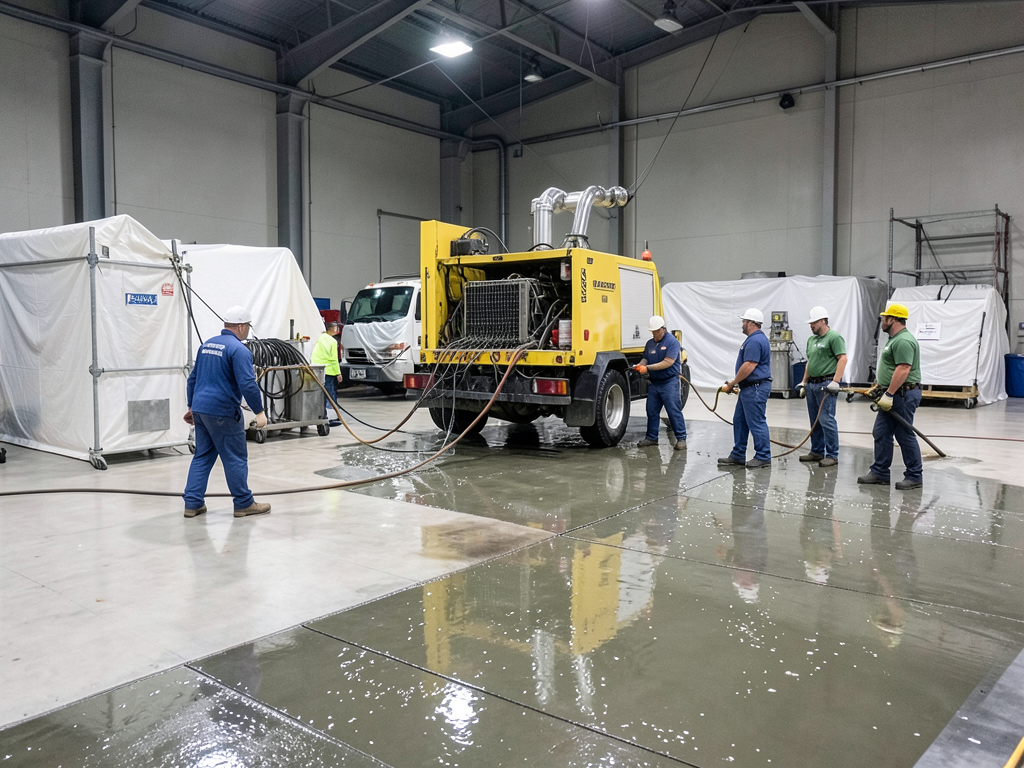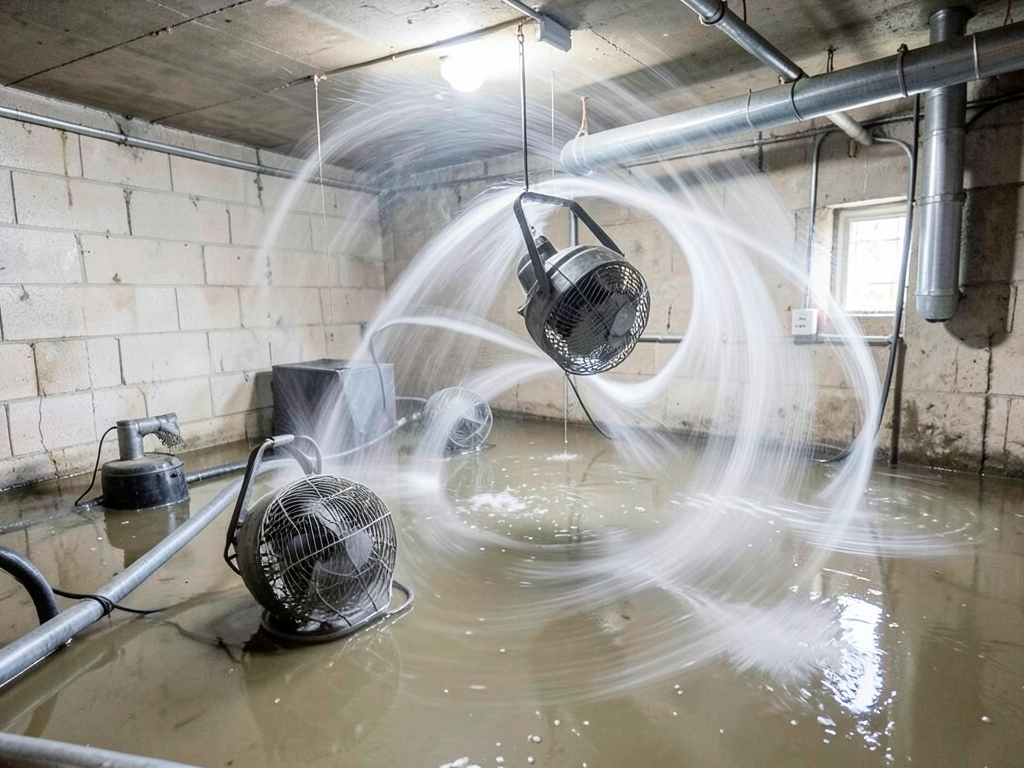







Los Angeles maintains over 6,700 miles of sewer lines, with more than half installed before 1970. These Orangeburg and clay pipes deteriorate over time, developing cracks that allow tree roots to penetrate. The city's signature trees, including ficus and eucalyptus, have aggressive root systems that seek moisture inside sewer lines. When roots create blockages, sewage flows backward into the lowest drains in your property. Many neighborhoods across Silver Lake, Echo Park, and Highland Park experience chronic backup problems during winter rains when the city's combined sewer system reaches capacity. Emergency sewage cleanup becomes necessary when overwhelmed infrastructure pushes contaminated water into homes and businesses.
Proper sewage backup cleanup in Los Angeles requires understanding local health department regulations and disposal requirements. Los Angeles County Department of Public Health enforces strict protocols for category 3 water contamination. Companies performing raw sewage remediation must transport waste to approved facilities and maintain documentation proving proper disposal. United Water Damage Restoration Los Angeles operates under these regulations, carrying the permits and insurance coverage required for biohazard work in Los Angeles County. We know which materials can be cleaned and which must be disposed of according to local codes. This local expertise protects you from future liability and ensures your property meets county health standards after emergency sewage removal.