


Commerce sits in the Los Angeles Basin where old infrastructure meets modern industrial demands. The area's aging commercial buildings and residential properties face constant pressure from outdated plumbing systems installed decades ago. Many structures in Commerce were built during the mid-century industrial boom, meaning galvanized pipes are reaching the end of their lifespan and failing without warning.
The shallow water table throughout Commerce creates additional challenges during heavy rainfall. Storm systems pushing in from the Pacific can overwhelm aging storm drains along the Los Angeles River corridor, causing backup flooding in lower elevation areas near Washington Boulevard and Atlantic Avenue. Properties near the historic Commerce industrial district face particular risk because concrete surfaces prevent proper drainage absorption.
Summer heat causes soil contraction around foundation slabs, creating gaps where water can penetrate during winter rains. The temperature swings between 95-degree summers and wet 50-degree winters stress building materials. Air conditioning condensation lines clog frequently in the dusty conditions created by nearby rail yards and truck traffic. Commerce's position as a major logistics hub means warehouses run cooling systems constantly, creating conditions for hidden water accumulation in walls and ceilings. When water damage happens here, it spreads quickly through connected commercial spaces.
United Water Damage Restoration Los Angeles has served Commerce properties for years, building expertise in the unique challenges facing this industrial and residential community. We understand that Commerce operates on tight schedules. Warehouses can't afford extended downtime, and residential tenants need immediate solutions. Our rapid response protocol gets crews on site within one hour of your call, any time of day or night.
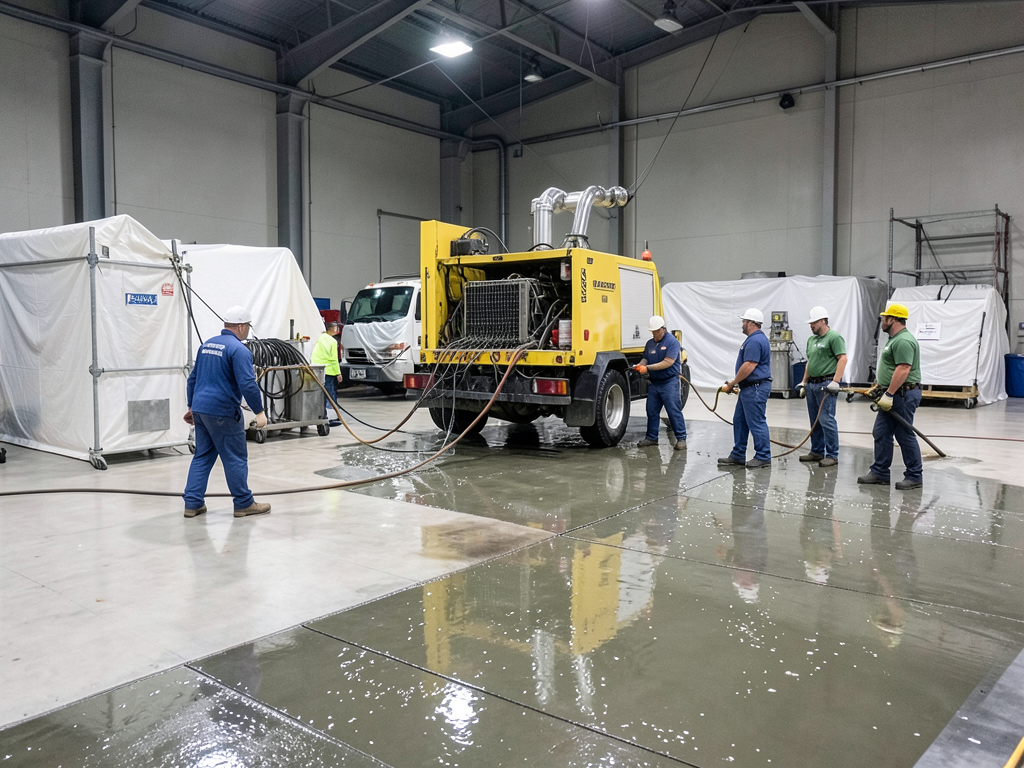
We maintain commercial-grade water extraction equipment specifically for the large-scale jobs common in Commerce's warehouse district. Our truck-mounted extractors can handle thousands of gallons, which matters when a main line bursts in a 50,000 square foot facility. For residential customers, we bring the same professional equipment scaled appropriately for homes and apartments throughout the city's neighborhoods.
Our technicians receive ongoing training in the latest water damage mitigation techniques and hold IICRC certifications. We don't just remove water. We prevent secondary damage by monitoring moisture levels in walls, subfloors, and structural materials using thermal imaging and moisture meters. This prevents mold growth that can start within 24-48 hours in Commerce's climate.
We handle insurance documentation as part of our service. Our team photographs damage, documents the scope of work, and communicates directly with adjusters. Most Commerce property owners get faster claim approvals because we provide the detailed documentation insurance companies require. You get one point of contact instead of managing multiple contractors and paperwork yourself.

We dispatch crews within 60 minutes across all Commerce locations, 24/7/365. Our rapid response stops water from spreading into walls, floors, and unaffected areas. Speed determines how much of your property we can save. Every hour of delay means exponentially more damage and higher restoration costs.

We own truck-mounted extractors, industrial dehumidifiers, and air movers built for Commerce's commercial properties. Our equipment handles everything from small residential leaks to warehouse flooding. We don't rent equipment or delay jobs waiting for delivery. Everything needed arrives on our first truck.
Every technician on our crews holds current IICRC water damage restoration certification. They follow proven protocols for extraction, drying, and moisture monitoring. Certified technicians know how to prevent secondary damage and mold growth. Insurance companies trust IICRC certification, which helps your claim approval process.
We handle all insurance documentation and communicate directly with adjusters on your behalf. Our detailed damage reports, moisture readings, and photo documentation speed up claim approvals. Commerce property owners work with one company instead of managing contractors, adjusters, and paperwork separately during an already stressful situation.
Water emergencies require different responses depending on the source, contamination level, and affected materials. United Water Damage Restoration Los Angeles provides the full spectrum of water damage remediation services for Commerce residential and commercial properties. We handle everything from clean water pipe bursts to contaminated sewage backups.
Our service approach separates into three distinct categories based on urgency and contamination. Emergency water removal addresses active flooding and stops damage progression. Structural drying prevents long-term damage to building materials and hidden mold growth. Contaminated water cleanup handles sewage and gray water situations requiring specialized safety protocols.
Each service category uses specific equipment and follows different safety procedures. Clean water extraction moves quickly to remove standing water and dry materials. Structural drying involves monitoring moisture levels over several days to ensure complete dryness. Contaminated water cleanup requires protective equipment and antimicrobial treatment. Commerce property owners need all three services available from one company because water emergencies often involve multiple damage categories as situations develop.
When water is actively flooding your property, emergency extraction stops the damage from spreading. Our crews arrive with truck-mounted extractors that remove thousands of gallons quickly. We extract water from carpets, pad, and flooring, then remove soaked materials that can't be saved. Industrial air movers and dehumidifiers start the drying process immediately. This service addresses burst pipes, appliance failures, and storm flooding where speed determines how much property you keep versus replace.
Visible water disappears quickly, but moisture trapped inside walls, subfloors, and framing causes long-term damage. Our structural drying service uses thermal imaging to find hidden moisture, then positions commercial dehumidifiers and air movers to dry materials completely. We monitor moisture levels daily with pin and pinless meters, adjusting equipment until readings confirm total dryness. This prevents mold growth, wood rot, and structural weakness that develop when materials stay damp.
Sewage backups and gray water from washing machines or dishwashers contain bacteria and pathogens requiring specialized cleanup. Our crews wear protective equipment and follow strict safety protocols during contaminated water removal. We dispose of unsalvageable porous materials properly, then clean and disinfect all affected surfaces with EPA-registered antimicrobial solutions. This service protects your health and prevents contamination from spreading to clean areas of your property.
Commerce property owners face predictable water damage scenarios tied to the area's infrastructure age and climate patterns. Understanding these common problems helps you recognize warning signs before small issues become expensive emergencies. Many Commerce buildings date to the 1950s and 1960s, when construction standards and materials differed significantly from today's codes.
The combination of old plumbing systems, heavy industrial use, and seasonal weather patterns creates regular water damage calls throughout Commerce. Warehouse properties face different challenges than residential buildings, but both deal with aging infrastructure reaching failure points. Knowing what problems occur most frequently in Commerce helps you monitor vulnerable areas and respond quickly when problems start. Most major water damage begins as minor issues that property owners overlook until failure becomes catastrophic.
Many Commerce buildings still have original galvanized pipe that corrodes from the inside. You don't see the rust until a pipe bursts suddenly, flooding rooms with hundreds of gallons. Galvanized pipe typically fails after 40-50 years. If your building dates before 1980 and hasn't been repiped, expect failures. Watch for declining water pressure or rust-colored water as warning signs.
Commerce's storm drains overflow during heavy Pacific storms, pushing water back into buildings at low elevations. Properties near Washington Boulevard and along the Los Angeles River corridor flood regularly when storm systems dump several inches in short periods. The concrete coverage throughout industrial areas prevents absorption, forcing all runoff into aging drainage systems. Basement and ground-floor spaces get hit hardest.
Warehouse and commercial buildings run cooling systems year-round, creating constant condensation that drains through small pipes. These lines clog with dust and debris from truck traffic and rail yards, backing water into ceiling spaces. You don't know there's a problem until water stains appear on ceilings or drips onto inventory. Regular line cleaning prevents most failures, but many property managers overlook this maintenance.
Apartment buildings and commercial properties with 40-50 gallon water heaters face catastrophic flooding when tanks fail. Tanks typically last 8-12 years before corrosion causes bottom failure, dumping the entire contents instantly. One failed water heater can flood multiple units or business spaces. Buildings with original equipment from the 1990s should replace tanks proactively before failure occurs.
Water emergencies create panic. You need to know exactly what happens when you call for help. United Water Damage Restoration Los Angeles follows a proven response protocol that stops damage immediately while keeping you informed throughout the process. Our goal is to remove uncertainty during an already stressful situation.
From your first phone call through final cleanup, we maintain clear communication and set realistic expectations. You speak with an actual technician, not an answering service. We explain what our crew will do, how long each phase takes, and what you need to do to help the process. Most Commerce property owners have never dealt with serious water damage before. We walk you through each step so you know what's happening and why it matters.
Our process prioritizes damage mitigation first, then moves into thorough drying and monitoring. We don't leave until moisture readings confirm your property is completely dry. You receive documentation of all work performed, moisture readings at each phase, and photos showing damage extent for insurance purposes.
When you call, a technician asks specific questions about your water damage situation. We need to know the water source, how much area is affected, and how long water has been present. This information determines which equipment we load and how many crew members respond. While you're still on the phone, we're dispatching the nearest available crew. You get an accurate arrival time, typically within 60 minutes for Commerce locations. We also provide guidance on what to do while waiting, like shutting off water sources or moving valuables from affected areas.
Our crew arrives with all necessary extraction and drying equipment already loaded. We assess the full damage extent using moisture meters and thermal imaging to find hidden water in walls and subfloors. You receive a verbal explanation of what we found and what needs to happen. We begin water extraction immediately, removing standing water first, then targeting soaked carpets, pad, and materials. Air movers and dehumidifiers start running to begin the drying process. If materials need removal, we explain why and get your approval before proceeding.
Drying takes 3-5 days on average depending on materials affected and damage extent. We return daily to take moisture readings and adjust equipment placement. You receive updates on drying progress with actual meter readings showing moisture levels dropping. We don't remove equipment until readings confirm materials have returned to normal dry standards. You get a final report with before and after moisture readings, photos documenting all work, and a detailed scope of services performed for your insurance claim.
We follow a systematic approach that stops damage immediately, dries structures completely, and prevents secondary problems. This three-phase process ensures nothing gets missed.
We extract all standing water using truck-mounted pumps and portable extractors. Carpets get extracted in place if salvageable, or removed if replacement is necessary. We remove soaked pad, damaged drywall, and unsalvageable materials to prevent mold growth. Standing water must be removed within 24 hours to prevent permanent damage. Our industrial extractors remove thousands of gallons quickly, stopping water from spreading into walls and unaffected spaces. This phase typically takes 2-4 hours depending on damage extent.
After visible water removal, we position commercial dehumidifiers and air movers to dry remaining moisture from materials. We use thermal imaging to identify hidden moisture in wall cavities and subfloors. Moisture meters provide baseline readings, which we track daily as materials dry. Equipment runs continuously, with crews returning daily to take new readings and adjust air mover positions. This phase takes 3-5 days for most residential damage, longer for commercial properties or severe flooding.
We don't stop monitoring until moisture readings confirm materials have returned to normal dry standards. Final readings get documented and compared to initial measurements. You receive a complete report with moisture readings from each day, photos showing the full extent of damage and completed work, and detailed notes for insurance claims. We remove all equipment once drying is verified complete. Your property is ready for any necessary reconstruction work.
Professional water damage restoration follows strict protocols established by the Institute of Inspection Cleaning and Restoration Certification. These standards define how we classify water contamination, assess damage severity, and determine appropriate remediation procedures. Understanding these classifications helps Commerce property owners know what to expect during restoration.
Water damage separates into three categories based on contamination level. Category 1 is clean water from supply lines, broken pipes, or rainwater that hasn't contacted contaminated surfaces. Category 2 is gray water containing some contamination, like water from washing machines, dishwashers, or toilet bowls without solid waste. Category 3 is black water containing dangerous pathogens from sewage backups, flooding from rivers or streams, or any water that has sat stagnant for several days developing bacterial growth.
Each category requires different safety protocols and disposal procedures. Category 1 water can often be extracted with materials dried in place. Category 2 requires antimicrobial treatment of affected surfaces. Category 3 demands removal and disposal of all porous materials that contacted the water, with thorough disinfection of remaining surfaces.
IICRC standards also classify damage by the amount of absorption into materials. Class 1 affects only part of a room with minimal absorption into materials. Class 2 affects an entire room with significant absorption into walls and flooring. Class 3 involves water coming from overhead, saturating walls, ceilings, insulation, and subfloors. Class 4 describes specialty drying situations involving materials with very low permeability like hardwood, plaster, or concrete that require extended drying time and specialized techniques.
Commerce properties often involve Class 3 or Class 4 situations because of concrete slab construction and the severity of pipe failures in older buildings. A burst main line doesn't just wet the floor. It saturates drywall several feet up the walls, soaks insulation in cavities, and penetrates deeply into concrete. These situations require industrial dehumidification running continuously for a week or more, with daily monitoring to track moisture reduction.
We follow IICRC S500 standards for all water damage mitigation work. This document establishes moisture goals for different materials, required equipment capacities, and verification procedures. Insurance companies expect IICRC protocols to be followed, which is why we document moisture readings daily and maintain detailed logs of all work performed.
Clean water from supply lines requires standard extraction and drying procedures. Gray water from appliances needs antimicrobial surface treatment after drying. Black water from sewage or flooding requires complete removal of all porous materials and aggressive disinfection of hard surfaces. Each category escalates safety requirements and disposal procedures to protect occupant health.
Minor water damage affecting one room with surface absorption dries in 2-3 days with basic equipment. Severe damage saturating walls, ceilings, and insulation requires a week or more with commercial dehumidifiers running continuously. Specialty materials like hardwood floors or plaster walls need extended drying times. Equipment capacity must match the moisture load, which is why we bring commercial-grade units.
Materials must reach specific moisture content levels before drying is complete. Wood framing should measure below 15 percent moisture. Drywall should read below 1 percent on moisture meters. Concrete slabs need readings below 4 percent. We take readings in multiple locations daily, tracking the drying curve until all materials hit target levels. Stopping equipment too early allows mold growth and rot.
IICRC S500 standards establish the procedures, equipment requirements, and verification methods for proper water damage restoration. Certified technicians understand contamination categories, damage classes, and drying science. Insurance companies require IICRC protocols to be followed for claim approval. Our documentation shows we followed established standards throughout your restoration project.
Professional water damage restoration demonstration showing emergency response procedures for Commerce, California properties. Covers water extraction techniques, structural drying protocols, moisture monitoring procedures, and IICRC standards for water damage mitigation. Explains the differences between water contamination categories and damage classifications. Shows commercial equipment used for large-scale water removal and dehumidification in residential and commercial buildings throughout Commerce and southeast Los Angeles County.
United Water Damage Restoration Los Angeles maintains rapid response capability throughout Commerce and neighboring communities in southeast Los Angeles County. Our service area covers the entire Commerce city limits, from the residential neighborhoods near Garfield Avenue to the industrial properties along the Union Pacific rail corridor. We respond to calls throughout the commercial district near Commerce Casino Boulevard, where mixed-use properties face unique water damage challenges from aging infrastructure serving both retail and warehouse spaces.
Properties in the Bandini area deal with different water problems than homes near Eastside Golf Course. The Bandini industrial zone sees frequent issues with roof leaks in older warehouse structures and condensation problems from constant HVAC operation. Residential areas closer to Telegraph Road and Garfield Avenue face more typical household water damage from failed water heaters, burst supply lines, and appliance leaks. Both areas benefit from our commercial-grade equipment fleet and rapid response times.
We serve properties along all major Commerce corridors including Washington Boulevard, Atlantic Avenue, and Slauson Avenue. Buildings near the Metrolink Commerce Station often call us for storm-related flooding when heavy rains overwhelm the area's drainage capacity. The Los Angeles River runs along Commerce's eastern border, and properties in this corridor face elevated flood risk during severe weather events. Our crews understand the topography and drainage patterns throughout Commerce, which helps us respond appropriately to each location's specific vulnerabilities.
Beyond Commerce proper, we maintain the same rapid response capability in adjacent communities including East Los Angeles, Bell, Vernon, Montebello, and Monterey Park. Many Commerce business owners have properties in multiple southeast Los Angeles locations. We provide consistent service quality across your entire portfolio. A warehouse manager dealing with water damage at a Commerce facility and a second location in Vernon works with the same crew and gets the same professional response at both sites.
Our Commerce service extends to both commercial and residential customers. We handle everything from single-family homes to apartment complexes, retail spaces to industrial warehouses. The same 60-minute response time applies whether you're calling from a residence near Goodrich Boulevard or a warehouse near Vail Avenue. We position equipment strategically throughout southeast Los Angeles to ensure no location waits extended periods for emergency response.
Water damage restoration costs in Commerce vary based on the extent of damage, water category, and affected square footage. Minor incidents like a single-room leak might run a few hundred dollars, while extensive flooding affecting multiple rooms costs significantly more. Factors include water extraction, drying equipment runtime, structural drying, antimicrobial treatment, and reconstruction needs. Your insurance policy often covers sudden incidents like burst pipes or appliance failures. Get a detailed inspection and estimate before work begins. Commerce properties with older plumbing or those near the San Gabriel River face unique risks that affect pricing.
Yes, professional water damage restoration is worth it for Commerce homeowners. Water penetrates building materials quickly, causing hidden structural damage, mold growth within 24 to 48 hours, and electrical hazards. DIY methods miss moisture trapped in walls, subfloors, and insulation. Professional restoration prevents secondary damage that costs far more than initial cleanup. You protect your property value and avoid health risks from mold exposure. Insurance companies require documented professional mitigation to honor claims. Given Commerce's humidity levels and older housing stock in certain neighborhoods, professional intervention prevents long-term problems that devalue your investment.
SERVPRO franchise locations may offer financing options, but terms vary by individual franchise owner. You need to contact the specific Commerce or surrounding area SERVPRO location directly to discuss payment plans or financing availability. Many restoration companies work with third-party financing providers or accept credit cards. Some offer payment arrangements while insurance claims process. Ask about financing during your initial consultation. Always compare terms and ensure you understand interest rates and repayment schedules. Get multiple estimates from local Commerce restoration companies to evaluate both service quality and payment flexibility that fits your budget.
Water damage restoration costs in Commerce vary based on the extent of damage, water category, and affected square footage. Minor incidents like a single-room leak might run a few hundred dollars, while extensive flooding affecting multiple rooms costs significantly more. Factors include water extraction, drying equipment runtime, structural drying, antimicrobial treatment, and reconstruction needs. Your insurance policy often covers sudden incidents like burst pipes or appliance failures. Get a detailed inspection and estimate before work begins. Commerce properties with older plumbing or those near the San Gabriel River face unique risks that affect pricing.
Yes, professional water damage restoration is worth it for Commerce homeowners. Water penetrates building materials quickly, causing hidden structural damage, mold growth within 24 to 48 hours, and electrical hazards. DIY methods miss moisture trapped in walls, subfloors, and insulation. Professional restoration prevents secondary damage that costs far more than initial cleanup. You protect your property value and avoid health risks from mold exposure. Insurance companies require documented professional mitigation to honor claims. Given Commerce's humidity levels and older housing stock in certain neighborhoods, professional intervention prevents long-term problems that devalue your investment.
SERVPRO franchise locations may offer financing options, but terms vary by individual franchise owner. You need to contact the specific Commerce or surrounding area SERVPRO location directly to discuss payment plans or financing availability. Many restoration companies work with third-party financing providers or accept credit cards. Some offer payment arrangements while insurance claims process. Ask about financing during your initial consultation. Always compare terms and ensure you understand interest rates and repayment schedules. Get multiple estimates from local Commerce restoration companies to evaluate both service quality and payment flexibility that fits your budget.
Water damage restoration includes emergency water extraction, structural drying, humidity control, antimicrobial treatment, content pack-out if needed, odor removal, and reconstruction services. Technicians assess the damage category, remove standing water using pumps and vacuums, place air movers and dehumidifiers, monitor moisture levels daily, treat affected materials to prevent mold, and document everything for insurance. Commerce properties may require special attention to foundation issues or older plumbing systems. The process includes thermal imaging to detect hidden moisture, removing damaged drywall or flooring, and restoring your property to pre-loss condition. Complete restoration addresses both visible and hidden damage.
Insurance typically covers water damage restoration if the cause is sudden and accidental, like burst pipes, appliance malfunctions, or roof leaks from storm damage. Policies exclude gradual damage from poor maintenance or flooding from external sources unless you carry separate flood insurance. Commerce homeowners near the San Gabriel River should verify flood coverage. Your policy dictates coverage limits, deductibles, and excluded perils. File claims immediately, document all damage with photos, and keep receipts. Most restoration companies in Commerce work directly with insurance adjusters and handle claims paperwork, making the process easier while you focus on recovery.
SERVPRO response times and project duration vary by franchise location and job complexity. Many advertise 24-hour emergency response, but actual arrival depends on technician availability and current workload. Simple water extraction might take hours, while complete structural drying requires three to five days of equipment runtime. Complex jobs involving reconstruction take weeks. Commerce residents should confirm specific response commitments with their local franchise before hiring. Drying timelines depend on water category, affected materials, humidity levels, and airflow. Always get written timelines and project milestones. Compare response guarantees from multiple Commerce restoration companies before choosing.
The average water damage insurance claim ranges from several thousand to tens of thousands of dollars, depending on damage severity and affected square footage. Minor leaks average lower, while extensive flooding or burst pipe damage costs significantly more. Commerce homeowners face claims influenced by property age, plumbing condition, and proximity to waterways. Claims include water extraction, equipment costs, structural repairs, content restoration, and temporary housing if needed. Your actual claim depends on your policy limits, deductible, and coverage exclusions. Document everything thoroughly. Work with your adjuster and restoration company to ensure accurate damage assessment and fair settlement.
Mold begins growing within 24 to 48 hours after water exposure in favorable conditions. Commerce's climate provides humidity and warmth that accelerate mold development. Porous materials like drywall, insulation, and carpet absorb moisture quickly, creating ideal conditions for spores. Visible mold appears within days, but hidden growth starts immediately behind walls or under flooring. Speed matters. Professional water extraction and structural drying within the first 24 hours prevents mold colonization. Once established, mold requires separate remediation beyond standard water restoration. Act fast to avoid compounding damage and health risks from airborne spores.
Call a water restoration company immediately when you discover standing water, ceiling leaks, burst pipes, appliance failures, sewage backups, or storm damage. Do not wait. In Commerce, where older homes and proximity to the San Gabriel River increase risk, quick response prevents structural damage and mold growth. Call professionals for water you cannot extract yourself within hours, when electrical systems are affected, for Category 2 or 3 water exposure, or when insurance documentation matters. If you see ceiling stains, warped floors, or smell musty odors, hidden damage exists. Emergency situations require 24-hour response capabilities.
SERVPRO offers nationwide brand recognition, 24-hour availability, insurance industry relationships, and standardized training. They handle large loss events and maintain established protocols. Cons include franchise variability in quality, pricing, and customer service since each location operates independently. Some Commerce residents report impersonal service or prioritization of larger commercial jobs. Response times vary by location workload. You may pay premium pricing for the brand name. Compare local Commerce restoration companies that offer personalized service, competitive pricing, and equivalent certifications. Evaluate actual technician experience, customer reviews, and response guarantees rather than brand alone.
Water damage restoration includes emergency water extraction, structural drying, humidity control, antimicrobial treatment, content pack-out if needed, odor removal, and reconstruction services. Technicians assess the damage category, remove standing water using pumps and vacuums, place air movers and dehumidifiers, monitor moisture levels daily, treat affected materials to prevent mold, and document everything for insurance. Commerce properties may require special attention to foundation issues or older plumbing systems. The process includes thermal imaging to detect hidden moisture, removing damaged drywall or flooring, and restoring your property to pre-loss condition. Complete restoration addresses both visible and hidden damage.
Insurance typically covers water damage restoration if the cause is sudden and accidental, like burst pipes, appliance malfunctions, or roof leaks from storm damage. Policies exclude gradual damage from poor maintenance or flooding from external sources unless you carry separate flood insurance. Commerce homeowners near the San Gabriel River should verify flood coverage. Your policy dictates coverage limits, deductibles, and excluded perils. File claims immediately, document all damage with photos, and keep receipts. Most restoration companies in Commerce work directly with insurance adjusters and handle claims paperwork, making the process easier while you focus on recovery.
SERVPRO response times and project duration vary by franchise location and job complexity. Many advertise 24-hour emergency response, but actual arrival depends on technician availability and current workload. Simple water extraction might take hours, while complete structural drying requires three to five days of equipment runtime. Complex jobs involving reconstruction take weeks. Commerce residents should confirm specific response commitments with their local franchise before hiring. Drying timelines depend on water category, affected materials, humidity levels, and airflow. Always get written timelines and project milestones. Compare response guarantees from multiple Commerce restoration companies before choosing.
The average water damage insurance claim ranges from several thousand to tens of thousands of dollars, depending on damage severity and affected square footage. Minor leaks average lower, while extensive flooding or burst pipe damage costs significantly more. Commerce homeowners face claims influenced by property age, plumbing condition, and proximity to waterways. Claims include water extraction, equipment costs, structural repairs, content restoration, and temporary housing if needed. Your actual claim depends on your policy limits, deductible, and coverage exclusions. Document everything thoroughly. Work with your adjuster and restoration company to ensure accurate damage assessment and fair settlement.
Mold begins growing within 24 to 48 hours after water exposure in favorable conditions. Commerce's climate provides humidity and warmth that accelerate mold development. Porous materials like drywall, insulation, and carpet absorb moisture quickly, creating ideal conditions for spores. Visible mold appears within days, but hidden growth starts immediately behind walls or under flooring. Speed matters. Professional water extraction and structural drying within the first 24 hours prevents mold colonization. Once established, mold requires separate remediation beyond standard water restoration. Act fast to avoid compounding damage and health risks from airborne spores.
Call a water restoration company immediately when you discover standing water, ceiling leaks, burst pipes, appliance failures, sewage backups, or storm damage. Do not wait. In Commerce, where older homes and proximity to the San Gabriel River increase risk, quick response prevents structural damage and mold growth. Call professionals for water you cannot extract yourself within hours, when electrical systems are affected, for Category 2 or 3 water exposure, or when insurance documentation matters. If you see ceiling stains, warped floors, or smell musty odors, hidden damage exists. Emergency situations require 24-hour response capabilities.
SERVPRO offers nationwide brand recognition, 24-hour availability, insurance industry relationships, and standardized training. They handle large loss events and maintain established protocols. Cons include franchise variability in quality, pricing, and customer service since each location operates independently. Some Commerce residents report impersonal service or prioritization of larger commercial jobs. Response times vary by location workload. You may pay premium pricing for the brand name. Compare local Commerce restoration companies that offer personalized service, competitive pricing, and equivalent certifications. Evaluate actual technician experience, customer reviews, and response guarantees rather than brand alone.
United Water Damage Restoration Los Angeles is proud to service the entire Los Angeles area and surrounding communities. View our central location on the map to see our strategic positioning, which enables us to provide our guaranteed rapid response times across the region. If you need immediate assistance, please do not drive to our office; instead, call our 24/7 emergency hotline, and our fully-equipped team will be dispatched directly to your property without delay.
Address:
Commerce, CA, 90040

Restoring a Flooded Medical Clinic in Century City Without Compromising Patient Privacy or Sterile Zones When water floods a medical clinic in Century City the stakes go far beyond wet carpets. Patient records must stay…
Water Damage Mitigation Strategies for Sound Stages and Production Facilities in Burbank Burbank's entertainment industry…
Removing Yellow Water Stains from the Luxury Marble in Your Beverly Hills Bathroom\n\nYour marble bathroom…
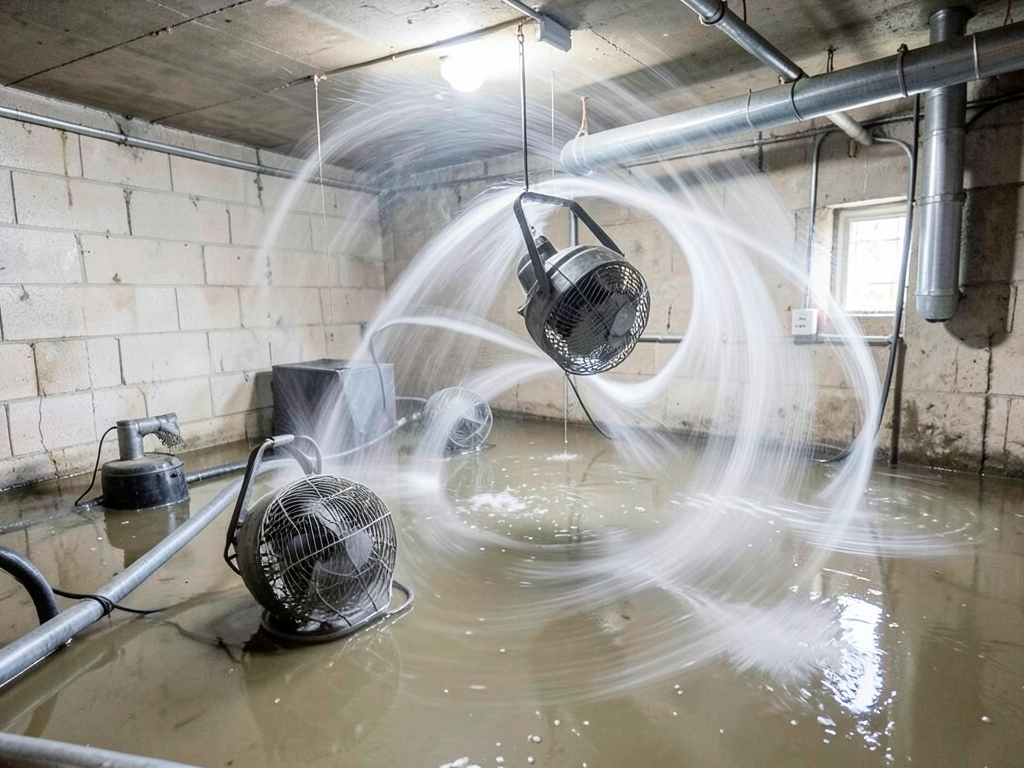
Why Household Fans Are Not Enough to Dry Out a Flooded Basement in Hollywood Hills…
Every minute of delay means more damage and higher costs. Our crews are standing by 24/7 to respond to your Commerce property within 60 minutes. Call United Water Damage Restoration Los Angeles now at (209) 255-2558 for immediate emergency service.