


menu

Business Interruption Mitigation in Los Angeles – Industrial-Grade Water Damage Response That Keeps Your Operations Running

When water damage threatens your Los Angeles facility, every minute offline costs revenue. Our commercial water damage restoration protocol prioritizes business continuity restoration, deploying scaled response teams and equipment to minimize business downtime across manufacturing, retail, hospitality, and office environments.

Slider Image 1
Slider Image 2
Slider Image 3
Slider Image 4
Slider Image 5
Slider Image 7
Slider Image 8
Slider Image 9
Slider Image 10
Slider Image 11

Why Los Angeles Commercial Properties Face Severe Operational Disruption From Water Events

Los Angeles's aging commercial infrastructure, combined with the region's seismic activity and increasingly unpredictable winter storm patterns, creates unique vulnerabilities for business facilities. A burst pipe in a downtown high-rise, storm surge flooding in a San Pedro warehouse, or a failed HVAC condensate system in a Century City office can halt operations immediately.

The financial impact extends far beyond physical repairs. For retail locations along Melrose or Third Street Promenade, every closed day means lost foot traffic and abandoned customers. Manufacturing facilities in Vernon or Commerce face contract penalties and supply chain disruption. Hotels in West Hollywood and Beverly Hills deal with displaced guests and damaged reputation. Healthcare facilities in Koreatown must maintain sterile environments while managing water intrusion.

Los Angeles's dense commercial corridors compound the problem. A water event in one tenant space can cascade through entire multi-tenant buildings. The city's strict building codes and mandatory seismic retrofitting requirements mean restoration work often triggers additional compliance obligations, extending downtime if not managed correctly.

Traditional restoration approaches treat every job as residential-scale. That fails for commercial operations. You need teams that understand reducing operational downtime requires different equipment, different scheduling, and different priorities. A restaurant in Silver Lake needs kitchen equipment operational before dining room aesthetics. A data center in El Segundo requires immediate dehumidification before any cosmetic work begins.

Mitigating commercial downtime starts with understanding that your business cannot simply pause for three weeks while contractors work normal hours. United Water Damage Restoration Los Angeles structures response around your revenue cycles, not our convenience.

Why Los Angeles Commercial Properties Face Severe Operational Disruption From Water Events
The Commercial Water Damage Protocol That Prioritizes Revenue Protection

The Commercial Water Damage Protocol That Prioritizes Revenue Protection

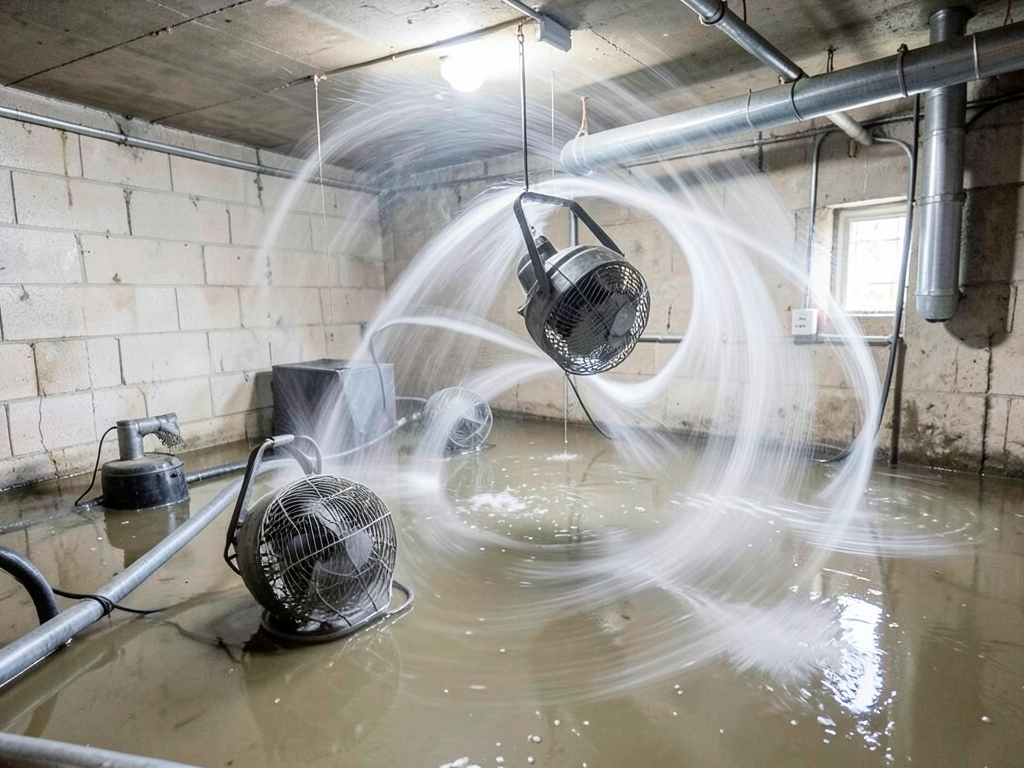
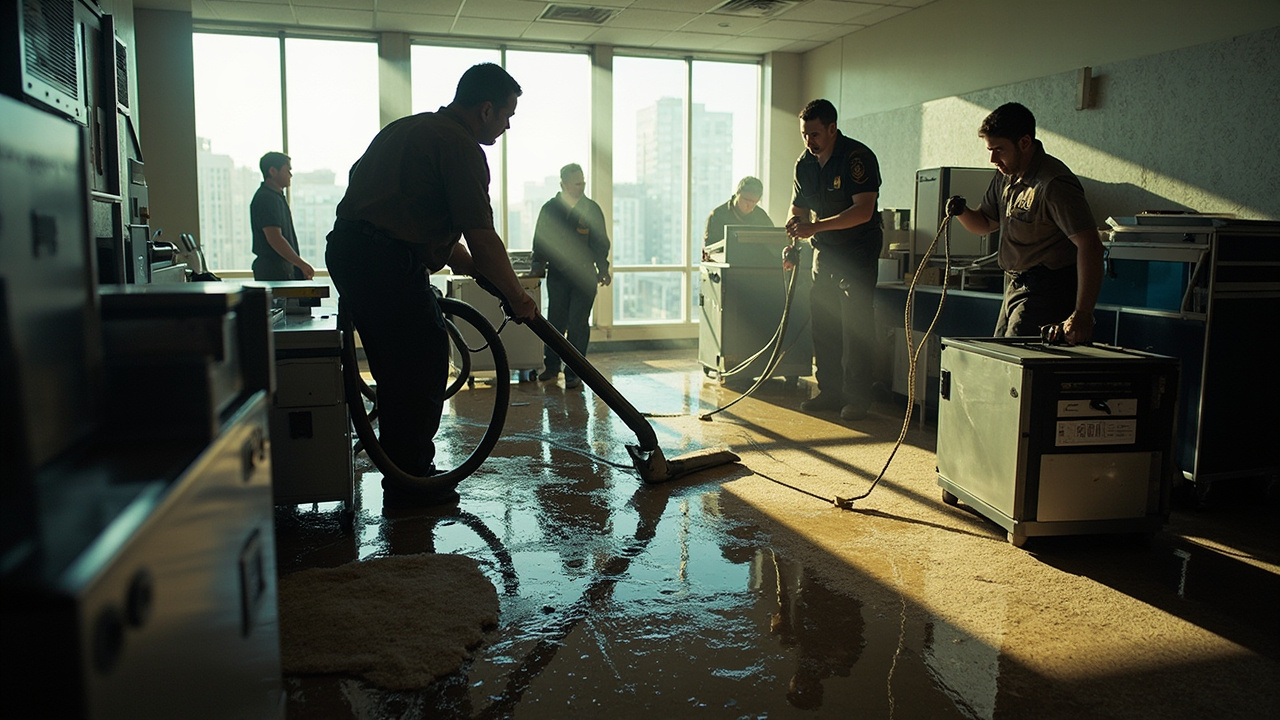
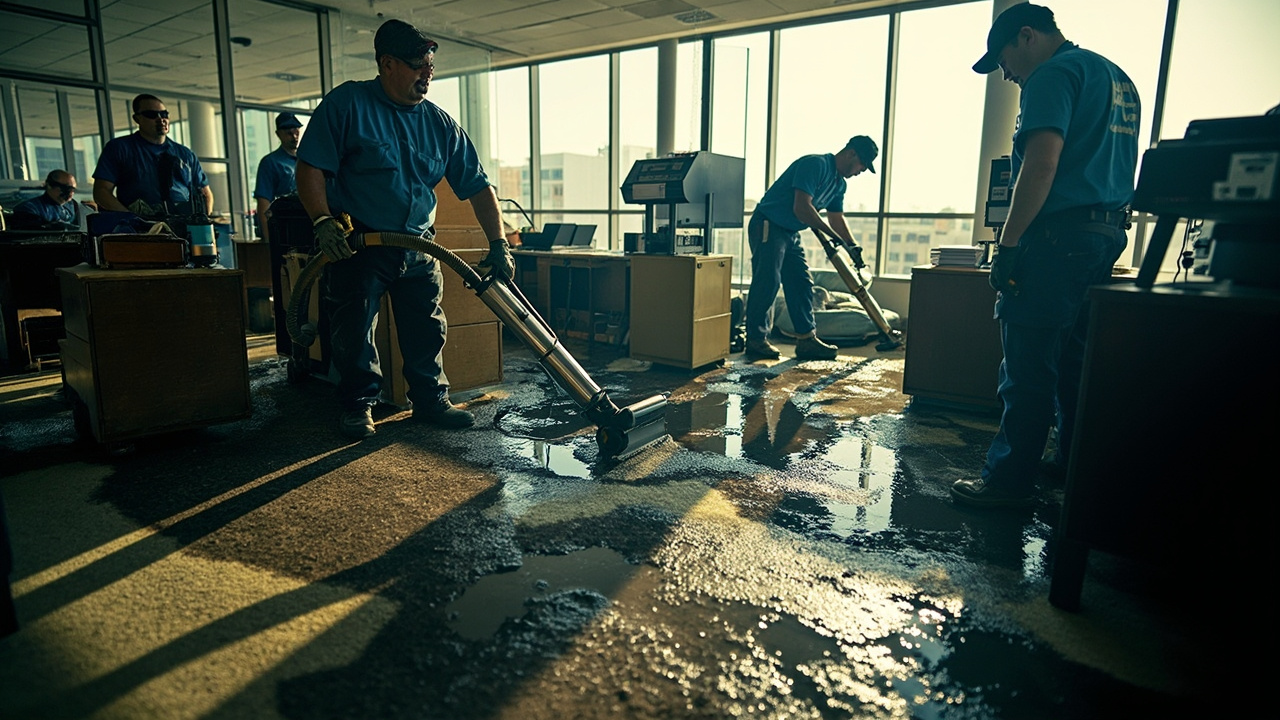
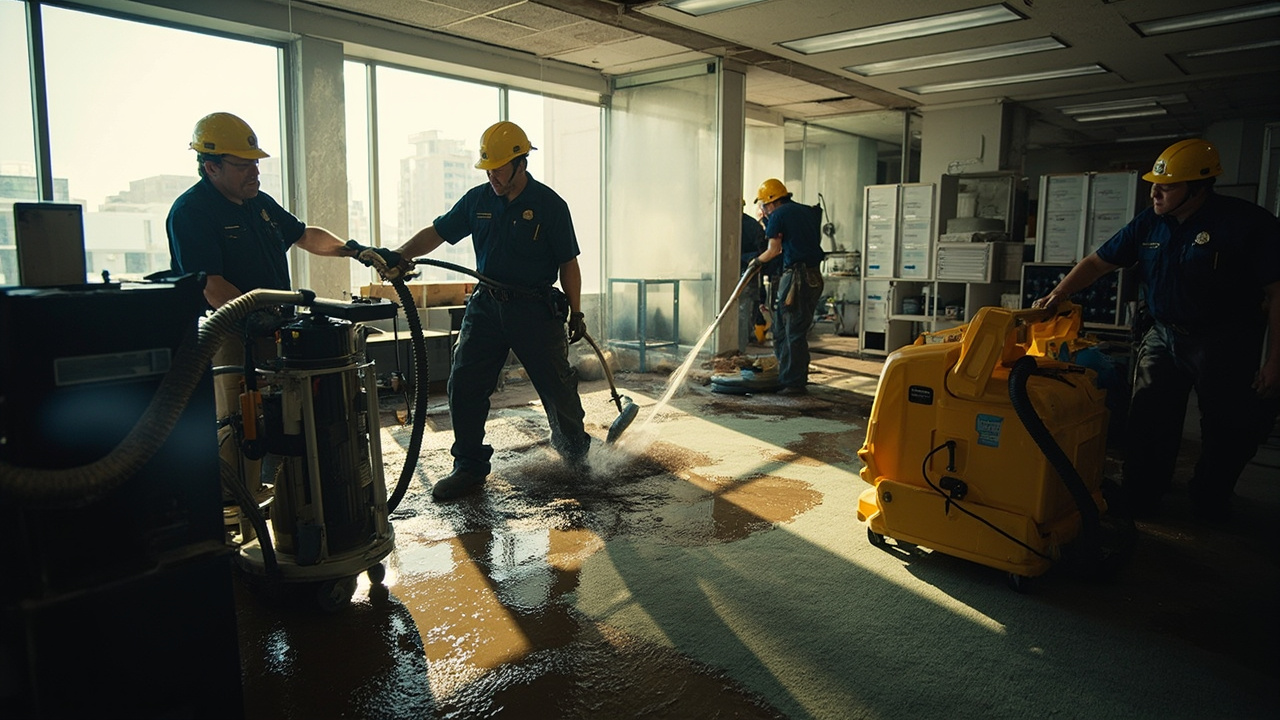
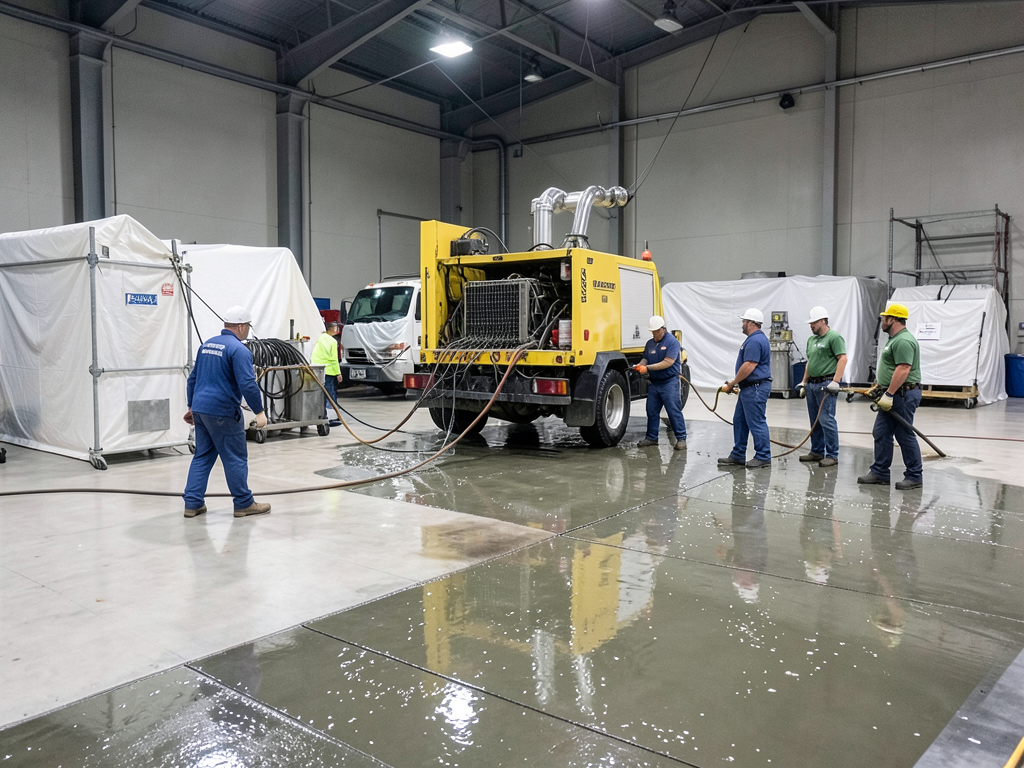
Business continuity restoration requires different methodology than residential work. We deploy commercial-grade extraction equipment capable of removing thousands of gallons per hour, not the small shop-vacs used for home basements. Our truck-mounted systems pull standing water from large floor plans in hours, not days.

Immediate structural drying prevents secondary damage that extends closure periods. We position industrial desiccant dehumidifiers and axial air movers to create controlled airflow patterns that target moisture trapped in concrete substrates, wall cavities, and above suspended ceilings. Thermal imaging identifies hidden saturation in insulation and behind equipment installations. Moisture mapping with calibrated hygrometers establishes drying benchmarks tracked every six hours.

For facilities that cannot close completely, we implement containment protocols using negative air pressure chambers and plastic sheeting barriers. This allows partial operations to continue while affected zones undergo extraction and drying. A retail store can keep 60% of floor space open while we work behind barriers. An office can maintain call center operations while we restore flooded lower levels.

Equipment placement considers your operational flow. We do not block loading docks, emergency exits, or critical access paths. Drying equipment runs on dedicated circuits to avoid tripping breakers that power your essential systems. Our teams work overnight shifts and weekends to maximize progress during your low-traffic periods.

Documentation protocols satisfy both your insurance carrier and any regulatory bodies overseeing your industry. We photograph every stage, maintain detailed moisture logs, and provide daily progress reports formatted for your risk management team. This creates the paper trail needed for business interruption claims and demonstrates due diligence to stakeholders.

How Commercial Water Damage Response Minimizes Your Closure Timeline

Business Interruption Mitigation in Los Angeles – Industrial-Grade Water Damage Response That Keeps Your Operations Running
01

Emergency Damage Assessment

Within one hour of your call, a project manager arrives onsite to evaluate scope, affected square footage, and impact to critical systems. We identify which areas require immediate attention to enable partial operations versus cosmetic zones that can wait. You receive a preliminary timeline and staging plan before equipment deployment begins. This assessment includes temporary power requirements, access logistics, and coordination with any property management or building engineering teams.
02

Rapid Water Extraction

Commercial-grade extraction equipment removes standing water and begins structural drying within the first response window. We extract from carpeted office spaces, tile or concrete warehouse floors, and specialized flooring in kitchens or laboratories. Truck-mounted systems handle large volumes quickly. Technicians document pre-extraction moisture levels in walls, subfloors, and structural elements to establish drying targets. Extraction includes removing water-damaged inventory or equipment to dedicated staging areas for your assessment and disposal decisions.
03

Controlled Environment Restoration

Industrial dehumidifiers and air movers create optimized drying conditions monitored with digital hygrometers. We adjust equipment placement and airflow patterns based on six-hour moisture readings until all structural elements reach dry standards. Antimicrobial treatments prevent mold growth in cavities and porous materials. Final verification testing confirms complete drying before reconstruction begins. You receive certification documentation for insurance claims and compliance records. This phase continues around your operational schedule to limit business disruption.

Why Los Angeles Businesses Choose Local Commercial Water Damage Specialists

Managing water damage in Los Angeles's commercial real estate requires understanding the city's unique building stock and regulatory environment. Many commercial structures in downtown, Mid-Wilshire, and the Westside were built between 1920 and 1970, featuring cast iron plumbing, outdated HVAC systems, and electrical panels that complicate restoration work. We know which buildings have these vulnerabilities and plan accordingly.

Los Angeles Department of Building and Safety requires permits for structural repairs in most commercial buildings. We handle permit applications and understand which restoration work triggers plan review versus over-the-counter approval. This knowledge prevents the surprise delays that occur when out-of-area contractors discover mid-project that their work requires City approval.

Seismic retrofitting adds complexity. If water damage affects URM buildings with mandated retrofit requirements, or soft-story structures with Los Angeles Municipal Code compliance obligations, restoration work may need coordination with structural engineers. United Water Damage Restoration Los Angeles maintains relationships with local engineering firms familiar with LA's specific retrofit programs.

We respond across all Los Angeles commercial districts. A warehouse flood in the Arts District requires different equipment access than a medical office in Encino. Loading dock access, freight elevator capacity, and parking restrictions vary significantly across neighborhoods. Our teams know these logistics patterns and plan equipment staging to avoid delays.

Insurance coordination matters for commercial claims. We document to the standards California commercial carriers expect, including detailed moisture mapping, equipment logs, and photographic evidence at each project phase. This documentation supports your business interruption claim and demonstrates mitigation efforts that reduce carrier liability. Many Los Angeles commercial property managers maintain preferred vendor lists. We work within those frameworks while advocating for the scope needed to properly restore your facility.

What Los Angeles Business Owners Should Expect From Commercial Water Damage Response

Immediate Response Capability

Commercial water events demand immediate action. We maintain response readiness for facilities throughout Los Angeles County, from Santa Monica to Pasadena and San Pedro to Woodland Hills. Our dispatch protocol activates within 30 minutes of your call, with project managers arriving onsite within 60 minutes during business hours. After-hours and weekend response follows the same timeline. We understand that delayed response directly translates to extended closure periods and increased revenue loss. First responders bring assessment tools, moisture detection equipment, and authorization to deploy full extraction resources immediately. You will speak with the project manager who will oversee your restoration, not a call center operator reading a script.

Comprehensive Commercial Assessment

Initial evaluation identifies all affected building systems and operational impacts. We assess water migration patterns through your facility, test moisture levels in structural components, and identify risks to equipment, inventory, and technology infrastructure. Thermal imaging reveals hidden saturation behind walls and above ceilings. This assessment produces a written scope detailing affected square footage, estimated drying timeline, and phased approach to minimize business disruption. We evaluate which areas can remain operational during restoration and which require temporary closure. The assessment includes recommendations for protecting undamaged inventory, relocating equipment, and maintaining security during construction. You receive this documentation within four hours of our arrival for immediate insurance notification and operational planning.

Results-Focused Restoration Execution

Commercial projects prioritize getting your revenue-generating spaces operational first. A retail location sees sales floor restoration before back office completion. A restaurant gets kitchen equipment functional before dining room finishes. We coordinate with your equipment vendors, IT teams, and operational staff to sequence work around your business requirements. Daily progress updates keep you informed without requiring constant jobsite supervision. All structural elements reach verified dry standards before reconstruction begins, preventing the mold growth and odor issues that occur when contractors rush closure. Final walkthrough confirms that affected areas meet your operational requirements and match the quality standards of undamaged spaces. We coordinate final inspections with building departments when permits were required.

Post-Restoration Monitoring and Documentation

Complete restoration includes final moisture verification testing and documentation for your facility records. You receive comprehensive photo documentation showing pre-loss conditions, damage extent, drying progress, and completed restoration. Moisture logs and equipment placement records support insurance claims and demonstrate proper mitigation. We provide recommendations for preventing future water events, including maintenance protocols for roof drains, HVAC condensate systems, and plumbing fixtures. Follow-up visits at 30 and 90 days verify that restored areas remain dry and free of secondary issues. This monitoring catches any hidden moisture that could cause delayed mold growth or structural problems. All documentation remains available for future insurance renewals, building inspections, or tenant disclosures.

Frequently Asked Questions

You Have Questions,
We Have Answers

What are the exercises to minimize business interruptions? +

Minimizing business interruptions starts with tabletop drills where your team walks through water damage scenarios specific to Los Angeles commercial buildings. Conduct quarterly facility inspections focusing on roof membranes, HVAC condensate lines, and plumbing under slab foundations common in older LA structures. Test your emergency contact tree and validate vendor relationships before disaster strikes. Document critical operations and establish remote work protocols. Cross-train employees on essential functions so no single person creates a bottleneck. Maintain updated inventory lists and offsite data backups. For Los Angeles businesses, address seismic shut-off valves and understand how Santa Ana wind events can damage roofing systems, triggering water intrusion.

What does business interruption coverage cover? +

Business interruption coverage compensates you for lost income when property damage forces you to close or operate at reduced capacity. It covers net profit you would have earned, continuing fixed costs like rent and payroll, and temporary relocation expenses. The coverage activates only when physical damage occurs from a covered peril like water damage, fire, or vandalism. Most policies require actual cessation of operations and have waiting periods, typically 48 to 72 hours. In Los Angeles, understanding policy triggers is critical because even minor water events can halt operations due to strict health department regulations for commercial kitchens, medical facilities, and food service establishments.

What is mitigation in business? +

Mitigation in business means taking proactive steps to reduce the severity and duration of operational disruptions. When water damage occurs in your Los Angeles facility, mitigation includes immediate water extraction, structural drying, and containment to prevent mold growth within 48 hours. It also means executing your continuity plan to maintain revenue streams during restoration. Effective mitigation reduces claim costs, minimizes downtime, and protects your market position. For Los Angeles commercial properties, mitigation addresses specific vulnerabilities like aging infrastructure in Downtown, potential backups from municipal systems during heavy rainfall, and rapid response before California's humidity conditions accelerate secondary damage.

What actions can be taken to reduce or mitigate business risks? +

Reduce business risks by conducting facility audits identifying water damage vulnerabilities like outdated plumbing, inadequate drainage, or roof deterioration common in Los Angeles commercial buildings. Install water detection systems with automatic shutoffs near high-risk equipment. Develop supplier redundancies so single-source failures do not halt operations. Maintain adequate insurance coverage including business interruption policies with appropriate waiting periods. Establish relationships with qualified restoration contractors before emergencies occur. For Los Angeles businesses, address earthquake preparedness since seismic activity can rupture water lines. Implement regular maintenance schedules for HVAC systems and flat roof membranes typical in LA commercial construction to prevent catastrophic failures during operational hours.

How Los Angeles's Aging Commercial Infrastructure Increases Water Damage Vulnerability

Los Angeles commercial buildings face unique water damage risks due to the region's aging infrastructure and seismic history. Many commercial structures in established business districts were built before modern plumbing codes, featuring galvanized steel pipes prone to corrosion failure and cast iron drain lines that crack from ground settlement. The city's position on multiple fault lines means buildings experience constant micro-movements that stress plumbing connections. Combined with Los Angeles's hard water supply, which accelerates mineral buildup and pipe deterioration, commercial properties face elevated failure rates for water supply lines and waste systems. Winter storms increasingly overwhelm roof drainage systems designed for Los Angeles's historically mild climate patterns. These factors make business interruption mitigation essential for protecting operational continuity in a region where commercial real estate values demand maximum uptime.

United Water Damage Restoration Los Angeles maintains deep familiarity with local building stock and regulatory requirements that affect commercial restoration projects. We understand Los Angeles Department of Building and Safety permit requirements, know which restoration work triggers plan review, and maintain relationships with local inspectors who oversee commercial projects. Our teams work throughout LA's diverse commercial districts, from the high-rises of downtown to the industrial facilities of Vernon and the retail corridors of the Westside. This local expertise translates to faster project completion because we anticipate the permitting, access, and logistics challenges that delay out-of-area contractors. When your business faces water damage, choosing a restoration team familiar with Los Angeles's specific commercial building challenges directly impacts how quickly you resume operations.
Water Damage Restoration Services in The Los Angeles Area

United Water Damage Restoration Los Angeles is proud to service the entire Los Angeles area and surrounding communities. View our central location on the map to see our strategic positioning, which enables us to provide our guaranteed rapid response times across the region. If you need immediate assistance, please do not drive to our office; instead, call our 24/7 emergency hotline, and our fully-equipped team will be dispatched directly to your property without delay.

Address:
United Water Damage Restoration Los Angeles, 5800 S Eastern Ave, Los Angeles, CA, 90040

Additional Services We Offer

Our news updates

Latest Articles & News from The Blogs

What to Do When Your Wilmington Water Heater Floods Your Laundry Room A leaking water heater can release 40 to…

What to Do When Your Wilmington Water Heater Floods Your Laundry Room

What to Do When Your Wilmington Water Heater Floods Your Laundry Room A leaking water heater can release 40 to…

Getting Your West Hills Home Ready for the Los Angeles Rainy Season

Getting Your West Hills Home Ready for the Los Angeles Rainy Season The Santa Susana Mountains loom over West Hills…

Common Plumbing Problems in Miracle Mile Older Condo Buildings

Common Plumbing Problems in Miracle Mile Older Condo Buildings Miracle Mile’s charming historic condo buildings come with unique plumbing challenges…

Contact Us

Every hour your Los Angeles facility remains closed costs revenue and risks permanent customer loss. Call United Water Damage Restoration Los Angeles now at (209) 255-2558 for immediate commercial water damage response. Our project managers deploy within 60 minutes to begin business continuity restoration.