




menu

Soggy Insulation in Los Angeles – Expert Diagnosis and Health Risk Elimination

United Water Damage Restoration Los Angeles identifies the source of saturated insulation, removes contaminated material, and restores your home's thermal barrier before mold spreads or energy bills spike.

Slider Image 1
Slider Image 2
Slider Image 3
Slider Image 4
Slider Image 5
Slider Image 7
Slider Image 8
Slider Image 9
Slider Image 10
Slider Image 11

Why Soggy Insulation Is a Silent Problem in Los Angeles Homes

You walk into your attic and notice the fiberglass batts look darker than usual. You touch the material and it feels damp. That soggy insulation is not a minor inconvenience. It is a red flag signaling active water intrusion, probable mold colonization, and escalating energy loss.

Los Angeles homes face a unique challenge. While the region is known for dry summers, winter storms dump heavy rain in short bursts. Older homes in neighborhoods like Highland Park and Silver Lake often have outdated roof flashing or cracked chimney caps. When water enters through these weak points, it saturates attic insulation before you notice the problem. The fiberglass or cellulose soaks up moisture like a sponge. Within 48 hours, mold spores germinate. Within a week, the material loses its R-value and your HVAC system works overtime to compensate.

Wet insulation also adds weight to ceiling joists. In homes built before the 1980s, this can stress framing members that were not designed for the extra load. Damp insulation in wall cavities is even worse. It creates a hidden breeding ground for mold that spreads to drywall and studs. You might smell mustiness in bedrooms or notice allergies worsening. The source is water damaged insulation that has been festering behind walls for weeks.

Many homeowners assume the soggy material will dry out on its own. It will not. Saturated insulation holds moisture against wood framing, which accelerates rot. The longer you wait, the more expensive the repair becomes. You need a professional to locate the water source, remove the compromised material, and install a dry replacement.

Why Soggy Insulation Is a Silent Problem in Los Angeles Homes
How We Diagnose and Remove Soaked Insulation Correctly

How We Diagnose and Remove Soaked Insulation Correctly

Most contractors tell you to rip out the wet insulation and stuff in new batts. That approach ignores the root cause. Water does not appear in your attic by accident. It entered through a failure point. If you do not fix that entry, the new insulation will get soaked again in the next rain.

We start with a thermal imaging scan. The infrared camera reveals temperature differentials that indicate hidden moisture. Soggy insulation shows up as cold zones because evaporating water pulls heat away from the surface. This technology lets us map the extent of saturation without tearing apart your entire attic. We then trace the moisture path back to the source. Common culprits include missing roof tiles, deteriorated valley flashing, condensation from bathroom exhaust fans that vent into the attic, and plumbing leaks from second-floor fixtures.

Once we identify the water source, we contain the affected area. Soaked insulation harbors mold spores. If you disturb it without containment, you spread contamination throughout the house. We use negative air machines with HEPA filters to create a pressure differential that prevents spore migration. We bag the saturated material in six-mil polyethylene and remove it through the closest exterior access point.

After extraction, we inspect the framing. If studs or joists show signs of rot, we document the damage and recommend structural repairs. We treat remaining wood with antimicrobial agents to kill residual mold. We dry the cavity using commercial dehumidifiers and air movers until moisture content drops below 15 percent. Only then do we install new insulation. We match the original R-value and install vapor barriers on the correct side of the assembly based on Los Angeles climate zone requirements.

What Happens During a Soggy Insulation Removal in Los Angeles

Soggy Insulation in Los Angeles – Expert Diagnosis and Health Risk Elimination
01

Source Identification and Containment

Our team uses moisture meters and thermal imaging to pinpoint the water entry location. We seal off the work area with plastic sheeting and set up negative air pressure to prevent cross-contamination. This step prevents mold spores from spreading into living areas while we remove damp insulation. We also photograph the damage for insurance documentation before any material is disturbed.
02

Safe Extraction and Framing Assessment

We carefully remove all saturated insulation, bagging it in heavy-duty plastic for disposal. Wet insulation is heavy and can collapse ceilings if handled improperly. After removal, we inspect exposed framing for rot, mold growth, or structural compromise. We measure moisture content in wood members using pin-type meters. Any reading above 19 percent requires extended drying before we proceed with insulation replacement.
03

Drying and New Insulation Installation

We run industrial dehumidifiers and air movers until all surfaces register below 15 percent moisture. This typically takes two to five days depending on saturation severity. Once dry, we install new insulation with the correct R-value for Los Angeles building code. We verify proper vapor barrier placement and ensure no gaps or compression that would reduce thermal performance. The space is left cleaner and drier than before the water intrusion occurred.

Why Los Angeles Homeowners Choose United Water Damage Restoration for Water Damaged Insulation

Los Angeles building codes are stricter than many people realize. Title 24 energy standards require specific R-values based on climate zone and building type. If you replace insulation without meeting these requirements, you risk failing inspection during a future remodel or home sale. We stay current on local code changes and install materials that meet or exceed minimum standards.

We also understand the architectural quirks of older Los Angeles homes. Many houses in areas like Echo Park and Hancock Park were built with balloon framing, which creates vertical cavities that allow water to travel between floors. If you have soggy insulation in your attic, you might also have hidden moisture in your walls. We inspect these pathways and address problems before they become structural nightmares.

Another factor is insurance coordination. Most homeowners do not realize their policy covers water damaged insulation if the cause is sudden and accidental. A burst pipe or storm-driven rain qualifies. Gradual leaks do not. We document the damage with photos, moisture readings, and thermal images. We provide detailed estimates that break down material and labor costs. This documentation helps your adjuster process the claim faster and reduces the chance of a denial.

We also move faster than general contractors. Soaked insulation loses R-value immediately. Your HVAC system compensates by running longer cycles, which drives up your electric bill. Every day you wait costs money. We typically start removal within 24 hours of your call. Our crews work in sections to minimize disruption. If the damage is in your attic, you can still use your home normally. If the damage is in your walls, we contain the work area and use air scrubbers to control dust and odor.

You also get transparency. We explain what caused the water intrusion, what it will take to fix it, and what you can do to prevent it from happening again. We do not upsell unnecessary services. If your roof needs repair, we tell you. If your plumbing needs attention, we tell you. We provide referrals to licensed specialists when the work falls outside our scope.

What to Expect When You Call United Water Damage Restoration Los Angeles

Rapid Response and Same-Day Assessment

We dispatch a technician to your property within hours of your call. Soggy insulation is a time-sensitive issue. Mold can colonize in 24 to 48 hours. The faster we assess the damage, the lower your remediation costs. Our technician performs a visual inspection, runs moisture tests, and uses thermal imaging to map the affected area. You receive a written estimate before we start any work. Most assessments take less than an hour. If the damage is severe, we can begin containment and extraction the same day to stop mold growth.

Detailed Moisture Mapping and Root Cause Analysis

We do not guess where the water came from. We use moisture meters, infrared cameras, and visual traceback to locate the exact entry point. This might be a cracked roof tile, a leaking pipe joint, or a bathroom exhaust fan that dumps humid air into the attic. We document everything with photos and diagrams. You get a clear explanation of what failed and what needs to be repaired. This prevents recurring issues. Many homeowners waste money replacing insulation without fixing the underlying problem. We solve both issues in one visit.

Complete Removal, Drying, and Replacement

We extract all saturated insulation using containment protocols that prevent mold spread. We bag the material in six-mil plastic and haul it off-site. We then dry the affected framing using commercial dehumidifiers and air movers. Drying typically takes two to five days. Once moisture levels drop below 15 percent, we install new insulation that meets Title 24 energy code. We use fiberglass batts, blown cellulose, or spray foam depending on your budget and the application. The new insulation restores your home's thermal barrier and prevents future moisture problems.

Insurance Documentation and Post-Remediation Verification

We provide detailed reports that include moisture readings, thermal images, and itemized repair costs. This documentation supports your insurance claim and speeds up adjuster approval. After the work is complete, we perform a final moisture test to verify all surfaces are dry. We also inspect the repaired area to confirm the water source has been addressed. You receive a written summary of the work performed and recommendations for preventive maintenance. If issues arise after we leave, we respond quickly to address them. Our goal is to leave your home drier, safer, and more energy efficient than before the water intrusion occurred.

Frequently Asked Questions

You Have Questions,
We Have Answers

Will wet insulation ever dry out? +

Wet insulation rarely dries properly on its own. Fiberglass and cellulose materials trap moisture and lack airflow needed for complete drying. In Los Angeles' coastal humidity, the problem worsens. Even if the surface feels dry, moisture remains trapped inside, creating a breeding ground for mold and bacteria. The material also loses its R-value when wet, making your HVAC system work harder. Compressed wet insulation never regains its original shape or thermal efficiency. Professional water extraction and inspection determine if drying is possible, but replacement is usually necessary to restore energy efficiency and prevent health hazards.

What to do if insulation is wet? +

Stop the water source immediately, whether it's a roof leak, burst pipe, or HVAC condensation. Turn off power to affected areas to prevent electrical hazards. Do not touch wet insulation yourself. Wet cellulose can weigh hundreds of pounds and collapse ceilings. Contact a water damage restoration company within 24 hours. Professionals assess the extent of saturation, remove damaged materials safely, and dry the structural components properly. In Los Angeles' dry climate, attic ventilation helps, but professional dehumidification is essential. Document everything with photos for insurance claims. Quick action prevents mold growth and structural damage.

Will mold grow in wet insulation? +

Yes. Mold grows rapidly in wet insulation, often within 24 to 48 hours. Insulation provides the perfect environment: moisture, organic material, and darkness. Fiberglass acts as a filter, trapping mold spores that arrive through air circulation. Cellulose insulation, made from recycled paper, feeds mold growth directly. Los Angeles homes near the coast face higher risk due to ambient humidity. Once mold colonizes insulation, it spreads to wood framing, drywall, and ductwork. You may smell musty odors before seeing visible growth. Mold in insulation requires professional remediation and replacement to protect indoor air quality.

What does water damaged insulation look like? +

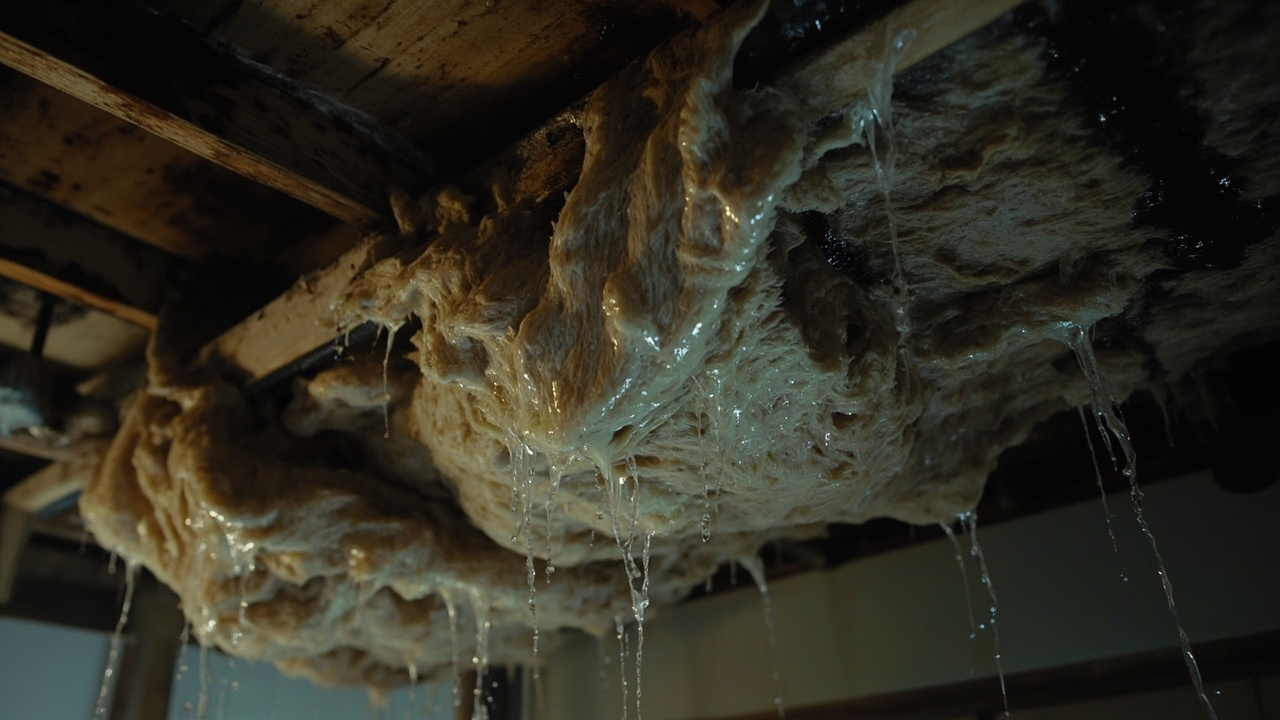
Water damaged insulation shows clear signs. Fiberglass appears discolored, compressed, or matted down instead of fluffy. You will see yellow or brown staining from dirty water or rust. Cellulose insulation clumps together and sags from the weight. It may pull away from joists or hang from ceilings. In attics, look for dark spots or compressed areas under roof leaks. Blown-in insulation settles unevenly when wet. You might notice increased energy bills as wet insulation loses thermal resistance. Musty odors signal hidden moisture. Water stains on ceilings below insulated spaces confirm saturation.

How long does it take for mold to grow on wet insulation? +

Mold grows on wet insulation within 24 to 48 hours under the right conditions. Temperature, humidity, and material type affect growth speed. Los Angeles temperatures rarely drop low enough to slow mold. Attics reach 130 degrees in summer, accelerating growth when moisture is present. Cellulose insulation supports faster colonization than fiberglass because it contains organic material. Mold spores exist everywhere, waiting for moisture. Once growth starts, colonies spread exponentially. Within a week, you face serious contamination. This tight timeline makes immediate action critical. Waiting even a few days turns a water problem into a mold remediation project.

Does insulation need to be replaced after water damage? +

Yes, in most cases. Wet insulation loses structural integrity and thermal performance permanently. Fiberglass compresses and never rebounds to its original R-value. Cellulose breaks down and becomes a mold food source. Even after drying, contaminants remain trapped in the fibers. If floodwater or sewage saturated the material, replacement is mandatory for health reasons. Los Angeles building codes require proper R-values for energy efficiency. Insurance typically covers replacement after water damage. Professional assessment determines extent, but trying to salvage wet insulation usually costs more long-term through energy loss and health problems than replacement costs upfront.

How Los Angeles Winter Storms Turn Attic Insulation Into a Mold Factory

Los Angeles receives most of its annual rainfall between November and March. These storms deliver high volumes of water in short bursts, overwhelming older drainage systems and exposing weak points in aging roofs. Homes in hillside areas like Mount Washington and Eagle Rock face additional risk because wind-driven rain forces water under roof tiles and through ventilation gaps. Once water enters the attic, it saturates fiberglass or cellulose insulation within hours. The material holds moisture against wood framing, creating ideal conditions for mold colonization. Many Los Angeles homeowners do not inspect their attics regularly, which means soaked insulation can sit unnoticed for weeks or months. By the time you smell mustiness or see ceiling stains, the damage is extensive.

Los Angeles building codes require specific R-values for attic and wall insulation based on climate zone. Most of the metro area falls under Zone 9, which mandates R-30 minimum for attic insulation. If you replace water damaged insulation without meeting this standard, you risk failing inspection during future remodels or refinancing. United Water Damage Restoration Los Angeles knows these requirements and installs materials that comply with Title 24 energy code. We also understand the construction quirks of older homes in neighborhoods like Koreatown and Boyle Heights. These properties often have balloon framing, knob-and-tube wiring, and inadequate attic ventilation, all of which complicate insulation replacement. Choosing a local contractor who understands these challenges reduces project delays and prevents code violations.

Water Damage Restoration Services in The Los Angeles Area

United Water Damage Restoration Los Angeles is proud to service the entire Los Angeles area and surrounding communities. View our central location on the map to see our strategic positioning, which enables us to provide our guaranteed rapid response times across the region. If you need immediate assistance, please do not drive to our office; instead, call our 24/7 emergency hotline, and our fully-equipped team will be dispatched directly to your property without delay.

Address:
United Water Damage Restoration Los Angeles, 5800 S Eastern Ave, Los Angeles, CA, 90040

Additional Services We Offer

Our news updates

Latest Articles & News from The Blogs

What to Do When Your Wilmington Water Heater Floods Your Laundry Room A leaking water heater can release 40 to…

What to Do When Your Wilmington Water Heater Floods Your Laundry Room

What to Do When Your Wilmington Water Heater Floods Your Laundry Room A leaking water heater can release 40 to…

Getting Your West Hills Home Ready for the Los Angeles Rainy Season

Getting Your West Hills Home Ready for the Los Angeles Rainy Season The Santa Susana Mountains loom over West Hills…

Common Plumbing Problems in Miracle Mile Older Condo Buildings

Common Plumbing Problems in Miracle Mile Older Condo Buildings Miracle Mile’s charming historic condo buildings come with unique plumbing challenges…

Contact Us

Soggy insulation will not dry on its own. Every day you wait increases mold risk and drives up your energy bills. Call United Water Damage Restoration Los Angeles at (209) 255-2558 for same-day assessment and professional extraction. We fix the water source and restore your home's thermal barrier.