




menu

Water Damage Restoration Cost 2026 in Los Angeles – Complete Pricing Breakdown and Budget Planning Guide

Understand average water damage cleanup pricing, water mitigation cost estimates, and water restoration service rates before the emergency hits so you can make informed decisions when seconds count.

Slider Image 1
Slider Image 2
Slider Image 3
Slider Image 4
Slider Image 5
Slider Image 7
Slider Image 8
Slider Image 9
Slider Image 10
Slider Image 11

Why Water Damage Restoration Costs Are Rising in Los Angeles

Los Angeles property owners face a unique challenge in 2026. The city's aging infrastructure, combined with increased rainfall intensity from shifting weather patterns, creates more frequent pipe failures and flood events. You need to know the real numbers before disaster strikes.

Water damage remediation expenses in Los Angeles now average higher than many surrounding regions. The reasons are straightforward. Labor costs have increased 18% since 2023. Equipment rental rates for industrial dehumidifiers and air movers have climbed steadily. Material costs for drywall, subflooring, and insulation continue to rise. Insurance deductibles have grown, meaning more out-of-pocket expenses for homeowners.

The actual price to repair water damage depends on classification. Category 1 water from a clean source like a supply line costs less to remediate than Category 3 sewage backup. A small bathroom leak affecting 100 square feet runs differently than a kitchen flood that compromises structural elements across 800 square feet.

Water mitigation cost estimates also vary by response time. Immediate extraction within the first 24 hours prevents secondary damage. Wait 48 hours and you face microbial growth, which adds antimicrobial treatment and often complete material removal. Los Angeles's mild climate actually works against you here. Ambient temperatures between 68 and 86 degrees create ideal conditions for rapid mold colonization on wet surfaces.

Average water damage cleanup pricing breaks down into distinct phases. Emergency water extraction runs separately from structural drying. Demolition and disposal add another line item. Reconstruction and finishing represent the final cost category. You need transparency across all four phases to budget accurately and avoid surprise invoicing.

Why Water Damage Restoration Costs Are Rising in Los Angeles
How Professional Water Restoration Services Calculate Your Project Cost

How Professional Water Restoration Services Calculate Your Project Cost

Professional water restoration pricing starts with a moisture assessment. Technicians use thermal imaging cameras to identify hidden water migration behind walls and under flooring. Moisture meters measure grain moisture content in structural lumber and substrate moisture in concrete slabs. These readings determine the scope and drive the water restoration service rates you receive.

Category classification comes next. The Institute of Inspection, Cleaning and Restoration Certification defines three water categories based on contamination level. Category 1 involves clean water. Category 2 contains significant contamination from dishwashers, washing machines, or toilet bowls with urine only. Category 3 includes sewage, flooding from rivers or streams, and toilet backflows with feces. Each category requires different safety protocols and disposal methods, which directly impacts your final invoice.

Class determination follows category assessment. Class 1 affects minimal square footage with low evaporation rate materials. Class 2 involves an entire room with significant moisture wicking up walls. Class 3 means water came from overhead, saturating walls, ceilings, insulation, and subflooring. Class 4 requires specialty drying for hardwood, plaster, or concrete that absorbed water deeply. Higher classes need more equipment running for longer periods.

Equipment deployment represents your largest variable cost. A typical Class 2 loss requires six to eight air movers, two commercial dehumidifiers, and an air scrubber for particulate control. This equipment runs continuously for three to five days. Technicians visit daily to take moisture readings, adjust equipment placement, and document drying progress for insurance claims.

United Water Damage Restoration Los Angeles provides itemized estimates that separate extraction, drying, antimicrobial treatment, demolition, and reconstruction. You see exactly where your money goes and can make informed decisions about which repairs to prioritize if working within insurance limits.

What Happens During Your Cost Assessment

Water Damage Restoration Cost 2026 in Los Angeles – Complete Pricing Breakdown and Budget Planning Guide
01

Emergency Contact and Dispatch

You call our 24-hour line and speak with a restoration coordinator who documents the water source, affected area size, and how long water has been present. This information determines crew size and equipment load. A two-person team typically arrives within 90 minutes in the Los Angeles metro area with moisture detection equipment and initial extraction tools to begin damage assessment.
02

On-Site Damage Documentation

Technicians photograph all affected areas, take moisture readings at multiple wall heights, and inspect adjacent rooms for hidden water migration. They create a detailed floor plan marking wet zones and identify which materials can dry in place versus what requires removal. This documentation forms the basis of your estimate and supports insurance claims with verifiable data your adjuster needs.
03

Estimate Delivery and Approval

You receive a written estimate within two hours breaking down emergency services, drying costs, and reconstruction separately. The estimate includes equipment rental duration, labor hours, material quantities, and disposal fees. You can approve the full scope or select priority services if working within budget constraints. Insurance coordination starts immediately once you approve, including direct adjuster contact and documentation submission.

Why Los Angeles Restoration Costs Differ From National Averages

Los Angeles operates under California Title 24 building codes, which mandate specific moisture control standards during reconstruction. Any wall cavity that got wet requires inspection for mold growth before closing. Insulation replacement must meet current R-value requirements, not what existed originally. These code compliance factors add line items that do not appear in states with less stringent regulations.

Labor rates in Los Angeles reflect the city's cost of living. IICRC-certified water damage technicians earn 22% more than the national average. This wage difference protects you. Experienced technicians identify hidden water in wall cavities that apprentices miss. They know how Los Angeles's stucco exterior walls trap moisture differently than wood siding, requiring longer drying times and specialized equipment placement to prevent efflorescence and spalling.

Permit requirements also affect pricing. The Los Angeles Department of Building and Safety requires permits for reconstruction work exceeding 500 dollars in value. Electrical work requires separate permits regardless of cost. Permit fees, plan check fees, and inspection scheduling add both hard costs and timeline extensions. Companies that skip permits expose you to code violations and problems when you sell your property.

United Water Damage Restoration Los Angeles maintains relationships with local adjusters, understands Los Angeles Municipal Code requirements, and coordinates with city inspectors regularly. We know which materials inspectors prefer, how to document pre-existing conditions that limit your liability, and how to structure estimates that align with insurance company approved pricing databases like Xactimate.

Our technicians recognize construction methods common to Los Angeles housing stock. We know that homes built before 1978 require lead-safe practices during demolition. We understand how post-and-beam construction in mid-century homes allows water to travel along beams into adjacent rooms. This local knowledge prevents change orders and surprise costs that occur when out-of-area restoration companies encounter unfamiliar building methods.

What Your Water Restoration Investment Includes

Response Time and Equipment Deployment

Emergency water extraction begins within 90 minutes of your call for Los Angeles city limits. Suburban areas like Woodland Hills, Encino, and Pacific Palisades receive response within two hours. The initial service call includes truck-mounted or portable extraction units, moisture mapping with thermal imaging, and immediate equipment setup to halt secondary damage progression. Standing water removal happens first, followed by strategic air mover and dehumidifier placement based on airflow patterns and moisture readings. You receive daily monitoring visits until moisture content reaches acceptable levels, typically three to five days for standard residential losses.

Insurance Documentation and Adjuster Coordination

Professional water damage assessment includes detailed photo documentation, moisture mapping reports, and equipment logs that satisfy insurance carrier requirements. Our estimating software produces line-item breakdowns matching Xactimate pricing, which most insurance companies use as their cost baseline. We communicate directly with your adjuster, provide access for their inspection, and submit supplemental documentation if initial claim scope proves insufficient. This coordination prevents payment delays and disputes over covered services. You receive copies of all documentation for your records, including daily moisture logs showing drying progress and equipment runtime verification.

Structural Drying and Antimicrobial Protection

Complete water restoration means reaching structural dry standards, not just removing visible water. Wood framing must reach 15% moisture content or lower. Concrete slabs require moisture levels below 4% for tile installation or 7% for sheet flooring. Drywall dries to 12% or gets replaced. Our technicians use penetrating moisture meters to verify these benchmarks before equipment removal. Antimicrobial application on all wet surfaces prevents microbial amplification during the drying period. Air scrubbers with HEPA filtration capture airborne particulates, protecting indoor air quality while demolition and drying occur. You receive certification documentation confirming materials reached dry standards.

Reconstruction and Final Inspection

Water damage reconstruction includes material replacement, finish matching, and final inspection coordination with Los Angeles building officials when required. We replace drywall using matching thickness and texture. Flooring replacement matches existing materials or provides upgrade options if discontinuation makes exact matching impossible. Paint color matching uses spectrophotometry for accuracy. Trim and baseboards get replaced with profiles matching your existing millwork. All reconstruction meets current California building codes, including energy efficiency standards for insulation and vapor barriers. You receive copies of passed inspection reports and photos documenting completed work for insurance claim closure and property records.

Frequently Asked Questions

You Have Questions,
We Have Answers

How much does restoration cost for water damage? +

Water damage restoration costs vary based on severity and affected area. Minor incidents like a small leak may run a few hundred dollars, while extensive flooding affecting multiple rooms can escalate significantly. Category 1 water (clean) costs less to remediate than Category 3 (sewage). Los Angeles properties often face higher labor rates due to demand and cost of living. Key factors include square footage, drying time, structural damage, and whether materials need replacement. Most insurance policies cover sudden incidents, which can reduce your out-of-pocket expenses. Get three written estimates before committing.

Is water damage restoration worth it? +

Water damage restoration is worth it because unaddressed moisture leads to structural decay, toxic mold growth, and electrical hazards. Los Angeles homes, especially older stucco and wood-frame construction, absorb water quickly. Delaying restoration costs more long-term through compounded damage and health risks. Insurance typically covers sudden water events, so your actual expense may be minimal. Professional restoration prevents mold from spreading within 24 to 48 hours, protects your property value, and ensures safe living conditions. Skipping professional help often results in hidden damage that resurfaces months later, requiring costlier repairs.

How much does it cost to repair a water damage floor? +

Repairing water-damaged floors depends on material and damage depth. Laminate and engineered hardwood often require full replacement because they swell and warp. Solid hardwood can sometimes be dried, sanded, and refinished if caught early. Tile floors may only need grout replacement and subfloor drying. In Los Angeles, labor costs run higher than national averages. Subfloor damage increases costs substantially because it requires removal of finished flooring first. Most insurance policies cover water damage floors if the cause is sudden, like a burst pipe, not gradual neglect.

Is water damage restoration profitable? +

This question addresses business viability, not homeowner concerns. Water damage restoration is a profitable business due to consistent demand, emergency pricing, and recurring natural disasters. Los Angeles faces risks from aging infrastructure, hillside homes prone to runoff, and occasional heavy rains. Companies profit through volume, insurance claim efficiency, and upselling additional services like mold remediation or reconstruction. Successful operators invest in specialized equipment, maintain rapid response times, and build referral networks with plumbers and insurance adjusters. Profitability depends on operational efficiency and market saturation in your service area.

Is water damage in walls covered by insurance? +

Water damage in walls is covered by insurance if the source is sudden and accidental, like a burst pipe or appliance malfunction. Gradual damage from long-term leaks, poor maintenance, or seepage is excluded. Los Angeles homes with copper plumbing or older galvanized pipes face higher failure risks. Your policy typically covers drying, wall removal, and mold remediation if addressed quickly. Insurers require proof the damage was unforeseen. Document everything with photos before repairs begin. Review your policy exclusions and file claims immediately to avoid disputes over timeline and cause.

How much does it cost to waterproof a 1500 sq ft basement? +

Los Angeles has minimal basements due to high water tables, shallow bedrock, and earthquake building codes. Most structures use slab foundations. If you have a basement or below-grade space, waterproofing costs depend on method. Exterior excavation and membrane installation is most effective but expensive. Interior drainage systems with sump pumps cost less. Most properties in the region require moisture barriers and French drains instead. Consult a structural engineer familiar with Los Angeles soil conditions before committing. Waterproofing prevents foundation damage and creates usable space, adding property value.

Why is water damage so expensive? +

Water damage is expensive because of hidden damage, speed requirements, and specialized equipment. Water migrates through walls, under flooring, and into insulation within hours. Los Angeles labor costs and permitting fees increase expenses. Restoration requires industrial dehumidifiers, air movers, moisture meters, and antimicrobial treatments. Technicians must work fast to prevent mold, which grows within 24 to 48 hours. Structural drying takes days, delaying reconstruction. Materials like drywall, insulation, and flooring often need full replacement, not repair. Insurance coordination and documentation add administrative time, all of which drives up total costs.

How long does water damage restoration take? +

Water damage restoration timelines depend on severity and affected materials. Minor incidents with quick water extraction and drying take three to five days. Extensive flooding requiring wall removal, subfloor drying, and mold remediation can extend to two or three weeks. Los Angeles humidity levels affect drying speed. Structural materials like studs and concrete need longer drying times than cosmetic finishes. Insurance approval and contractor scheduling add delays. Most professionals prioritize moisture removal within 24 hours to prevent mold. Reconstruction begins only after complete drying, which moisture meters verify through daily readings.

What is the difference between water remediation and restoration? +

Water remediation is the emergency phase that stops damage progression. It includes water extraction, drying, dehumidification, and initial cleaning. Remediation prevents mold growth and stabilizes the property. Restoration is the rebuild phase that returns your home to pre-loss condition. It includes replacing drywall, flooring, painting, and structural repairs. Remediation happens first and fast. Restoration follows and takes longer. Many Los Angeles companies offer both services under one contract, simplifying the process. Separating the phases helps insurance claims because remediation is always covered while restoration coverage depends on your policy terms and damage cause.

Does homeowners insurance cover water damage to floors? +

Homeowners insurance covers water damage to floors if caused by a sudden, accidental event like burst pipes, appliance leaks, or roof storm damage. Gradual damage from humidity, poor maintenance, or seepage is excluded. Los Angeles policies often exclude flood damage, which requires separate flood insurance through FEMA. Read your policy declarations page carefully. Insurance covers removal, drying, and replacement of damaged flooring materials. You pay the deductible first. File claims immediately with photos and documentation. Delayed reporting can result in denial due to preventable secondary damage like mold growth.

How Los Angeles Building Methods Affect Water Damage Restoration Costs

Los Angeles's diverse housing stock creates cost variables you will not find in newer cities. Spanish Colonial Revival homes built in the 1920s use solid plaster over wood lath, which absorbs water differently than modern drywall. Craftsman bungalows feature pier-and-beam foundations with minimal crawl space access, complicating subfloor drying. Mid-century ranch homes often have post-tension concrete slabs that require specialized drying mats rather than standard air movers. These architectural characteristics directly impact equipment requirements, labor hours, and material specifications, which means water mitigation cost estimates vary significantly based on your home's construction era and style.

United Water Damage Restoration Los Angeles employs technicians who understand these local building methods because they work on them daily. Our crews know that removing Spanish tile roofing for attic water damage requires careful documentation and numbered reinstallation to prevent leaks. We understand that many Los Angeles homes have upgraded electrical panels in garages or exterior locations that need protection during water events. This familiarity with local construction practices prevents costly mistakes and ensures code-compliant repairs that pass inspection the first time, saving you money on reinspection fees and extended equipment rental periods.
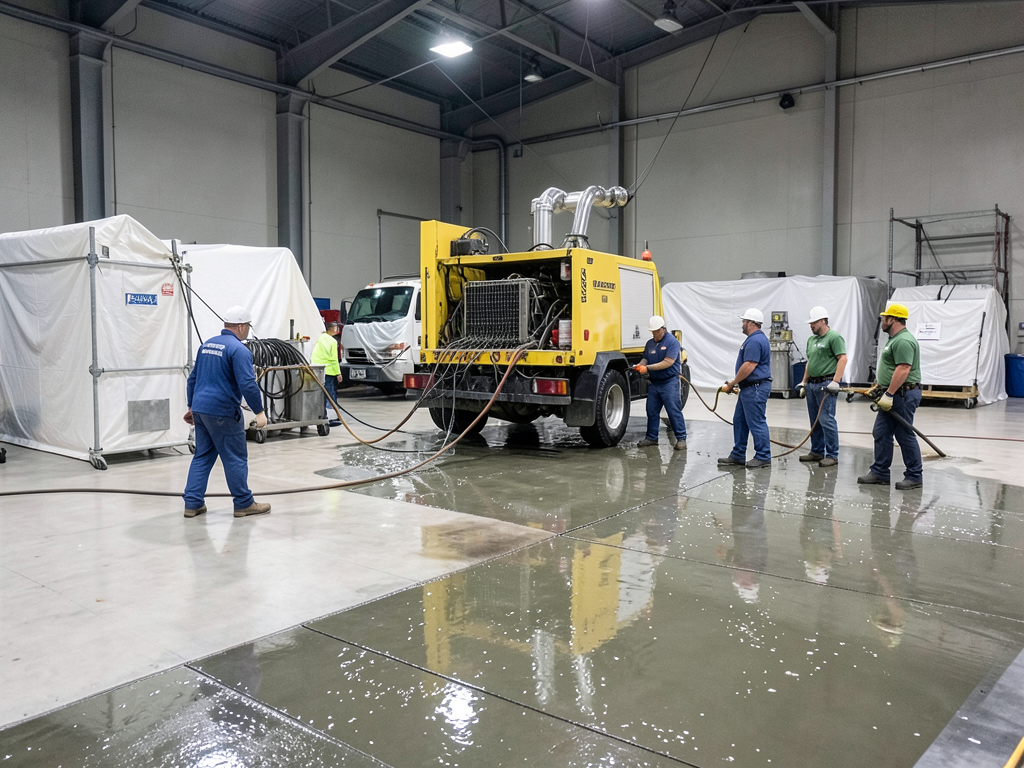

Water Damage Restoration Services in The Los Angeles Area

United Water Damage Restoration Los Angeles is proud to service the entire Los Angeles area and surrounding communities. View our central location on the map to see our strategic positioning, which enables us to provide our guaranteed rapid response times across the region. If you need immediate assistance, please do not drive to our office; instead, call our 24/7 emergency hotline, and our fully-equipped team will be dispatched directly to your property without delay.

Address:
United Water Damage Restoration Los Angeles, 5800 S Eastern Ave, Los Angeles, CA, 90040

Additional Services We Offer

Our news updates

Latest Articles & News from The Blogs

What to Do When Your Wilmington Water Heater Floods Your Laundry Room A leaking water heater can release 40 to…

What to Do When Your Wilmington Water Heater Floods Your Laundry Room

What to Do When Your Wilmington Water Heater Floods Your Laundry Room A leaking water heater can release 40 to…

Getting Your West Hills Home Ready for the Los Angeles Rainy Season

Getting Your West Hills Home Ready for the Los Angeles Rainy Season The Santa Susana Mountains loom over West Hills…

Common Plumbing Problems in Miracle Mile Older Condo Buildings

Common Plumbing Problems in Miracle Mile Older Condo Buildings Miracle Mile’s charming historic condo buildings come with unique plumbing challenges…

Contact Us

Stop guessing about water restoration expenses. Call United Water Damage Restoration Los Angeles at (209) 255-2558 for an accurate assessment based on your specific property conditions. Our certified technicians provide transparent pricing and insurance-ready documentation 24 hours a day.