



Monterey Park sits in the San Gabriel Valley where aging infrastructure meets California's weather extremes. Properties near the Rio Hondo and along the lower elevations near Garvey Avenue face elevated groundwater tables that can seep through foundation cracks during wet seasons. The city's older housing stock, particularly homes built before 1980 in neighborhoods around East Los Angeles College, often contains galvanized pipes prone to corrosion and sudden failure.
Winter storms push water through compromised roof systems, while summer heat stresses plumbing connections until they burst. Properties near Atlantic Boulevard and Garfield Avenue deal with municipal water main breaks that flood basements and crawl spaces without warning. The clay-heavy soil common throughout Monterey Park expands when saturated, creating hydrostatic pressure against foundation walls that forces water inside through any weakness.
Commercial properties along Garvey Avenue risk supply line failures in drop ceilings, while multi-family buildings near the Monterey Park Senior Center deal with appliance failures that cascade through multiple units. Fast response matters because California's climate allows mold colonization within 24 to 48 hours of water exposure. Professional extraction and drying prevents secondary damage that costs more than the original water intrusion.
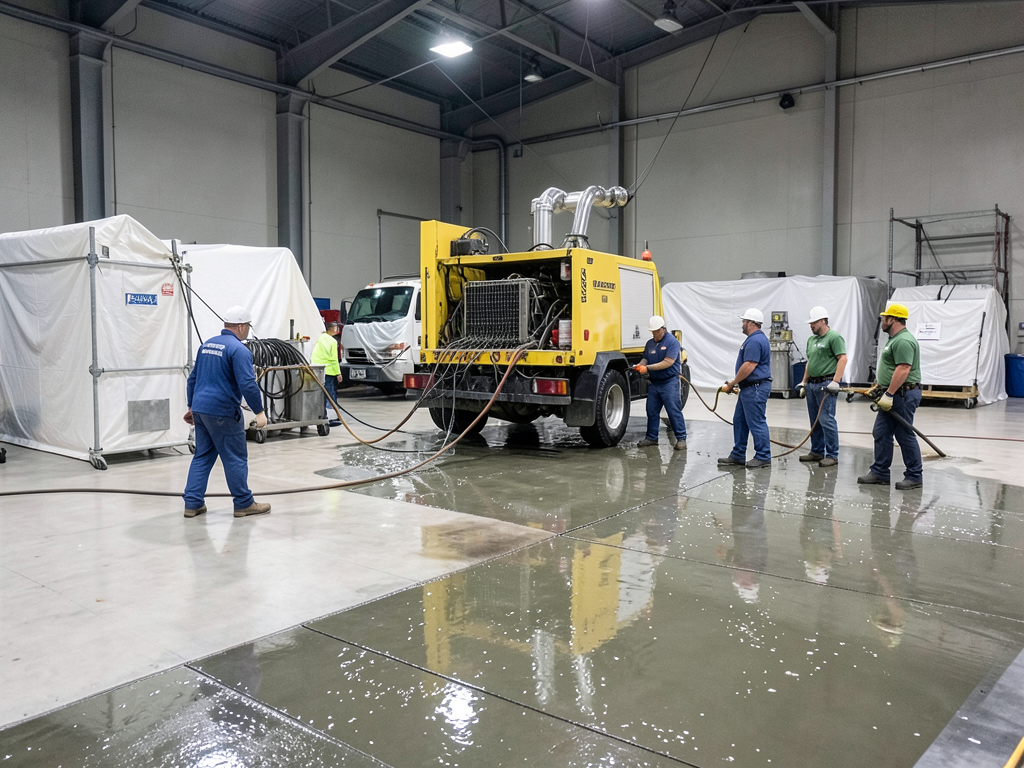
Water damage restoration requires speed, expertise, and complete execution. United Water Damage Restoration Los Angeles brings all three to every Monterey Park emergency. Our crews operate across the San Gabriel Valley with response times measured in minutes, not hours. We arrive with truck-mounted extraction systems that remove thousands of gallons per hour, portable generators for power-out situations, and thermal cameras that detect hidden moisture inside walls and ceilings.
Our technicians hold IICRC certifications in water damage restoration and applied structural drying. We follow industry protocols for moisture mapping, antimicrobial application, and controlled drying that prevents warping, swelling, and mold growth. Every job gets documented with photos, moisture readings, and detailed reports your insurance adjuster needs to process claims quickly.
We handle the entire restoration process under one roof. Water extraction leads directly into structural drying, then reconstruction of damaged materials. You work with one team from emergency call through final walkthrough. No handoffs to subcontractors who delay completion.
Our equipment inventory includes hundreds of air movers, commercial dehumidifiers, and specialty drying systems for hardwood floors, plaster walls, and content restoration. We deploy the right tools for your specific damage, whether that's a burst pipe flooding one room or a roof leak saturating multiple floors. Monterey Park properties get the same rapid response and complete restoration regardless of damage scale.

Our dispatch system sends certified crews to Monterey Park properties within 60 minutes of your call. We operate 24 hours a day, seven days a week, including holidays. When water is actively damaging your property, our trucks roll immediately with extraction equipment ready to deploy. Fast response stops water from spreading, limits damage to building materials, and prevents mold from taking hold.

We work directly with your insurance carrier to document damage, provide detailed estimates, and justify every restoration step. Our teams photograph conditions, log moisture readings, and create reports adjusters approve quickly. We know what insurance companies require because we handle hundreds of claims every year. This expertise speeds approval and gets restoration moving while damage is fresh.
Water damage restoration requires multiple skills. Our crews extract water, dry structures, remove damaged materials, treat for microbial growth, and rebuild affected areas. You get one team handling the entire project from emergency response through final repair. No waiting for subcontractors. No coordination headaches. We control quality and timeline because we control every phase of restoration work.
Monterey Park properties require local expertise. We know which neighborhoods have clay soil causing foundation seepage, where aging pipes fail most often, and how the area's construction types respond to water exposure. Our crews understand local building codes, work with area adjusters regularly, and maintain relationships with Monterey Park plumbers and contractors when specialized repairs need coordination.
Water intrusion damages properties in stages. Surface water becomes absorbed moisture. Absorbed moisture enables microbial growth. Unchecked growth destroys building materials and creates health hazards. United Water Damage Restoration Los Angeles stops this progression with services that address every phase of water damage.
Our emergency response team extracts standing water and begins structural drying within the first critical hours. Water removal services deploy truck-mounted systems that pull thousands of gallons from flooded spaces, while portable extractors handle carpets, upholstery, and contents. We remove water before it penetrates deeper into wall cavities and subfloors.
Water damage mitigation follows extraction. Our crews place air movers and dehumidifiers to create controlled drying conditions. Thermal imaging identifies wet materials hidden behind surfaces. Moisture meters track drying progress until readings match undamaged areas. This controlled approach prevents warping, swelling, and secondary damage that happens when materials dry too fast or too slow.
Water damage remediation completes the process. We remove materials too damaged to save, treat surfaces for microbial growth, and rebuild affected areas. Monterey Park properties return to pre-loss condition with repairs that match existing finishes and pass final inspection.
Standing water spreads and penetrates every minute it remains in your property. Our emergency extraction teams arrive with truck-mounted pumps that remove thousands of gallons per hour from flooded basements, crawl spaces, and living areas. Portable extractors handle carpets and contents. We contain the affected area, remove furniture and belongings to dry space, and document conditions for insurance claims. Fast extraction limits damage and reduces restoration costs.
Water absorbed into walls, ceilings, and floors requires controlled drying to prevent secondary damage. We deploy commercial air movers and dehumidifiers that create optimal drying conditions based on material type, moisture levels, and ambient conditions. Thermal imaging detects hidden moisture inside cavities. Daily moisture readings track progress until materials return to normal levels. This prevents warping, cracking, and mold growth that happens when materials stay wet or dry improperly.
Water damage cleanup includes removing materials too damaged to save and rebuilding affected areas. Our reconstruction crews replace drywall, insulation, flooring, and trim damaged by water exposure. We match existing finishes, textures, and colors so repairs blend seamlessly. Properties pass final inspection and return to full function. You get complete restoration under one contract with one team responsible for quality from emergency response through final walkthrough.
Monterey Park's mix of older housing stock, clay soil, and aging municipal infrastructure creates specific water damage risks. Properties built before 1980 often contain galvanized supply lines that corrode from inside, restricting flow until pressure builds and pipes burst. Homes near the Rio Hondo face elevated water tables during wet seasons that push moisture through foundation cracks and create chronic dampness in crawl spaces.
The area's clay soil expands when saturated, creating hydrostatic pressure against foundation walls. This pressure forces water through any crack or gap in waterproofing. Properties along lower elevations near Garvey Avenue and Atlantic Boulevard see this most often. Commercial buildings deal with roof membrane failures that allow water intrusion during winter storms, while multi-family properties face cascading damage when one unit's plumbing failure floods multiple spaces.
Fast response matters because California's climate supports rapid mold colonization. Materials that stay wet for 24 to 48 hours begin growing colonies that spread through porous surfaces. Professional water damage restoration prevents these secondary problems that cost more than the original water intrusion.
Aging galvanized pipes corrode internally until water pressure causes catastrophic failure. Burst pipes flood properties with clean water that quickly becomes contaminated as it spreads through living spaces. Supply lines under sinks and behind toilets fail without warning, releasing water under pressure that sprays walls and ceilings. Professional extraction and drying prevent water from penetrating wall cavities where it causes hidden damage and mold growth.
Clay soil throughout Monterey Park expands when saturated, pushing groundwater through foundation cracks and creating chronic dampness in basements and crawl spaces. Properties near the Rio Hondo face elevated water tables during wet seasons. This constant moisture exposure damages stored contents, promotes mold growth, and weakens structural members. Professional water damage mitigation includes identifying entry points and implementing permanent solutions.
Winter storms expose weaknesses in aging roof systems. Water enters through compromised flashing, damaged shingles, and deteriorated valleys. Once inside, water spreads through attic insulation and drips into ceilings and walls. Delayed discovery allows extensive damage to framing and drywall. Thermal imaging detects moisture hidden above ceilings so drying equipment reaches all affected materials before mold takes hold.
Water heaters last 10 to 15 years before tank corrosion causes catastrophic failure. A 50-gallon tank releases enough water to flood multiple rooms and saturate subflooring. Washing machine supply lines fail under constant pressure. Dishwasher leaks go unnoticed until water spreads under cabinets and into adjacent rooms. Fast response extracts water before it penetrates deeper into structural materials and requires extensive demolition.
Water emergencies create stress and uncertainty. You need clear information about what happens next, how long restoration takes, and what your property will look like when we finish. United Water Damage Restoration Los Angeles brings order to chaos with a structured response that starts the moment you call.
Our dispatcher gathers essential information about your situation. Water source, affected areas, safety concerns. This information determines crew size and equipment load. We provide an estimated arrival time and emergency guidance if water is still flowing or creating immediate danger.
Our crews arrive with extraction equipment, moisture detection tools, and documentation systems. The site supervisor assesses damage, identifies the water source, and creates an action plan. You receive clear explanation of the restoration process, timeline estimates, and insurance coordination steps. We answer questions and address concerns before work begins.
Communication continues throughout the project. You receive updates on drying progress, moisture readings, and next steps. Our project manager stays available by phone to address new concerns or questions. Transparency builds trust and reduces stress during an already difficult situation.
Our dispatch system sends crews to Monterey Park properties within 60 minutes of your call. You receive estimated arrival time and emergency guidance while our team is en route. Upon arrival, the site supervisor conducts a complete assessment and explains the restoration process in clear terms. We outline what needs to happen, realistic timelines, and your role in the insurance claim. Questions get answered before equipment deployment begins.
Water extraction begins immediately with industrial equipment that removes standing water in hours, not days. Air movers and dehumidifiers create controlled drying conditions monitored with daily moisture readings. We document conditions with photos and detailed logs your insurance adjuster needs. You receive regular updates on drying progress and timeline adjustments based on moisture readings. Our project manager remains available by phone to address concerns as they arise.
Once structural drying reaches acceptable moisture levels, reconstruction begins. We remove damaged materials, treat for microbial growth, and rebuild affected areas to match existing finishes. Final inspection ensures repairs meet code and quality standards. You walk through the completed project with our supervisor to verify satisfaction before we consider the job complete. Our work comes with documentation for insurance and future property transactions.
Water damage restoration follows a proven sequence. Each step builds on the previous one to stop damage, remove moisture, and restore your property. Our process has evolved through thousands of projects to deliver complete results efficiently.
Our crew arrives and immediately assesses the situation. We identify the water source, determine damage category, and map affected areas. Safety comes first. If water is still flowing, we coordinate with plumbers to stop the source. Truck-mounted extraction systems remove standing water while portable extractors handle carpets and contents. We document conditions with photos and moisture readings for insurance purposes. Affected areas get contained to prevent water spreading to undamaged spaces.
Commercial air movers and dehumidifiers create controlled drying conditions optimized for your building materials. Thermal imaging identifies moisture hidden in wall cavities and ceilings. We place equipment strategically to maximize airflow across wet surfaces. Daily moisture readings track drying progress in floors, walls, and structural members. Drying continues until readings match unaffected areas. This typically takes three to five days depending on materials and saturation levels.
Once moisture readings reach acceptable levels, we remove materials too damaged to save. Antimicrobial treatments prevent mold growth on salvageable surfaces. Reconstruction replaces drywall, insulation, flooring, and trim removed during the drying process. We match existing finishes and textures so repairs blend seamlessly. Final inspection ensures work meets building codes and quality standards. Your property returns to pre-loss condition with complete documentation for insurance and future reference.
Professional water damage restoration follows standards established by the Institute of Inspection, Cleaning and Restoration Certification. These protocols ensure complete moisture removal and prevent secondary damage like mold growth and structural deterioration. United Water Damage Restoration Los Angeles technicians hold IICRC certifications in water damage restoration and applied structural drying.
Water damage falls into three categories based on contamination level. Category 1 involves clean water from supply lines or rain. Category 2 contains significant contamination from appliances or toilet overflows. Category 3 includes sewage and flood water carrying dangerous pathogens. Each category requires specific handling protocols and personal protective equipment.
Drying standards require reducing materials to acceptable moisture content levels verified by calibrated meters. Wood framing should read below 15 percent moisture content. Concrete and masonry need specialized meters that measure deep moisture, not just surface readings. Gypsum drywall requires removal if moisture content exceeds 17 percent because paper facing supports mold growth.
California requires contractors performing water damage restoration to hold appropriate licenses. Our teams follow state regulations for waste disposal, antimicrobial application, and reconstruction work. We document the entire process with photos, moisture logs, and detailed reports that satisfy insurance requirements and protect your property value.
Proper drying prevents the most expensive problems. Mold remediation costs multiples more than proper initial drying. Structural repairs from warped framing or rotted members exceed water extraction costs. Professional restoration done right the first time protects your investment and prevents recurring problems.
The IICRC establishes science-based standards for water damage restoration. Certified technicians understand moisture physics, drying principles, and microbial growth conditions. Our crews follow documented protocols for assessment, extraction, drying, and restoration. This ensures consistent results and prevents the secondary damage that happens when water sits too long or materials dry improperly. IICRC certification demonstrates commitment to professional standards.
Clean water from supply lines requires different handling than toilet overflow or sewage backup. Category 3 water contains dangerous pathogens requiring personal protective equipment and specialized antimicrobial treatments. We assess contamination level immediately because it determines safety protocols, disposal requirements, and which materials get saved versus removed. Proper categorization protects your family's health and ensures insurance coverage.
Professional drying means reducing materials to scientifically verified moisture levels. We use calibrated moisture meters to track readings in wood framing, drywall, concrete, and other materials. Drying continues until readings match unaffected areas of your property. This prevents warping, cracking, and mold growth that happens when materials remain above acceptable moisture content. Daily documentation proves complete drying for insurance and protects against future claims.
Water damage restoration in California requires proper contractor licensing and adherence to state regulations. Our teams hold appropriate licenses for water extraction, structural drying, and reconstruction work. We follow regulations for antimicrobial application, waste disposal, and building code compliance. Proper licensing protects you from liability and ensures insurance coverage. Unlicensed contractors create risks that surface during claims processing.
United Water Damage Restoration Los Angeles explains the complete water damage restoration process for Monterey Park properties. This video covers emergency response procedures, water extraction methods, structural drying techniques, and reconstruction steps. Learn why immediate action prevents mold growth and secondary damage, how professional crews handle different water damage categories, and what to expect during the restoration timeline. Includes information about serving Monterey Park neighborhoods and surrounding San Gabriel Valley communities.
United Water Damage Restoration Los Angeles maintains rapid response capability throughout Monterey Park and the greater San Gabriel Valley. Our crews know the area's geography, construction types, and specific challenges facing properties in different neighborhoods.
Properties near Garvey Avenue and Atlantic Boulevard in the commercial district face water damage from roof system failures and supply line breaks in multi-tenant buildings. The older retail and office structures require careful drying to prevent damage to finished interiors and tenant improvements. We coordinate with property managers to minimize business interruption while ensuring complete moisture removal.
Residential areas around East Los Angeles College and the streets running south toward Garfield Avenue contain homes built in the 1950s through 1970s. These properties often have original galvanized plumbing prone to corrosion failures. Slab foundations common in this era allow water to travel underneath flooring before becoming visible. Our thermal imaging and moisture detection tools locate hidden damage before it spreads.
The neighborhoods near Monterey Highlands and along the eastern edges toward Alhambra sit at slightly higher elevations but still experience water intrusion from storm runoff and aging infrastructure. Properties here often feature basements and crawl spaces where water accumulates during wet seasons. We deploy pumps and drying equipment specifically configured for below-grade spaces.
Multi-family properties concentrated near the intersection of Newmark Avenue and Ramona Boulevard face cascading damage when plumbing failures in one unit affect multiple spaces. Shared wall construction allows water to spread horizontally through cavities. Our crews contain affected areas quickly and use specialized drying techniques that work within occupied buildings.
We also serve surrounding communities including Alhambra, Rosemead, Montebello, and East Los Angeles. Properties throughout the San Gabriel Valley get the same rapid response and complete restoration regardless of location. Our dispatch system routes the closest available crew with appropriate equipment for your specific situation. Living near the Rio Hondo or along major corridors like the I-10 or I-710 doesn't slow our response. We know the area and maintain staging locations that minimize travel time to active emergencies.
Water damage restoration costs in Monterey Park range from $1,500 to $10,000, depending on severity and affected areas. Factors include water category (clean, gray, or black), square footage, structural damage, and necessary mold remediation. A burst pipe in a single bathroom costs less than flooding across multiple rooms. Most reputable companies offer free inspections to assess damage and provide detailed estimates. Your insurance policy often covers sudden incidents like pipe bursts, but gradual leaks may not qualify. Get written estimates from multiple local contractors before committing to ensure fair pricing.
Yes. Professional water damage restoration prevents catastrophic long-term damage that costs far more than immediate intervention. Water seeps into drywall, subfloors, and framing within hours. Without proper drying and dehumidification, you face mold growth, structural rot, and compromised indoor air quality. In Monterey Park's climate, humidity accelerates these issues. DIY methods miss hidden moisture pockets behind walls and under flooring. Certified technicians use thermal imaging and moisture meters to find every wet spot. The investment protects your property value, prevents health hazards, and stops minor damage from becoming a total loss situation.
Servpro typically completes water extraction within 24 to 48 hours after arrival, but full restoration takes three to seven days depending on damage extent. Drying time varies based on humidity levels and affected materials. They follow industry-standard protocols for moisture monitoring and equipment placement. While Servpro operates as a franchise network with variable response times, local Monterey Park restoration companies often provide faster arrival times since they serve smaller service areas. Always confirm estimated timelines in writing and ask about their current workload before committing. Emergency response speed matters when water damage occurs.
Water damage restoration costs in Monterey Park range from $1,500 to $10,000, depending on severity and affected areas. Factors include water category (clean, gray, or black), square footage, structural damage, and necessary mold remediation. A burst pipe in a single bathroom costs less than flooding across multiple rooms. Most reputable companies offer free inspections to assess damage and provide detailed estimates. Your insurance policy often covers sudden incidents like pipe bursts, but gradual leaks may not qualify. Get written estimates from multiple local contractors before committing to ensure fair pricing.
Yes. Professional water damage restoration prevents catastrophic long-term damage that costs far more than immediate intervention. Water seeps into drywall, subfloors, and framing within hours. Without proper drying and dehumidification, you face mold growth, structural rot, and compromised indoor air quality. In Monterey Park's climate, humidity accelerates these issues. DIY methods miss hidden moisture pockets behind walls and under flooring. Certified technicians use thermal imaging and moisture meters to find every wet spot. The investment protects your property value, prevents health hazards, and stops minor damage from becoming a total loss situation.
Servpro typically completes water extraction within 24 to 48 hours after arrival, but full restoration takes three to seven days depending on damage extent. Drying time varies based on humidity levels and affected materials. They follow industry-standard protocols for moisture monitoring and equipment placement. While Servpro operates as a franchise network with variable response times, local Monterey Park restoration companies often provide faster arrival times since they serve smaller service areas. Always confirm estimated timelines in writing and ask about their current workload before committing. Emergency response speed matters when water damage occurs.
Stop the water source immediately if safe. Turn off the main water valve for pipe bursts or appliance supply lines for leaks. Move valuables and electronics to dry areas. Document everything with photos and videos for insurance claims. Do not enter standing water if electrical outlets are submerged. Call a water damage restoration company within the first hour. Extract standing water with towels or a wet vacuum if you can do so safely. Open windows for ventilation if weather permits. Contact your insurance carrier to report the claim. Speed matters because mold starts growing within 24 to 48 hours in Monterey Park's humidity.
Most homeowners insurance policies cover sudden and accidental water damage like burst pipes, appliance malfunctions, or roof leaks from storm damage. Policies exclude gradual damage from poor maintenance, like slow pipe corrosion or long-term roof deterioration. Flood damage requires separate flood insurance through FEMA. Review your policy declarations page for coverage limits and deductibles. Document damage immediately with photos. Most insurance companies require prompt notification and mitigation efforts. Your restoration company should provide detailed invoices and moisture readings to support your claim. Many Monterey Park restoration contractors work directly with insurance adjusters to streamline the process.
Verify the company holds proper California contractor licensing and carries liability insurance. Check response time guarantees for emergencies. Ask about their equipment inventory, including industrial dehumidifiers and air movers. Request references from recent Monterey Park clients. Ensure they provide written estimates and detailed scope of work before starting. Look for IICRC certification, which indicates proper training in water damage restoration protocols. Avoid companies requiring large upfront deposits. Confirm they offer direct insurance billing to simplify claims. A local company with knowledge of Monterey Park building codes and common property types responds faster and understands regional water damage patterns better than national chains.
The average homeowners insurance water damage claim in California ranges from $7,000 to $12,000. Actual payouts depend on your deductible, policy limits, and damage extent. Category 3 water damage (sewage backups) claims average higher than clean water incidents. Insurance covers structural repairs, content restoration, and temporary housing if needed. Depreciation and policy exclusions reduce final payouts. Many Monterey Park homeowners face claims between $4,000 and $8,000 for typical burst pipe scenarios. Document everything thoroughly. Your restoration company's detailed invoice helps maximize your claim settlement. Claims for preventable maintenance issues often get denied or reduced.
Mold spores begin colonizing within 24 to 48 hours in wet environments. Visible mold growth appears within 48 to 72 hours under ideal conditions. Monterey Park's climate accelerates this timeline when indoor humidity exceeds 60 percent. Porous materials like drywall, insulation, and carpet harbor mold fastest. Hidden moisture inside wall cavities or under flooring creates mold you cannot see until it spreads. Professional water extraction and dehumidification within the first 24 hours prevents mold establishment. Once mold takes hold, you need separate mold remediation services. Speed matters. Every hour of delayed drying increases your mold risk exponentially.
Call immediately for any standing water, visible ceiling stains, or saturated flooring. Do not wait if you smell musty odors or notice warped walls. Emergency situations include burst pipes, sewage backups, appliance floods, or roof leaks during storms. Even small leaks under sinks require professional assessment because hidden moisture spreads behind walls. If you can see or feel water damage, moisture already exists in places you cannot access. Monterey Park homeowners should call within the first hour of discovering damage. Waiting even 24 hours dramatically increases repair costs and mold risk. Professional moisture detection finds problems before they become catastrophic.
Servpro offers nationwide brand recognition and standardized protocols. Their franchise model provides consistent training and equipment. Advantages include 24/7 availability and direct insurance billing. Disadvantages include franchise variability in service quality and response times. Corporate overhead often means higher costs than local competitors. Some Monterey Park property owners report slower response times because franchises cover large territories. Local independent restoration companies typically arrive faster, charge less, and provide personalized service with owner involvement on every job. Servpro works well for commercial properties needing multi-location coordination, but local companies often outperform them for residential emergencies requiring immediate neighborhood response.
Stop the water source immediately if safe. Turn off the main water valve for pipe bursts or appliance supply lines for leaks. Move valuables and electronics to dry areas. Document everything with photos and videos for insurance claims. Do not enter standing water if electrical outlets are submerged. Call a water damage restoration company within the first hour. Extract standing water with towels or a wet vacuum if you can do so safely. Open windows for ventilation if weather permits. Contact your insurance carrier to report the claim. Speed matters because mold starts growing within 24 to 48 hours in Monterey Park's humidity.
Most homeowners insurance policies cover sudden and accidental water damage like burst pipes, appliance malfunctions, or roof leaks from storm damage. Policies exclude gradual damage from poor maintenance, like slow pipe corrosion or long-term roof deterioration. Flood damage requires separate flood insurance through FEMA. Review your policy declarations page for coverage limits and deductibles. Document damage immediately with photos. Most insurance companies require prompt notification and mitigation efforts. Your restoration company should provide detailed invoices and moisture readings to support your claim. Many Monterey Park restoration contractors work directly with insurance adjusters to streamline the process.
Verify the company holds proper California contractor licensing and carries liability insurance. Check response time guarantees for emergencies. Ask about their equipment inventory, including industrial dehumidifiers and air movers. Request references from recent Monterey Park clients. Ensure they provide written estimates and detailed scope of work before starting. Look for IICRC certification, which indicates proper training in water damage restoration protocols. Avoid companies requiring large upfront deposits. Confirm they offer direct insurance billing to simplify claims. A local company with knowledge of Monterey Park building codes and common property types responds faster and understands regional water damage patterns better than national chains.
The average homeowners insurance water damage claim in California ranges from $7,000 to $12,000. Actual payouts depend on your deductible, policy limits, and damage extent. Category 3 water damage (sewage backups) claims average higher than clean water incidents. Insurance covers structural repairs, content restoration, and temporary housing if needed. Depreciation and policy exclusions reduce final payouts. Many Monterey Park homeowners face claims between $4,000 and $8,000 for typical burst pipe scenarios. Document everything thoroughly. Your restoration company's detailed invoice helps maximize your claim settlement. Claims for preventable maintenance issues often get denied or reduced.
Mold spores begin colonizing within 24 to 48 hours in wet environments. Visible mold growth appears within 48 to 72 hours under ideal conditions. Monterey Park's climate accelerates this timeline when indoor humidity exceeds 60 percent. Porous materials like drywall, insulation, and carpet harbor mold fastest. Hidden moisture inside wall cavities or under flooring creates mold you cannot see until it spreads. Professional water extraction and dehumidification within the first 24 hours prevents mold establishment. Once mold takes hold, you need separate mold remediation services. Speed matters. Every hour of delayed drying increases your mold risk exponentially.
Call immediately for any standing water, visible ceiling stains, or saturated flooring. Do not wait if you smell musty odors or notice warped walls. Emergency situations include burst pipes, sewage backups, appliance floods, or roof leaks during storms. Even small leaks under sinks require professional assessment because hidden moisture spreads behind walls. If you can see or feel water damage, moisture already exists in places you cannot access. Monterey Park homeowners should call within the first hour of discovering damage. Waiting even 24 hours dramatically increases repair costs and mold risk. Professional moisture detection finds problems before they become catastrophic.
Servpro offers nationwide brand recognition and standardized protocols. Their franchise model provides consistent training and equipment. Advantages include 24/7 availability and direct insurance billing. Disadvantages include franchise variability in service quality and response times. Corporate overhead often means higher costs than local competitors. Some Monterey Park property owners report slower response times because franchises cover large territories. Local independent restoration companies typically arrive faster, charge less, and provide personalized service with owner involvement on every job. Servpro works well for commercial properties needing multi-location coordination, but local companies often outperform them for residential emergencies requiring immediate neighborhood response.
United Water Damage Restoration Los Angeles is proud to service the entire Los Angeles area and surrounding communities. View our central location on the map to see our strategic positioning, which enables us to provide our guaranteed rapid response times across the region. If you need immediate assistance, please do not drive to our office; instead, call our 24/7 emergency hotline, and our fully-equipped team will be dispatched directly to your property without delay.
Address:
Monterey Park, CA, 91801

Restoring a Flooded Medical Clinic in Century City Without Compromising Patient Privacy or Sterile Zones When water floods a medical clinic in Century City the stakes go far beyond wet carpets. Patient records must stay…
Water Damage Mitigation Strategies for Sound Stages and Production Facilities in Burbank Burbank's entertainment industry…
Removing Yellow Water Stains from the Luxury Marble in Your Beverly Hills Bathroom\n\nYour marble bathroom…
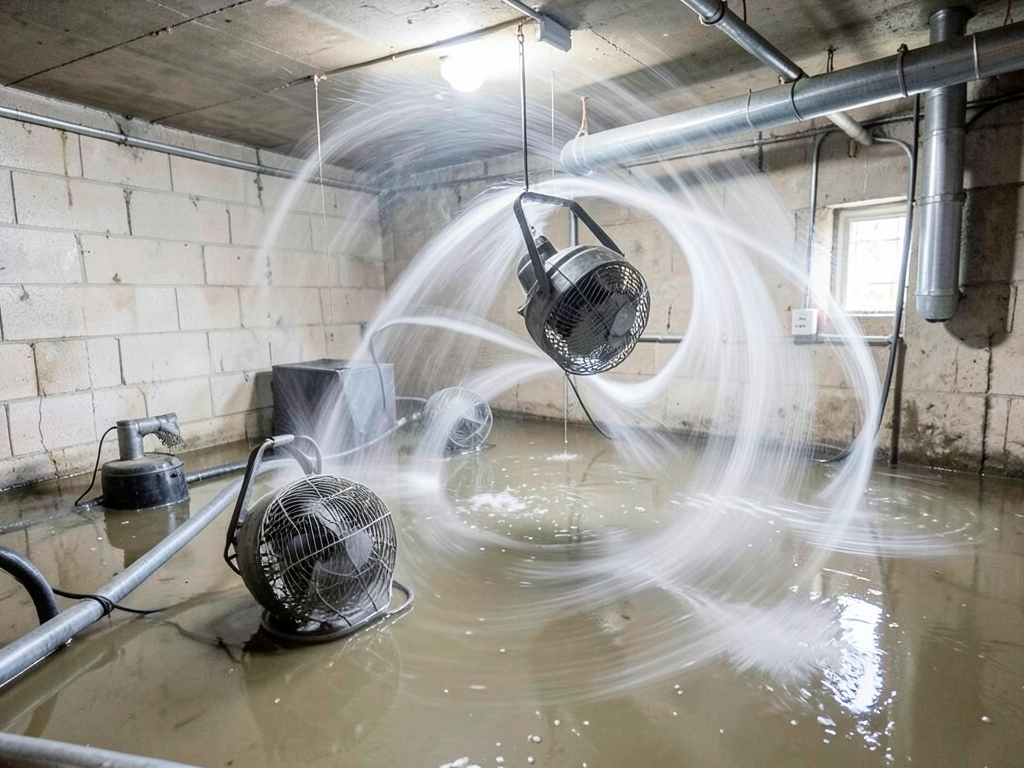
Why Household Fans Are Not Enough to Dry Out a Flooded Basement in Hollywood Hills…
Every hour water sits in your Monterey Park property increases damage and restoration costs. United Water Damage Restoration Los Angeles responds immediately with certified crews and industrial equipment. Call (209) 255-2558 now for emergency dispatch. Our teams are standing by 24/7 to stop damage and start recovery.