




Bell Gardens sits in the lower Rio Hondo floodplain where high water tables and aging infrastructure create vulnerability to water intrusion. The city's position downstream from Whittier Narrows Dam means rapid runoff during winter storms, with the Rio Hondo River overtopping its banks during heavy rainfall events. Properties near the Gage Avenue corridor and areas south of Florence Avenue face particularly high risk during seasonal flooding.
The housing stock in Bell Gardens presents additional challenges. Most homes were built between 1950 and 1970 with concrete slab foundations that crack over time, allowing groundwater seepage. Original galvanized steel plumbing corrodes after decades of exposure to our mineral-rich water supply, leading to sudden pipe failures. Post-tensioned concrete slabs in commercial buildings along Eastern Avenue can shift during seismic activity, compromising plumbing systems.
Southern California's Mediterranean climate creates a false sense of security. When rain does arrive between November and March, our hardened clay soil cannot absorb the sudden deluge. Water pools against foundations, finding entry through expansion joints and window wells. Indoor humidity levels surge in poorly ventilated homes, creating ideal conditions for mold growth within 24 to 48 hours of water exposure.
Water damage accelerates faster than most property owners realize. Drywall begins wicking moisture vertically within minutes. Carpet padding becomes a bacterial breeding ground within hours. Structural lumber starts delaminating within days. United Water Damage Restoration Los Angeles maintains a dispatch center three miles from Bell Gardens with fully equipped trucks staged for immediate deployment.
Our technicians train specifically on the construction methods common to Bell Gardens housing stock. We understand how moisture migrates through stucco exteriors with no vapor barrier, how water travels along the top plate in platform-framed walls, and how it pools beneath vinyl flooring installed directly over concrete. This knowledge determines extraction strategy, drying equipment placement, and demolition scope.
We hold IICRC certifications in Water Damage Restoration and Applied Structural Drying, meeting the standards insurance carriers require for direct billing. Our thermal imaging cameras detect hidden moisture in wall cavities and ceiling assemblies before mold colonizes. We document moisture content with penetrating and non-invasive meters, creating the paper trail adjusters need to approve your claim.
Every water damage restoration project connects to our 24-hour answering service. You reach a trained technician, not a voicemail system, when a pipe bursts at 2 a.m. or when you return from vacation to find a flooded kitchen. We dispatch within the hour because we know that speed determines whether your hardwood floors can be saved or whether mold remediation becomes necessary.

Our Bell Gardens response team deploys within one hour of your emergency call. Trucks carry truck-mounted extractors, commercial dehumidifiers, and air movers to begin water removal immediately upon arrival. Fast response prevents secondary damage that multiplies restoration costs and extends displacement time for your family or business operations.

We communicate directly with your insurance carrier, providing the documentation adjusters require to approve water damage claims. Our estimates follow Xactimate pricing databases that carriers use for loss valuation. You pay only your deductible while we handle the paperwork, negotiations, and follow-up that bog down most claims.
Every crew member holds current certification from the Institute of Inspection Cleaning and Restoration Certification. This training covers water classification, contamination categories, drying science, and microbial remediation protocols. We follow industry standards rather than shortcuts, ensuring thorough restoration that passes third-party inspections and protects your property value.
We work exclusively in Los Angeles County, giving us deep knowledge of municipal building codes, permit requirements, and local contractor networks for reconstruction. Our technicians understand how Bell Gardens properties respond to water intrusion based on age, construction method, and soil conditions. This local focus delivers faster, more effective restoration than regional franchises.
Water intrusion demands different responses depending on source, contamination level, and affected materials. Clean water from a supply line break requires extraction and structural drying. Gray water from an appliance overflow needs sanitization protocols. Black water from a sewage backup mandates hazmat procedures and complete material removal.
United Water Damage Restoration Los Angeles provides the full spectrum of water damage services under one roof. You work with a single point of contact from emergency response through final reconstruction. We coordinate all phases of restoration rather than forcing you to manage multiple contractors during an already stressful situation.
Our service categories address the distinct needs Bell Gardens property owners face. Residential projects focus on protecting belongings, maintaining indoor air quality, and minimizing displacement time. Commercial work prioritizes business continuity, documentation for interruption claims, and code-compliant reconstruction. Emergency response concentrates on damage mitigation when every minute impacts the scope and cost of restoration.
Each category deploys specialized equipment, follows different protocols, and requires unique expertise. Residential technicians understand how to protect hardwood floors and work around furniture. Commercial crews know how to isolate affected areas while businesses remain operational. Emergency teams bring portable generators and submersible pumps to handle catastrophic flooding scenarios.
When water accumulates faster than you can control it, our emergency extraction teams deploy truck-mounted pumps capable of removing thousands of gallons per hour. We handle flooded basements, broken water mains, appliance failures, and storm intrusion with equipment sized to the crisis. Immediate extraction prevents water from migrating to unaffected areas, reduces structural damage to framing and subfloors, and shortens the drying timeline. Our crews work through the night on active flooding situations, stopping the damage before addressing restoration.
After visible water is extracted, moisture remains trapped in building materials. We deploy commercial dehumidifiers and air moving equipment to create the airflow and vapor pressure differential needed for complete drying. Technicians monitor moisture levels daily with calibrated meters, adjusting equipment placement as materials dry. Wall cavities receive focused drying through injection systems. Hardwood floors get mat drying systems that prevent cupping and buckling. We maintain drying equipment until materials return to acceptable moisture content, typically five to seven days for standard water damage.
Water damage from sewage backups, toilet overflows, or prolonged flooding requires contamination protocols beyond standard drying. Our remediation teams remove affected porous materials that cannot be adequately sanitized. We apply EPA-registered antimicrobials to salvageable surfaces, addressing bacteria and preventing mold colonization. HEPA air scrubbers maintain negative pressure in work areas, preventing cross-contamination. Category 3 water damage receives complete material removal including drywall, insulation, carpet, and baseboards. Structural framing is treated, dried, and cleared by moisture readings before reconstruction begins.
Bell Gardens properties encounter predictable water intrusion patterns based on local conditions. Understanding these common problems helps property owners recognize early warning signs before minor moisture issues escalate into major restoration projects.
The area's aging infrastructure creates vulnerability points throughout residential and commercial buildings. Original plumbing installed in the 1950s and 1960s reaches the end of its service life, leading to sudden failures that flood properties without warning. Concrete slab foundations crack from decades of expansion and contraction, opening pathways for groundwater intrusion.
Environmental factors compound construction vulnerabilities. Winter storms overwhelm gutters and downspouts, directing water against foundations. Landscaping installed too close to structures traps moisture against exterior walls. Air conditioning condensate lines clog with algae growth, causing slow leaks that rot wall cavities before residents notice water stains.
Commercial properties face additional challenges. Flat roofs with degraded membrane systems allow water penetration during rain events. Failed plumbing in multi-tenant buildings affects multiple units simultaneously. Refrigeration equipment in restaurants and markets creates continuous condensation that saturates surrounding structures when drain lines fail.
Post-tensioned concrete slabs in Bell Gardens homes develop stress cracks over time, particularly along the cable runs. Copper supply lines embedded in these slabs corrode from contact with concrete, leading to pinhole leaks that saturate subfloors and carpet. Detecting slab leaks requires pressure testing and acoustic equipment before breaking through flooring to access failed pipes.
Homes built before 1970 contain galvanized steel plumbing that corrodes from the inside out. These pipes fail suddenly, often at threaded connections, releasing water under full pressure into wall cavities and ceiling assemblies. The resulting damage affects multiple rooms before residents locate shutoff valves. Complete repiping becomes necessary to prevent recurring failures.
Air conditioning systems in Bell Gardens operate for extended periods during warm months, producing gallons of condensation daily. When drain lines clog with biofilm and algae, water overflows from drip pans directly into ceiling cavities or attic spaces. The slow leak continues undetected until ceiling drywall collapses or mold odors become noticeable. Regular maintenance prevents these failures.
Water damage restoration follows a structured process designed to protect your property, document losses for insurance, and return structures to pre-loss condition. Understanding what happens at each phase helps you prepare for the disruption and make informed decisions about material replacement versus restoration.
United Water Damage Restoration Los Angeles prioritizes clear communication throughout the project. You receive daily updates on drying progress, material conditions, and timeline adjustments. Our technicians explain what they are doing and why, helping you understand the science behind structural drying and the necessity of equipment that may seem excessive.
Most residential water damage projects take five to ten days from initial extraction through final equipment removal. This timeline assumes prompt mitigation, standard building materials, and normal drying conditions. Factors that extend restoration include delayed response allowing mold growth, specialty materials like hardwood or plaster that dry slowly, and humidity spikes from additional rain during the drying process.
Commercial projects involve additional complexity from business operations, tenant coordination, and building code requirements for reconstruction. We work with your schedule to minimize disruption, performing noisy work during closed hours and isolating unaffected areas so business continues.
Our technician arrives within 60 minutes to assess damage scope, identify the water source, and begin emergency mitigation. This includes stopping active leaks, extracting standing water, removing saturated materials that cannot be saved, and deploying initial drying equipment. We photograph all damage for insurance documentation and provide you with an emergency services authorization form that clearly states scope and pricing before work begins.
Technicians visit daily to record moisture readings in affected materials, empty dehumidifier reservoirs, and adjust air mover positions as drying progresses. We maintain detailed moisture logs that insurance adjusters require and use thermal imaging to verify complete drying behind walls and under flooring. You receive text updates after each visit with current moisture levels and projected completion dates for equipment removal.
When moisture readings reach acceptable levels, we remove all drying equipment and provide final documentation of material conditions. If reconstruction is needed, we coordinate with licensed contractors for drywall replacement, painting, flooring installation, and finish work. You receive a single comprehensive invoice that insurance carriers can process efficiently rather than juggling multiple bills from separate contractors for different phases.
We follow the IICRC S500 Standard for Water Damage Restoration, which establishes protocols based on water category, material type, and contamination level. This systematic approach ensures thorough restoration while preventing unnecessary demolition.
Technicians identify the water source, determine contamination category, and map affected areas with moisture meters and thermal cameras. We classify materials as Class 1 through Class 4 based on absorption rate and develop a drying strategy specific to your building construction. This assessment determines equipment needs, project timeline, and estimated costs. You receive a written scope of work before mitigation begins, with clear explanations of what will be dried in place versus removed.
Truck-mounted extractors remove standing water from floors and carpets. Technicians then position commercial dehumidifiers and air movers to create optimal drying conditions based on material type and moisture levels. Wall cavities receive focused drying through injection ports. Hardwood floors get specialized mat systems. We maintain equipment 24 hours daily, adjusting placement as materials dry. Daily monitoring ensures we detect any problems before they compromise the drying timeline or material integrity.
Materials must reach moisture content appropriate to Los Angeles County's climate before we remove equipment. Wood framing should measure below 15 percent. Concrete below 4 percent. Drywall below 1 percent. We provide final moisture readings and thermal images proving complete drying. All documentation transfers to you for insurance claim submission. If reconstruction is required, we coordinate licensed contractors to complete repairs using materials that match your existing finishes.
Professional water damage restoration requires understanding how moisture behaves in building assemblies and which materials can be salvaged versus those requiring replacement. The IICRC S500 Standard categorizes water by contamination level and classifies materials by absorption rate, creating a framework for appropriate response.
Category 1 water originates from sanitary sources like supply lines or rainwater that has not contacted contaminated surfaces. This water poses no substantial health risk if dried promptly. Category 2 water contains contamination that could cause discomfort or illness, such as washing machine discharge or toilet overflow with urine only. Category 3 water is grossly contaminated and contains pathogenic agents, including sewage backups, rising floodwater, or any water that has remained stagnant for more than 72 hours allowing bacterial growth.
The water category determines salvageability of materials. Category 1 allows restoration of most building materials if dried within 48 hours. Category 2 requires removal of porous materials like carpet padding and insulation. Category 3 mandates complete removal of all porous materials that contacted the water, including drywall, carpet, and insulation.
Material classification affects drying strategy. Class 1 involves minimal absorption into materials with low porosity. Class 2 affects an entire room with significant moisture absorption in materials. Class 3 water comes from overhead or saturates walls, ceilings, insulation, and sub-floors. Class 4 requires specialty drying for materials like hardwood, plaster, and concrete that absorb moisture deeply and dry slowly.
Psychrometry, the science of air and moisture, governs structural drying. Dehumidifiers remove moisture from air, lowering relative humidity and creating vapor pressure that pulls moisture from wet materials. Air movers create airflow across surfaces, accelerating evaporation. The combination creates optimal drying conditions measured by daily moisture readings in affected materials.
Los Angeles County requires permits for reconstruction exceeding five hundred dollars in value. Water damage projects that involve electrical work, plumbing repairs, or structural modifications require licensed contractors and inspections from Bell Gardens Building and Safety Division. We coordinate all permitting and inspections as part of comprehensive restoration.
Professional restoration requires equipment beyond what property owners possess. Thermal imaging cameras detect temperature differentials caused by evaporative cooling in wet materials, revealing moisture hidden behind walls or under flooring. Penetrating moisture meters measure water content deep in lumber and concrete. Non-invasive meters scan surfaces without causing damage. Thermo-hygrometers monitor air temperature and relative humidity to verify equipment is creating proper drying conditions.
Water damage restoration costs depend on water volume, contamination category, affected square footage, and material types. Emergency extraction typically costs less than structural drying, which requires equipment deployment for multiple days. Category 3 water damage costs more than Category 1 because of material removal requirements and hazmat protocols. Hardwood floors and plaster walls increase costs because they dry slowly and require specialty equipment. Insurance usually covers sudden failures like pipe bursts but excludes gradual damage from long-term leaks.
Standard water damage in Bell Gardens homes requires five to seven days for complete structural drying under normal conditions. This assumes prompt response, proper equipment, and stable weather. Factors that extend timelines include delayed mitigation allowing mold growth, additional rain during drying, and specialty materials like hardwood or plaster. Complete restoration including reconstruction takes two to four weeks depending on material availability and permit requirements. Commercial projects with business continuity needs may require phased restoration over several weeks.
The Institute of Inspection Cleaning and Restoration Certification publishes consensus standards that insurance carriers reference in coverage determinations. The S500 Standard for Water Damage Restoration establishes protocols for assessment, mitigation, and drying. Technicians holding Water Restoration Technician and Applied Structural Drying certifications demonstrate knowledge of these standards. Insurance carriers often require IICRC compliance for direct billing and may deny claims for work that does not follow industry standards.
Professional water damage restoration services in Bell Gardens California. This video explains the complete restoration process including emergency water extraction, structural drying procedures, contamination protocols, and reconstruction coordination. Learn about IICRC standards for water damage mitigation, moisture detection technology, and timeline expectations for residential and commercial properties. United Water Damage Restoration Los Angeles provides detailed information on handling pipe bursts, slab leaks, storm flooding, and sewage backups in Bell Gardens homes and businesses.
United Water Damage Restoration Los Angeles provides emergency water damage services throughout Bell Gardens and adjacent Los Angeles County communities. Our central dispatch location ensures rapid response to properties in every neighborhood, from the residential areas south of Florence Avenue to the commercial corridor along Eastern Avenue.
The northern section of Bell Gardens near Gage Avenue contains a mix of single-family homes and multi-family properties built primarily in the 1950s. These structures face water damage from aging plumbing systems and concrete slab foundations that crack over time. Properties closest to the Rio Hondo River channel experience elevated risk during winter storm events when the waterway swells with runoff from upstream communities.
The downtown district along Eastern Avenue includes commercial buildings, retail centers, and light industrial facilities. These structures require specialized restoration approaches that minimize business disruption and address tenant concerns in multi-occupancy buildings. Flat roof systems common to commercial construction create vulnerability to water intrusion during periods of deferred maintenance.
Residential neighborhoods between Salt Lake Avenue and Scout Avenue feature predominantly single-story homes on concrete slabs with attached garages. Water damage in these properties often involves supply line failures under slabs or appliance overflows from washing machines and water heaters located in garages. The lack of crawl spaces or basements simplifies drying but complicates access to failed plumbing.
We maintain rapid response capability throughout the greater Bell Gardens metro area, including neighboring communities like Commerce, Cudahy, Maywood, and South Gate. Properties near the Los Angeles County and Orange County border receive the same 60-minute dispatch guarantee as addresses in central Bell Gardens. Our technicians know the local streets, understand traffic patterns during rush hours, and can reach your property quickly regardless of location.
Bell Gardens property owners benefit from our exclusive focus on Los Angeles County. We understand local building codes, maintain relationships with municipal inspectors, and know which reconstruction materials match the architectural styles common to the area. This local expertise delivers faster permitting, more accurate estimates, and smoother insurance claim processing than regional companies serving multiple counties.
Most water damage restoration companies in Bell Gardens respond within 60 to 90 minutes of your call. Many operate 24/7 and prioritize emergency situations like burst pipes or flooding. Response time depends on the company's location, current workload, and time of day. Companies serving Bell Gardens typically have crews stationed nearby to reach you fast. When you call, ask for an estimated arrival time. Quick response matters because water spreads fast and causes more damage with each passing hour. The sooner technicians start extraction and drying, the better your outcome.
Water damage restoration expenses in Bell Gardens vary widely based on damage severity, affected area size, and water type. A small leak affecting one room costs less than whole-house flooding. Clean water from a supply line costs less to address than contaminated water from sewage backups. Your restoration company will inspect your property and provide a detailed estimate before starting work. Many companies work directly with insurance providers to help you navigate coverage. Get multiple quotes from local Bell Gardens companies and compare their services, equipment, and experience before deciding.
Water damage restoration in Bell Gardens typically takes three to five days for minor incidents and one to two weeks for extensive damage. The timeline depends on water quantity, affected materials, and structural involvement. Extraction and initial cleanup happen within the first day. Drying and dehumidification take two to four days for most properties. If reconstruction is needed after removing damaged materials, add several more days. High humidity in Southern California sometimes extends drying time. Your technician will monitor moisture levels daily and adjust equipment as needed to complete the job properly.
Most water damage restoration companies in Bell Gardens respond within 60 to 90 minutes of your call. Many operate 24/7 and prioritize emergency situations like burst pipes or flooding. Response time depends on the company's location, current workload, and time of day. Companies serving Bell Gardens typically have crews stationed nearby to reach you fast. When you call, ask for an estimated arrival time. Quick response matters because water spreads fast and causes more damage with each passing hour. The sooner technicians start extraction and drying, the better your outcome.
Water damage restoration expenses in Bell Gardens vary widely based on damage severity, affected area size, and water type. A small leak affecting one room costs less than whole-house flooding. Clean water from a supply line costs less to address than contaminated water from sewage backups. Your restoration company will inspect your property and provide a detailed estimate before starting work. Many companies work directly with insurance providers to help you navigate coverage. Get multiple quotes from local Bell Gardens companies and compare their services, equipment, and experience before deciding.
Water damage restoration in Bell Gardens typically takes three to five days for minor incidents and one to two weeks for extensive damage. The timeline depends on water quantity, affected materials, and structural involvement. Extraction and initial cleanup happen within the first day. Drying and dehumidification take two to four days for most properties. If reconstruction is needed after removing damaged materials, add several more days. High humidity in Southern California sometimes extends drying time. Your technician will monitor moisture levels daily and adjust equipment as needed to complete the job properly.
Most homeowners insurance policies in Bell Gardens cover sudden and accidental water damage like burst pipes or appliance failures. They typically exclude gradual damage from poor maintenance or flooding from external sources. Review your policy to understand your specific coverage limits and deductibles. Take photos of all damage before cleanup begins. Contact your insurance company immediately after discovering water damage. Many Bell Gardens restoration companies work directly with insurers and help you file claims. Keep all receipts and documentation throughout the restoration process for your insurance records.
Call for immediate water damage restoration if you see standing water, wet ceilings or walls, or water actively flowing into your Bell Gardens home. Other urgent signs include buckled floors, swollen baseboards, musty odors, or visible mold growth. Discolored walls or ceilings indicate water accumulation behind surfaces. If you hear dripping sounds inside walls or notice electrical issues near wet areas, get help right away. Water damage worsens each hour and leads to structural problems and mold within 24 to 48 hours. Trust your instincts when something seems wrong.
You might stay in your Bell Gardens home during minor water damage restoration affecting one room. For extensive damage involving multiple rooms, sewage contamination, or major structural work, you should relocate temporarily. Loud drying equipment runs continuously for days, making normal activities difficult. Some situations create health risks from airborne contaminants or mold spores. Your restoration company will assess safety conditions and advise whether staying makes sense. If you must leave, document this for your insurance claim. Many policies include additional living expenses coverage for temporary housing during major restoration work.
Choose a Bell Gardens water damage restoration company with proper certifications from organizations like the IICRC. Check online reviews and ask neighbors for recommendations. Verify they offer 24/7 emergency service and fast response times. Ask about their experience with your specific damage type. Request references from recent Bell Gardens customers. Compare estimates from at least three companies before deciding. Look for companies using professional-grade equipment and offering detailed written estimates. Ask about their process, timeline, and how they communicate throughout the project. A good company answers your questions patiently and explains each restoration step.
Bell Gardens water damage restoration companies use industrial-grade water extractors to remove standing water quickly. They deploy air movers and commercial dehumidifiers to dry structures and contents thoroughly. Moisture meters and thermal imaging cameras detect hidden water in walls, floors, and ceilings. Air scrubbers with HEPA filters remove airborne contaminants and prevent mold spores from spreading. Companies use antimicrobial treatments to sanitize affected areas. Professional equipment works faster and more effectively than household fans or dehumidifiers. Technicians monitor moisture levels daily and adjust equipment placement to ensure complete drying before restoration ends.
Prevent mold after water damage in Bell Gardens by starting restoration within 24 to 48 hours. Remove standing water immediately using pumps or extractors. Run commercial dehumidifiers and air movers to dry all surfaces completely. Remove and discard porous materials like drywall, insulation, and carpet padding if they stayed wet beyond 48 hours. Clean and disinfect all affected surfaces with antimicrobial solutions. Monitor humidity levels and keep them below 60 percent. Ensure proper ventilation throughout your home during drying. Address any ongoing moisture sources like leaks or poor drainage to prevent future mold growth.
Aging plumbing systems cause the most water damage in Bell Gardens homes. Older galvanized pipes corrode and burst without warning. Water heater failures flood garages and adjacent rooms. Washing machine supply lines fail frequently, especially older rubber hoses. Toilet supply lines and wax ring failures create bathroom flooding. Heavy winter rains sometimes overwhelm gutters and foundation drainage systems. Air conditioner condensate line clogs cause water backup. Slab leaks from pipes beneath concrete foundations occur in older Bell Gardens neighborhoods. Regular plumbing inspections and preventive maintenance reduce your risk of water damage significantly.
Most homeowners insurance policies in Bell Gardens cover sudden and accidental water damage like burst pipes or appliance failures. They typically exclude gradual damage from poor maintenance or flooding from external sources. Review your policy to understand your specific coverage limits and deductibles. Take photos of all damage before cleanup begins. Contact your insurance company immediately after discovering water damage. Many Bell Gardens restoration companies work directly with insurers and help you file claims. Keep all receipts and documentation throughout the restoration process for your insurance records.
Call for immediate water damage restoration if you see standing water, wet ceilings or walls, or water actively flowing into your Bell Gardens home. Other urgent signs include buckled floors, swollen baseboards, musty odors, or visible mold growth. Discolored walls or ceilings indicate water accumulation behind surfaces. If you hear dripping sounds inside walls or notice electrical issues near wet areas, get help right away. Water damage worsens each hour and leads to structural problems and mold within 24 to 48 hours. Trust your instincts when something seems wrong.
You might stay in your Bell Gardens home during minor water damage restoration affecting one room. For extensive damage involving multiple rooms, sewage contamination, or major structural work, you should relocate temporarily. Loud drying equipment runs continuously for days, making normal activities difficult. Some situations create health risks from airborne contaminants or mold spores. Your restoration company will assess safety conditions and advise whether staying makes sense. If you must leave, document this for your insurance claim. Many policies include additional living expenses coverage for temporary housing during major restoration work.
Choose a Bell Gardens water damage restoration company with proper certifications from organizations like the IICRC. Check online reviews and ask neighbors for recommendations. Verify they offer 24/7 emergency service and fast response times. Ask about their experience with your specific damage type. Request references from recent Bell Gardens customers. Compare estimates from at least three companies before deciding. Look for companies using professional-grade equipment and offering detailed written estimates. Ask about their process, timeline, and how they communicate throughout the project. A good company answers your questions patiently and explains each restoration step.
Bell Gardens water damage restoration companies use industrial-grade water extractors to remove standing water quickly. They deploy air movers and commercial dehumidifiers to dry structures and contents thoroughly. Moisture meters and thermal imaging cameras detect hidden water in walls, floors, and ceilings. Air scrubbers with HEPA filters remove airborne contaminants and prevent mold spores from spreading. Companies use antimicrobial treatments to sanitize affected areas. Professional equipment works faster and more effectively than household fans or dehumidifiers. Technicians monitor moisture levels daily and adjust equipment placement to ensure complete drying before restoration ends.
Prevent mold after water damage in Bell Gardens by starting restoration within 24 to 48 hours. Remove standing water immediately using pumps or extractors. Run commercial dehumidifiers and air movers to dry all surfaces completely. Remove and discard porous materials like drywall, insulation, and carpet padding if they stayed wet beyond 48 hours. Clean and disinfect all affected surfaces with antimicrobial solutions. Monitor humidity levels and keep them below 60 percent. Ensure proper ventilation throughout your home during drying. Address any ongoing moisture sources like leaks or poor drainage to prevent future mold growth.
Aging plumbing systems cause the most water damage in Bell Gardens homes. Older galvanized pipes corrode and burst without warning. Water heater failures flood garages and adjacent rooms. Washing machine supply lines fail frequently, especially older rubber hoses. Toilet supply lines and wax ring failures create bathroom flooding. Heavy winter rains sometimes overwhelm gutters and foundation drainage systems. Air conditioner condensate line clogs cause water backup. Slab leaks from pipes beneath concrete foundations occur in older Bell Gardens neighborhoods. Regular plumbing inspections and preventive maintenance reduce your risk of water damage significantly.
United Water Damage Restoration Los Angeles is proud to service the entire Los Angeles area and surrounding communities. View our central location on the map to see our strategic positioning, which enables us to provide our guaranteed rapid response times across the region. If you need immediate assistance, please do not drive to our office; instead, call our 24/7 emergency hotline, and our fully-equipped team will be dispatched directly to your property without delay.
Address:
Bell Gardens, CA, 90201

Restoring a Flooded Medical Clinic in Century City Without Compromising Patient Privacy or Sterile Zones When water floods a medical clinic in Century City the stakes go far beyond wet carpets. Patient records must stay…
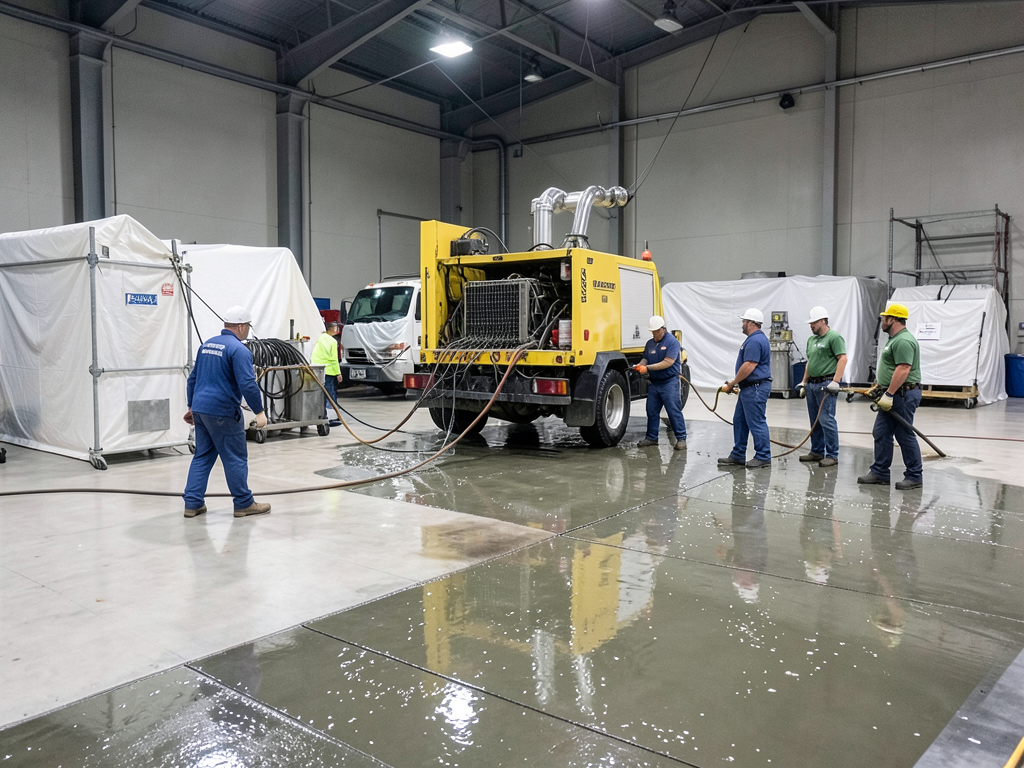
Water Damage Mitigation Strategies for Sound Stages and Production Facilities in Burbank Burbank's entertainment industry…

Removing Yellow Water Stains from the Luxury Marble in Your Beverly Hills Bathroom\n\nYour marble bathroom…
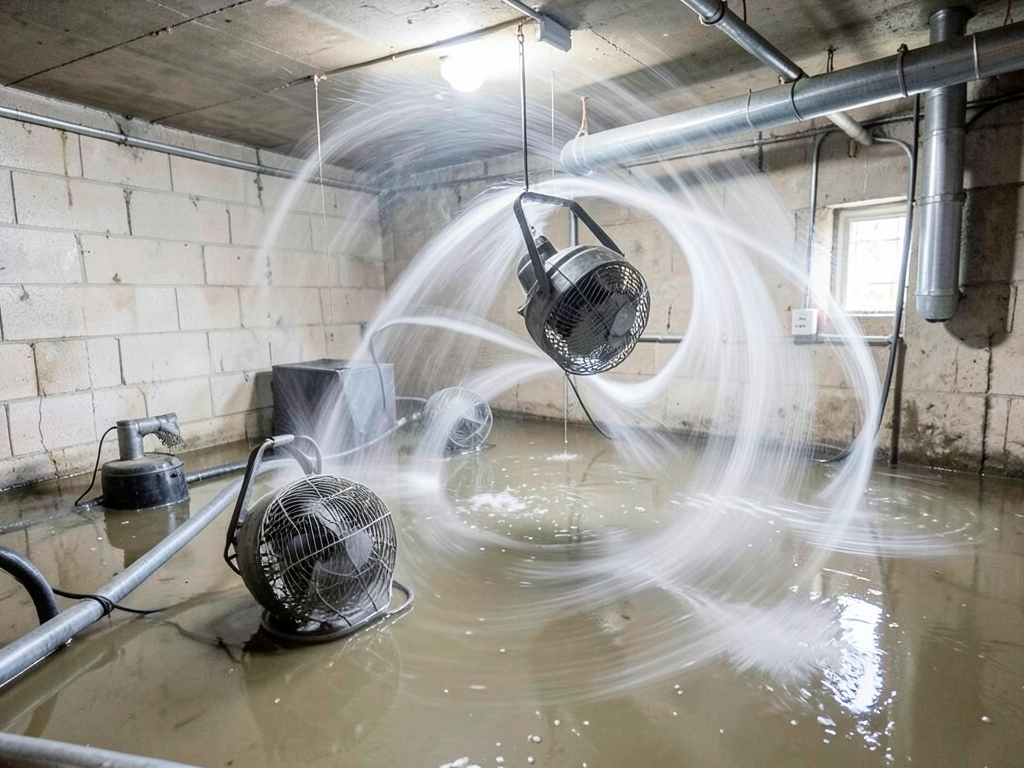
Why Household Fans Are Not Enough to Dry Out a Flooded Basement in Hollywood Hills…
Every minute water sits in your Bell Gardens property increases damage and restoration costs. Our emergency crews deploy immediately to stop the damage and begin drying. Call (209) 255-2558 now for 60-minute response, or contact us online to schedule water damage assessment and mitigation services.