


Maywood sits in the Los Angeles River floodplain where aging infrastructure meets Southern California's unpredictable weather patterns. The city's older housing stock, much of it built between the 1920s and 1950s, contains outdated plumbing systems prone to sudden failure. Clay soil throughout the area expands when wet and contracts during droughts, causing foundation shifts that crack pipes and create water intrusion points.
The Los Angeles River's proximity means elevated groundwater tables in neighborhoods near Atlantic Boulevard and Slauson Avenue. When winter storms hit, these areas see basement flooding and foundation seepage that requires immediate extraction. Older galvanized pipes in homes throughout the Cudahy Street corridor corrode from the inside, leading to pinhole leaks that damage walls and ceilings before residents notice problems.
Commercial properties along Slauson Avenue face unique challenges. Flat roofs common to the area's industrial buildings develop pooling water after rain. Without proper drainage, this water finds cracks and seeps inside. The dense development pattern means water damage in one unit quickly affects neighboring spaces. Quick response matters because Southern California's dry climate creates a false sense of security. Property owners underestimate how fast mold colonizes damp materials in enclosed spaces, even with low humidity outdoors.
United Water Damage Restoration Los Angeles maintains a dedicated response team positioned to reach Maywood properties faster than regional competitors. We understand that time determines the difference between minor repairs and complete reconstruction. Our technicians carry commercial-grade moisture meters, thermal imaging cameras, and truck-mounted extraction units to every job. We do not subcontract work to unknown crews. Every person entering your property works directly for us and follows our protocols.
We built our reputation handling the complex insurance claims that frustrate property owners. Our team documents damage with detailed photos, moisture readings, and written reports that insurance adjusters accept without argument. We communicate directly with your insurance company, provide estimates they approve, and start work while others wait for paperwork. This matters because most water damage policies require immediate mitigation to prevent mold. Delays give insurance companies reasons to deny claims.
Our approach treats water damage as a structural threat, not just a cleanup job. We pull baseboards, check wall cavities, and test subfloors because hidden moisture causes problems months later. Other companies dry visible surfaces and leave. We verify complete dryness with scientific measurements before closing a job. Our equipment stays on-site as long as readings show moisture content above safe levels. This thoroughness prevents callback issues and protects your property value. Maywood residents recommend us because we prevent future problems instead of creating them.

Our dispatch center tracks crew locations across Los Angeles County in real time. When you call, we send the nearest available team immediately. Most Maywood properties receive service within one hour, day or night. Fast response stops water from spreading through floors and walls, reducing total damage and repair costs significantly.

We handle documentation, estimates, and adjuster communication so you avoid claim denials. Our reports include moisture mapping, thermal images, and detailed damage assessments that insurance companies accept. We know what information adjusters require and provide it upfront, eliminating the delays that lead to mold growth and coverage disputes.
Every technician holds current certifications in water damage restoration and applied structural drying. We follow Institute of Inspection Cleaning and Restoration Certification standards that insurance companies require. Our crews understand drying science, use calibrated equipment, and document the entire process with daily moisture readings that prove complete remediation.
We know the building types, plumbing systems, and flood risks specific to Maywood neighborhoods. Our experience with the area's older housing stock and industrial buildings means we anticipate problems before they develop. We understand local soil conditions, foundation types, and how water moves through properties in this floodplain location.
Water damage takes many forms in Maywood. A burst pipe requires different equipment and techniques than a sewage backup. Flood water carries contaminants that demand specialized cleaning protocols. United Water Damage Restoration Los Angeles provides the full range of water removal services needed to handle any situation. Our trucks carry extraction equipment, air movers, dehumidifiers, antimicrobial treatments, and moisture detection tools.
We divide our services based on water category and contamination level. Clean water from supply lines needs fast extraction and drying. Gray water from appliances requires sanitization. Black water from sewage or flooding demands complete disinfection and often material removal. Each category follows specific protocols to protect occupant health and prevent future problems.
Our response includes emergency board-up services when water damage compromises security. We tarp damaged roofs, secure broken windows, and protect contents from further exposure. This comprehensive approach means one call handles your entire emergency. You work with a single team instead of coordinating multiple contractors during a crisis. We stay on-site until your property is secure, dry, and safe for occupancy or reconstruction.
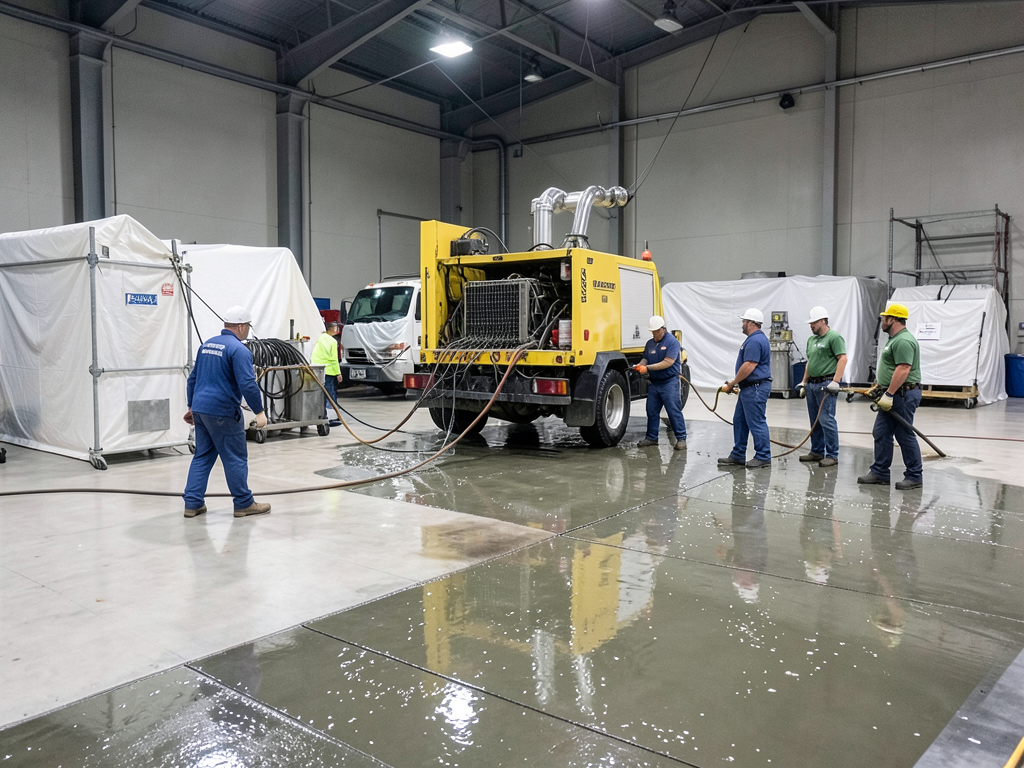
Standing water penetrates deeper into materials every hour it remains. Our truck-mounted extraction systems remove thousands of gallons quickly, stopping water from wicking up walls or seeping into subfloors. We extract water from carpets, padding, and hard surfaces, then begin structural drying immediately. Speed matters because materials saturated for more than 48 hours often require removal instead of drying. Emergency extraction saves materials and reduces reconstruction costs significantly.
Removing visible water is just the start. Moisture trapped in walls, floors, and ceilings causes mold growth and structural damage. We use industrial dehumidifiers and air movers positioned based on airflow science to dry materials completely. Thermal imaging cameras locate hidden moisture pockets. We monitor daily with moisture meters and adjust equipment placement until readings confirm complete dryness. This process typically takes three to five days depending on materials and saturation levels.
Sewage backups and flooding introduce dangerous bacteria into properties. Our crews wear protective equipment and follow strict protocols for contaminated water removal. We extract sewage, remove affected materials that cannot be sanitized, and treat all surfaces with hospital-grade antimicrobials. This category of water damage requires specialized training and equipment to protect occupant health. We handle the entire remediation process and provide clearance testing to verify safe conditions before you return.
Maywood's combination of aging buildings, seasonal weather extremes, and outdated infrastructure creates predictable water damage patterns. The city's density means problems spread quickly between units in multifamily buildings. Shared walls and common plumbing systems turn one unit's leak into multiple properties' emergency.
Winter storms overwhelm inadequate drainage systems around older foundations. Properties built before modern grading requirements sit in low spots where water pools during heavy rain. The clay soil common throughout Maywood holds water instead of absorbing it, increasing hydrostatic pressure against foundations and basement walls. This pressure forces water through cracks and creates chronic seepage problems.
Summer brings different challenges. Water heaters and washing machines in Maywood's older homes reach the end of their service life and fail without warning. Air conditioning condensate lines clog and overflow into walls. The temperature swings between seasons stress plumbing connections, causing joints to fail. These problems escalate quickly in vacant properties or units where residents work long hours and don't notice leaks immediately. Early detection makes the difference between simple repairs and complete rebuilds.
Galvanized pipes in Maywood's pre-1960 housing corrode from inside, reducing water flow before they fail completely. Homeowners notice low pressure for months before a pipe bursts and floods rooms. These failures often happen at night or while families are away, allowing water to run for hours. The resulting damage affects multiple rooms and requires extensive reconstruction beyond the initial leak location.
Clay soil expansion during wet weather creates pressure that cracks concrete foundations. These cracks allow groundwater to seep into basements and crawl spaces, creating chronic moisture problems. Property owners notice musty odors, efflorescence on walls, and mold growth in lower levels. The problem worsens each wet season as cracks expand and more water enters the structure.
Flat roofs on industrial buildings along Slauson Avenue develop pooling water after storms. Deteriorated roof membranes allow this water to penetrate the building envelope. Leaks often go unnoticed until ceiling stains appear or electrical systems fail. By that time, water has saturated insulation and damaged inventory or equipment stored inside the affected spaces.
Water heaters in Maywood's older properties exceed their expected service life. When tanks corrode through, they release 40 to 50 gallons of water into living spaces. Washing machine hoses crack and burst under constant pressure. Dishwasher connections fail and leak behind cabinets where damage goes undetected for weeks. These sudden failures cause extensive damage to floors, cabinets, and adjacent rooms.
Water emergencies create panic. You need to know exactly what happens when you call us. Our process removes uncertainty and gives you control during a crisis. Every job follows the same proven sequence that stops damage, documents everything for insurance, and restores your property completely.
When you reach our dispatch center, we ask specific questions about the water source, affected areas, and any immediate safety concerns. This information helps us send the right equipment and crew size. We provide an estimated arrival time and call your mobile phone when our team is five minutes away. You speak with a technician before they arrive, not after.
Our crews assess damage the moment they arrive. We identify the water source, determine the category of contamination, and develop an action plan before moving equipment inside. You receive a clear explanation of what we need to do, how long it takes, and what it costs. We start work only after you approve the plan. This transparency matters because water damage creates enough stress without surprises about scope or pricing. Our goal is complete restoration with zero confusion about what happens next.
Our first priority is stopping water at its source. We shut off supply lines, contain plumbing failures, or tarp roof leaks before starting extraction. This prevents additional damage while we work. Our technicians carry the tools and materials needed to make temporary repairs immediately. We do not leave active leaks while we extract water from other areas. Source control comes first, then removal, then drying. This sequence prevents the frustrating situation where we extract water while more keeps entering.
You receive daily updates on drying progress with actual moisture readings from affected materials. We explain what the numbers mean and when we expect to reach safe levels. If we discover hidden damage during the process, we contact you before proceeding with additional work. Our project managers answer calls directly instead of routing you through call centers. You work with the same person from start to finish, creating accountability and eliminating miscommunication about your specific situation.
We photograph damage before starting work, document our process with daily logs, and provide final completion reports with moisture verification. This documentation package includes everything your insurance company requires to process claims quickly. We upload photos to secure servers you can access anytime. Our estimates break down labor, equipment, and materials in the format adjusters expect. This attention to paperwork prevents the claim delays that leave property owners paying out of pocket while fighting for coverage.
Water damage restoration follows a logical sequence that cannot be rushed or skipped. Each phase builds on the previous one. We refined this process over thousands of jobs to maximize efficiency while ensuring complete remediation.
Our team arrives and immediately evaluates the situation. We identify all affected areas using moisture meters and thermal cameras that detect water you cannot see. We extract standing water with truck-mounted vacuums and remove saturated materials that cannot be dried. This phase includes moving furniture to dry areas, pulling wet carpets and padding, and removing damaged drywall or insulation. We document everything with photos and written reports for your insurance claim. This initial phase typically takes four to eight hours depending on damage extent.
We position commercial dehumidifiers and air movers throughout the affected area based on airflow patterns and material types. Equipment runs continuously while we monitor moisture levels twice daily. We adjust equipment placement and settings based on these readings. Hardwood floors, plaster walls, and concrete require different drying approaches. Our technicians understand the science behind moisture evaporation and apply it to your specific materials. This phase continues until moisture content returns to normal levels, typically three to five days.
We conduct final moisture testing across all affected areas and provide written documentation that readings meet industry standards for safe occupancy. Equipment is removed only after verification is complete. We clean and sanitize all surfaces, treat materials with antimicrobial solutions when needed, and return your property to pre-loss condition. If reconstruction is required, our team coordinates all trades to complete repairs. You receive a completion certificate showing the work performed and final moisture readings for your records and insurance company.
Water damage restoration is not cleanup. It requires understanding building science, moisture dynamics, and microbial growth conditions. United Water Damage Restoration Los Angeles follows protocols established by the Institute of Inspection Cleaning and Restoration Certification, the recognized authority for restoration standards. These protocols exist because improper drying creates worse problems than the initial water damage.
The IICRC S500 Standard guides our approach to every job. This document establishes the procedures for safely restoring water-damaged structures and contents. We follow its requirements for moisture assessment, equipment selection, and verification of dryness. Insurance companies reference this standard when evaluating contractor work. Compliance is not optional if you want claims approved without argument.
Proper restoration requires measuring moisture content in specific materials and comparing those readings to established dry standards. Wood framing should measure below 15 percent moisture content. Concrete should fall below 4 percent on a moisture meter. Drywall varies by thickness but typically must reach below 1 percent. These numbers matter because materials above these thresholds support mold growth even if they feel dry to touch.
We use psychrometry to calculate the moisture-holding capacity of air at current temperature and relative humidity. This science determines how many dehumidifiers and air movers we need for effective drying. Guessing or using inadequate equipment extends drying time and increases mold risk. Our technicians calculate grain depression, vapor pressure, and specific humidity to optimize equipment placement. This technical approach costs more upfront but prevents the callback issues that plague companies using bare minimum equipment.
California requires contractors performing water damage restoration to hold proper licenses and insurance. We maintain a Class C-61 Limited Specialty license that covers water damage work specifically. Our liability insurance meets the minimums insurance companies require before authorizing work. These credentials protect property owners from liability if injuries occur during restoration and ensure you work with qualified professionals instead of unlicensed operators.
The Institute of Inspection Cleaning and Restoration Certification trains and tests water damage restoration technicians on proper protocols. Certification requires passing exams on water categories, structural drying science, and microbial remediation. Our technicians complete continuing education courses annually to maintain current credentials. Insurance companies verify certification before approving contractors for direct billing arrangements. Working with uncertified companies puts your claim at risk.
Water damage restoration costs depend on water category, affected square footage, material types, and drying difficulty. Clean water from supply lines costs less to remediate than sewage contamination requiring disposal and disinfection. Hardwood floors and plaster walls take longer to dry than carpet and drywall. Second-story damage affecting ceilings below doubles the affected area. Emergency response outside business hours includes premium charges for immediate dispatch. Each job is unique based on these variables.
Water extraction and initial setup takes four to eight hours depending on damage extent. Structural drying requires three to seven days based on materials affected and initial moisture levels. Reconstruction after drying adds one to three weeks depending on the scope of repairs needed. Rush timelines risk incomplete drying and future mold problems. We provide realistic schedules based on scientific drying principles, not customer pressure to finish quickly. Proper restoration cannot be rushed without compromising results.
California requires water damage contractors to hold a C-61 Limited Specialty license or a general contractors license. This ensures minimum competency and allows the state to investigate complaints. Contractors must carry liability insurance and workers compensation coverage. Before hiring any restoration company, verify their license status through the California Contractors State License Board website. Working with unlicensed contractors voids most insurance coverage and leaves you liable for injuries occurring on your property.
Professional water damage restoration guide for Maywood CA property owners. Learn the emergency response process, structural drying science, and insurance claim requirements. United Water Damage Restoration Los Angeles explains equipment used, IICRC protocols followed, and timelines expected during water damage remediation. Video covers extraction techniques, moisture measurement, mold prevention, and what constitutes complete restoration in Maywood's climate and building types.
United Water Damage Restoration Los Angeles serves every neighborhood in Maywood with the same fast response and thorough service. Our location in Los Angeles County positions crews to reach properties throughout the city within one hour of your call. We know the area's streets, building types, and specific challenges each neighborhood faces.
The residential areas east of Atlantic Boulevard contain the city's oldest housing stock. These neighborhoods feature single-family homes and small multifamily buildings built between the 1920s and 1950s. Original plumbing systems in these properties create the majority of our emergency calls. We respond regularly to burst pipes, water heater failures, and foundation seepage issues common to homes of this era. The narrow lots and shared walls mean water damage in one unit often affects neighbors, requiring coordination between multiple property owners.
West Maywood, the area between Atlantic Boulevard and the Los Angeles River, includes more industrial and commercial properties. Warehouses and light manufacturing buildings along Slauson Avenue face roof leak problems and inadequate drainage around loading docks. We work with commercial property managers in this area to handle tenant improvements that accidentally damage plumbing, sprinkler system malfunctions, and the unique challenges of drying large open spaces with minimal ventilation.
The neighborhoods near Cudahy Street and 56th Street contain dense multifamily housing where plumbing problems affect multiple units simultaneously. A leak in a second-floor unit damages the ceiling and walls of the unit below. We coordinate drying equipment in both spaces and work with property managers to minimize tenant displacement during the restoration process. These jobs require careful scheduling and clear communication with residents who remain in the building while we work.
Our service area extends throughout Southeast Los Angeles County. We regularly respond to calls in Bell, Cudahy, Huntington Park, and Commerce. The proximity of these cities to Maywood means we understand the shared infrastructure and building patterns across the region. Properties near the Los Angeles River corridor face similar flooding risks and groundwater problems regardless of which side of the city boundary they occupy.
We maintain familiarity with local regulations affecting restoration work. The Los Angeles County Department of Public Health has specific requirements for sewage cleanup and mold remediation. We pull permits when required and coordinate inspections with local building departments. This knowledge prevents delays that occur when contractors unfamiliar with local requirements start jobs without proper authorization.
Water damage restoration in Maywood addresses flooding, leaks, and moisture problems in homes and businesses. The process includes water extraction, drying, dehumidification, and sanitization to prevent mold growth and structural damage. Professional teams use industrial equipment to remove standing water and moisture from walls, floors, and ceilings. Time matters because water spreads quickly and causes more damage each hour. Most restoration projects take three to five days, depending on the extent of damage. Your homeowner's insurance often covers water damage from sudden events like burst pipes, making professional restoration accessible when you need it most.
You need immediate water removal when you spot flooding, standing water, or significant leaks in your property. Water extraction begins within hours to minimize damage to your floors, walls, and belongings. Professional technicians pump out standing water using truck-mounted extractors and portable pumps. After extraction, moisture detection tools identify hidden water in walls and subfloors. Quick extraction prevents wood rot, mold growth, and foundation problems. The faster you act, the more you save on repairs. Even small amounts of water cause problems if left untreated for 24 to 48 hours, so early intervention protects your investment.
Mold starts growing within 24 to 48 hours after water damage occurs. Maywood's climate creates ideal conditions for mold when moisture enters your home. Professional restoration teams use antimicrobial treatments and HEPA air scrubbers to prevent spore spread. They monitor humidity levels throughout the drying process, keeping them below 60 percent to stop mold development. If mold already exists, specialists contain the area and remove affected materials safely. Proper ventilation and dehumidification protect your family's health. Ignoring water damage leads to toxic mold species that require expensive remediation and pose serious respiratory risks to occupants.
Water damage restoration in Maywood addresses flooding, leaks, and moisture problems in homes and businesses. The process includes water extraction, drying, dehumidification, and sanitization to prevent mold growth and structural damage. Professional teams use industrial equipment to remove standing water and moisture from walls, floors, and ceilings. Time matters because water spreads quickly and causes more damage each hour. Most restoration projects take three to five days, depending on the extent of damage. Your homeowner's insurance often covers water damage from sudden events like burst pipes, making professional restoration accessible when you need it most.
You need immediate water removal when you spot flooding, standing water, or significant leaks in your property. Water extraction begins within hours to minimize damage to your floors, walls, and belongings. Professional technicians pump out standing water using truck-mounted extractors and portable pumps. After extraction, moisture detection tools identify hidden water in walls and subfloors. Quick extraction prevents wood rot, mold growth, and foundation problems. The faster you act, the more you save on repairs. Even small amounts of water cause problems if left untreated for 24 to 48 hours, so early intervention protects your investment.
Mold starts growing within 24 to 48 hours after water damage occurs. Maywood's climate creates ideal conditions for mold when moisture enters your home. Professional restoration teams use antimicrobial treatments and HEPA air scrubbers to prevent spore spread. They monitor humidity levels throughout the drying process, keeping them below 60 percent to stop mold development. If mold already exists, specialists contain the area and remove affected materials safely. Proper ventilation and dehumidification protect your family's health. Ignoring water damage leads to toxic mold species that require expensive remediation and pose serious respiratory risks to occupants.
Your insurance policy typically covers sudden and accidental water damage like burst pipes, appliance malfunctions, and storm flooding. Read your policy to understand your specific coverage limits and deductibles. Document all damage with photos and videos before cleanup begins. Contact your insurance company immediately to file a claim. Professional restoration companies work directly with insurance adjusters to streamline the process. Keep receipts for temporary housing and emergency repairs. Most policies exclude gradual damage from poor maintenance, so address leaks promptly. Understanding your coverage helps you make informed decisions about restoration services and protects your financial interests.
Industrial air movers, dehumidifiers, and moisture meters form the backbone of professional water damage restoration. Air movers create airflow across wet surfaces to speed evaporation. Dehumidifiers pull moisture from the air, preventing it from reabsorbing into materials. Infrared cameras detect hidden water behind walls and under floors. Technicians use moisture meters to track drying progress in wood and drywall. Water extractors remove standing water before the drying process starts. This specialized equipment works faster and more thoroughly than household fans and dehumidifiers, reducing restoration time and preventing secondary damage to your property.
Professional restoration teams respond to Maywood water emergencies 24 hours a day, seven days a week. Most companies arrive within 60 to 90 minutes of your call. They assess the damage, stop the water source, and begin extraction immediately. Emergency services include temporary repairs like roof tarping and board-ups to prevent further damage. Technicians document everything for insurance purposes. The initial visit takes one to three hours, depending on damage severity. Quick response reduces restoration time and costs. You receive a detailed action plan outlining necessary steps, timeline, and equipment needed to restore your property to pre-damage condition.
Move furniture and valuables to dry areas if safe to do so. Turn off electricity to affected rooms to prevent electrocution. Stop the water source if possible by shutting off main valves or fixing obvious leaks. Remove standing water with mops and towels, but avoid using household vacuums on water. Open windows for ventilation if weather permits. Take photos of all damage before moving anything. Remove wet rugs and curtains. Place aluminum foil under furniture legs to prevent stains on wet carpet. Call a restoration professional immediately. Avoid using appliances or outlets in wet areas until cleared by professionals.
Complete drying typically takes three to five days for standard water damage. Extensive flooding or structural saturation requires seven to ten days. Factors affecting dry time include water category, affected materials, humidity levels, and airflow. Hardwood floors and plaster walls take longer to dry than carpet and drywall. Technicians monitor moisture levels daily, adjusting equipment placement as needed. Rushing the process leads to mold growth and structural problems. Your restoration team provides daily updates on drying progress. Once moisture readings reach normal levels, reconstruction begins. Patience during the drying phase prevents future problems and ensures proper restoration.
Clean water from supply lines poses minimal health risks but still requires prompt removal. Gray water from appliances contains contaminants and bacteria. Black water from sewage or flooding contains dangerous pathogens and requires special handling. Category three water damage needs full PPE and antimicrobial treatments. Standing water breeds bacteria within hours. Mold spores trigger allergies and respiratory problems. Wet materials release harmful particles into the air. Professional teams follow IICRC standards to protect occupants. Children, elderly individuals, and those with compromised immune systems face higher risks. Leave contaminated water cleanup to trained professionals who understand proper safety protocols and disposal methods.
Choose a restoration company with IICRC certification and proper training credentials. Look for 24-hour emergency response and local presence in Maywood. Check online reviews and ask for references from past clients. Verify they work directly with insurance companies. Ask about their equipment and drying methods. A good company provides written estimates and clear timelines. They should offer moisture monitoring throughout the process. Avoid companies demanding full payment upfront. Experience with your specific damage type matters. Local companies understand Maywood's building codes and climate challenges. Quick response time and transparent communication indicate a reliable restoration partner for your property.
Your insurance policy typically covers sudden and accidental water damage like burst pipes, appliance malfunctions, and storm flooding. Read your policy to understand your specific coverage limits and deductibles. Document all damage with photos and videos before cleanup begins. Contact your insurance company immediately to file a claim. Professional restoration companies work directly with insurance adjusters to streamline the process. Keep receipts for temporary housing and emergency repairs. Most policies exclude gradual damage from poor maintenance, so address leaks promptly. Understanding your coverage helps you make informed decisions about restoration services and protects your financial interests.
Industrial air movers, dehumidifiers, and moisture meters form the backbone of professional water damage restoration. Air movers create airflow across wet surfaces to speed evaporation. Dehumidifiers pull moisture from the air, preventing it from reabsorbing into materials. Infrared cameras detect hidden water behind walls and under floors. Technicians use moisture meters to track drying progress in wood and drywall. Water extractors remove standing water before the drying process starts. This specialized equipment works faster and more thoroughly than household fans and dehumidifiers, reducing restoration time and preventing secondary damage to your property.
Professional restoration teams respond to Maywood water emergencies 24 hours a day, seven days a week. Most companies arrive within 60 to 90 minutes of your call. They assess the damage, stop the water source, and begin extraction immediately. Emergency services include temporary repairs like roof tarping and board-ups to prevent further damage. Technicians document everything for insurance purposes. The initial visit takes one to three hours, depending on damage severity. Quick response reduces restoration time and costs. You receive a detailed action plan outlining necessary steps, timeline, and equipment needed to restore your property to pre-damage condition.
Move furniture and valuables to dry areas if safe to do so. Turn off electricity to affected rooms to prevent electrocution. Stop the water source if possible by shutting off main valves or fixing obvious leaks. Remove standing water with mops and towels, but avoid using household vacuums on water. Open windows for ventilation if weather permits. Take photos of all damage before moving anything. Remove wet rugs and curtains. Place aluminum foil under furniture legs to prevent stains on wet carpet. Call a restoration professional immediately. Avoid using appliances or outlets in wet areas until cleared by professionals.
Complete drying typically takes three to five days for standard water damage. Extensive flooding or structural saturation requires seven to ten days. Factors affecting dry time include water category, affected materials, humidity levels, and airflow. Hardwood floors and plaster walls take longer to dry than carpet and drywall. Technicians monitor moisture levels daily, adjusting equipment placement as needed. Rushing the process leads to mold growth and structural problems. Your restoration team provides daily updates on drying progress. Once moisture readings reach normal levels, reconstruction begins. Patience during the drying phase prevents future problems and ensures proper restoration.
Clean water from supply lines poses minimal health risks but still requires prompt removal. Gray water from appliances contains contaminants and bacteria. Black water from sewage or flooding contains dangerous pathogens and requires special handling. Category three water damage needs full PPE and antimicrobial treatments. Standing water breeds bacteria within hours. Mold spores trigger allergies and respiratory problems. Wet materials release harmful particles into the air. Professional teams follow IICRC standards to protect occupants. Children, elderly individuals, and those with compromised immune systems face higher risks. Leave contaminated water cleanup to trained professionals who understand proper safety protocols and disposal methods.
Choose a restoration company with IICRC certification and proper training credentials. Look for 24-hour emergency response and local presence in Maywood. Check online reviews and ask for references from past clients. Verify they work directly with insurance companies. Ask about their equipment and drying methods. A good company provides written estimates and clear timelines. They should offer moisture monitoring throughout the process. Avoid companies demanding full payment upfront. Experience with your specific damage type matters. Local companies understand Maywood's building codes and climate challenges. Quick response time and transparent communication indicate a reliable restoration partner for your property.
United Water Damage Restoration Los Angeles is proud to service the entire Los Angeles area and surrounding communities. View our central location on the map to see our strategic positioning, which enables us to provide our guaranteed rapid response times across the region. If you need immediate assistance, please do not drive to our office; instead, call our 24/7 emergency hotline, and our fully-equipped team will be dispatched directly to your property without delay.
Address:
Maywood, CA, 90270

Restoring a Flooded Medical Clinic in Century City Without Compromising Patient Privacy or Sterile Zones When water floods a medical clinic in Century City the stakes go far beyond wet carpets. Patient records must stay…
Water Damage Mitigation Strategies for Sound Stages and Production Facilities in Burbank Burbank's entertainment industry…
Removing Yellow Water Stains from the Luxury Marble in Your Beverly Hills Bathroom\n\nYour marble bathroom…
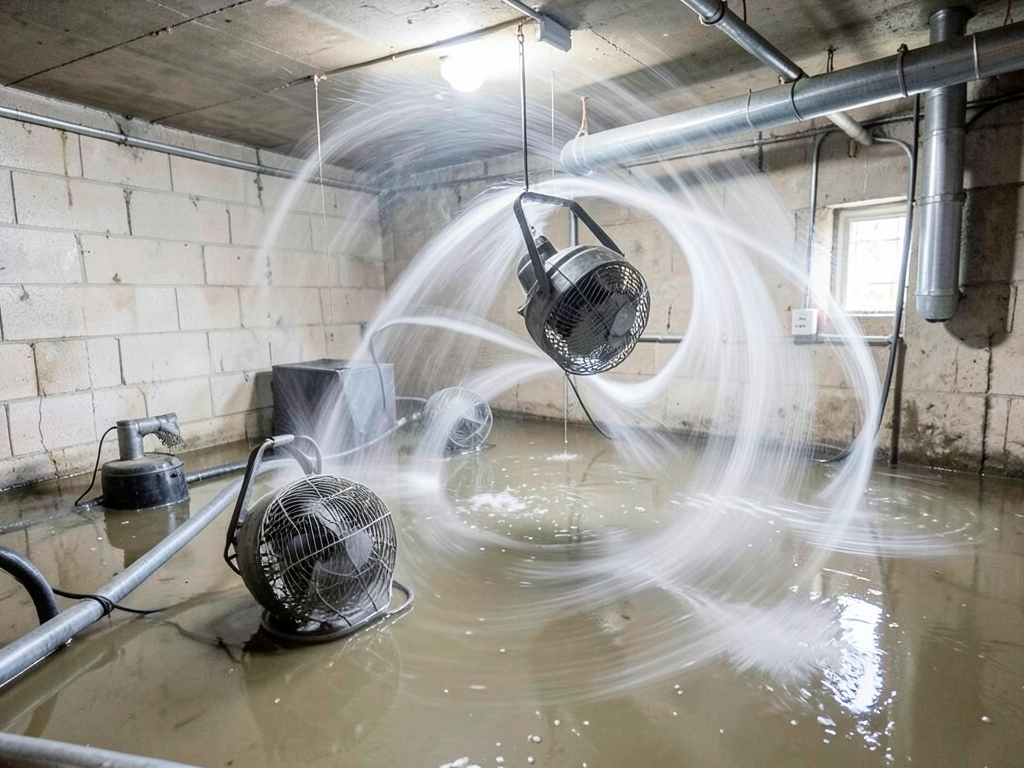
Why Household Fans Are Not Enough to Dry Out a Flooded Basement in Hollywood Hills…
Every hour of delay increases damage and restoration costs. Call United Water Damage Restoration Los Angeles now at (209) 255-2558 for immediate dispatch to your Maywood property. Our crews respond 24/7 with the equipment and expertise needed to stop damage and begin recovery immediately.