



menu

Water Damage Restoration in Los Angeles – Expert Mitigation and Repair for Residential and Commercial Properties

Water Damage Restoration Services in Los Angeles That Stop Structural Loss, Prevent Mold Growth, and Restore Safety Through Advanced Moisture Removal and Full-Scope Remediation

Slider Image 1
Slider Image 2
Slider Image 3
Slider Image 4
Slider Image 5
Slider Image 7
Slider Image 8
Slider Image 9
Slider Image 10
Slider Image 11

Why Los Angeles Properties Face Constant Water Damage Threats

Los Angeles sits on a mix of coastal moisture, urban sprawl, and aging infrastructure. The city's Mediterranean climate brings intense winter rains after months of drought, which overwhelm flat roofs and outdated drainage systems common in older neighborhoods like Echo Park and Silver Lake. Those sudden downpours expose weak points in foundations, window seals, and roofs that bake under summer sun for eight months straight.

Coastal fog from Santa Monica and Venice introduces constant humidity into crawl spaces and attics, creating conditions for hidden mold growth. Buildings near the Los Angeles River face flood risk during storm events, while properties in the Hollywood Hills deal with runoff that pools at foundation walls. Many structures built before 1980 lack modern vapor barriers, and the city's sprawling mix of bungalows, mid-century apartments, and commercial warehouses each carry unique vulnerabilities.

Water damage cleanup becomes urgent when supply lines burst in multi-family buildings, when HVAC condensate lines clog in high-rises, or when slab leaks develop in homes built on expansive clay soil. The longer water sits, the faster it migrates through drywall, subfloors, and insulation. What starts as a ceiling stain or damp carpet can become a structural liability within 48 hours if you delay water damage repair. Los Angeles's dense urban grid means a single plumbing failure can impact multiple units, making rapid water removal services critical to preventing cascading damage and tenant displacement.

Why Los Angeles Properties Face Constant Water Damage Threats
How Professional Water Damage Remediation Stops Loss and Restores Safety

How Professional Water Damage Remediation Stops Loss and Restores Safety

Water damage mitigation starts the moment we arrive. Our technicians use thermal imaging cameras to map moisture intrusion behind walls and under flooring, identifying hidden saturation that standard moisture meters miss. We categorize water by contamination level, from clean supply line breaks to gray water from appliances or black water from sewage backups, because each requires different extraction protocols and antimicrobial treatment.

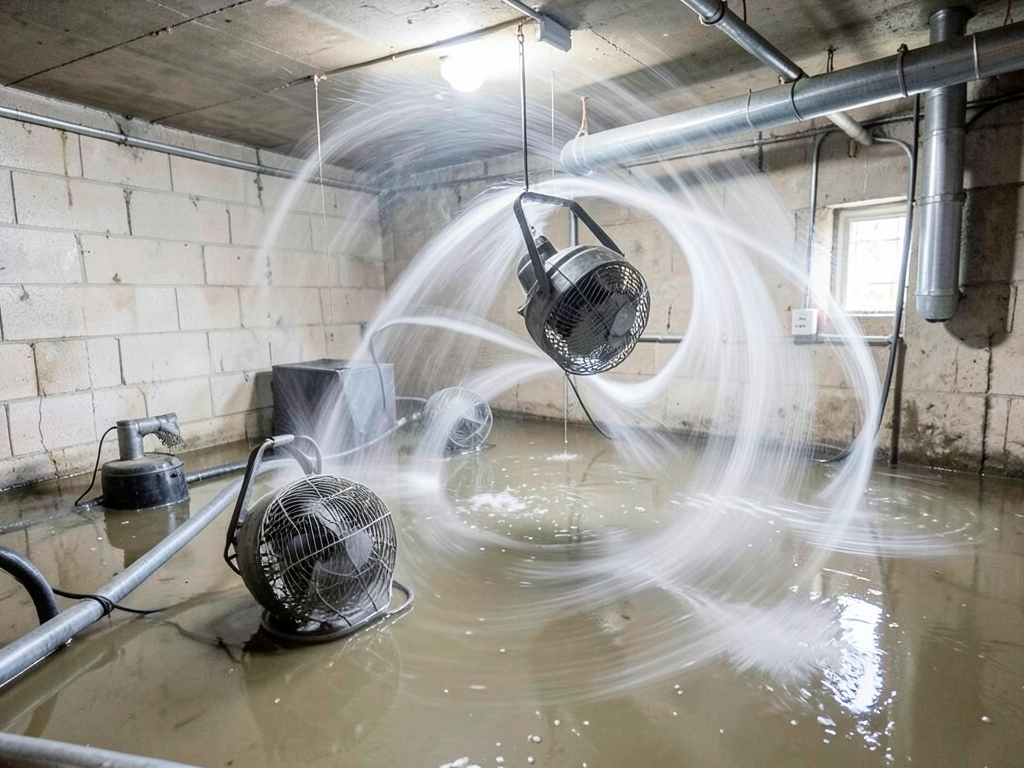
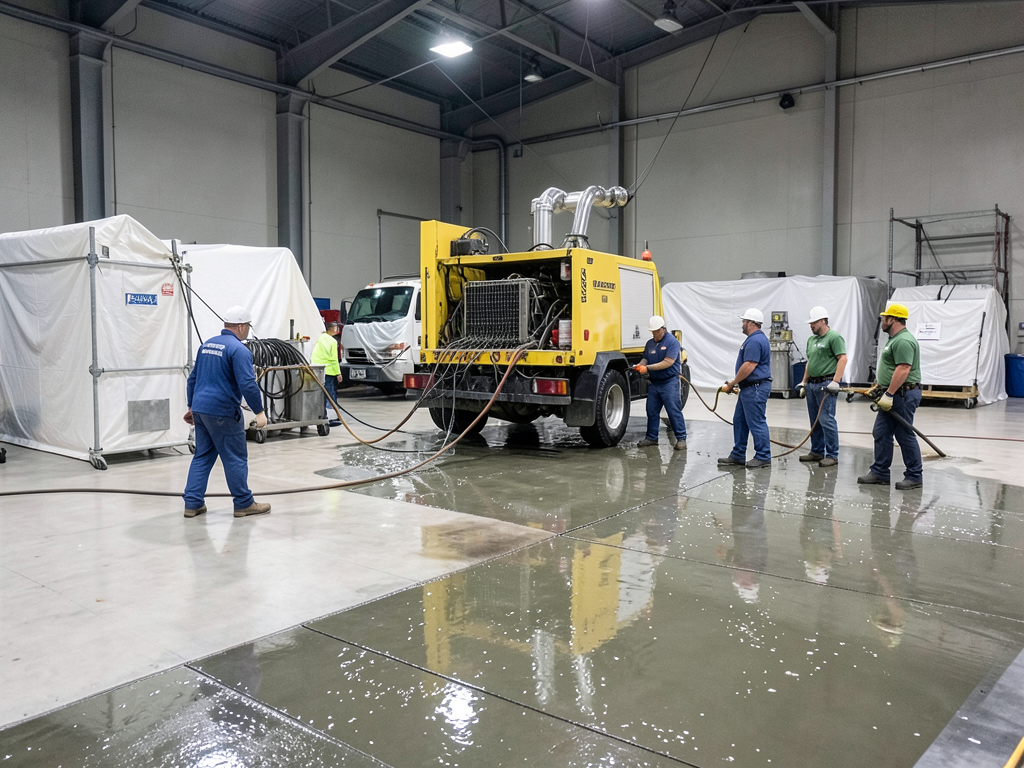
Truck-mounted extraction units remove standing water faster than portable shop vacuums, pulling moisture from carpet padding and subflooring before it wicks into framing. We then deploy commercial-grade air movers and low-grain refrigerant dehumidifiers to create controlled drying chambers, targeting specific psychrometric conditions that prevent secondary damage. You cannot dry a structure by opening windows in Los Angeles's humid coastal zones. You need equipment that can pull moisture from materials faster than ambient air reintroduces it.

Our process includes moisture mapping at 24-hour intervals to track drying progress and adjust airflow. We monitor wood moisture content and relative humidity to confirm materials return to dry standard before we remove equipment. This prevents trapped moisture that leads to mold amplification, wood rot, and delamination.

Water damage restoration includes controlled demolition of non-salvageable materials like saturated drywall, baseboards, and insulation. We document every phase for insurance claims, providing detailed photo logs, moisture readings, and equipment placement records. This documentation protects you during the claims process and ensures adjusters understand the scope of loss and the necessity of each remediation step.

What Happens During Water Damage Restoration in Los Angeles

Water Damage Restoration in Los Angeles – Expert Mitigation and Repair for Residential and Commercial Properties
01

Emergency Water Extraction

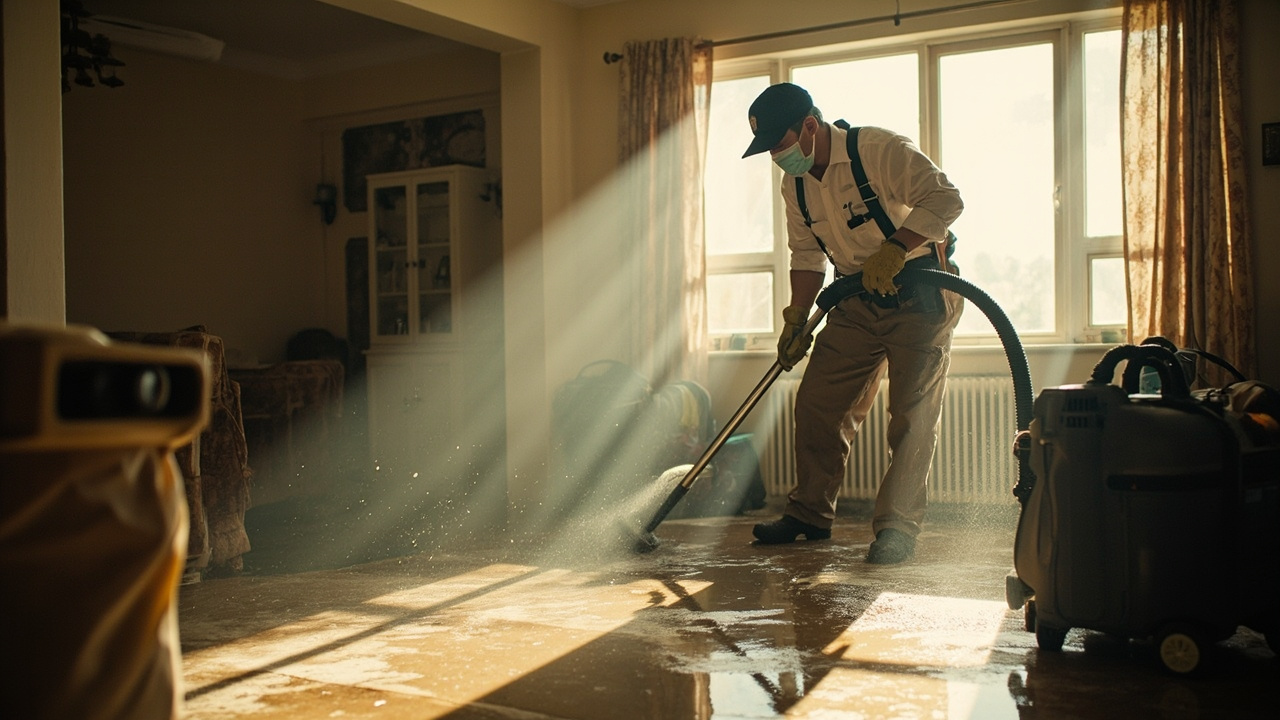
We dispatch crews within 60 minutes of your call to stop water migration and begin extraction. Our team shuts off the water source if it involves plumbing, moves contents to dry areas, and removes standing water using truck-mounted pumps and portable extractors. Speed here determines how much flooring and framing we can save. Every hour of delay increases demolition costs and extends the restoration timeline.
02

Structural Drying and Monitoring

We place air movers and dehumidifiers in a calculated layout to create negative pressure and accelerate evaporation from affected materials. Technicians measure moisture content daily using penetrating probes and thermo-hygrometers, adjusting equipment placement to target stubborn pockets of saturation. This phase typically runs three to five days depending on material density and humidity levels. We do not remove equipment until readings confirm dry standard.
03

Restoration and Rebuild

Once drying is complete, our crews handle demolition of damaged materials, treat framing with antimicrobial solutions, and begin reconstruction. This includes installing new drywall, baseboards, flooring, and paint to match existing finishes. We coordinate with your insurance adjuster throughout to ensure coverage aligns with documented scope. The goal is full structural integrity and cosmetic restoration that erases all evidence of water intrusion.

Why Los Angeles Property Owners Choose United Water Damage Restoration Los Angeles

You need a water damage restoration company that understands Los Angeles building stock. We work daily with the city's mix of Spanish Colonial Revival homes, post-war tract housing, concrete tilt-up warehouses, and modern condominiums. Each building type presents different challenges for moisture intrusion and drying. Stucco exteriors common in neighborhoods like Hancock Park trap moisture differently than wood siding in Culver City bungalows. Flat roofs on commercial buildings in the Fashion District require different assessment protocols than pitched tile roofs in Pasadena.

Our technicians know Los Angeles Department of Building and Safety requirements for water damage repairs, including permit triggers for structural work and mold remediation. We navigate insurance claims with carriers familiar to the region and provide documentation that meets adjuster standards for payouts. This local expertise prevents claim denials and ensures you receive full coverage for necessary restoration work.

We maintain relationships with local plumbers, electricians, and general contractors who can address underlying causes of water damage, from repiping polybutylene supply lines to upgrading outdated roof drainage systems. Water damage rarely happens in isolation. A pipe burst often signals broader plumbing issues, and a roof leak points to aging materials or improper installation. We coordinate these ancillary repairs so you are not left managing multiple vendors and competing timelines.

Our response time matters in a city where traffic can add hours to service calls. We stage equipment and crews strategically across Los Angeles County to ensure rapid deployment whether you are in downtown high-rises, San Fernando Valley suburbs, or coastal communities. When water is actively flooding your property, 30 minutes can mean the difference between minor repairs and total loss.

What to Expect From Our Water Damage Restoration Services

Rapid Response and 24/7 Availability

Water damage does not wait for business hours. We dispatch crews around the clock, every day of the year, because emergency water removal services require immediate action. Our team arrives with extraction equipment, moisture detection tools, and temporary power if needed. We prioritize life safety first, then property protection. You will have a project manager assigned within the first hour who coordinates all phases of restoration, communicates with your insurance carrier, and provides daily updates on drying progress. Our goal is to stop damage progression within the first four hours and have drying equipment operational within six hours of initial contact.

Comprehensive Damage Assessment

Our initial assessment maps the full extent of water intrusion using thermal imaging and moisture meters. We document affected areas with photos, written reports, and moisture content readings that serve as baseline data for insurance claims. You receive a detailed scope of work outlining necessary water damage repair steps, estimated timelines, and material requirements. This assessment identifies hidden damage in wall cavities, under flooring, and above ceilings that property owners often miss. We classify water contamination level to determine sanitization protocols and explain which materials require removal versus restoration. This transparency prevents surprise costs and ensures you understand every phase of the remediation process.

Complete Structural Restoration

Water damage restoration does not end when materials dry. We rebuild affected areas to pre-loss condition using quality materials that match your existing finishes. Our crews handle everything from framing repairs and drywall installation to flooring replacement and interior paint. We source materials that meet or exceed California building codes and coordinate finish selections with you to ensure aesthetic consistency. The result is a fully restored space with no lingering odors, no visible damage, and structural integrity that passes inspection. You should not be able to identify where water damage occurred once our work is complete.

Post-Restoration Monitoring and Prevention

We provide post-restoration moisture checks at 30 and 90 days to confirm materials remain dry and no secondary issues develop. Our team identifies contributing factors to the water damage event, like failing supply lines, inadequate drainage, or roof defects, and recommends corrective measures to prevent recurrence. This may include installing leak detection systems, upgrading sump pumps, or improving crawl space ventilation. We document all work with before-and-after photos and provide maintenance recommendations specific to your property type and Los Angeles's climate conditions. This follow-up ensures long-term stability and gives you peace of mind that hidden problems will not resurface.

Frequently Asked Questions

You Have Questions,
We Have Answers

How much does water damage remediation cost? +

Water damage restoration costs in Los Angeles vary based on severity, water category, and affected square footage. Minor leaks affecting a single room may run lower, while severe flooding across multiple floors costs significantly more. Category 3 contaminated water increases costs due to hazmat protocols. Structural drying, mold remediation, and material replacement all impact the final price. Most Los Angeles restoration companies provide free inspections and work directly with your insurance carrier to minimize out-of-pocket expenses. Delaying restoration increases costs exponentially as secondary damage spreads through drywall, flooring, and framing.

What does water damage restoration include? +

Water damage restoration involves water extraction using industrial pumps, structural drying with commercial dehumidifiers and air movers, moisture mapping with thermal imaging, antimicrobial treatment to prevent mold growth, content pack-out and storage if needed, demolition of unsalvageable materials like soaked drywall or carpet, and full reconstruction. In Los Angeles homes, we address moisture trapped in stucco exteriors and tile foundations common to Southern California construction. The process includes documentation for insurance claims, air quality testing, and final clearance inspections to verify your property meets safe moisture levels before reconstruction begins.

Can water damage be repaired? +

Yes, water damage can be repaired if addressed quickly. The first 24 to 48 hours are critical before mold colonization begins. Professional restoration involves extracting standing water, drying structural components like studs and subfloors, treating affected areas with antimicrobials, and replacing compromised materials. Los Angeles homes with stucco and concrete slab foundations require specialized drying techniques to prevent moisture wicking. Hardwood floors, drywall, and insulation often need replacement if saturation exceeds specific thresholds. Electronics and documents may be salvageable through specialized recovery processes. Speed determines success.

Is water damage restoration worth it? +

Water damage restoration is worth it to prevent catastrophic secondary damage. Untreated water damage leads to mold growth within 24 to 48 hours, structural wood rot, foundation instability, and toxic air quality. In Los Angeles, where property values are high, neglecting restoration can decrease home equity by tens of thousands of dollars. Professional restoration costs less than rebuilding after total structural failure. Insurance typically covers sudden and accidental water damage, making professional restoration financially accessible. Delaying turns a manageable claim into a denied claim due to neglect or long-term seepage exclusions.

Does insurance pay for water restoration? +

Insurance typically covers water damage restoration if the cause is sudden and accidental, like burst pipes, appliance malfunctions, or roof leaks from storm damage. Most Los Angeles homeowners policies exclude gradual leaks, seepage, and flood damage, which requires separate flood insurance. Your policy deductible applies first, then coverage kicks in for water extraction, drying, demolition, and reconstruction up to policy limits. Professional restoration companies in Los Angeles document the entire process with photos, moisture readings, and detailed estimates to support your claim and maximize your payout without disputes.

Will insurance pay out for water damage? +

Insurance pays for water damage if the loss meets your policy terms. Covered perils include sudden pipe bursts, water heater failures, washing machine overflows, and storm-driven rain through damaged roofs. Los Angeles policies exclude flood from external sources, which requires NFIP or private flood coverage. Gradual leaks, lack of maintenance, and seepage are denied. Filing immediately after discovery is critical. Restoration companies work directly with adjusters, providing documented proof of damage extent and necessary repairs. Delaying notification or repairs can trigger claim denials based on policy requirements for timely mitigation.

How likely is mold after water damage? +

Mold becomes highly probable within 24 to 48 hours after water damage if moisture persists. Los Angeles coastal humidity accelerates mold colonization, especially in poorly ventilated bathrooms, crawl spaces, and wall cavities. Category 3 water, like sewage backups, introduces mold spores immediately. Porous materials like drywall, insulation, and carpet provide ideal growth conditions. Professional restoration eliminates this risk through rapid water extraction, industrial dehumidification, air scrubbing with HEPA filtration, and antimicrobial treatment. Delaying professional drying turns a water damage claim into a mold remediation project, which insurance often excludes.

What does category 3 damage look like? +

Category 3 water damage involves grossly contaminated water containing pathogens, bacteria, and toxins. This includes sewage backups, toilet overflows with feces, flooding from rivers or ocean storm surge, and standing water that has sat for over 48 hours. Category 3 looks dark, smells foul, and contains visible debris or waste. In Los Angeles, this occurs during sewer line failures common in older neighborhoods or coastal flooding events. Affected materials require disposal, not drying. Restoration crews wear PPE, follow OSHA protocols, and treat all surfaces with hospital-grade disinfectants before reconstruction begins.

How to get the most out of a water damage claim? +

Maximize your water damage claim by documenting everything immediately with photos and videos before any cleanup. Contact your insurance carrier within 24 hours and request a restoration company that works directly with adjusters. In Los Angeles, use a licensed contractor who provides detailed moisture mapping, thermal imaging, and itemized estimates. Do not discard damaged materials until the adjuster inspects them. Keep all receipts for temporary housing, emergency repairs, and contents storage. Challenge low settlements with independent estimates. Professional restoration companies navigate this process daily and advocate for full coverage of structural drying, demolition, and reconstruction.

What not to do after water damage? +

Do not delay calling a professional restoration company. Do not use household fans or open windows, which spread contamination and moisture into unaffected areas. Do not walk through standing water without protective gear, especially if sewage is present. Do not turn on electrical systems if water contacted outlets or appliances. In Los Angeles homes, do not assume stucco walls and concrete slabs dried on their own, moisture hides inside. Do not start repairs before insurance inspection and approval. Do not discard damaged materials prematurely. Speed matters, but proper protocol prevents claim denials and health hazards.

How Los Angeles's Urban Density and Aging Infrastructure Demand Expert Water Damage Mitigation

Los Angeles's building stock includes thousands of structures built before 1960, many with galvanized steel or cast iron plumbing that corrodes from the inside out. Multi-family buildings in Koreatown, Mid-City, and East Hollywood face chronic supply line failures because original plumbing has reached end of life. When a pipe bursts on the third floor, water cascades through multiple units, creating simultaneous restoration projects. Coastal areas like Santa Monica and Marina del Rey deal with salt air corrosion that accelerates metal deterioration and weakens roof membranes. Water damage cleanup in these environments requires understanding how building age, material science, and environmental factors interact to create vulnerabilities specific to Los Angeles.

Local building codes and insurance requirements in Los Angeles County demand specific documentation and remediation protocols for water damage restoration. Properties built before 1978 trigger lead paint testing requirements during demolition. Mold remediation projects exceeding certain square footage thresholds require contractor certification and specific containment procedures. Insurance carriers operating in California expect detailed moisture logs, equipment manifests, and psychrometric data to justify claim payouts. United Water Damage Restoration Los Angeles maintains compliance with these local regulations and works directly with adjusters who understand regional claim standards. This local expertise prevents project delays and ensures you receive full insurance benefits without disputes over scope or necessity of repairs.
Water Damage Restoration Services in The Los Angeles Area

United Water Damage Restoration Los Angeles is proud to service the entire Los Angeles area and surrounding communities. View our central location on the map to see our strategic positioning, which enables us to provide our guaranteed rapid response times across the region. If you need immediate assistance, please do not drive to our office; instead, call our 24/7 emergency hotline, and our fully-equipped team will be dispatched directly to your property without delay.

Address:
United Water Damage Restoration Los Angeles, 5800 S Eastern Ave, Los Angeles, CA, 90040

Additional Services We Offer

Our news updates

Latest Articles & News from The Blogs

What to Do When Your Wilmington Water Heater Floods Your Laundry Room A leaking water heater can release 40 to…

What to Do When Your Wilmington Water Heater Floods Your Laundry Room

What to Do When Your Wilmington Water Heater Floods Your Laundry Room A leaking water heater can release 40 to…

Getting Your West Hills Home Ready for the Los Angeles Rainy Season

Getting Your West Hills Home Ready for the Los Angeles Rainy Season The Santa Susana Mountains loom over West Hills…

Common Plumbing Problems in Miracle Mile Older Condo Buildings

Common Plumbing Problems in Miracle Mile Older Condo Buildings Miracle Mile’s charming historic condo buildings come with unique plumbing challenges…

Contact Us

Water damage spreads fast. Call (209) 255-2558 now for emergency water extraction and professional restoration services. Our crews deploy across Los Angeles 24/7 to stop damage, dry your property, and restore your space to pre-loss condition.