




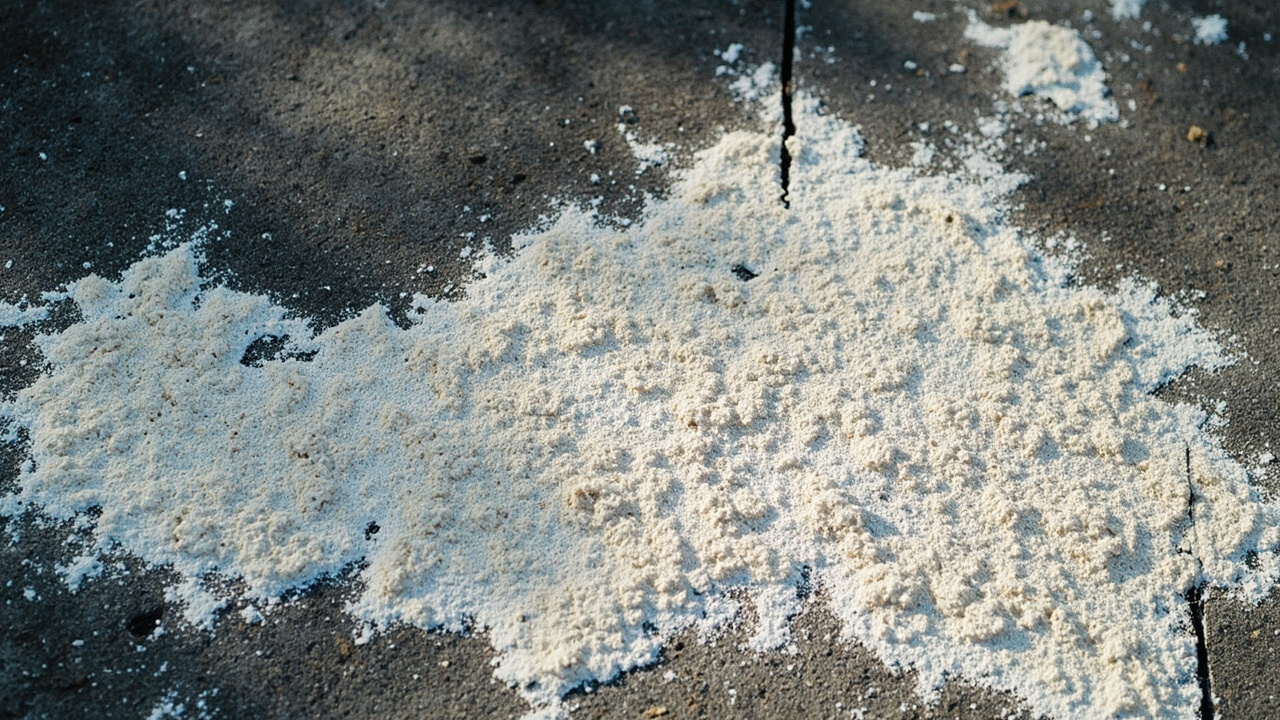
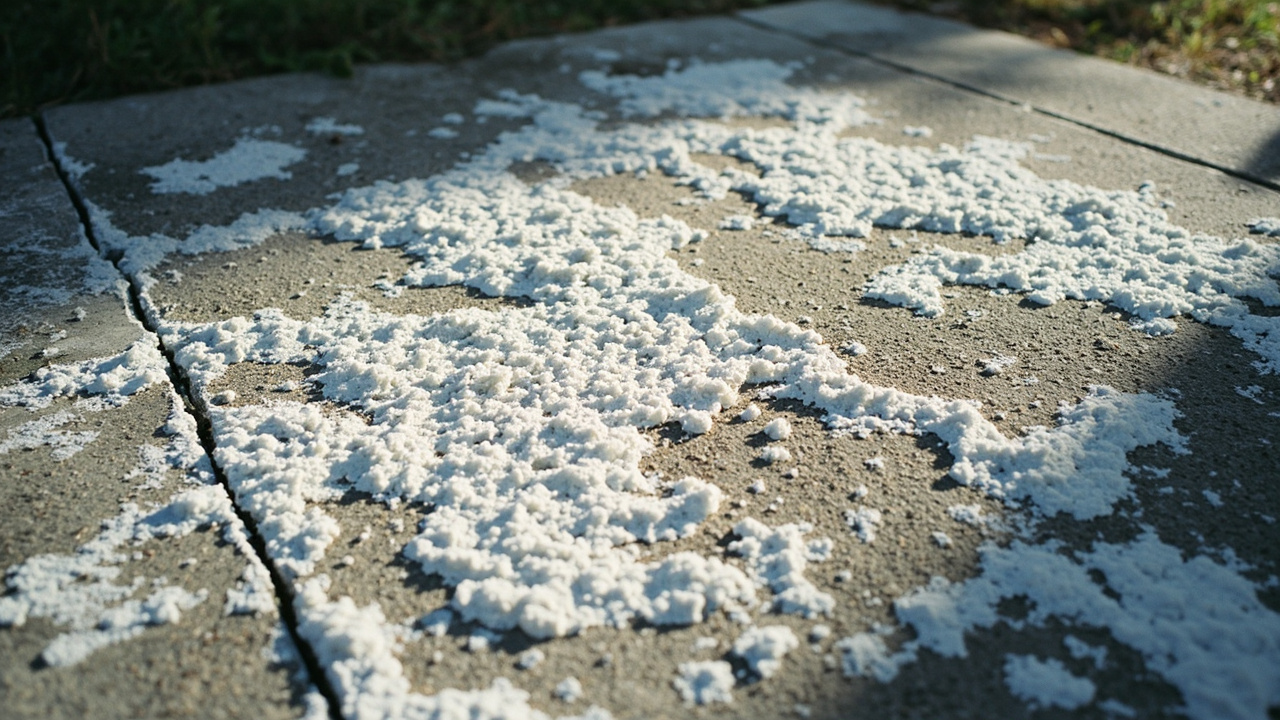
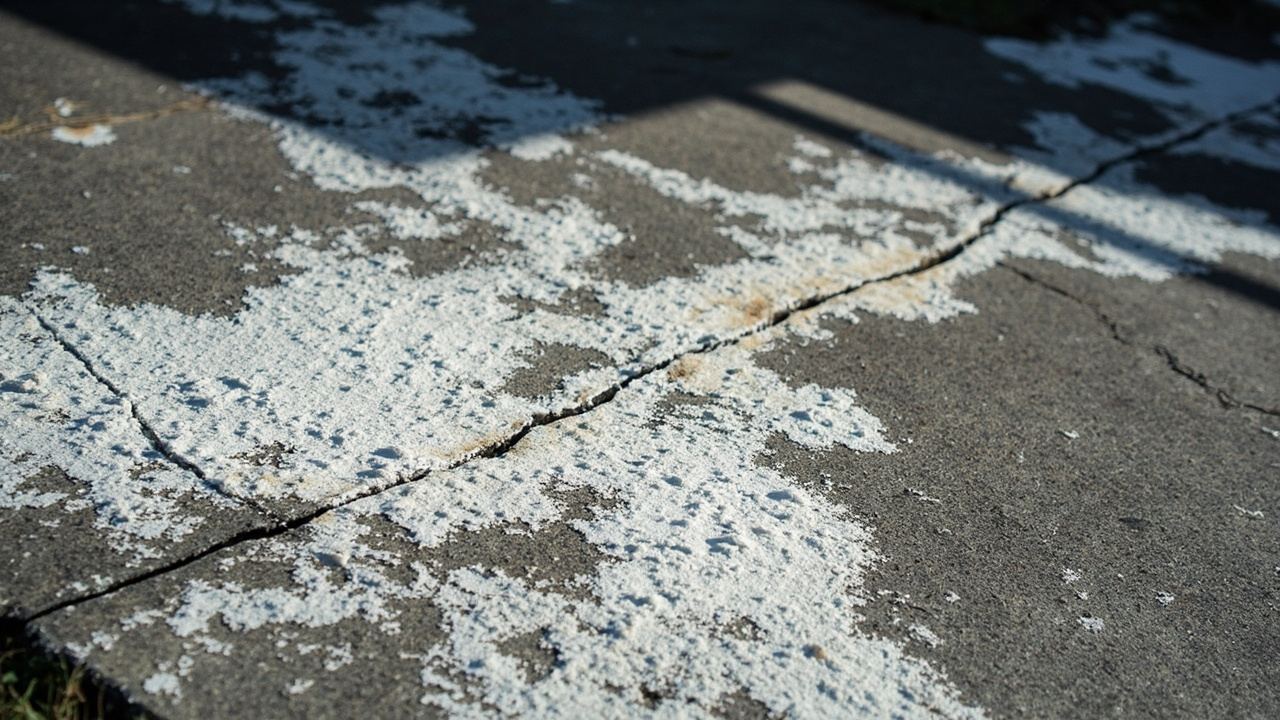
Los Angeles sits on a mix of alluvial deposits, clayey soils, and fractured bedrock. The basin areas near downtown and Mid-City have expansive clay that swells when wet and shrinks when dry. This movement creates hydrostatic pressure against foundation walls and slabs, forcing groundwater through concrete pores. The city receives most of its rainfall between November and March, followed by eight months of near-zero precipitation. This wet-dry cycle accelerates mineral salt migration because water repeatedly penetrates the slab, dissolves salts, and evaporates at the surface. Coastal properties face additional challenges from marine aerosols that deposit chloride salts on exposed concrete. Inland areas like the San Fernando Valley experience temperature swings that drive condensation on cool concrete surfaces in summer. All of these factors make efflorescence a recurring problem if the underlying moisture source is not addressed.
United Water Damage Restoration Los Angeles has worked in every neighborhood from Venice to Pasadena. We understand how pre-1960 homes with shallow footings behave differently than modern post-tensioned slabs. We know that the City of Los Angeles Building Code requires specific drainage and waterproofing measures for new construction, but older properties were built before those standards existed. We also work with local structural engineers and geotechnical consultants when foundation movement or soil instability is contributing to moisture intrusion. This local expertise means we diagnose problems faster and recommend solutions that match your property type and budget. You get accurate information from technicians who know Los Angeles construction practices and environmental conditions.