Emergency Elevator Pit Flooding Repair in Westlake, Los Angeles
Standing water in elevator pits creates immediate safety hazards and long-term structural damage for Westlake apartment buildings. When water accumulates in these confined mechanical spaces, it threatens electrical systems, corrodes hydraulic components, and creates perfect conditions for mold growth. Our 24/7 emergency response team specializes in rapid water extraction and restoration for commercial and residential properties throughout the Westlake district. Expert Help for Water Damage Restoration in Venice Beach Properties.
Water enters elevator pits through multiple failure points. High groundwater tables beneath Wilshire Boulevard push moisture upward through concrete seams. Aging sump pumps fail during heavy rain events. Damaged hydraulic seals allow contaminated fluids to mix with groundwater. Each hour of standing water increases repair costs and safety risks. EPA Hazardous Waste Regulations.
Westlake’s dense urban environment compounds these problems. Many buildings date to the 1960s and 1970s with original waterproofing systems that have degraded. The neighborhood’s proximity to MacArthur Park means buildings sit on soil with higher moisture content than surrounding areas. When storms hit, water seeks the path of least resistance – often through elevator shaft walls. Immediate Water Damage Cleanup Services for Businesses in Downtown LA.
Our specialized extraction process follows strict safety protocols. We begin with electrical lockout/tagout procedures to prevent accidental elevator activation. Industrial-grade submersible pumps remove thousands of gallons per hour. Oil-water separators capture hydraulic fluid contamination before discharge. High-volume dehumidifiers and HEPA air scrubbers eliminate moisture and airborne contaminants. Water Damage Restoration Montebello.
ASME A17.1 Safety Code for Elevators requires immediate action when water reaches critical levels. Standing water compromises guide rail alignment, accelerates corrosion of steel components, and creates slip hazards for maintenance workers. Los Angeles Department of Building and Safety inspectors mandate professional remediation before elevator operation can resume.
Call (209) 255-2558 now for 24/7 emergency response. Our Westlake-based technicians arrive within 60 minutes, fully equipped to handle confined space entry, hazardous material containment, and complete structural drying. Don’t let elevator pit flooding threaten your building’s safety and liability exposure. The Best Way to Handle Basement Flooding in Sherman Oaks Right Now.
Common Causes of Westlake Elevator Pit Flooding
Westlake’s unique geological position creates specific vulnerabilities for elevator pit flooding. The area sits on ancient alluvial deposits where the Los Angeles River once flowed. These sediments include sand, silt, and clay layers that trap groundwater. During heavy rains or rapid snowmelt in the San Gabriel Mountains, water tables rise dramatically.
Building age plays a major role. Many Westlake apartment buildings constructed before 1980 lack modern waterproofing membranes. Original elevator pit designs assumed lower water tables than current conditions. Concrete expansion joints that once flexed now crack, creating entry points for groundwater.
Sump pump failures represent the most common cause of sudden flooding. These pumps work continuously to keep pits dry. When power fails during storms or pumps burn out from age, water accumulates rapidly. A single failed sump pump can allow 50-100 gallons per hour to enter an elevator pit.
Hydraulic elevator systems add another failure mode. These elevators use oil-filled jacks beneath the pit floor. Seal degradation allows hydraulic fluid to leak into the water. This creates a hazardous mixture requiring special handling and disposal. The combination of oil and water also accelerates corrosion of metal components.
Surface water intrusion occurs through deteriorated mortar joints and cracked concrete. Westlake’s older buildings often have brick or stone elevator shaft surrounds that absorb moisture. During heavy rains, water migrates through these materials into the pit below. Once inside, water has nowhere to go without proper drainage systems.
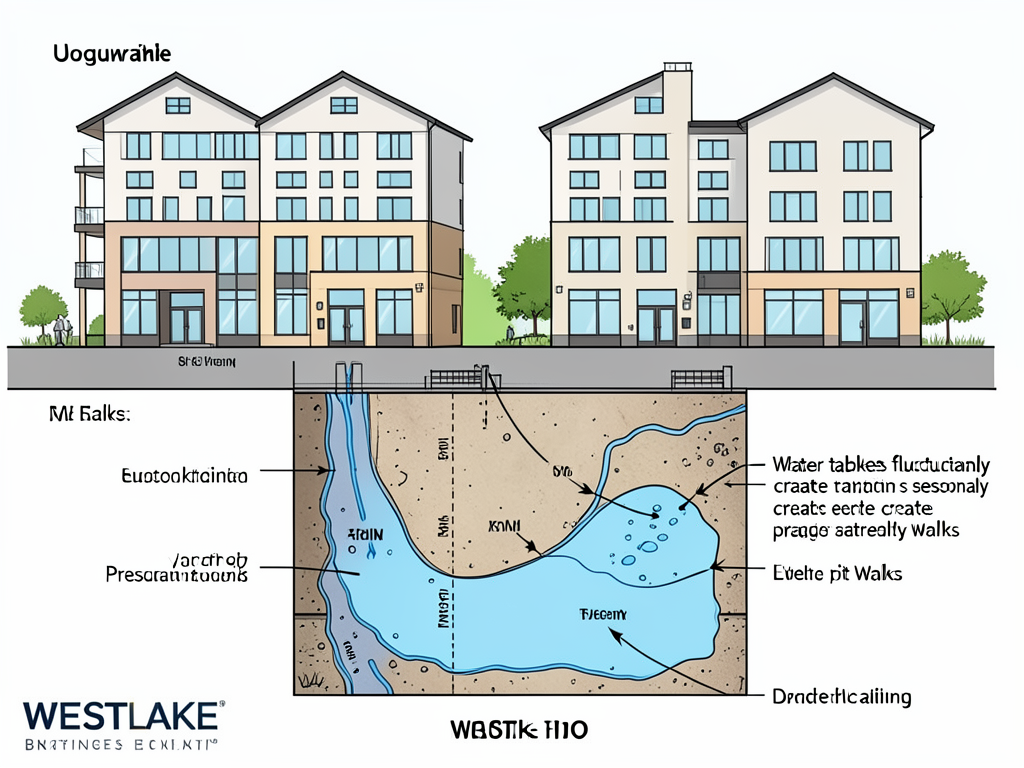
– Technical diagram showing groundwater migration patterns beneath Westlake buildings, illustrating how water tables fluctuate seasonally and create pressure against elevator pit walls.
The Dangers of Standing Water in Elevator Shafts
Standing water in elevator pits creates multiple simultaneous hazards. Electrical systems face immediate danger. Elevator controllers, sensors, and wiring harnesses sit just inches above the pit floor. Water contact causes short circuits, control panel failures, and potential fire hazards. Even low-voltage systems can arc when submerged.
Hydraulic fluid contamination poses serious environmental and health risks. Elevator jacks contain petroleum-based hydraulic oil that floats on water. This creates a visible sheen and releases volatile organic compounds into the air. EPA regulations classify contaminated elevator pit water as hazardous waste requiring special disposal procedures.
Corrosion accelerates rapidly in moist environments. Steel guide rails begin rusting within 24-48 hours of water exposure. Rust flakes create abrasive particles that damage elevator rollers and bearings. Corrosion also weakens concrete around anchor bolts and support structures, compromising building safety.
Mold growth starts within 24-72 hours in elevator pits. These confined spaces provide ideal conditions: constant moisture, organic material from dust and debris, and limited airflow. Mold releases spores that travel through elevator shafts into occupied building areas. Black mold species can cause respiratory problems and allergic reactions.
Structural damage develops over time. Water pressure against pit walls creates hydrostatic stress on concrete. Freeze-thaw cycles in winter months cause expansion cracks. Metal components rust through completely, requiring expensive replacement. Floor drains clog with debris, preventing proper drainage even after initial water removal.. Read more about Cleaning up after a subterranean garage flood in your Koreatown apartment complex.
Safety hazards multiply for maintenance workers. Confined spaces with standing water create oxygen deficiency risks. Slippery surfaces increase fall hazards. Unknown chemical mixtures can release toxic gases. OSHA requires confined space entry permits and specialized safety equipment for any pit entry. OSHA Confined Space Regulations.
Building liability exposure increases with each day of unresolved flooding. Tenants can sue for property damage, health issues, or slip-and-fall injuries. Insurance companies may deny claims if proper maintenance procedures weren’t followed. City inspectors can issue violation notices requiring immediate correction.
Our Specialized Extraction and Drying Process
Our emergency response follows a systematic protocol developed over 15 years of elevator pit restoration work in Los Angeles. The process begins before our truck arrives. When you call (209) 255-2558, our dispatcher collects critical information about building access, elevator type, and estimated water volume.
Upon arrival, technicians perform immediate safety assessment. We verify electrical lockout/tagout procedures with building engineers. Gas detection meters check for hazardous vapors. Moisture meters establish baseline readings for tracking drying progress. All team members wear personal protective equipment including respirators, chemical-resistant boots, and fall protection harnesses.
Water removal uses industrial-grade equipment. Our fleet includes 2-inch and 3-inch submersible pumps capable of moving 2,500-4,000 gallons per hour. Trash pumps handle water with debris without clogging. Vacuum trucks extract remaining water from floor drains and low spots. We typically remove 90% of standing water within the first hour.
Oil-water separation prevents environmental contamination. Our mobile separation units use coalescing plates and activated carbon filters to remove petroleum products. Clean water discharges to sanitary sewers with proper permits. Contaminated water goes to licensed hazardous waste facilities. We maintain manifests for all waste disposal.
Drying and dehumidification eliminate residual moisture. Industrial dehumidifiers remove 20-30 gallons of water per day from the air. Axial fans create airflow patterns that reach all pit corners. Desiccant dehumidifiers handle low-temperature conditions common in basement pits. Moisture meters track progress until wood moisture content drops below 15%.
Surface cleaning removes contaminants and prepares for repairs. Pressure washing with hot water and degreasers eliminates oil residue and biological growth. HEPA vacuuming captures fine particles and mold spores. Antimicrobial treatments prevent future mold colonization. All cleaning chemicals meet EPA Safer Choice standards. Washing Machine Overflow Cleanup.
Final inspection verifies complete restoration. We test elevator operation with building engineers present. Moisture readings confirm dry conditions throughout the pit. Air quality testing ensures safe breathing conditions. Detailed documentation includes before/after photos, moisture maps, and disposal manifests for insurance purposes.
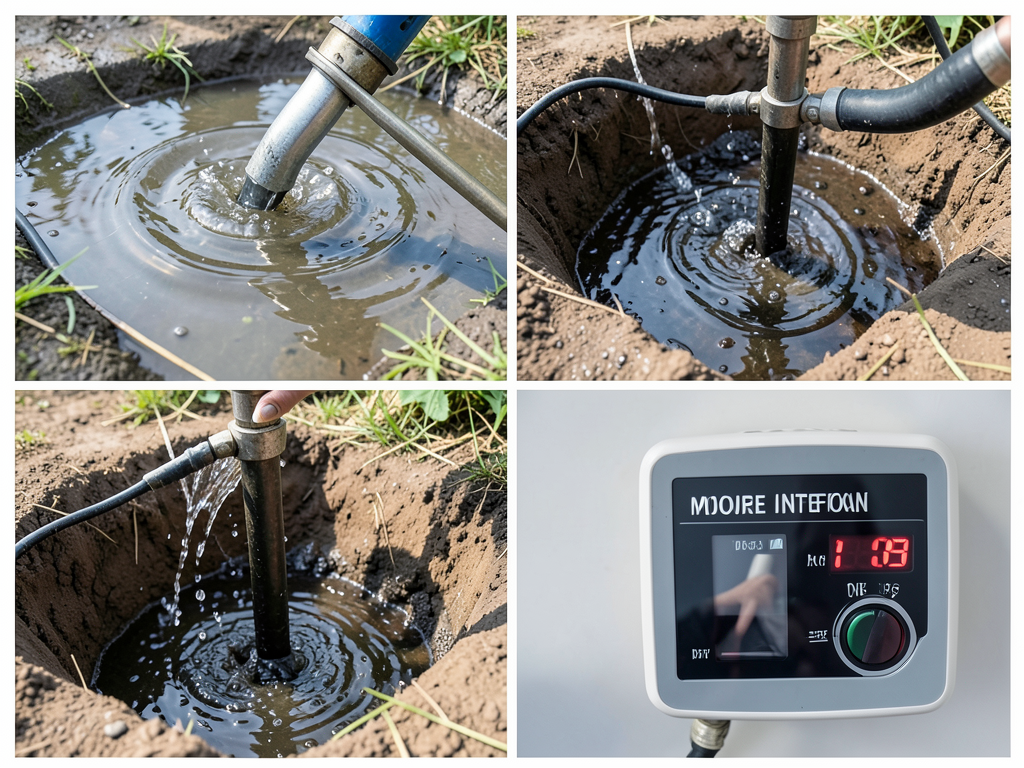
– Photo sequence showing our extraction process: initial water level assessment, pump deployment, oil-water separation in action, and final dry pit inspection with moisture meter readings.
Regulatory Compliance and Safety Standards
Elevator pit restoration must comply with multiple overlapping regulations. ASME A17.1 Safety Code for Elevators governs all work in elevator equipment rooms and pits. This code requires specific procedures for confined space entry, electrical isolation, and hazardous material handling. Violations can result in elevator operation shutdown until compliance is achieved.
OSHA confined space regulations apply to all elevator pit work. These rules mandate atmospheric testing, continuous monitoring, and emergency rescue procedures. Workers must complete 40-hour confined space entry training. Permit systems track who enters pits and when. Standby personnel must remain outside ready to initiate rescue if needed.
EPA hazardous waste regulations govern contaminated water disposal. Elevator pit water mixed with hydraulic oil qualifies as characteristic hazardous waste under EPA Code D001 (ignitable) and D018 (toxic). Our disposal manifests track waste from generation through final treatment. We maintain EPA ID numbers and state disposal permits.
Los Angeles County Department of Public Works regulates industrial wastewater discharge. Permits specify allowable discharge rates, chemical concentrations, and monitoring requirements. Unauthorized discharge can result in fines up to $10,000 per violation. We coordinate with building engineers to ensure compliance with all discharge requirements.
California Title 24 energy standards affect restoration work. New waterproofing materials must meet VOC emission limits. LED lighting in pits must meet efficiency requirements. All electrical work follows California Electrical Code with additional local amendments. Permit applications include energy calculations for any new equipment.
Building and Safety Department inspections verify code compliance. Inspectors check structural repairs, waterproofing installation, and elevator reactivation procedures. They verify that all permits were obtained and inspections passed. Non-compliance can result in stop-work orders and mandatory corrective actions before elevator use resumes.
Insurance carrier requirements often exceed minimum code standards. Many policies require specific restoration procedures, documentation formats, and contractor certifications. We maintain relationships with major insurance carriers to ensure our work meets all policy requirements. This prevents claim denials based on improper restoration procedures.
Worker safety protocols protect our team and building occupants. Daily safety briefings cover site-specific hazards. Equipment inspections verify proper operation before use. Emergency response plans include evacuation routes and assembly points. All incidents require immediate reporting and investigation to prevent recurrence.
– Photo showing technician in full confined space entry gear, including respirator, harness, and gas detector, preparing to enter a flooded elevator pit while safety attendant monitors from outside.
Emergency Response and Prevention Strategies
Emergency response begins with a single phone call to (209) 255-2558. Our dispatch center operates 24/7 with live operators trained in emergency assessment. We ask targeted questions to determine response priority: Is water touching elevator controls? Are there electrical hazards? Is there oil contamination? This information guides equipment selection and crew composition.
Response time matters critically. Water damage compounds hourly. Electrical systems fail within 2-4 hours of submersion. Corrosion begins within 24 hours. Mold colonizes within 72 hours. Our goal is arrival within 60 minutes anywhere in Westlake. We maintain crews on standby during storm events to ensure immediate availability.
Prevention strategies reduce future flooding risks. We install high-water alarms that trigger before critical levels are reached. Battery backup systems keep sump pumps operating during power outages. Improved drainage systems redirect surface water away from elevator shafts. Waterproof membranes create barriers against groundwater infiltration.
Regular maintenance prevents most emergency situations. Annual pit inspections identify developing problems before they cause flooding. Sump pump testing verifies operation under load conditions. Seal inspections catch degradation early. Moisture monitoring tracks groundwater trends that might indicate changing conditions requiring intervention.
Building upgrades improve long-term reliability. Modern elevator designs include redundant drainage systems and improved waterproofing. Hydraulic elevators can be converted to traction systems to eliminate underground hydraulic components. Smart monitoring systems provide real-time alerts for developing problems before flooding occurs.
Insurance coordination simplifies recovery. We work directly with insurance adjusters to document damage, provide repair estimates, and coordinate approvals. Our detailed reporting includes cause determination, damage extent, and recommended repairs. This documentation supports claim approval and speeds restoration authorization.
Tenant communication maintains building operations during restoration. We provide regular updates on work progress and expected completion times. Safety barriers prevent unauthorized access to work areas. Noise control measures minimize disruption to building occupants. We coordinate elevator shutdowns to minimize inconvenience during critical repair phases.
Documentation supports future prevention. We provide building owners with detailed reports including cause analysis, repair procedures, and maintenance recommendations. Photos document damage extent and repair quality. Moisture maps show drying progress. This information helps building engineers develop effective prevention strategies.
Call (209) 255-2558 today to schedule your elevator pit inspection or request emergency response. Our Westlake-based team understands the unique challenges of restoring elevator systems in Los Angeles’s historic apartment buildings. Don’t wait until water damage compromises your building’s safety and liability exposure.
Frequently Asked Questions
How quickly should elevator pit flooding be addressed?
Elevator pit flooding requires immediate attention within 2-4 hours to prevent electrical system damage and corrosion. Standing water creates safety hazards and building code violations that can shut down elevator operations until professionally remediated.
What causes elevator pit flooding in Westlake buildings?
Common causes include high groundwater tables, sump pump failures, hydraulic seal degradation, and surface water intrusion through deteriorated concrete. Westlake’s older buildings often lack modern waterproofing systems that prevent groundwater infiltration.
Is elevator pit water considered hazardous waste?
Yes, when hydraulic oil mixes with groundwater, the resulting mixture qualifies as hazardous waste under EPA regulations. Special handling, storage, and disposal procedures are required to comply with environmental protection laws.
How long does elevator pit restoration typically take?
Initial water removal takes 1-2 hours. Complete drying and restoration requires 3-5 days depending on water volume, contamination level, and pit accessibility. We provide detailed timelines after initial assessment.
You may also find this helpful. Why a bidet leak in your Century City condo is more common than you think.
You may also find this helpful. Preventing commercial roof ponding on your industrial warehouse in Vernon.
{
“@context”: “https://schema.org”,
“@type”: “BlogPosting”,
“headline”: “Dealing with standing water in the elevator pits of Westlake apartment buildings”,
“description”: “Emergency elevator pit flooding repair in Westlake, Los Angeles. 24/7 water extraction for commercial and residential buildings. Call (209) 255-2558 for immediate help.”,
“wordCount”: 2245,
“datePublished”: “2026-05-12T10:23:00.000Z”,
“dateModified”: “2026-05-12T10:23:00.000Z”,
“inLanguage”: “en-US”,
“mainEntityOfPage”: {
“@type”: “WebPage”,
“@id”: “https://unitedwaterdamagerestorationlosangeles.com”
},
“publisher”: {
“@type”: “LocalBusiness”,
“name”: “United Water Damage Restoration Los Angeles”,
“url”: “https://unitedwaterdamagerestorationlosangeles.com”
},
“author”: {
“@type”: “Organization”,
“name”: “United Water Damage Restoration Los Angeles”,
“url”: “https://unitedwaterdamagerestorationlosangeles.com”
},
“image”: {
“@type”: “ImageObject”,
“url”: “https://unitedwaterdamagerestorationlosangeles.com/wp-content/uploads/2026/03/dealing-with-standing-water-in-the-elevator-pits-o-1.png”
}
}
{
“@context”: “https://schema.org”,
“@type”: “LocalBusiness”,
“name”: “United Water Damage Restoration Los Angeles”,
“url”: “https://unitedwaterdamagerestorationlosangeles.com”,
“address”: {
“@type”: “PostalAddress”,
“addressLocality”: “Los Angeles”
},
“areaServed”: {
“@type”: “City”,
“name”: “Los Angeles”
}
}
{
“@context”: “https://schema.org”,
“@type”: “FAQPage”,
“mainEntity”: [
{
“@type”: “Question”,
“name”: “How quickly should elevator pit flooding be addressed?”,
“acceptedAnswer”: {
“@type”: “Answer”,
“text”: “Elevator pit flooding requires immediate attention within 2-4 hours to prevent electrical system damage and corrosion. Standing water creates safety hazards and building code violations that can shut down elevator operations until professionally remediated.”
}
},
{
“@type”: “Question”,
“name”: “What causes elevator pit flooding in Westlake buildings?”,
“acceptedAnswer”: {
“@type”: “Answer”,
“text”: “Common causes include high groundwater tables, sump pump failures, hydraulic seal degradation, and surface water intrusion through deteriorated concrete. Westlake’s older buildings often lack modern waterproofing systems that prevent groundwater infiltration.”
}
},
{
“@type”: “Question”,
“name”: “Is elevator pit water considered hazardous waste?”,
“acceptedAnswer”: {
“@type”: “Answer”,
“text”: “Yes, when hydraulic oil mixes with groundwater, the resulting mixture qualifies as hazardous waste under EPA regulations. Special handling, storage, and disposal procedures are required to comply with environmental protection laws.”
}
},
{
“@type”: “Question”,
“name”: “How long does elevator pit restoration typically take?”,
“acceptedAnswer”: {
“@type”: “Answer”,
“text”: “Initial water removal takes 1-2 hours. Complete drying and restoration requires 3-5 days depending on water volume, contamination level, and pit accessibility. We provide detailed timelines after initial assessment.”
}
}
]
}
{
“@context”: “https://schema.org”,
“@type”: “BreadcrumbList”,
“itemListElement”: [
{
“@type”: “ListItem”,
“position”: 1,
“name”: “Home”,
“item”: “https://unitedwaterdamagerestorationlosangeles.com”
},
{
“@type”: “ListItem”,
“position”: 2,
“name”: “Blog”,
“item”: “https://unitedwaterdamagerestorationlosangeles.com/blog”
},
{
“@type”: “ListItem”,
“position”: 3,
“name”: “Dealing with standing water in the elevator pits of Westlake apartment buildings”
}
]
}
{
“@context”: “https://schema.org”,
“@type”: “Service”,
“serviceType”: “Water Damage Restoration”,
“provider”: {
“@type”: “LocalBusiness”,
“name”: “United Water Damage Restoration Los Angeles”,
“url”: “https://unitedwaterdamagerestorationlosangeles.com”
},
“areaServed”: {
“@type”: “City”,
“name”: “Los Angeles”
},
“description”: “Emergency elevator pit flooding repair in Westlake, Los Angeles. 24/7 water extraction for commercial and residential buildings. Call (209) 255-2558 for immediate help.”
}