Keeping Students Safe from Mold After a Water Leak at Your Westside Los Angeles Private School
When water breaches a classroom ceiling or floods a school hallway, every minute counts. In Westside Los Angeles, where coastal humidity meets aging school infrastructure, mold can begin colonizing within 24 to 48 hours. This guide walks private school administrators through the critical steps to protect student health, maintain compliance with California safety codes, and restore learning environments fast. California Department of Public Health mold guidelines.
The stakes are high. Mold exposure can trigger asthma attacks, allergic reactions, and respiratory infections in children. Beyond health risks, schools face liability concerns, potential shutdowns, and the challenge of completing restoration without disrupting academic schedules. Understanding the science of water damage and the urgency of professional remediation is the first step toward safeguarding your campus. Expert Help for Water Damage Restoration in Venice Beach Properties.
Why Westside Schools Face Unique Mold Risks
Westside Los Angeles sits in a unique climate zone where morning fog, afternoon heat, and occasional atmospheric river storms create perfect conditions for moisture intrusion. Many private schools in neighborhoods like Brentwood, Pacific Palisades, and Westwood occupy buildings constructed before modern moisture barriers were standard. These structures often feature stucco exteriors, flat roofs, and single-pane windows that allow water penetration during heavy rains. Immediate Water Damage Cleanup Services for Businesses in Downtown LA.
Additionally, the Santa Monica Bay’s marine layer keeps relative humidity levels elevated for much of the year. When water enters these buildings, it does not dry quickly. Instead, it wicks into drywall, saturates insulation, and creates hidden reservoirs where mold spores can thrive out of sight. The combination of older construction methods and persistent moisture makes Westside campuses particularly vulnerable to rapid microbial growth. Water Damage Restoration Montebello.
California Health and Safety Compliance for Schools
California Code of Regulations Title 8 and Title 17 establish strict standards for indoor air quality and mold remediation in educational settings. The California Department of Public Health (CDPH) guidelines require schools to address water damage within 48 hours to prevent mold colonization. Failure to comply can result in citations, mandatory closures, and legal liability if students become ill.
CDPH standards mandate that any visible mold growth exceeding ten square feet requires professional remediation. The process must include containment barriers, negative air pressure, and HEPA filtration to prevent spore spread. Schools must also document moisture readings, remediation steps, and post-clearance testing. These records become critical if parents or health officials question the safety of the learning environment.
Beyond state regulations, Westside schools often operate under additional scrutiny due to their proximity to affluent communities where parents expect hospital-grade indoor air quality. Meeting minimum compliance is not enough; schools must demonstrate proactive moisture management and rapid response capabilities to maintain trust and avoid reputational damage.
Emergency Response: The First 24 Hours
When a water leak occurs, the response timeline determines whether the school faces a simple cleanup or a full-scale mold remediation project. Within the first hour, staff should isolate the affected area, shut off water sources if possible, and document the damage with photos and moisture meter readings. This documentation becomes essential for insurance claims and regulatory compliance.
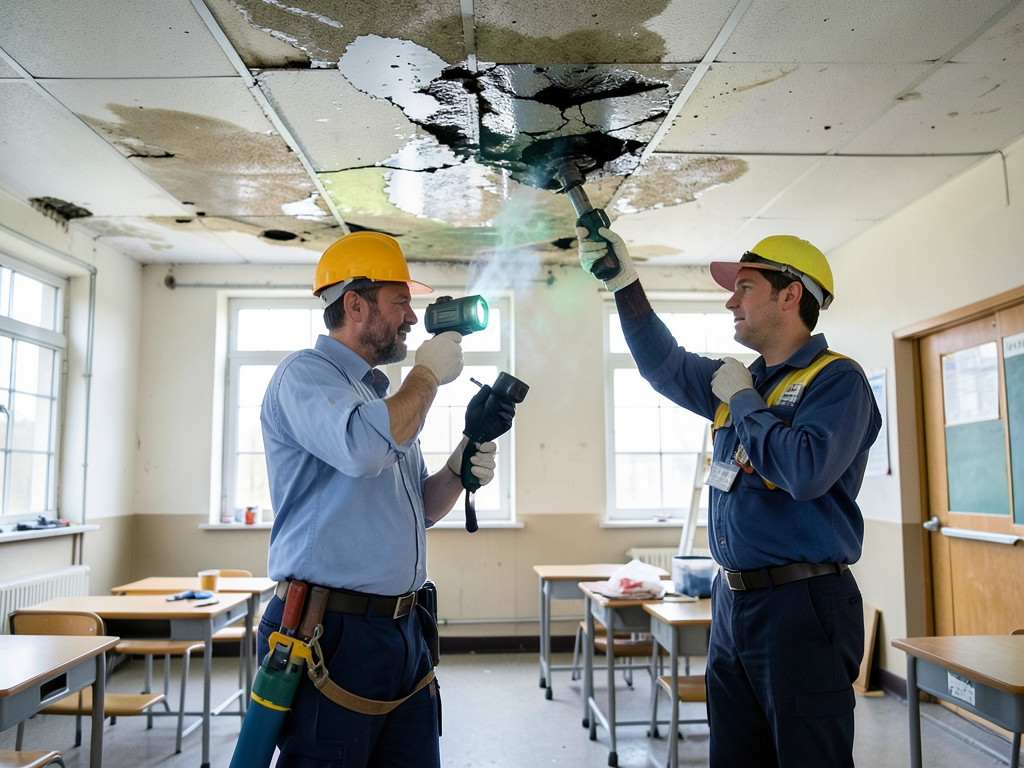
Professional restoration teams arrive equipped with thermal imaging cameras that detect hidden moisture behind walls and under flooring. These infrared scans reveal water migration patterns that are invisible to the naked eye. Technicians use moisture meters calibrated to building material standards to establish baseline readings before beginning extraction.
Water extraction must begin within the first four hours to prevent structural absorption. Industrial-grade pumps remove standing water while truck-mounted extractors pull moisture from carpets and padding. The goal is to reduce moisture content below the material’s equilibrium point before mold spores can establish colonies.
Classroom-Specific Mold Prevention Strategies
Classrooms present unique challenges because they contain paper materials, fabric furnishings, and student belongings that absorb moisture rapidly. Books, art supplies, and educational materials can become mold food sources within hours of water exposure. The restoration process must balance thorough drying with protecting irreplaceable educational resources.
HEPA air scrubbers run continuously during remediation to capture airborne spores and prevent cross-contamination between classrooms. These units filter particles as small as 0.3 microns, effectively removing mold spores from the air. The negative air pressure created by these systems ensures that contaminated air flows out of the building rather than into adjacent spaces.
Surface treatments include EPA-registered antimicrobial agents that inhibit mold growth on cleaned surfaces. These treatments are selected based on the specific materials involved and the sensitivity of the school population. For schools with students who have asthma or allergies, technicians use hypoallergenic, low-VOC products that do not introduce additional respiratory irritants.
Gymnasium and Athletic Facility Considerations
School gyms face unique water damage challenges due to their large open spaces, wood flooring, and high ceilings. Water pooling on gym floors can cause cupping, buckling, and permanent warping within 24 hours. The restoration process for athletic facilities requires specialized equipment and techniques to salvage expensive flooring systems.
Desiccant dehumidifiers work alongside traditional refrigerant units to create optimal drying conditions. These machines pull moisture from the air at a much faster rate than standard equipment, crucial for preventing mold growth in large-volume spaces. The combination of targeted air movement and precise humidity control can save thousands of dollars in flooring replacement costs. Washing Machine Overflow Cleanup.
Athletic equipment, mats, and storage areas also require attention. Mold can grow on rubber surfaces, foam padding, and fabric covers if not properly treated. The restoration plan includes inventory assessment, cleaning protocols for each material type, and documentation of equipment condition before and after remediation.
Library and Document Recovery Protocols
School libraries contain irreplaceable educational materials, historical documents, and student records that cannot simply be replaced. Water damage to books and paper creates immediate mold risks due to the organic nature of paper and the density of shelving that restricts air circulation. The recovery process requires specialized document drying techniques.
Freeze-drying technology allows restoration teams to salvage water-damaged books and documents. This process involves freezing materials to prevent further deterioration, then using sublimation to remove moisture without causing additional damage. While time-consuming, this method can recover materials that would otherwise be lost to mold growth.
Digital backup becomes critical during the recovery process. Schools should maintain electronic copies of important documents, yearbooks, and student records. The restoration team can work with IT departments to ensure that digital archives remain accessible while physical materials undergo treatment.
Science Lab and Specialty Room Protocols
Science laboratories present additional challenges due to chemical storage, sensitive equipment, and specialized ventilation systems. Water damage in these spaces can create hazardous conditions if chemicals mix or if electrical systems are compromised. The restoration process must account for these unique risks while maintaining safety standards.
Technicians trained in chemical safety protocols assess each lab’s contents before beginning work. Flammable materials, acids, and bases require special handling and may need to be removed before water extraction begins. The restoration plan includes coordination with science department staff to ensure that all hazardous materials are properly secured.
Lab equipment such as microscopes, balances, and computer systems require careful drying and testing before being returned to service. The restoration team works with school IT and science departments to create a phased return plan that ensures all equipment functions properly before students resume lab activities.
Communication and Stakeholder Management
Effective communication during a school water emergency prevents panic and maintains trust among parents, staff, and district officials. The restoration team should provide regular updates through designated school contacts, including progress reports, safety testing results, and estimated completion timelines. Transparency about the remediation process helps manage expectations and demonstrates professional competence.
Parent notifications should explain the nature of the water damage, the steps being taken to ensure student safety, and any temporary adjustments to class schedules or locations. These communications should emphasize the school’s commitment to health and safety while providing specific details about air quality testing and clearance procedures.
Staff training on recognizing mold symptoms and understanding the remediation process empowers teachers and administrators to identify potential issues early. This knowledge creates a partnership between the restoration team and school personnel, ensuring that any concerns are addressed promptly and professionally.
Insurance and Financial Considerations
Navigating insurance claims for school water damage requires detailed documentation and understanding of policy coverage. Most commercial property insurance policies cover sudden water damage from burst pipes, roof leaks, and equipment failures. However, coverage for mold remediation may be limited or require specific endorsements depending on the policy terms.
The restoration team works directly with insurance adjusters to provide necessary documentation, including moisture readings, photographic evidence, and detailed scope of work estimates. This coordination ensures that the claim process moves smoothly and that the school receives appropriate coverage for the restoration work.
Schools should review their insurance policies annually to understand coverage limits, deductibles, and any exclusions related to water damage or mold. Working with an insurance professional who understands educational facility risks can help identify coverage gaps and ensure adequate protection for future incidents.
Preventative Measures and Long-Term Solutions
After completing restoration, schools should implement preventative measures to reduce future water damage risks. These include regular roof inspections, HVAC maintenance, and moisture monitoring in high-risk areas. Installing water detection sensors in mechanical rooms, near water heaters, and under sinks can provide early warning of potential leaks.
Building envelope improvements such as upgraded roofing, improved drainage systems, and moisture-resistant building materials can significantly reduce water intrusion risks. While these upgrades require investment, they often pay for themselves through reduced insurance premiums and avoided restoration costs.
Staff training on water damage prevention and response protocols ensures that everyone knows their role during an emergency. Regular drills and updated contact lists for restoration services create a prepared response system that can minimize damage when incidents occur.
Choosing the Right Restoration Partner
Not all restoration companies have experience with educational facilities and the unique requirements they present. Schools should select partners who understand California compliance requirements, have experience with large-scale commercial projects, and can work within the constraints of academic schedules.
Key qualifications include IICRC certification in water damage restoration and mold remediation, experience with school district contracts, and the ability to provide documentation that satisfies regulatory requirements. The restoration partner should also have 24/7 emergency response capabilities and a track record of completing projects on time and within budget. IICRC S500 water damage restoration standards.
References from other educational institutions provide valuable insight into a company’s reliability and professionalism. Schools should ask about previous projects, response times, and the company’s approach to minimizing disruption to learning activities.
Case Study: Brentwood Academy Water Main Break
In January 2026, a water main break at Brentwood Academy flooded three classroom wings during winter break. The restoration team arrived within 45 minutes of the emergency call, deployed containment barriers, and began water extraction immediately. Thermal imaging revealed moisture migration into adjacent walls that were not initially visible.
The team worked through the night to remove standing water and set up industrial drying equipment. By morning, classrooms were ready for inspection by school administrators and insurance adjusters. The project was completed within five days, allowing the school to reopen on schedule without any mold-related issues.
This case demonstrates the importance of rapid response, professional equipment, and experience with educational facilities. The school avoided potential mold growth, maintained its academic calendar, and provided documentation that satisfied all regulatory requirements.
Frequently Asked Questions
How quickly can mold grow after a school water leak?
Mold can begin growing within 24 to 48 hours after water exposure, especially in the humid climate of Westside Los Angeles. This is why immediate professional response is critical for preventing mold colonization in school buildings.
What California regulations apply to school mold remediation?
California Code of Regulations Title 8 and Title 17, along with CDPH guidelines, require schools to address water damage within 48 hours and mandate professional remediation for mold growth exceeding ten square feet. These regulations include specific containment, air quality, and documentation requirements.
How do you protect students during the remediation process?
Professional restoration teams use containment barriers, negative air pressure, and HEPA filtration to isolate affected areas. Air quality testing is conducted before students return to spaces, and all work is performed using low-VOC, hypoallergenic products when schools have sensitive populations.
Take Action to Protect Your Students Today
Water damage in a school setting is not just a maintenance issue; it is a health and safety emergency that requires immediate professional attention. The combination of Westside Los Angeles’s climate, older school infrastructure, and strict California regulations makes rapid response essential for protecting students and maintaining compliance.
Every hour of delay increases the risk of mold growth, structural damage, and potential liability. Schools that have experienced water damage should contact certified restoration professionals immediately to assess the situation and begin remediation before problems escalate.
Don’t wait for visible mold to appear or for students to report health symptoms. Call (209) 255-2558 now to speak with experienced restoration specialists who understand the unique challenges of Westside Los Angeles private schools. Protect your students, preserve your facility, and ensure your school remains a safe learning environment.
Pick up the phone and call (209) 255-2558 before the next storm hits or the next pipe bursts. Your students’ health and your school’s reputation depend on the actions you take today.
{
“@context”: “https://schema.org”,
“@type”: “BlogPosting”,
“headline”: “Keeping Students Safe from Mold After a Water Leak at Your Westside Los Angeles Private School”,
“description”: “Discover how to protect Westside LA students from mold after a school water leak. Learn about rapid remediation, IAQ compliance, and emergency restoration for educational facilities.”,
“wordCount”: 2232,
“datePublished”: “2026-06-08T08:23:00.000Z”,
“dateModified”: “2026-06-08T08:23:00.000Z”,
“inLanguage”: “en-US”,
“mainEntityOfPage”: {
“@type”: “WebPage”,
“@id”: “https://unitedwaterdamagerestorationlosangeles.com”
},
“publisher”: {
“@type”: “LocalBusiness”,
“name”: “United Water Damage Restoration Los Angeles”,
“url”: “https://unitedwaterdamagerestorationlosangeles.com”
},
“author”: {
“@type”: “Organization”,
“name”: “United Water Damage Restoration Los Angeles”,
“url”: “https://unitedwaterdamagerestorationlosangeles.com”
},
“image”: {
“@type”: “ImageObject”,
“url”: “https://unitedwaterdamagerestorationlosangeles.com/wp-content/uploads/2026/03/keeping-students-safe-from-mold-after-a-water-leak-1.png”
}
}
{
“@context”: “https://schema.org”,
“@type”: “LocalBusiness”,
“name”: “United Water Damage Restoration Los Angeles”,
“url”: “https://unitedwaterdamagerestorationlosangeles.com”,
“address”: {
“@type”: “PostalAddress”,
“addressLocality”: “Los Angeles”
},
“areaServed”: {
“@type”: “City”,
“name”: “Los Angeles”
}
}
{
“@context”: “https://schema.org”,
“@type”: “FAQPage”,
“mainEntity”: [
{
“@type”: “Question”,
“name”: “How quickly can mold grow after a school water leak?”,
“acceptedAnswer”: {
“@type”: “Answer”,
“text”: “Mold can begin growing within 24 to 48 hours after water exposure, especially in the humid climate of Westside Los Angeles. This is why immediate professional response is critical for preventing mold colonization in school buildings.”
}
},
{
“@type”: “Question”,
“name”: “What California regulations apply to school mold remediation?”,
“acceptedAnswer”: {
“@type”: “Answer”,
“text”: “California Code of Regulations Title 8 and Title 17, along with CDPH guidelines, require schools to address water damage within 48 hours and mandate professional remediation for mold growth exceeding ten square feet. These regulations include specific containment, air quality, and documentation requirements.”
}
},
{
“@type”: “Question”,
“name”: “How do you protect students during the remediation process?”,
“acceptedAnswer”: {
“@type”: “Answer”,
“text”: “Professional restoration teams use containment barriers, negative air pressure, and HEPA filtration to isolate affected areas. Air quality testing is conducted before students return to spaces, and all work is performed using low-VOC, hypoallergenic products when schools have sensitive populations.”
}
}
]
}
{
“@context”: “https://schema.org”,
“@type”: “BreadcrumbList”,
“itemListElement”: [
{
“@type”: “ListItem”,
“position”: 1,
“name”: “Home”,
“item”: “https://unitedwaterdamagerestorationlosangeles.com”
},
{
“@type”: “ListItem”,
“position”: 2,
“name”: “Blog”,
“item”: “https://unitedwaterdamagerestorationlosangeles.com/blog”
},
{
“@type”: “ListItem”,
“position”: 3,
“name”: “Keeping Students Safe from Mold After a Water Leak at Your Westside Los Angeles Private School”
}
]
}
{
“@context”: “https://schema.org”,
“@type”: “Service”,
“serviceType”: “Water Damage Restoration”,
“provider”: {
“@type”: “LocalBusiness”,
“name”: “United Water Damage Restoration Los Angeles”,
“url”: “https://unitedwaterdamagerestorationlosangeles.com”
},
“areaServed”: {
“@type”: “City”,
“name”: “Los Angeles”
},
“description”: “Discover how to protect Westside LA students from mold after a school water leak. Learn about rapid remediation, IAQ compliance, and emergency restoration for educational facilities.”
}