




menu

Condensation on Windows & Walls in Los Angeles – Expert Diagnosis Stops Hidden Mold Before It Spreads

We identify the exact source of window sweating and moisture buildup on walls, then eliminate it before you face structural damage or respiratory issues common to Los Angeles homes.

Slider Image 1
Slider Image 2
Slider Image 3
Slider Image 4
Slider Image 5
Slider Image 7
Slider Image 8
Slider Image 9
Slider Image 10
Slider Image 11

Why Your Los Angeles Home Has Persistent Window Sweating and Damp Walls

You wake up to weeping window panes. Damp drywall patches spread across your bedroom wall. Interior glass condensation fogs every window by morning. You wipe it down, but it returns the next day.

This is not normal. You are watching moisture buildup destroy your home in slow motion.

Los Angeles sits in a Mediterranean climate zone with sharp temperature swings between day and night. When warm indoor air collides with cold window glass during cooler evenings, water vapor condenses instantly. The same physics applies to exterior walls. If your insulation is compromised or your HVAC system runs inefficiently, you create a dew point inside your living space.

The problem accelerates in older Los Angeles homes built before modern vapor barrier standards. Single-pane windows, common in pre-1980 construction, offer zero thermal resistance. Stucco exteriors, iconic to Southern California architecture, can trap moisture if improperly sealed or if weep screeds fail. Coastal proximity adds salt-laden humidity, which penetrates micro-cracks and accelerates condensation cycles.

Moisture buildup on walls is not cosmetic. It signals a failure in your building envelope. Left untreated, you will see mold colonization within 48 hours, drywall delamination within weeks, and framing rot within months. Respiratory irritation follows. Asthma triggers multiply. Your home becomes a liability.

You cannot fix this with a dehumidifier. You need a forensic assessment of your thermal envelope, HVAC balance, and structural integrity. That is where we come in.

Why Your Los Angeles Home Has Persistent Window Sweating and Damp Walls
How We Eliminate Condensation at the Source, Not Just the Symptom

How We Eliminate Condensation at the Source, Not Just the Symptom

Most contractors treat window sweating as a ventilation problem. They install exhaust fans and call it done. The condensation returns because they never addressed the thermal bridge or pressure imbalance causing it.

We use a three-layer diagnostic protocol.

First, we map your home with thermal imaging cameras. This reveals cold spots where insulation has failed, air leakage paths around window frames, and hidden moisture intrusion behind drywall. We measure indoor relative humidity and compare it to dew point calculations for your specific wall and window surface temperatures. This tells us exactly where and why condensation forms.

Second, we test your HVAC system for pressure imbalances. If your return air is undersized or your supply vents over-pressurize certain rooms, you create microclimates with elevated humidity. We use a digital manometer to measure pressure differentials room by room. We also inspect ductwork for leaks, which pull unconditioned attic air into your living space and spike humidity.

Third, we inspect your building envelope. We check window glazing seals, weep holes in stucco, and vapor barrier continuity in exterior walls. If your stucco lacks a proper drainage plane or your windows were installed without head flashing, you are pulling exterior moisture inward.

Once we identify the failure points, we correct them. We air-seal thermal bridges with spray foam. We rebalance HVAC airflow. We repair or replace compromised vapor barriers. We do not sell you a dehumidifier and walk away. We engineer a permanent solution tailored to your home's specific failure mode.

What Happens When You Call Us About Condensation Problems

Condensation on Windows & Walls in Los Angeles – Expert Diagnosis Stops Hidden Mold Before It Spreads
01

Thermal and Moisture Mapping

We arrive with thermal imaging equipment and hygrometers to map every cold surface and moisture pocket in your home. You will see real-time images showing exactly where your building envelope is failing. We document surface temperatures, relative humidity levels, and dew point violations. This takes 60 to 90 minutes and gives us a complete diagnostic baseline before we touch anything.
02

Root Cause Analysis

We analyze the data to pinpoint the exact failure mechanism. Is it a thermal bridge? A pressure imbalance? A vapor barrier breach? We cross-reference your HVAC performance, insulation integrity, and window assembly details. You get a written report explaining the physics of your condensation problem in plain language, along with photos and thermal scans. No guesswork. No generic recommendations. Just the specific defect causing your issue.
03

Targeted Remediation and Verification

We execute the fix. This may involve air sealing, insulation upgrades, HVAC rebalancing, or window assembly repairs. After remediation, we retest with thermal imaging and moisture meters to verify elimination of condensation conditions. You receive before-and-after documentation proving the problem is solved. We also provide maintenance recommendations to prevent recurrence, including optimal thermostat settings and ventilation schedules for Los Angeles climate patterns.

Why Los Angeles Homeowners Trust Us to Solve Condensation Issues Correctly

Condensation problems in Los Angeles require understanding both building science and local construction practices. Most homes here were built with stucco and minimal insulation. Vapor barriers were often omitted or installed incorrectly. Single-pane aluminum windows were standard through the 1980s. This creates a perfect storm for moisture intrusion when combined with modern HVAC systems and airtight remodels.

We have remediated condensation damage in neighborhoods from Silver Lake to Pacific Palisades. We know how different eras of Los Angeles construction handle moisture. We understand that a 1950s ranch in the Valley has different thermal characteristics than a 1920s Spanish Revival in West Adams. We account for proximity to the coast, elevation changes, and microclimates when diagnosing your issue.

We also work within Los Angeles building codes. If your repair requires a permit, we pull it. If your home is in a Historic Preservation Overlay Zone, we coordinate with the Office of Historic Resources to ensure compliance while solving your moisture problem. We do not cut corners.

Our technicians carry thermal imaging certification and understand psychrometrics, the science of air and moisture interaction. We do not send generalists. We send specialists who have solved hundreds of condensation cases across Southern California.

You also get transparent communication. We explain the problem in terms you understand. We show you the thermal scans. We walk you through the fix. You are never left guessing what is happening in your walls or why your windows are sweating. We treat you like an informed partner, not a transaction.

What You Can Expect When We Solve Your Condensation Problem

Fast Response and Flexible Scheduling

We know condensation leads to mold quickly. We schedule diagnostic visits within 48 hours of your call. Most assessments happen within three to five days. If you are seeing active water damage or smell mold, we expedite. Our team works evenings and weekends to accommodate your schedule. You do not need to take time off work. The diagnostic visit takes 60 to 90 minutes. Remediation timelines depend on scope, but most residential condensation fixes complete in one to three days. You get a timeline upfront, and we stick to it.

Comprehensive Diagnostic Assessment

Our assessment is not a visual inspection. We use calibrated tools to measure what you cannot see. Thermal imaging reveals hidden cold spots and insulation voids. Hygrometers measure humidity levels in each room. Manometers test HVAC pressure balance. Moisture meters detect hidden water intrusion behind walls. You receive a written report with photos, thermal scans, and a detailed explanation of the root cause. We also outline the recommended fix and explain cost factors. This transparency lets you make an informed decision.

Permanent Fix, Not a Temporary Patch

We engineer solutions based on building science principles. If your condensation stems from a thermal bridge, we eliminate it with targeted insulation and air sealing. If your HVAC system is unbalanced, we correct airflow and pressure differentials. If your vapor barrier is compromised, we repair or replace it. You do not get a band-aid fix. You get a permanent correction verified with post-remediation testing. We document the before-and-after conditions so you know the problem is solved. Your home becomes dry, comfortable, and safe.

Follow-Up Guidance and Prevention

After remediation, we provide a maintenance plan tailored to your home. This includes optimal thermostat settings for Los Angeles climate, ventilation recommendations, and seasonal inspection points. We explain how to monitor for recurrence and what warning signs to watch for. If you have questions three months later, you call us. We do not disappear after the job. We also coordinate with your insurance if your condensation caused mold or structural damage. We document everything for claims and provide detailed invoicing that satisfies adjusters.

Frequently Asked Questions

You Have Questions,
We Have Answers

How to stop condensation on windows and walls? +

Control indoor humidity by running exhaust fans in kitchens and bathrooms during cooking or showering. Open windows periodically to improve airflow, even in Los Angeles mild weather. Check that dryer vents exhaust outside and are not clogged. Use a dehumidifier in moisture-prone rooms. Seal air leaks around window frames with weatherstripping or caulk. Ensure your HVAC system runs efficiently and consider upgrading to double-pane windows if you have single-pane glass. Move furniture and drapes away from walls to allow air circulation. Address any plumbing leaks or exterior drainage issues immediately to prevent excess moisture infiltration.

Does condensation always indicate a problem? +

Occasional light condensation during temperature swings is normal, but persistent condensation signals excess indoor humidity or poor ventilation. In Los Angeles, where winter nights can be cool while days warm up quickly, morning window fog that clears within an hour is typically harmless. Worry when condensation appears daily, puddles on sills, or spreads to walls and ceilings. This indicates your home cannot regulate moisture properly, which leads to mold growth, wood rot, and structural damage. Condensation on walls especially warrants immediate attention, as it often reveals hidden leaks or insulation failures behind drywall.

Is it normal to have condensation on the inside of house windows? +

Light morning condensation on windows is normal during temperature shifts, especially in Los Angeles during cooler months when indoor heating meets cold glass surfaces. This happens when warm, moist indoor air contacts cold window panes and water vapor turns to liquid. If condensation disappears within an hour as the home warms, it is not concerning. However, heavy condensation that drips onto sills, appears daily regardless of weather, or spreads to walls suggests excessive indoor humidity or ventilation problems. Single-pane windows in older Los Angeles homes are especially prone to this issue due to poor thermal performance.

Should you wipe condensation off windows? +

Yes, wipe condensation off windows daily to prevent water from pooling on sills and causing wood rot, paint damage, or mold growth. Use an absorbent cloth or squeegee to remove moisture quickly. Pay attention to corners where water accumulates. While wiping addresses the symptom, you must fix the root cause by reducing indoor humidity or improving ventilation. In Los Angeles homes, check that bathroom and kitchen exhaust fans vent outside properly. Persistent condensation despite wiping indicates you need professional assessment for ventilation upgrades, insulation improvements, or window replacement to prevent long-term damage.

Does condensation on windows mean poor insulation? +

Not always. Condensation occurs when warm, humid indoor air meets cold glass surfaces. Poor insulation makes windows colder, increasing condensation risk, but high indoor humidity is usually the primary culprit. In Los Angeles, many homes have single-pane windows that conduct cold efficiently, creating condensation even with adequate wall insulation. Check your indoor humidity levels first. If they exceed 50 percent, reduce moisture sources or improve ventilation. If humidity is normal but condensation persists, your windows likely need upgrading to double-pane units with low-E coatings, which reduce heat transfer and surface temperature differences.

What to put on walls to stop condensation? +

You cannot just put something on walls to stop condensation. You must address the moisture source and improve ventilation. Wall condensation indicates serious humidity problems, failed vapor barriers, or hidden leaks. First, locate the cause by checking for plumbing leaks, roof leaks, or exterior water intrusion common in Los Angeles during occasional heavy rains. Use mold-resistant paint with anti-condensation properties as a temporary measure, but do not rely on it alone. Install exhaust fans, run dehumidifiers, and ensure your HVAC system circulates air properly. If condensation persists, contact a water damage restoration professional to inspect for hidden moisture problems.

Does condensation mean my house is too cold? +

No, condensation typically means your home has high indoor humidity, not that it is too cold. Condensation forms when warm, moist air contacts cold surfaces like windows or exterior walls. In Los Angeles, this happens when indoor heating during cooler evenings creates temperature differences between interior air and cold glass. A cold home would actually hold less moisture since cold air has lower humidity capacity. If you see condensation, check indoor humidity levels with a hygrometer. Levels above 50 percent indicate excess moisture from cooking, showering, or inadequate ventilation rather than insufficient heating.

What are signs of excessive condensation? +

Watch for water pooling on window sills, visible moisture on walls or ceilings, musty odors, peeling paint or wallpaper, dark staining on walls or around window frames, and mold growth in corners or behind furniture. In Los Angeles homes, check closets and bathrooms for dampness or mildew smell. Excessive condensation causes wood window frames to rot, drywall to soften, and metal hardware to corrode. You might notice foggy windows that never clear, increased allergy symptoms, or warped baseboards. These signs indicate your home cannot manage moisture properly and requires immediate ventilation improvements or professional water damage assessment.

Will a dehumidifier get rid of condensation? +

A dehumidifier reduces indoor humidity, which helps prevent condensation, but it addresses only part of the problem. Dehumidifiers work well in moisture-prone areas like basements or bathrooms, keeping humidity below 50 percent. In Los Angeles homes, running a dehumidifier during humid months can reduce window condensation significantly. However, you must also improve ventilation by using exhaust fans and allowing fresh air circulation. If condensation results from hidden leaks, poor insulation, or ventilation system failures, a dehumidifier alone will not solve the issue. Treat dehumidifiers as one tool in a comprehensive moisture management strategy.

When should I be worried about condensation on windows? +

Worry when condensation appears daily, pools on sills, spreads to walls or ceilings, or persists after addressing humidity and ventilation. In Los Angeles, be concerned if condensation occurs during mild weather when temperature differences should be minimal. Watch for mold growth, musty smells, peeling paint, or wood rot around windows. Condensation between double-pane window glass indicates seal failure requiring window replacement. If you notice dampness on interior walls, contact a water damage restoration professional immediately. Wall condensation often reveals hidden moisture problems, failed vapor barriers, or active leaks that cause structural damage if left untreated.

Why Los Angeles Stucco Homes Are Especially Vulnerable to Interior Condensation

Stucco dominates Los Angeles residential architecture, but most installations before 2000 lacked proper drainage planes and weep screeds. When exterior moisture penetrates stucco micro-cracks, it saturates the substrate and migrates inward. Combine this with single-pane windows and minimal wall insulation, and you create perfect conditions for interior condensation. Coastal homes face additional salt exposure, which accelerates stucco degradation. Inland neighborhoods experience sharper temperature swings, increasing dew point violations. Both scenarios produce weeping window panes and damp drywall patches if the building envelope is not properly sealed and insulated.

We have worked in every Los Angeles neighborhood and understand the construction quirks of each era. We know that post-World War II tract homes often lack vapor barriers entirely. We understand that Spanish Revival homes may have historic windows that need special treatment. We also coordinate with the Los Angeles Department of Building and Safety when permits are required. Our team stays current on California Title 24 energy code updates, which directly impact moisture control strategies. Choosing a local specialist means you get solutions tailored to Los Angeles building practices, climate, and regulatory requirements.
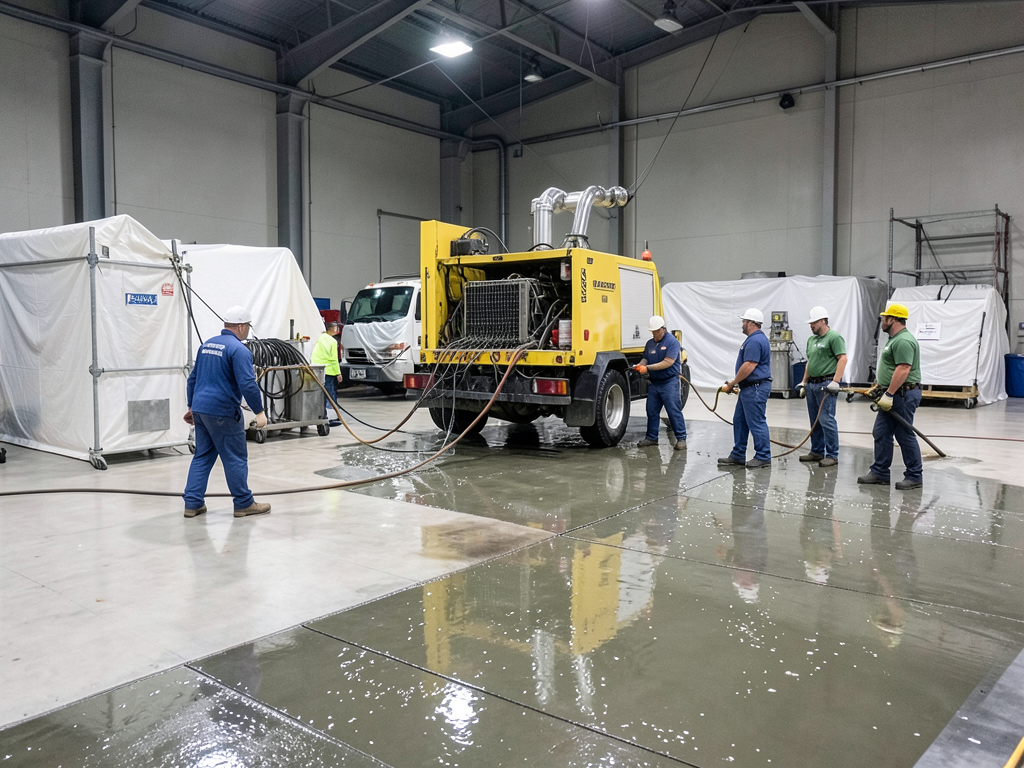

Water Damage Restoration Services in The Los Angeles Area

United Water Damage Restoration Los Angeles is proud to service the entire Los Angeles area and surrounding communities. View our central location on the map to see our strategic positioning, which enables us to provide our guaranteed rapid response times across the region. If you need immediate assistance, please do not drive to our office; instead, call our 24/7 emergency hotline, and our fully-equipped team will be dispatched directly to your property without delay.

Address:
United Water Damage Restoration Los Angeles, 5800 S Eastern Ave, Los Angeles, CA, 90040

Additional Services We Offer

Our news updates

Latest Articles & News from The Blogs

What to Do When Your Wilmington Water Heater Floods Your Laundry Room A leaking water heater can release 40 to…

What to Do When Your Wilmington Water Heater Floods Your Laundry Room

What to Do When Your Wilmington Water Heater Floods Your Laundry Room A leaking water heater can release 40 to…

Getting Your West Hills Home Ready for the Los Angeles Rainy Season

Getting Your West Hills Home Ready for the Los Angeles Rainy Season The Santa Susana Mountains loom over West Hills…

Common Plumbing Problems in Miracle Mile Older Condo Buildings

Common Plumbing Problems in Miracle Mile Older Condo Buildings Miracle Mile’s charming historic condo buildings come with unique plumbing challenges…

Contact Us

Call us now at (209) 255-2558 for a comprehensive diagnostic assessment. We will identify the exact cause of your window sweating and moisture buildup, then fix it permanently. Your home deserves better than a temporary patch.