





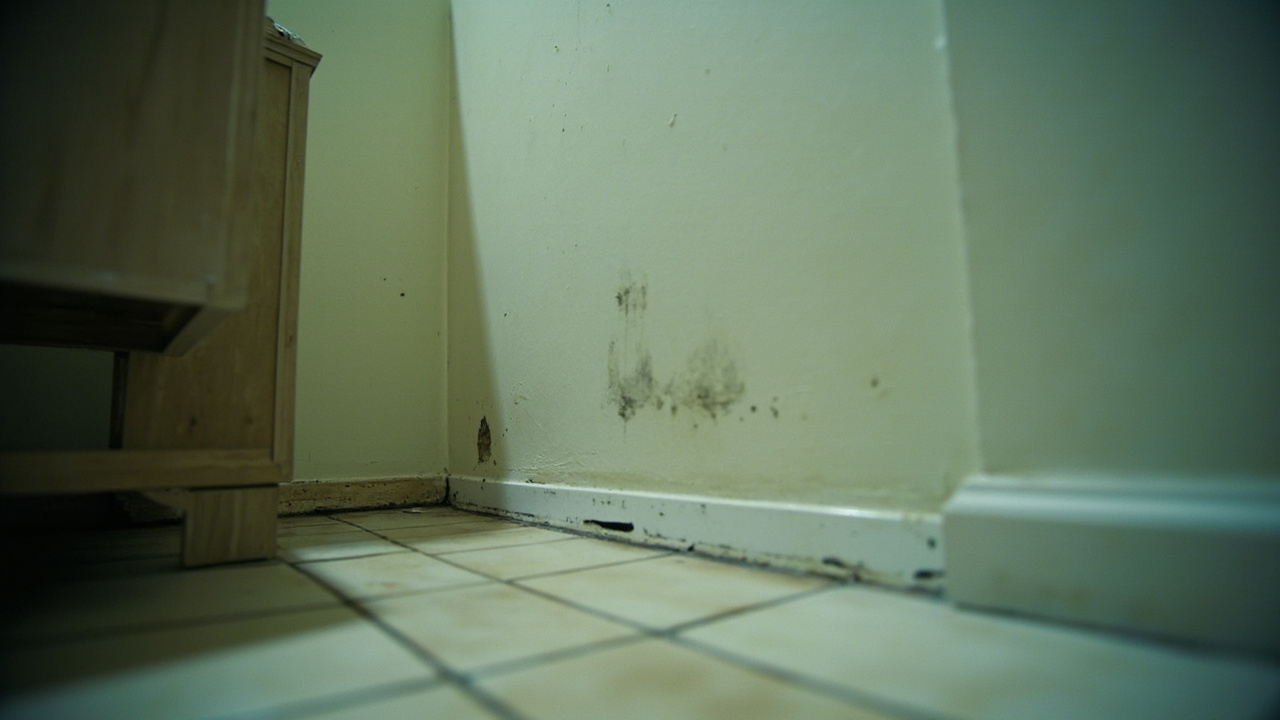

Los Angeles experiences unique conditions that promote concealed mold growth despite the region's reputation for dry weather. Marine layer fog along coastal areas deposits moisture on exterior surfaces that migrates into wall cavities through cracks and penetrations. Winter rainy seasons saturate building envelopes that take months to dry in homes with poor ventilation. Temperature differentials between air-conditioned interiors and hot exterior surfaces create condensation within wall assemblies. Many properties built before 1980 lack proper vapor barriers, allowing moisture to accumulate in wall cavities and attic spaces. Historic neighborhoods feature plaster walls that trap moisture and prevent evaporation. These factors combine to create hidden contamination that persists undetected until occupants experience health symptoms or visible damage appears.
Professional mold assessment in Los Angeles requires familiarity with local building methods and environmental factors. Assessors who understand regional construction history recognize which property types face elevated risks. Knowledge of neighborhood-specific challenges helps focus inspection efforts on likely contamination sources. Local professionals maintain relationships with Los Angeles County health departments and understand documentation requirements for commercial properties. They know which insurance carriers operate in the region and how to format reports that satisfy adjuster requirements. This local expertise delivers accurate assessments that generic inspection services cannot match.