



menu

Water Mitigation vs Restoration in Los Angeles – Know the Difference Before Your Insurance Claim Gets Denied

Understanding water damage mitigation vs restoration protects your claim and your property. Los Angeles homeowners face unique risks from aging infrastructure and seasonal storms that require both immediate mitigation and long-term restoration planning.

Slider Image 1
Slider Image 2
Slider Image 3
Slider Image 4
Slider Image 5
Slider Image 7
Slider Image 8
Slider Image 9
Slider Image 10
Slider Image 11

Why Confusing Water Cleanup with Water Repair Costs Los Angeles Property Owners Thousands

Most property owners think water mitigation and restoration are the same thing. They are not. This confusion leads to denied insurance claims, incomplete repairs, and hidden mold growth in Los Angeles homes.

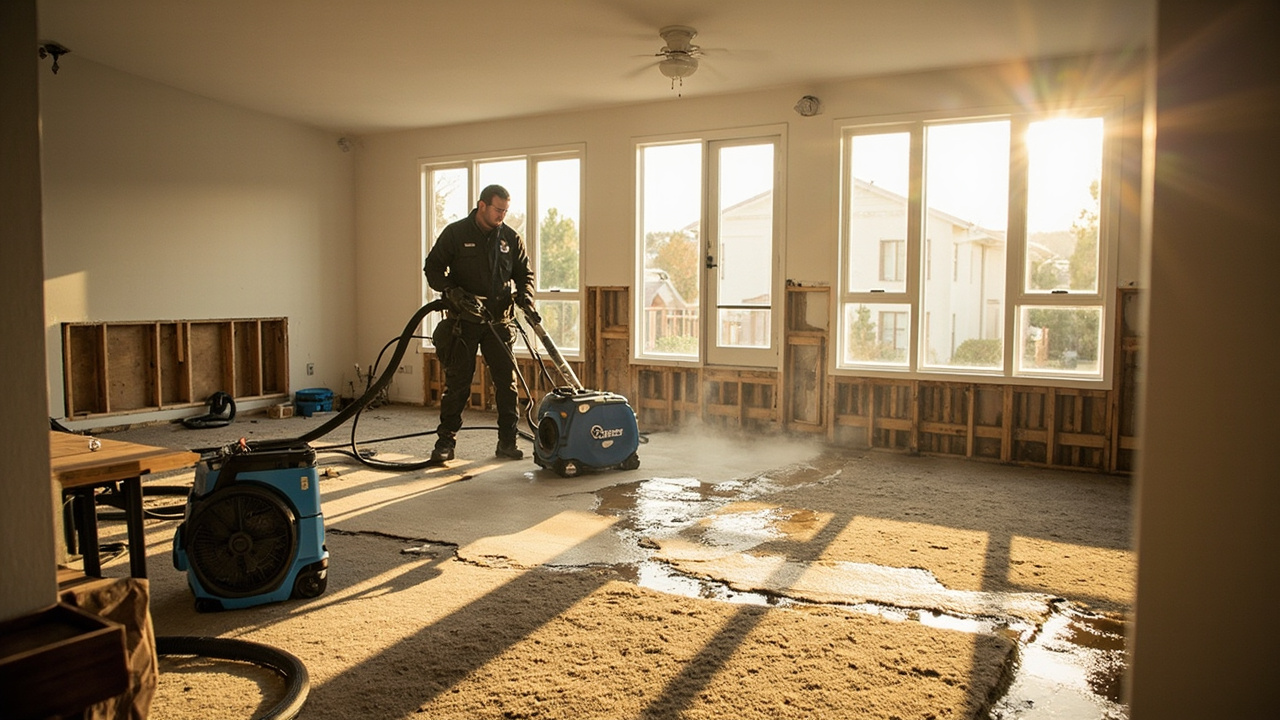
Water mitigation is the emergency response. It stops ongoing damage. Technicians extract standing water, remove wet materials, and dry the structure within 24 to 48 hours. You call for mitigation when water is actively destroying your property.

Water restoration is the rebuild phase. It happens after mitigation stabilizes the damage. Restoration replaces drywall, installs new flooring, repaints walls, and returns your property to pre-loss condition. This phase can take weeks or months depending on the scope.

Los Angeles properties face specific risks that blur this line. Older homes in neighborhoods like Silver Lake and Echo Park have cast iron drain pipes that corrode from the inside. When these fail, the initial water cleanup must happen fast to prevent structural damage to post-and-beam foundations. The difference between water mitigation and restoration becomes critical because insurance adjusters separate these phases in their estimates.

Homes near the Los Angeles River basin or in flood zones like parts of Studio City face seasonal storm surge. Mitigation teams respond to active flooding. Restoration teams rebuild after FEMA inspections clear the property. Understanding water remediation vs restoration means knowing which phase your property needs right now and which comes next.

The distinction matters because mitigation is time-sensitive and often covered differently than reconstruction under your policy. Waiting too long to start mitigation but jumping into restoration too early both create claim complications.

Why Confusing Water Cleanup with Water Repair Costs Los Angeles Property Owners Thousands
How Water Damage Mitigation vs Restoration Actually Works in Los Angeles Properties

How Water Damage Mitigation vs Restoration Actually Works in Los Angeles Properties

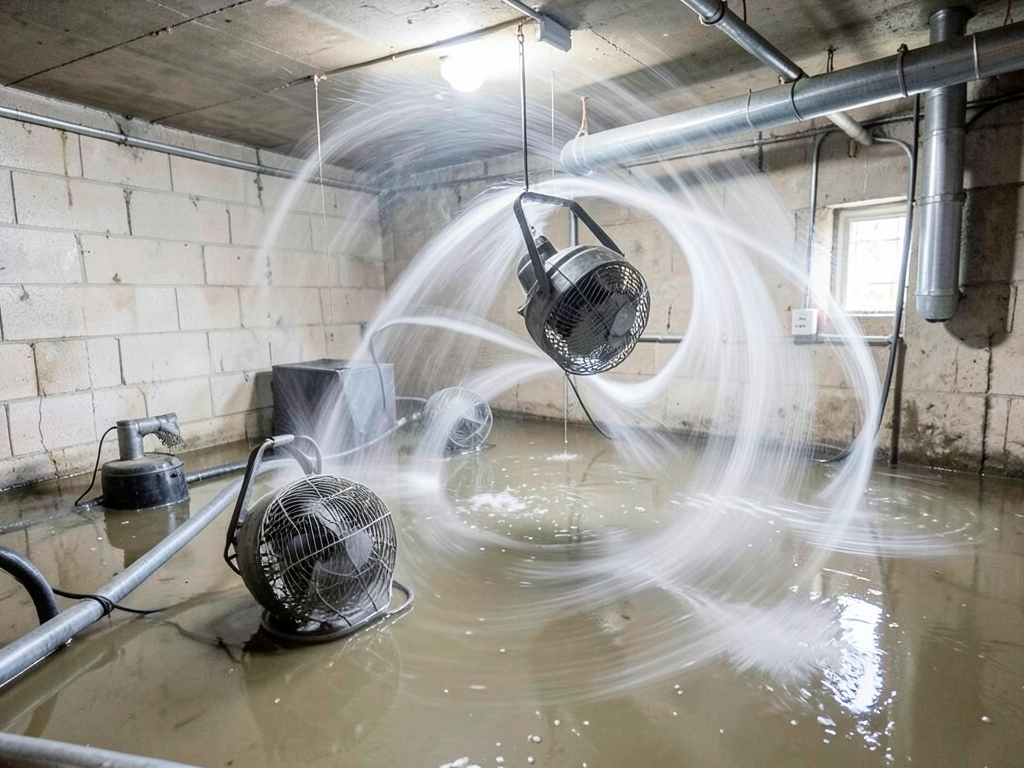
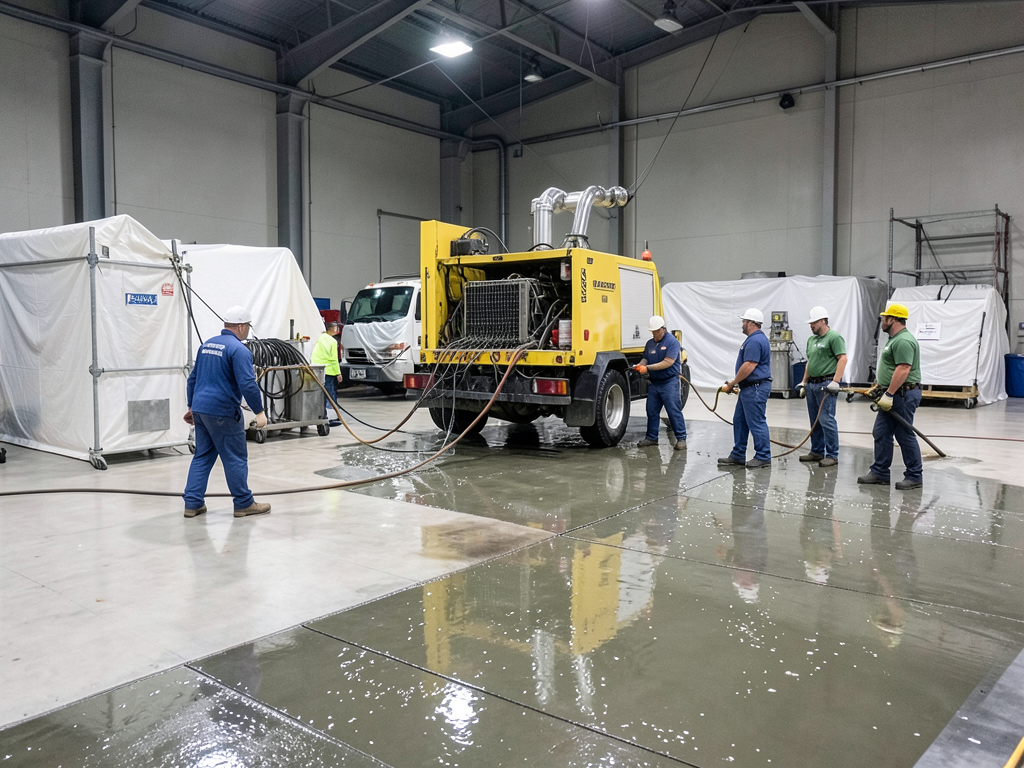
Mitigation starts within hours of your call. Technicians arrive with truck-mounted extractors, commercial dehumidifiers, and thermal imaging cameras. The goal is simple: stop the water, remove the moisture, prevent secondary damage. This phase uses negative air pressure to dry wall cavities and subfloors. Technicians document moisture readings with hygrometers and take photos for your insurance adjuster. You are living in controlled chaos with equipment running 24/7.

Los Angeles homes built before 1960 often have plaster walls over wood lath. Water mitigation in these structures requires removing baseboards and drilling weep holes to ventilate the wall cavities without demolishing original plaster. Technicians understand the difference between salvageable materials and those that must go. Carpet pad always gets removed. Hardwood flooring gets evaluated based on moisture content and cupping severity.

Restoration begins after a mitigation certificate confirms the structure is dry. This is when contractors rebuild. Drywall goes up. Cabinets get installed. Flooring gets laid. Paint goes on walls. The water cleanup vs water repair distinction becomes obvious because different trades take over. You are no longer managing extraction equipment. You are selecting paint colors and reviewing finish schedules.

United Water Damage Restoration Los Angeles coordinates both phases but keeps them separate in documentation and billing. Insurance companies require line-item breakdowns showing mitigation costs versus reconstruction costs. Mixing these phases in your claim creates processing delays.

The technical difference: mitigation is measured in moisture content and drying time. Restoration is measured in square footage and material replacement. Mitigation stops loss. Restoration fixes loss. Both are required but they serve different functions in the recovery process.

What Happens When You Call for Water Damage Help

Water Mitigation vs Restoration in Los Angeles – Know the Difference Before Your Insurance Claim Gets Denied
01

Emergency Mitigation Response

The mitigation team arrives within 60 to 90 minutes of your call. Technicians assess the water source, stop active leaks, and begin extraction. Thermal imaging identifies hidden moisture in walls and ceilings. Air movers and dehumidifiers get placed based on psychrometric calculations. This phase runs continuously until moisture readings reach industry dry standards. Documentation starts immediately for your insurance claim.
02

Structural Drying and Monitoring

Drying takes three to five days for most residential losses in Los Angeles. Technicians return daily to record moisture levels in floors, walls, and ceilings. Equipment gets repositioned as drying progresses. Materials that cannot be saved get documented and removed. The mitigation phase ends when an independent hygienist or your insurance adjuster confirms the structure meets dry standards. A certificate of completion gets issued.
03

Restoration and Rebuild

Restoration starts with demolition of unsalvageable materials. Contractors rebuild walls, install new flooring, replace cabinets, and restore finishes. This phase requires permits from Los Angeles Department of Building and Safety for structural work. The restoration timeline depends on material availability and inspection schedules. You review progress at key milestones. Final walkthrough confirms the property matches pre-loss condition. This is when you reclaim your space.

Why Los Angeles Property Owners Choose Local Water Damage Specialists

Choosing a water damage company that understands mitigation vs reconstruction matters because your insurance claim depends on proper documentation. Out-of-area companies miss local nuances that affect coverage and timelines.

Los Angeles County requires permits for structural repairs over a certain threshold. Companies unfamiliar with LADBS permit processes delay your restoration by weeks. Local teams know which repairs trigger permit requirements and how to expedite plan check. They understand that work in Historic Preservation Overlay Zones requires additional approvals. This knowledge keeps your project moving.

Insurance adjusters in Los Angeles see hundreds of water damage claims. They spot incomplete mitigation documentation immediately. Local restoration companies know what Farmers, State Farm, and Allstate adjusters require in moisture logs and photo documentation. They speak the same language as your adjuster, which reduces claim disputes.

United Water Damage Restoration Los Angeles works with properties across the basin, from beach communities dealing with coastal moisture to hillside homes in Laurel Canyon facing drainage issues. This geographic experience means faster diagnosis and more accurate scoping. Technicians recognize when a slab leak in a mid-century home requires concrete scanning before demolition. They know when polybutylene piping in a 1980s building points to systemic failure requiring whole-home repiping during restoration.

Local companies also maintain relationships with specialty contractors required for Los Angeles projects. Need a structural engineer for foundation concerns? Local firms have vetted professionals on call. Require a mold remediation team certified by the California Department of Public Health? They coordinate that work without delay.

The difference between hiring local versus national franchises shows up in response time and project knowledge. Los Angeles traffic means a company based in Orange County adds an hour to every service call. Local teams reach you faster when minutes matter during active flooding.

What to Expect During Mitigation and Restoration

Response Time and Availability

Mitigation teams dispatch within 60 to 90 minutes for emergency calls in Los Angeles County. Restoration scheduling begins after mitigation completion and insurance approval. Most mitigation work happens immediately regardless of time or day. Restoration follows a project schedule coordinated with your availability and contractor timelines. The urgency differs between phases. Mitigation is always urgent. Restoration follows a planned sequence. Equipment runs continuously during mitigation, which means noise and disruption. Restoration happens during normal business hours unless you request otherwise. Both phases require property access but mitigation teams need immediate entry to stop ongoing damage.

Inspection and Assessment Process

Initial assessment happens within the first hour of mitigation. Technicians use moisture meters, thermal cameras, and visual inspection to map the damage. This assessment determines equipment placement and projected drying time. Insurance adjusters perform separate inspections, typically within 24 to 72 hours. Restoration assessment happens after drying completes. This is when contractors measure for materials, identify code upgrade requirements, and create detailed scopes of work. Los Angeles properties often reveal hidden damage during demolition, which requires supplemental assessments and additional insurance approvals. Each inspection gets documented with photos, moisture readings, and written reports that become part of your claim file.

Quality of Completed Work

Mitigation quality is measured by final moisture content. Structures must reach equilibrium moisture levels that match surrounding unaffected areas. Restoration quality depends on workmanship, material selection, and attention to detail. Los Angeles building codes require specific standards for seismic bracing, electrical work, and plumbing repairs. Quality restoration matches or exceeds original construction. Texture matching on plaster walls requires skilled craftsmen familiar with historic techniques. Hardwood floor refinishing must blend new boards with existing wood species and stain colors. Final inspections by city building inspectors confirm code compliance. Your walkthrough confirms cosmetic quality meets expectations before the project closes.

Post-Completion Support and Documentation

Mitigation companies provide certificates of completion with final moisture readings. These documents prove your property reached dry standard. Restoration contractors provide warranties on workmanship, typically one year for labor. Material warranties come from manufacturers and vary by product. Los Angeles restoration projects require building permits that remain in city records. Final inspection sign-offs confirm all work meets code. Keep these documents for future property sales or insurance renewals. Some insurance policies require proof of proper water damage remediation before renewal. Post-restoration support includes addressing any punch list items identified during your final walkthrough. Reputable companies return to fix minor issues at no additional charge within the warranty period.

Frequently Asked Questions

You Have Questions,
We Have Answers

What is the difference between water restoration and mitigation? +

Water mitigation is the immediate response that stops further damage. Technicians extract standing water, set up drying equipment, and stabilize your property within hours of the incident. Water restoration is the complete rebuild phase that follows. This includes repairing drywall, replacing flooring, repainting, and returning your Los Angeles home to pre-loss condition. Mitigation happens first and fast. Restoration takes longer and addresses structural repairs. Both steps work together, but mitigation is your emergency brake while restoration is the full repair process.

What is mitigation and restoration? +

Mitigation refers to emergency actions that reduce damage severity immediately after a water event. This includes water extraction, moisture removal, antimicrobial treatment, and content protection. Restoration is the reconstruction phase where contractors rebuild damaged structures, replace materials, and complete cosmetic repairs. In Los Angeles properties, mitigation might take 3-5 days depending on humidity levels and building materials. Restoration can take weeks. You cannot start restoration until mitigation is complete and all moisture is removed. Both processes require different equipment and expertise.

What is the difference between restoration and remediation? +

Restoration rebuilds your property to its original condition after damage occurs. This includes replacing drywall, installing new flooring, and repainting walls. Remediation removes hazardous materials like mold, asbestos, or sewage contamination. Remediation focuses on safety and health hazards. Restoration focuses on construction and cosmetic repair. Many Los Angeles water damage incidents require both services. If your property has Category 3 water (sewage backup), you need remediation first to remove contaminants, then restoration to repair structural damage. Different certifications and protocols apply to each service.

What is included in water mitigation? +

Water mitigation includes emergency water extraction using truck-mounted pumps or portable extractors, placement of commercial dehumidifiers and air movers, moisture mapping with thermal imaging cameras, antimicrobial treatment to prevent mold growth, content pack-out and storage if needed, and documentation for insurance claims. Los Angeles properties often require additional steps due to stucco construction and tile flooring common in the region. Technicians also remove wet insulation, drill weep holes in baseboards, and set up negative air pressure in contained areas to control humidity.

What is the average cost of water mitigation? +

Water mitigation costs in Los Angeles typically range from $2,000 to $7,500 depending on water category, affected square footage, and how long water sat before extraction. Category 1 clean water costs less than Category 3 sewage. A 500-square-foot area with clean water might run lower, while a 2,000-square-foot basement flood with sewage contamination costs significantly more. Your insurance deductible applies. Most homeowner policies cover sudden water damage. Get documentation immediately. Costs increase dramatically if you delay because secondary damage compounds quickly in our climate.

What are the 4 types of Mitigation? +

The four types of mitigation are water mitigation (extracting water and drying structures), fire mitigation (smoke cleaning and odor removal), mold mitigation (containment and removal of fungal growth), and storm mitigation (securing properties and tarping roofs after weather events). Water mitigation is most common in Los Angeles due to pipe failures, appliance malfunctions, and occasional heavy rainfall that overwhelms older drainage systems. Each type requires specific equipment and training. Water mitigation uses extraction equipment and dehumidifiers. Fire mitigation needs thermal foggers and ozone generators. Mold requires negative air machines and HEPA filtration.

When to call a water restoration company? +

Call a water restoration company immediately when you discover standing water, notice ceiling stains or bulging drywall, hear water running behind walls, smell musty odors indicating hidden moisture, or experience sewage backup. In Los Angeles, call within the first hour if possible. Every minute counts. Water wicks through drywall and subfloors rapidly. Mold can colonize in 24-48 hours, especially in our climate. Do not wait to see if carpets dry on their own. Professional extraction removes 10 times more water than shop vacuums. Delayed response costs you thousands more in secondary damage.

What are 5 examples of mitigation? +

Five mitigation examples include extracting water from flooded basements using submersible pumps, placing air movers and dehumidifiers to dry wall cavities after pipe breaks, removing wet carpet padding before mold grows, injecting antimicrobial agents into affected wood framing, and packing out furniture to prevent staining and warping. In Los Angeles properties, mitigation also includes drying crawl spaces common in older homes, removing wet stucco when water intrudes through exterior walls, and documenting moisture levels daily until readings reach acceptable thresholds. Each action prevents additional damage and reduces total restoration costs significantly.

What does water restoration mean? +

Water restoration means returning your property to pre-loss condition after water damage occurs. This includes structural repairs like replacing drywall, installing new flooring, repainting walls, rebuilding cabinets, and matching finishes to existing areas. Restoration happens after mitigation completes and all moisture is removed. Los Angeles water restoration projects often involve matching stucco textures on exterior walls, refinishing hardwood floors common in older neighborhoods, and navigating city building permits for structural work. Professional restoration contractors coordinate with your insurance adjuster, provide detailed estimates, and ensure repairs meet current building codes while preserving your home's original character.

Do I need water mitigation? +

You need water mitigation if you have any standing water, wet carpet or flooring, ceiling stains, damp drywall, hidden moisture behind walls, or sewage backup. Visible water always means hidden moisture has spread further. Los Angeles homes with wood framing, stucco exteriors, and tile flooring absorb water quickly into wall cavities and subfloors. Skipping professional mitigation leads to mold growth within 48 hours, structural wood rot, and costs three times more in total repairs. Your insurance requires immediate action. Document everything, call professionals within one hour, and do not attempt drying with household fans.

Why Los Angeles Infrastructure Age Makes Understanding Mitigation vs Reconstruction Critical

Los Angeles has one of the oldest urban water systems in the western United States. Homes built between 1920 and 1960 comprise nearly 40 percent of the housing stock. These properties have galvanized steel pipes that corrode from inside, cast iron drain lines that develop pinhole leaks, and original copper plumbing with failing solder joints. When these systems fail, the difference between water mitigation and restoration determines whether you face a targeted repair or a whole-home repipe during reconstruction. Mitigation addresses the immediate leak and water damage. Restoration forces decisions about replacing failing infrastructure before closing walls. The age of Los Angeles housing stock means water damage rarely exists in isolation. One leak signals systemic issues requiring evaluation during the restoration phase.

Water damage response in Los Angeles requires familiarity with varied construction types across different neighborhoods. Spanish Colonial Revival homes in Hancock Park have thick adobe-style walls that hide moisture. Mid-century homes in the Hollywood Hills use post-and-beam construction where water travels along framing members. Craftsman bungalows in Pasadena have pier-and-grade beam foundations vulnerable to moisture intrusion. Local water damage specialists recognize these patterns. They know which construction types dry quickly and which require extended mitigation. This expertise affects both project timelines and insurance claim accuracy. Companies without Los Angeles experience misdiagnose moisture movement and either under-dry or over-demolish. Both mistakes cost you money and extend displacement time. Local knowledge protects your property and your claim.

Water Damage Restoration Services in The Los Angeles Area

United Water Damage Restoration Los Angeles is proud to service the entire Los Angeles area and surrounding communities. View our central location on the map to see our strategic positioning, which enables us to provide our guaranteed rapid response times across the region. If you need immediate assistance, please do not drive to our office; instead, call our 24/7 emergency hotline, and our fully-equipped team will be dispatched directly to your property without delay.

Address:
United Water Damage Restoration Los Angeles, 5800 S Eastern Ave, Los Angeles, CA, 90040

Additional Services We Offer

Our news updates

Latest Articles & News from The Blogs

What to Do When Your Wilmington Water Heater Floods Your Laundry Room A leaking water heater can release 40 to…

What to Do When Your Wilmington Water Heater Floods Your Laundry Room

What to Do When Your Wilmington Water Heater Floods Your Laundry Room A leaking water heater can release 40 to…

Getting Your West Hills Home Ready for the Los Angeles Rainy Season

Getting Your West Hills Home Ready for the Los Angeles Rainy Season The Santa Susana Mountains loom over West Hills…

Common Plumbing Problems in Miracle Mile Older Condo Buildings

Common Plumbing Problems in Miracle Mile Older Condo Buildings Miracle Mile’s charming historic condo buildings come with unique plumbing challenges…

Contact Us

Water damage requires immediate mitigation and expert restoration. United Water Damage Restoration Los Angeles responds 24/7 to stop damage and rebuild your property correctly. Call (209) 255-2558 now for emergency mitigation or restoration planning. We handle insurance documentation and coordinate every phase of your recovery.