




menu

Risks of DIY Water Cleanup in Los Angeles – Protect Your Property from Hidden Mold and Structural Damage

Understanding the risks of DIY water cleanup helps Los Angeles property owners avoid costly mistakes, invisible mold growth, and long-term structural deterioration that amateur water removal efforts often miss.

Slider Image 1
Slider Image 2
Slider Image 3
Slider Image 4
Slider Image 5
Slider Image 7
Slider Image 8
Slider Image 9
Slider Image 10
Slider Image 11

Why DIY Water Cleanup Fails in Los Angeles Homes

You mop up standing water, rent a shop vac from the hardware store, and point a box fan at the wet carpet. The surface looks dry within 48 hours, so you assume the problem is solved.

This is exactly how hidden water damage takes root in Los Angeles properties.

The dangers of DIY water damage restoration become clear three months later when black mold appears behind baseboards or drywall begins crumbling. Los Angeles homes built on expansive clay soil face unique moisture challenges. When water saturates subflooring or wall cavities, it migrates into structural wood and insulation where residential dehumidifiers cannot reach.

Amateur water cleanup methods miss the critical 24 to 48 hour window for proper drying. Surface moisture evaporates, but water trapped in wall cavities, under vinyl flooring, or within concrete slab foundations continues feeding microbial growth. The consequences of amateur water cleanup include compromised indoor air quality, weakened floor joists, and delaminated subflooring that costs five to ten times more to repair than professional extraction would have cost initially.

Los Angeles building codes require specific moisture content thresholds before reconstruction can begin. DIY methods lack the moisture meters and thermal imaging equipment needed to verify these standards. You cannot see moisture content percentages with your eyes. The hazards of do-it-yourself water removal extend beyond visible damage. Category 2 and Category 3 water contain bacteria, sewage particulates, or chemical contaminants that require EPA-registered antimicrobials and proper disposal protocols.

The hidden risks of self-managed water mitigation become insurance complications. Many policies require professional water damage documentation within 72 hours. Without moisture mapping reports and proper extraction records, your claim may face denial or significant reduction in coverage.

Why DIY Water Cleanup Fails in Los Angeles Homes
How Professional Water Extraction Prevents Long-Term Damage

How Professional Water Extraction Prevents Long-Term Damage

Professional water damage restoration follows IICRC S500 standards, which specify extraction methods, drying equipment placement, and moisture monitoring protocols that DIY approaches cannot replicate.

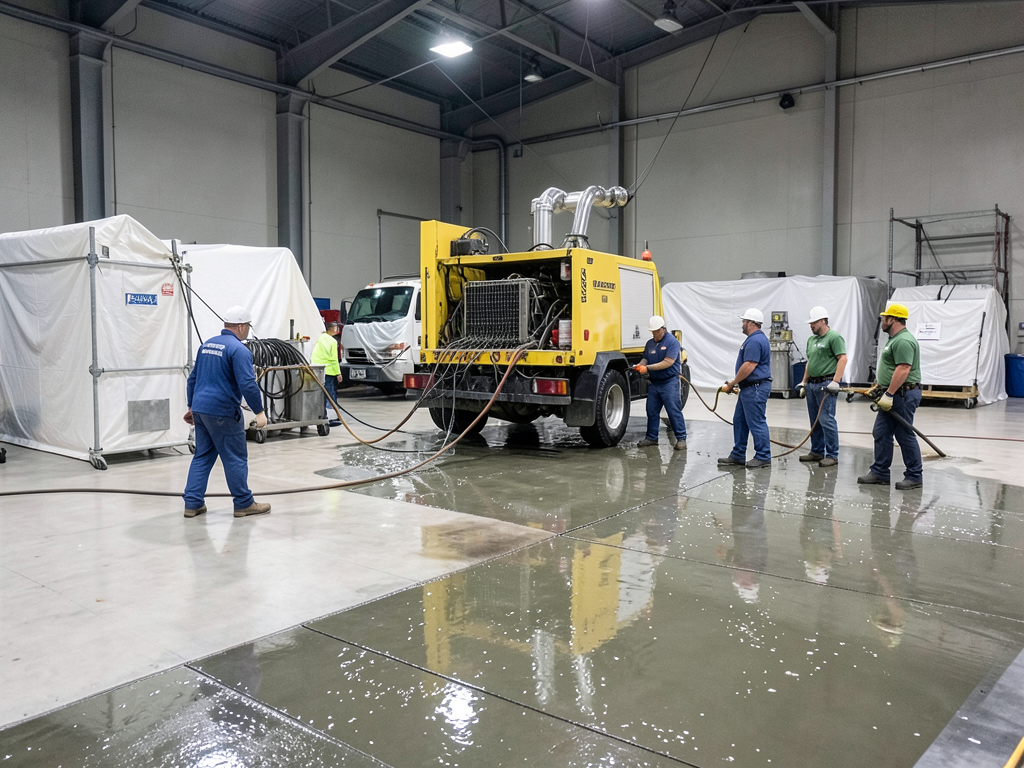
Truck-mounted extraction units remove 95% of standing water in the first pass. These systems generate vacuum pressure that pulls water from carpet padding, subflooring, and baseboards where shop vacs only skim surface moisture. After extraction, technicians use moisture meters to document water content in structural materials. Drywall should read below 1% moisture content. Wood framing should measure below 15% on a pin-type meter. These measurements guide equipment placement and drying timelines.

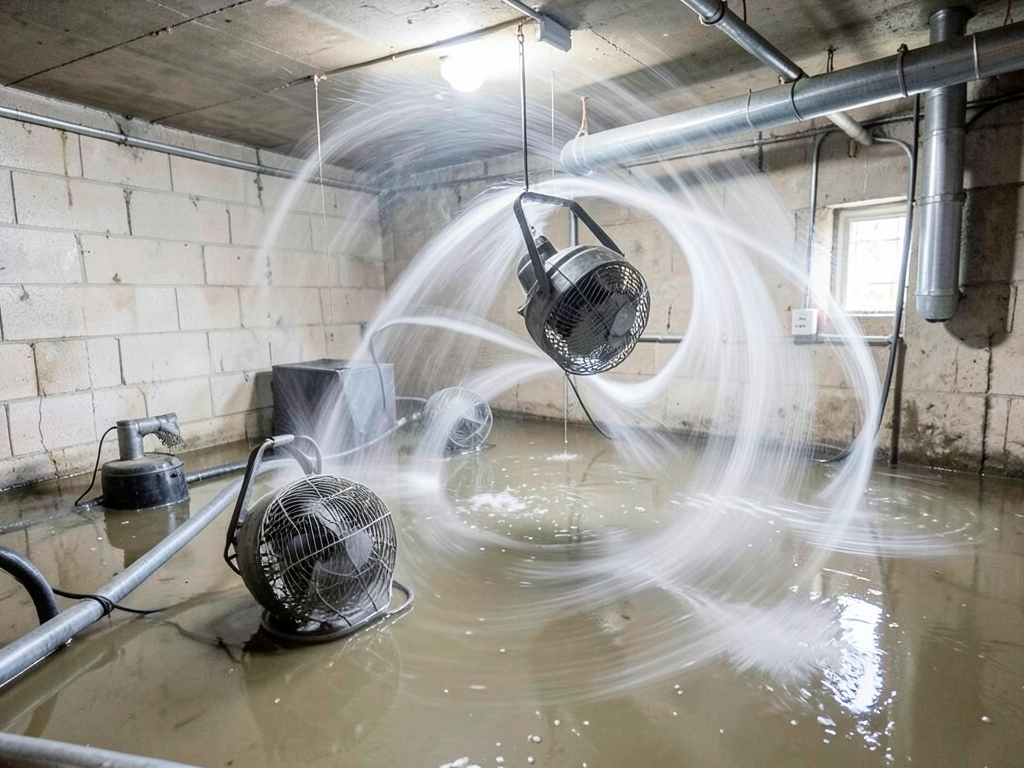
Air movers create targeted airflow patterns across wet surfaces at 400 to 600 cubic feet per minute. This is not the same as pointing a box fan at a wet spot. Professional drying creates laminar airflow that moves moisture-saturated air away from surfaces into commercial dehumidifiers. Low-grain refrigerant dehumidifiers remove moisture from air at dew points between 35 and 40 degrees, creating vapor pressure differentials that pull moisture out of building materials.

Thermal imaging identifies hidden moisture in wall cavities without invasive demolition. Wet insulation shows as cold spots on infrared cameras. This technology prevents the common DIY mistake of assuming walls are dry because the drywall surface feels dry to the touch.

Antimicrobial treatments follow extraction in contaminated water events. Category 2 water from washing machine overflows or Category 3 water from sewage backups requires EPA-registered disinfectants applied at specific dilution ratios. DIY bleach solutions do not meet remediation standards and can create toxic chlorine gas when mixed with ammonia-based cleaners.

Professional documentation includes daily moisture readings, equipment logs, and photographic evidence. This creates the claim support your insurance adjuster requires for full coverage approval.

What Happens During Professional Water Damage Assessment

Risks of DIY Water Cleanup in Los Angeles – Protect Your Property from Hidden Mold and Structural Damage
01

Initial Moisture Inspection

Technicians arrive within 60 minutes and use penetrating moisture meters to measure water content in walls, floors, and ceilings. Thermal imaging cameras identify moisture migration paths and hidden saturation in cavities. This creates a moisture map that defines the affected area and determines equipment needs. The inspection categorizes water type using IICRC standards, which dictates extraction and antimicrobial protocols.
02

Controlled Water Extraction

Truck-mounted extraction units remove standing water and embedded moisture from carpets, padding, and subflooring. Technicians document pre-extraction moisture levels and photograph affected areas for insurance claims. Water extraction includes removing baseboards to access wall cavities where moisture accumulates. This prevents wicking, where water moves upward through drywall and into wall studs. Controlled extraction removes 12 to 15 pounds of water per square yard in saturated carpet.
03

Structural Drying Verification

Air movers and dehumidifiers run continuously while technicians take daily moisture readings. Drying continues until materials reach target moisture content levels specified by building science standards. Final verification uses moisture meters and thermal imaging to confirm no residual moisture remains in wall cavities, subflooring, or structural framing. This prevents future mold growth and maintains your property's structural integrity. Documentation includes moisture logs and completion certificates for insurance and future property sales.

Why Los Angeles Property Owners Choose Professional Restoration

Los Angeles properties face specific water damage challenges that make professional restoration essential rather than optional.

Homes built on expansive clay soil experience foundation movement that creates gaps where water enters wall cavities and crawl spaces. When water saturates clay soil, it expands and shifts concrete slab foundations. This movement opens cracks in shower pans, toilet wax rings, and supply line connections. DIY cleanup misses these hidden moisture pathways where water continues feeding mold colonies long after surface areas appear dry.

Los Angeles building codes require permits for water damage repairs exceeding 100 square feet. Professional restoration companies understand Department of Building and Safety requirements for mold remediation, structural drying documentation, and post-loss reconstruction. Homeowners who attempt DIY repairs often discover code violations during future property sales or refinancing inspections.

The city's Mediterranean climate creates another complication. Warm, dry air makes surface moisture evaporate quickly, which tricks property owners into believing their DIY cleanup succeeded. Meanwhile, moisture remains trapped in wall cavities where temperatures stay cooler and relative humidity stays higher. This creates perfect conditions for Stachybotrys chartarum and Aspergillus niger, two mold species common in Los Angeles water damage cases.

United Water Damage Restoration Los Angeles maintains relationships with insurance adjusters throughout LA County. This familiarity speeds claim processing and ensures proper documentation from the first day. We understand State Farm's preferred vendor requirements, Farmers Insurance documentation protocols, and USAA's military policyholder specifications.

Our technicians complete continuing education through the Institute of Inspection, Cleaning and Restoration Certification. This includes updated training on antimicrobial resistance, emerging drying technologies, and California's strict indoor air quality standards. You gain expertise that hardware store equipment rentals cannot provide.

The pitfalls of DIY water extraction become apparent when insurance companies deny claims due to inadequate initial response or improper documentation. Professional restoration creates the paper trail adjusters require while protecting your property's long-term value.

What Professional Water Damage Restoration Includes

Emergency Response Timeline

Water damage restoration begins within 60 minutes of your call. Technicians arrive with truck-mounted extraction equipment, moisture detection tools, and commercial drying equipment. The first 24 hours determine whether you face a straightforward drying project or extensive mold remediation and reconstruction. Rapid response prevents secondary damage, which includes mold growth, wood rot, and delaminated subflooring. Evening and weekend emergencies receive the same priority as weekday calls. Extraction equipment starts working within 90 minutes of arrival, beginning the critical drying timeline that prevents permanent damage.

Comprehensive Property Assessment

Initial assessment includes moisture mapping using pin-type and non-invasive meters, thermal imaging to identify hidden saturation, and water category classification following IICRC S500 standards. Technicians document affected square footage, moisture content percentages in structural materials, and equipment placement strategy. This assessment creates the scope of work your insurance adjuster uses to approve your claim. Photographs and moisture readings establish baseline conditions and track daily drying progress. The assessment identifies whether water reached HVAC ductwork, wall cavities, or subfloor insulation, which determines antimicrobial treatment needs and equipment placement strategy.

Complete Structural Drying

Professional drying achieves target moisture content levels in three to five days for most residential water losses. Technicians position air movers to create specific airflow patterns across wet surfaces and place commercial dehumidifiers to maintain optimal vapor pressure. Daily monitoring documents moisture reduction in drywall, wood framing, and concrete. Drying continues until materials reach equilibrium moisture content, typically below 1% for drywall and below 15% for wood framing. This prevents future mold growth and eliminates musty odors. Final verification includes moisture meter readings and thermal imaging confirmation that no residual moisture remains in wall cavities or subflooring.

Post-Restoration Verification

Restoration completion includes final moisture verification, antimicrobial treatment documentation, and equipment removal. Technicians provide moisture logs, daily equipment operation records, and completion certificates for your insurance claim. Post-restoration recommendations identify any remaining concerns, such as carpet replacement needs or drywall repairs required before painting. Follow-up inspections available at 30 and 90 days ensure no secondary moisture issues develop. Documentation includes before and after photographs, moisture content charts tracking daily progress, and itemized equipment logs showing air mover and dehumidifier placement throughout the drying process. This creates permanent records for future property transactions or insurance audits.

Frequently Asked Questions

You Have Questions,
We Have Answers

How Los Angeles Clay Soil Amplifies Water Damage Risks

Los Angeles sits on expansive Montmorillonite clay soil that swells when wet and shrinks when dry. This creates foundation movement that opens cracks in concrete slabs and shifts plumbing connections. When water damage occurs, moisture migrates into clay soil beneath slab foundations where it remains trapped for months. DIY cleanup cannot address this subsurface moisture, which continues feeding humidity into your home through concrete capillary action. Professional restoration includes moisture barrier assessment and subsurface drying protocols specific to clay soil conditions. The consequences of amateur water cleanup become structural issues when clay soil moisture undermines foundation stability and creates ongoing humidity problems that surface drying never resolves.

Los Angeles County building codes require specific documentation for water damage exceeding 10 square feet. The Department of Building and Safety mandates moisture content verification before reconstruction begins and requires permits for mold remediation projects. Professional restoration teams understand these local requirements and maintain relationships with LA County inspectors. This local expertise prevents the common DIY mistake of completing repairs without proper permits, which creates complications during property sales or refinancing. Understanding Los Angeles building codes, clay soil challenges, and local insurance carrier requirements separates adequate water cleanup from restoration that protects your property's long-term value and maintains compliance with city regulations.
Water Damage Restoration Services in The Los Angeles Area

United Water Damage Restoration Los Angeles is proud to service the entire Los Angeles area and surrounding communities. View our central location on the map to see our strategic positioning, which enables us to provide our guaranteed rapid response times across the region. If you need immediate assistance, please do not drive to our office; instead, call our 24/7 emergency hotline, and our fully-equipped team will be dispatched directly to your property without delay.

Address:
United Water Damage Restoration Los Angeles, 5800 S Eastern Ave, Los Angeles, CA, 90040

Additional Services We Offer

Our news updates

Latest Articles & News from The Blogs

What to Do When Your Wilmington Water Heater Floods Your Laundry Room A leaking water heater can release 40 to…

What to Do When Your Wilmington Water Heater Floods Your Laundry Room

What to Do When Your Wilmington Water Heater Floods Your Laundry Room A leaking water heater can release 40 to…

Getting Your West Hills Home Ready for the Los Angeles Rainy Season

Getting Your West Hills Home Ready for the Los Angeles Rainy Season The Santa Susana Mountains loom over West Hills…

Common Plumbing Problems in Miracle Mile Older Condo Buildings

Common Plumbing Problems in Miracle Mile Older Condo Buildings Miracle Mile’s charming historic condo buildings come with unique plumbing challenges…

Contact Us

Do not let DIY mistakes turn minor water damage into major reconstruction. Call (209) 255-2558 now for immediate response and professional water extraction. Our technicians arrive within 60 minutes with commercial equipment and insurance documentation expertise. Protect your Los Angeles property from hidden mold and structural damage.